The Best Places to Elope in Montreal and Quebec
Montreal is where the day begins. Quebec around it, the Laurentians, Charlevoix, the fjords, the Gaspe, holds some of the wildest country in Canada. Every frame here is mine.
Couples ask me where to elope in Montreal, and my honest answer is that the city is the beginning, not the whole map. Montreal gives you the cobblestones, the mountain, and the European light. Quebec around it gives you some of the most spectacular wild country in Canada, and most of it is a few hours from the city. Here are the places I actually shoot, from the Laurentians out to the edge of the Gulf.
Every frame here is mine. Choose the ones that move you and I will design the day around them, handle the notary and the logistics, and bring it back as photographs and a film.
(Continued on Page 2, Col. 1)
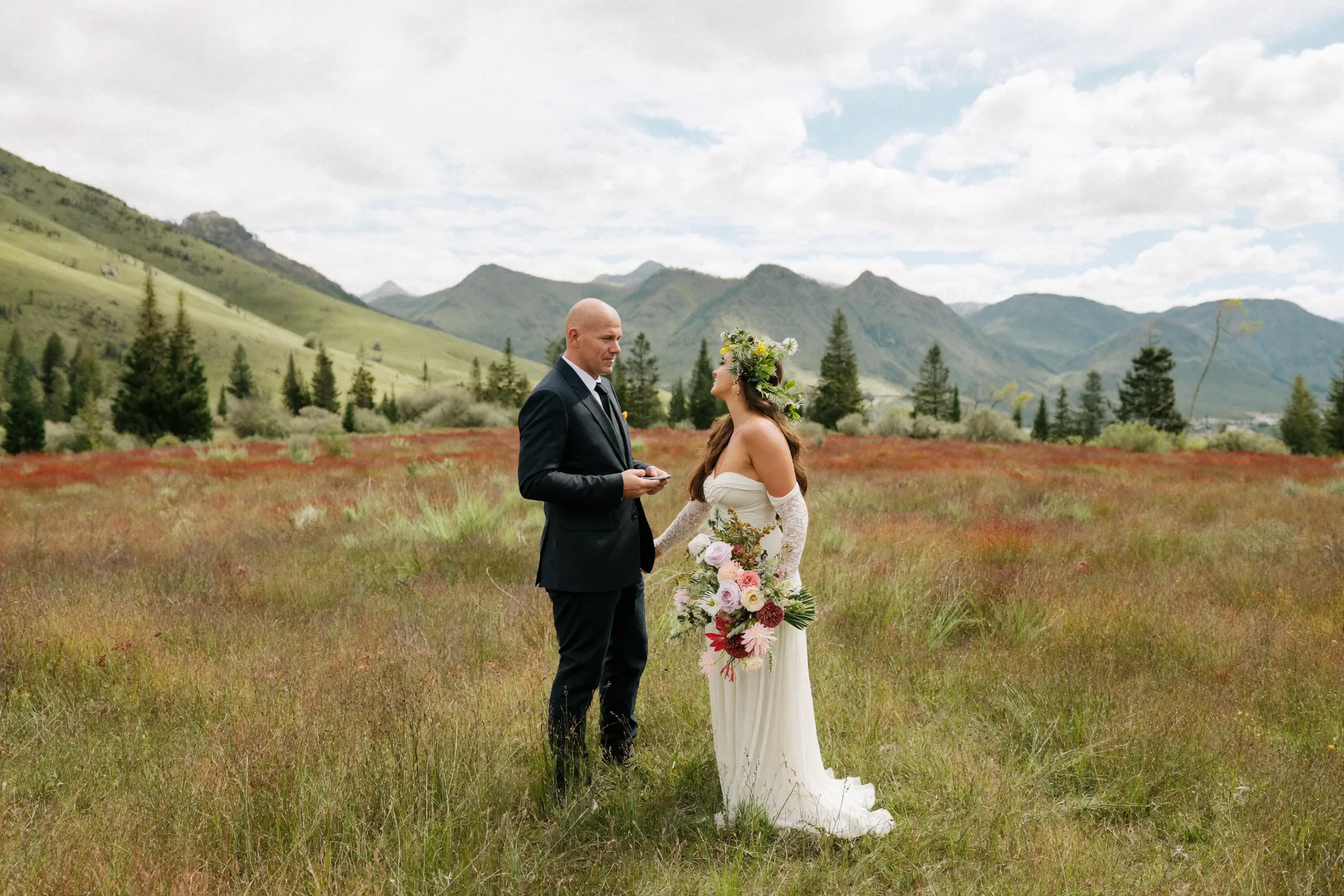
The mountains closest to Montreal, an hour north, lakes and forest and Mont-Tremblant. The easiest wild country to reach from the city and the one I use most for a day trip elopement.
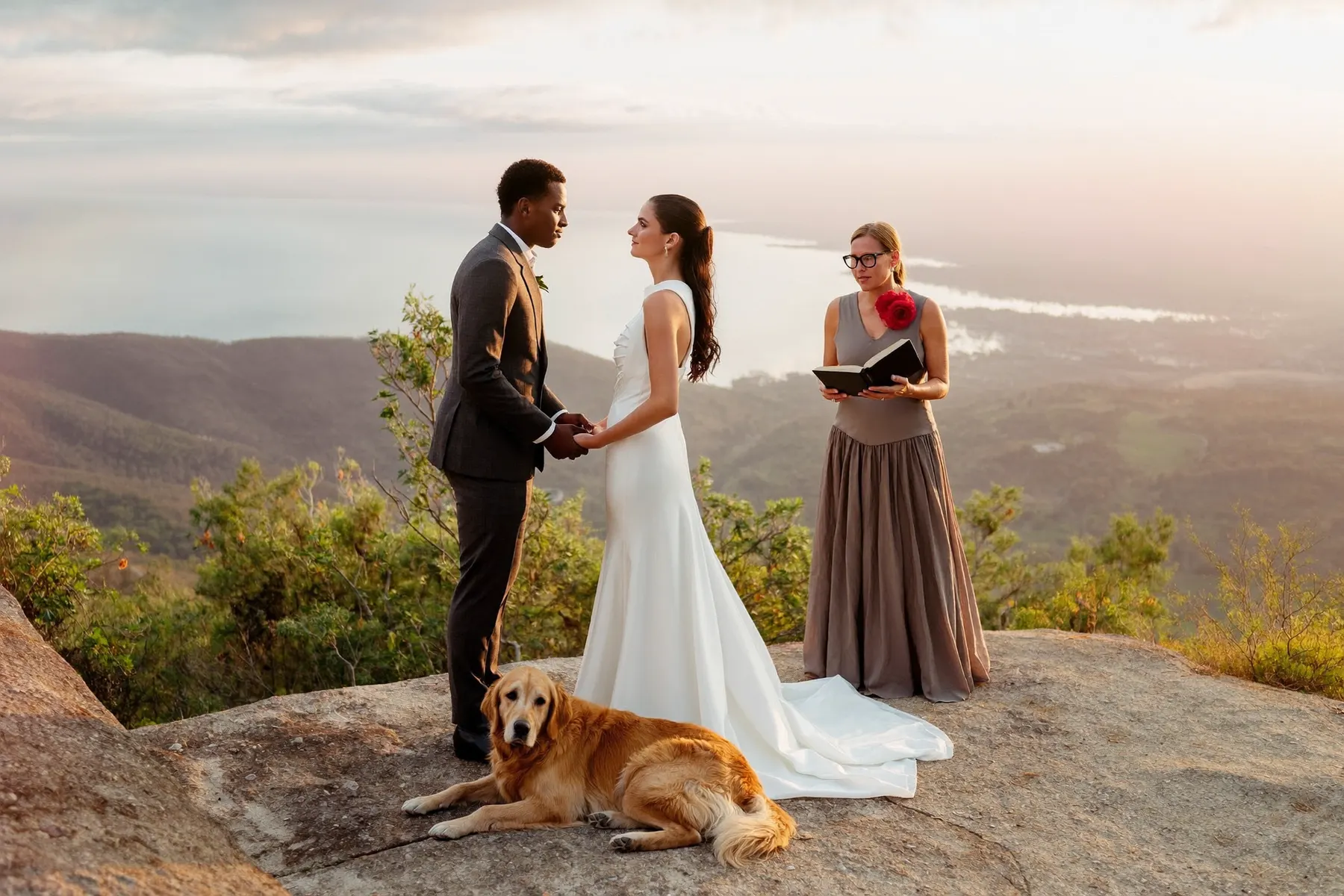
The Laurentians
The mountains closest to Montreal, an hour north, lakes and forest and Mont-Tremblant. The easiest wild country to reach from the city and the one I use most for a day trip elopement.
Charlevoix
Where the mountains meet the St. Lawrence northeast of Quebec City, rolling hills dropping to a river so wide it feels like the sea. My favourite region in the province for scale and light.
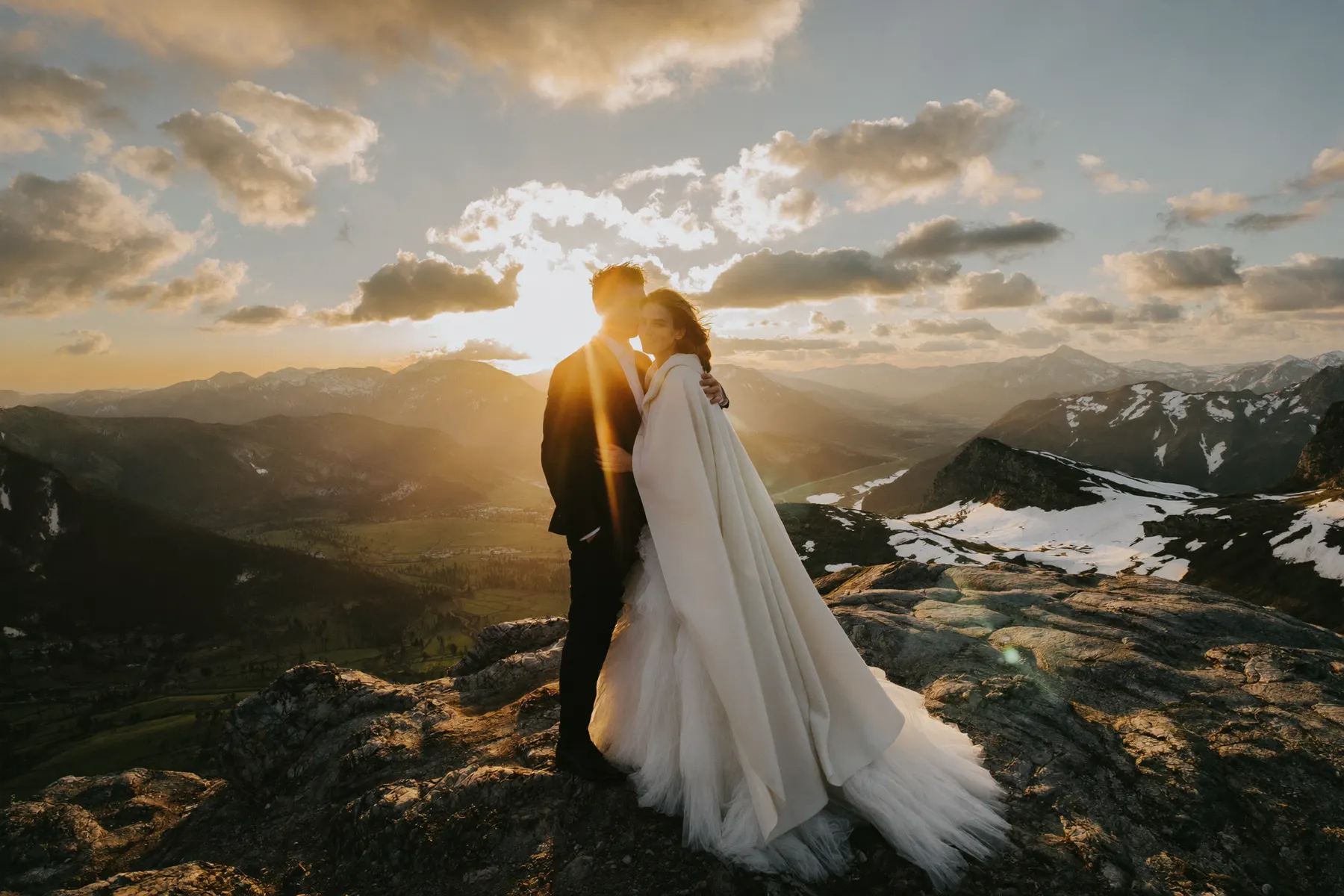
Jacques-Cartier National Park
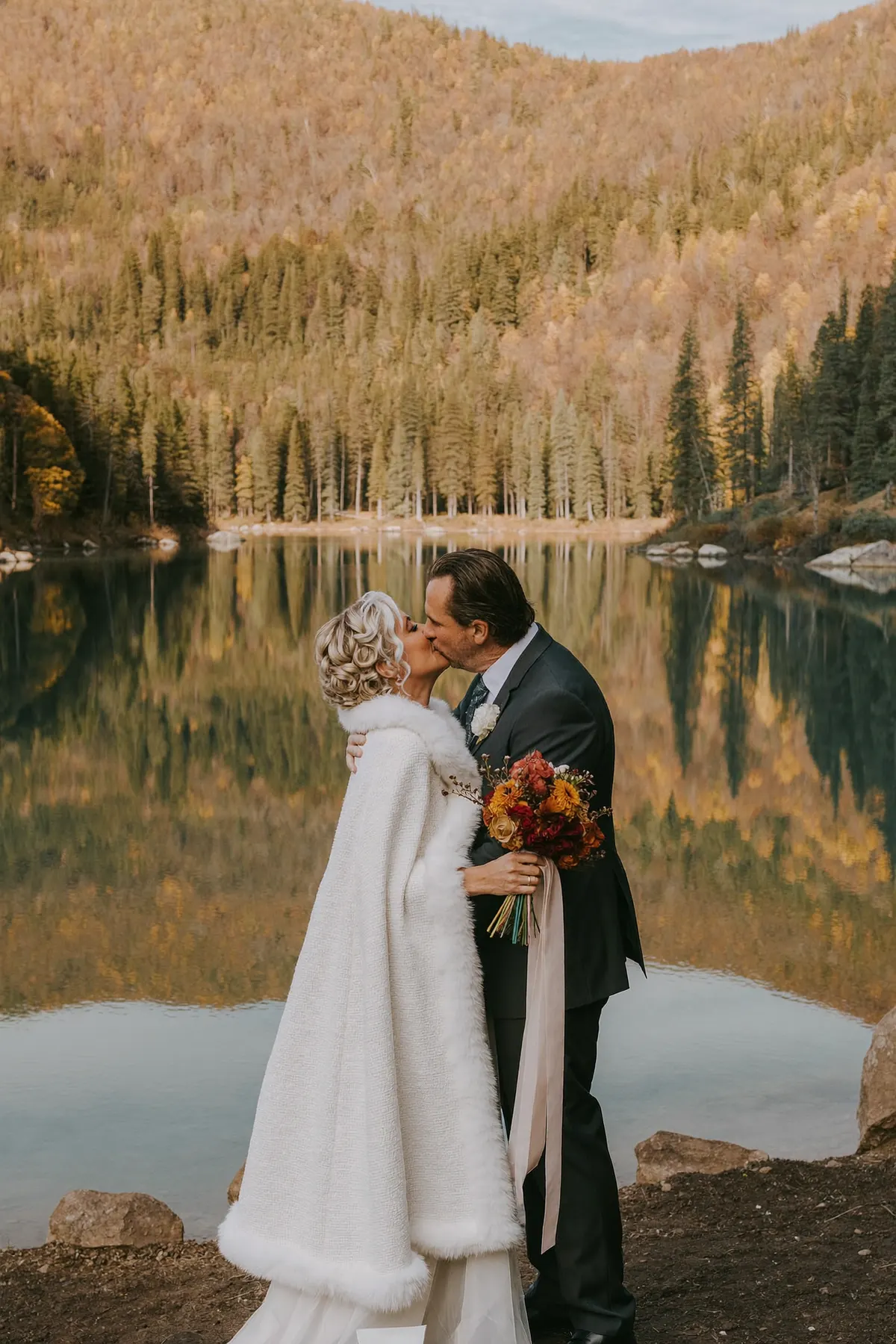
A glacial valley half an hour from Quebec City, a river winding between steep forested walls that hold mist until mid-morning. Accessible wilderness at its most cinematic.
Saguenay and Lac-Saint-Jean
The Saguenay Fjord, one of the longest in the world, cutting deep inland with cliffs rising straight from black water. Remote, immense, and unlike anywhere else in eastern Canada.
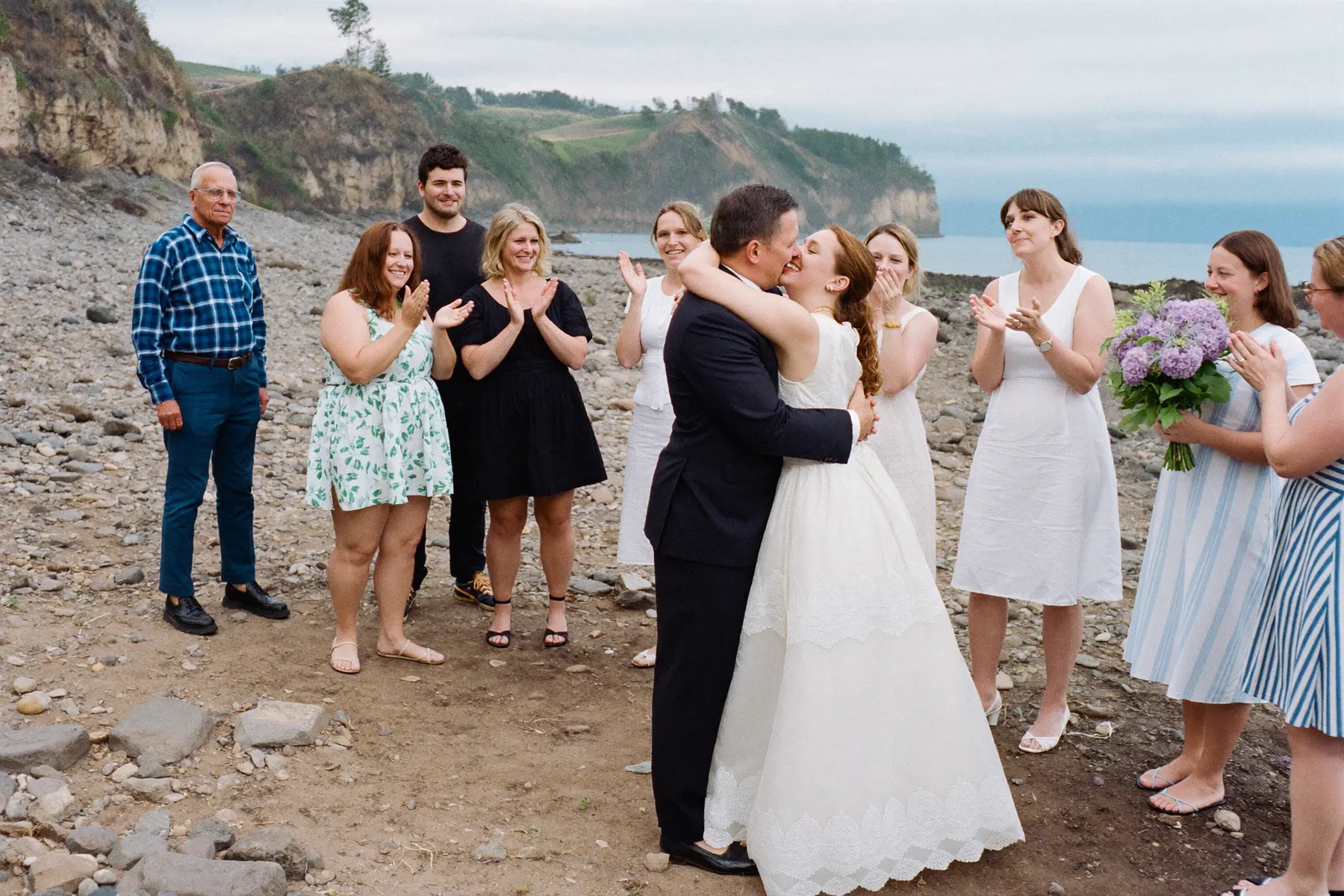
Parc national du Bic
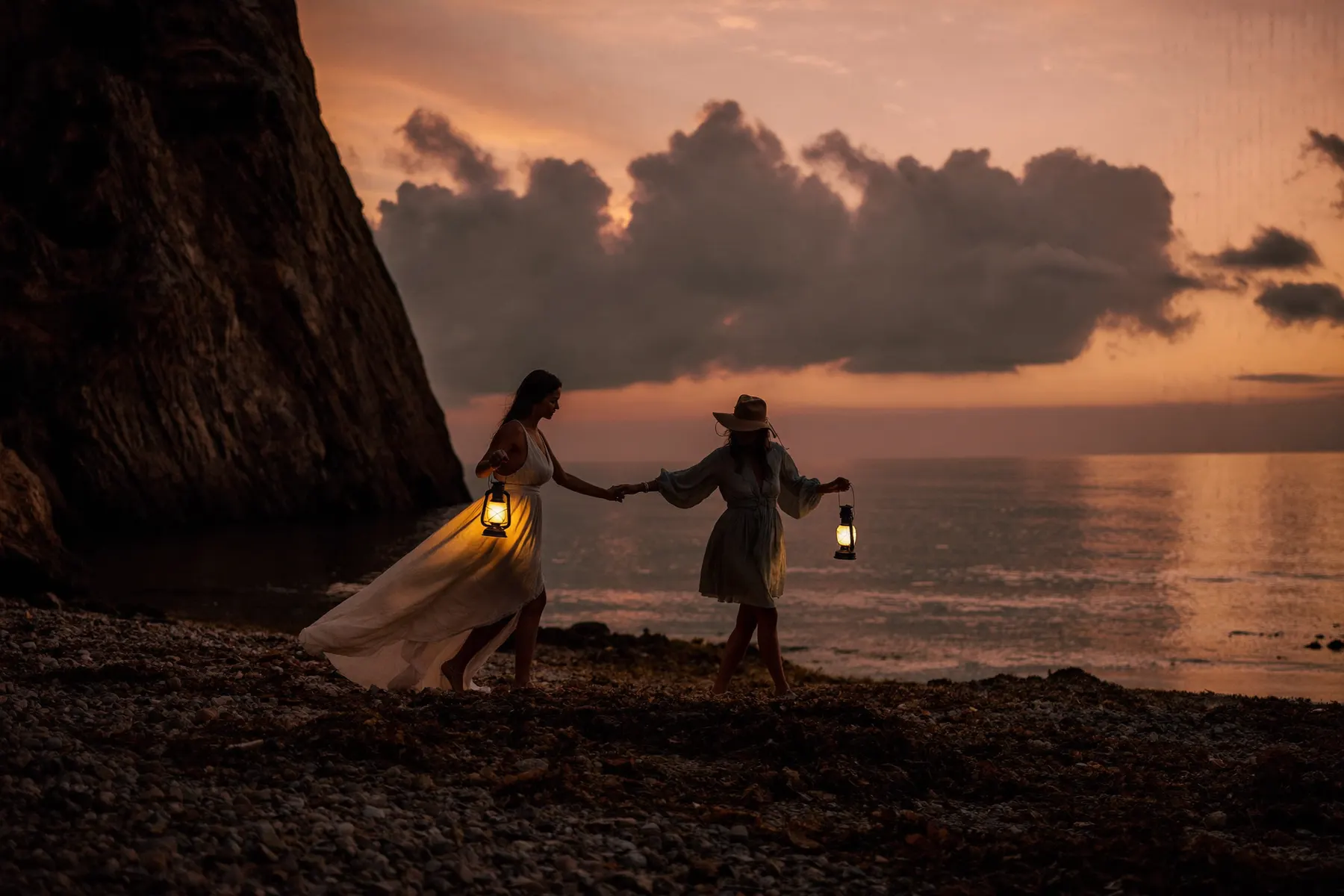
On the south shore of the St. Lawrence, a coastline of coves, capes, and islands where seals haul out on the rocks at low tide. Gentle, salt-air country with the widening river as the horizon.
Gaspesie and Forillon
The far end of Quebec, where the Appalachians run out into the Gulf. The mountains of Parc national de la Gaspesie and the sea-cliffs of Forillon at the very tip of the peninsula. The most epic country in the province and worth the drive.
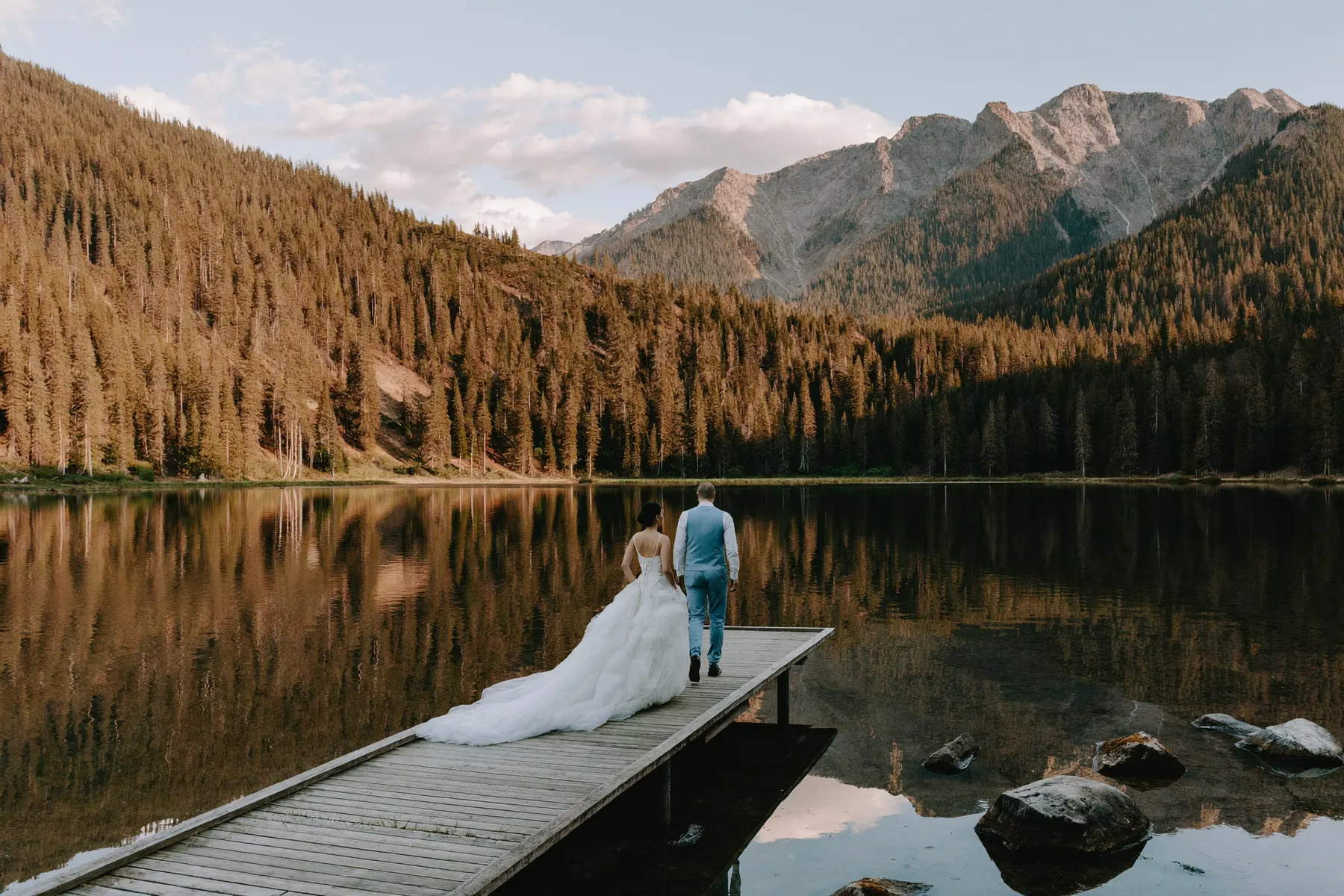
Kamouraska and the south shore
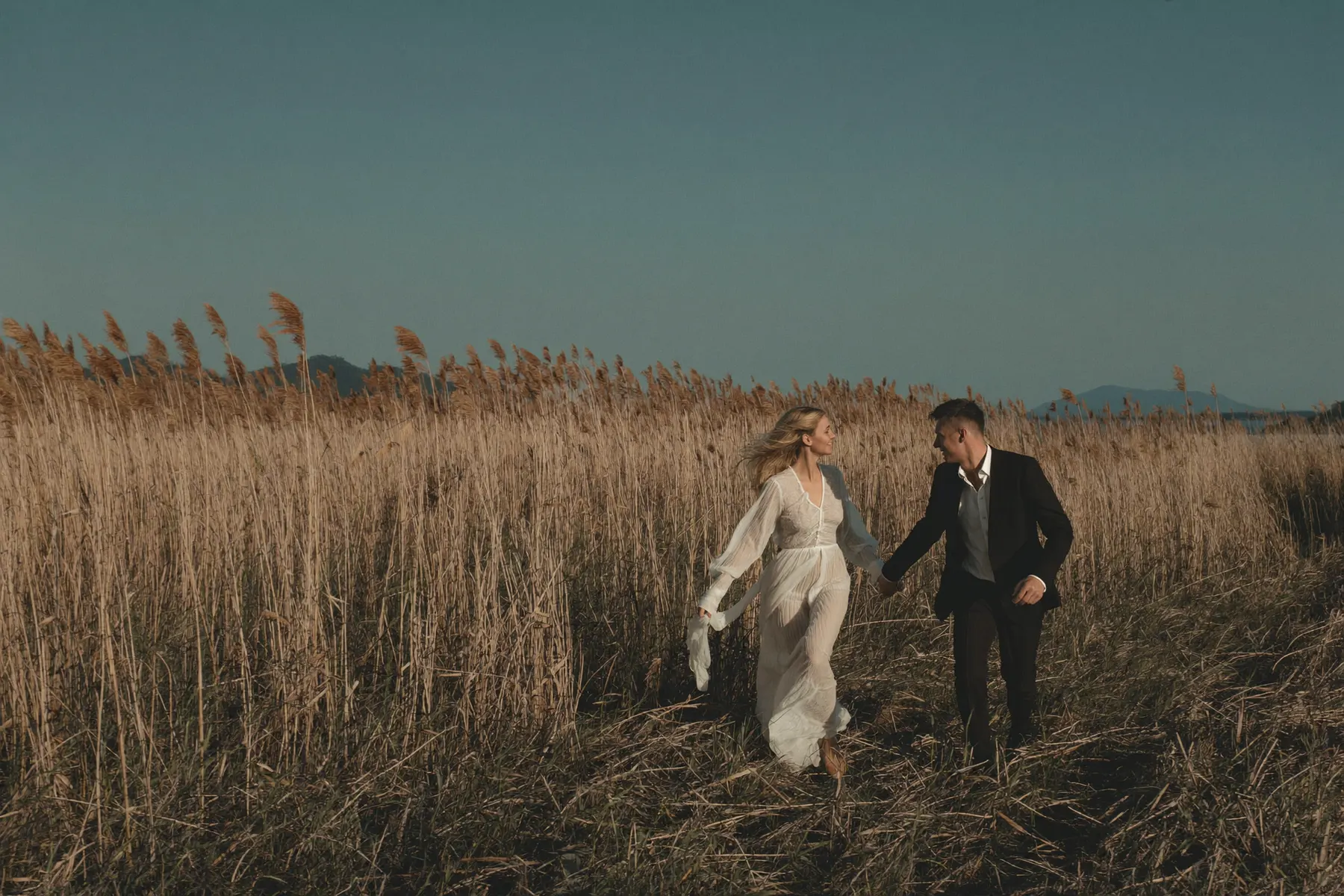
A string of old villages on the St. Lawrence famous for the widest sunsets in Quebec, the river so broad the sun sets into it as if into the ocean. Slow, golden, and deeply romantic.
Tadoussac and the whale coast
Where the Saguenay meets the St. Lawrence and the whales gather, a dune, a historic chapel, and the meeting of two great bodies of water. Wild, storied, and utterly Quebecois.
Mingan and the Magdalen Islands
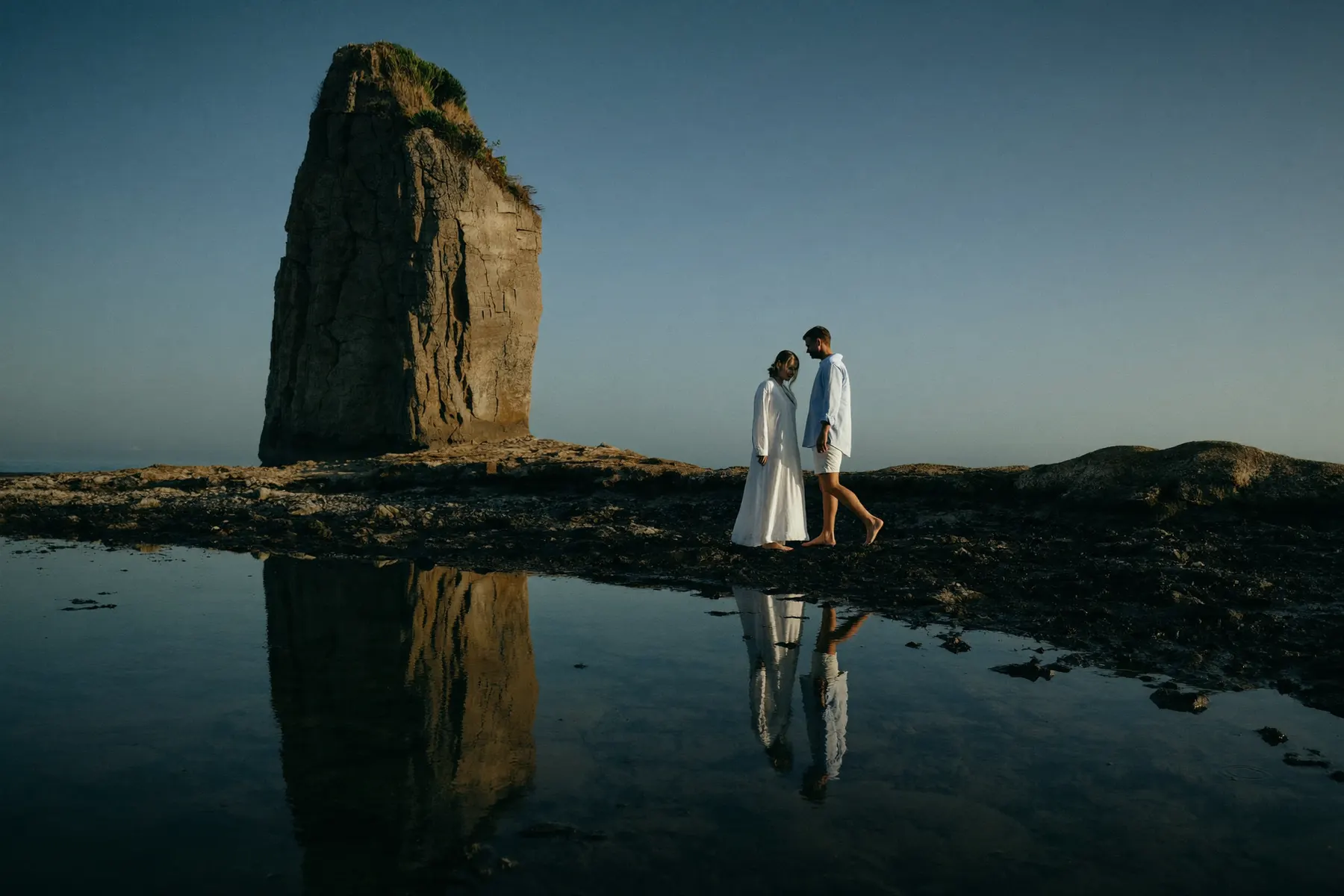
For the couple who wants the ends of the earth. The eroded monoliths of the Mingan Archipelago on the north shore, and the red cliffs and endless beaches of the Iles-de-la-Madeleine out in the Gulf. Genuine expeditions, and genuinely once-in-a-lifetime.
Lanaudiere and Bas-Saint-Laurent
Between the famous regions sit the quieter ones, Lanaudiere's lakes and lodges northeast of Montreal, and the long river country of the Bas-Saint-Laurent. Softer, calmer options for a couple who wants nature without the drive to the Gulf.
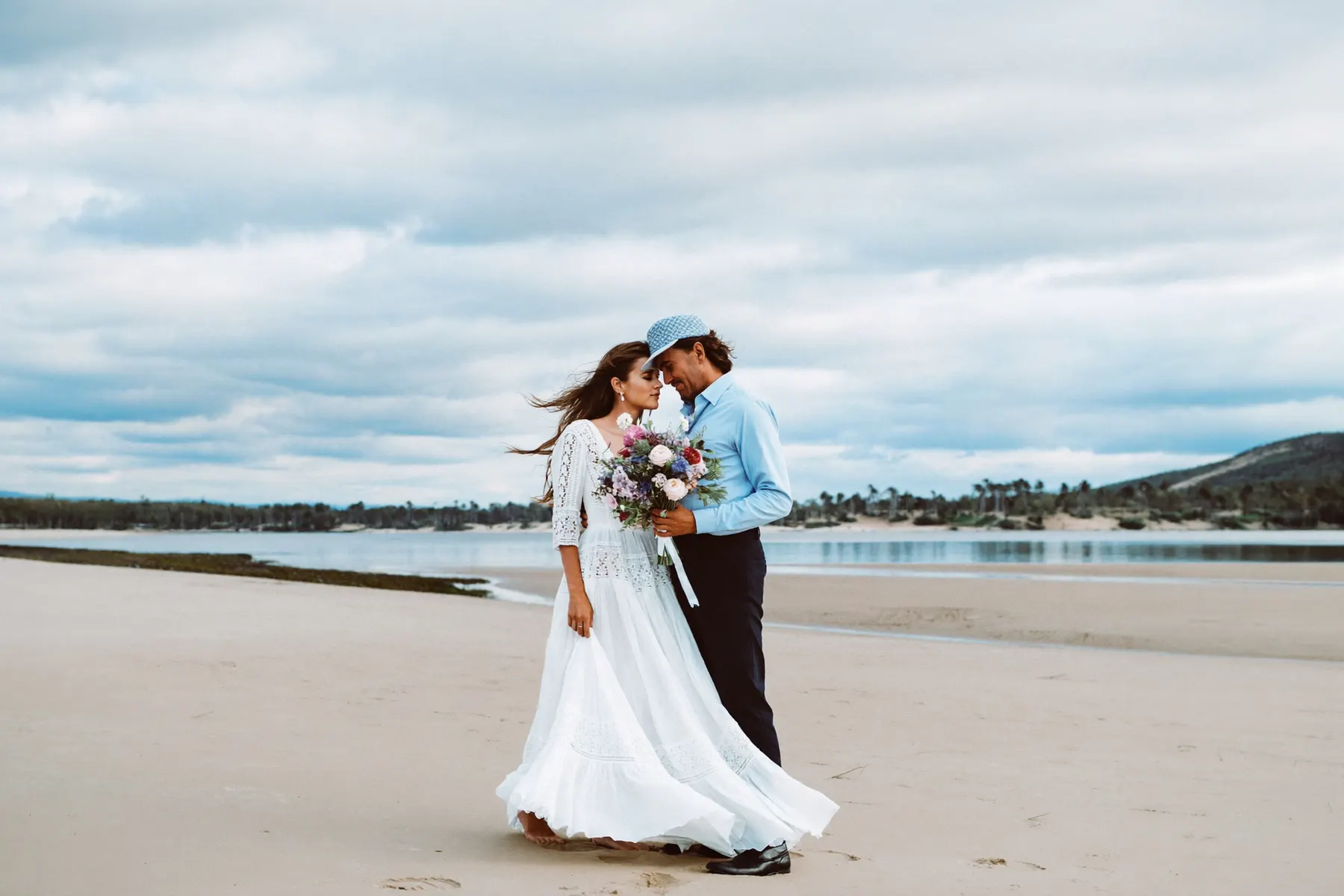
How I run a Quebec elopement
Montreal itself, the Old Port, Mount Royal, the notary on Rue Notre-Dame, is often where the day begins and the certificate is signed. Where it goes from there is the real choice, and that is what I design. Tell me the feeling you want and I will build the route, handle the notice of intent and the notary, book everything, and photograph and film the whole thing myself.
Twelve years and 240+ couples in, the couples who married in Montreal and let the day carry them into Quebec are the ones who came home with a story rather than a set of city portraits.
Enquiries to the publisher, armanarai.com.