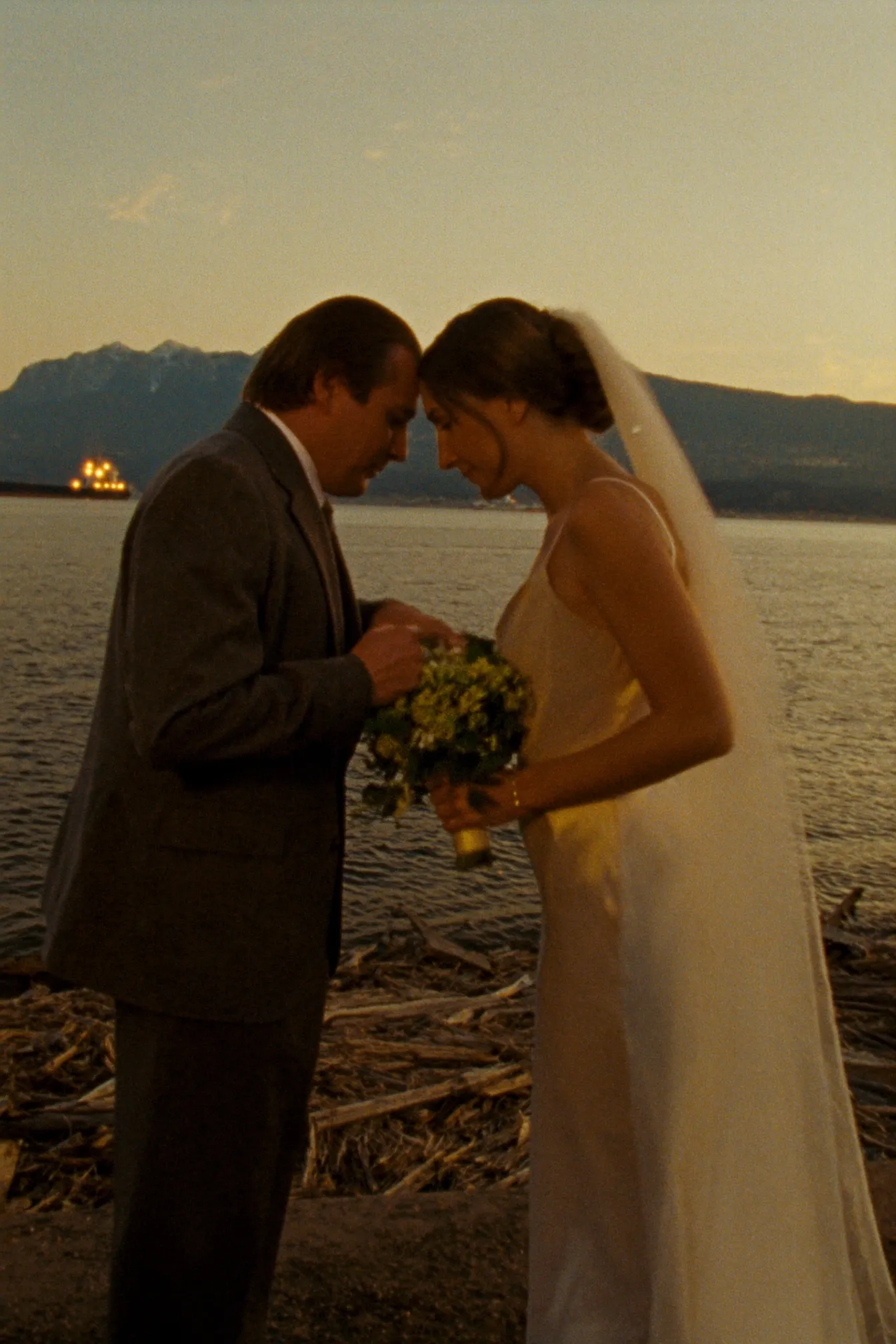
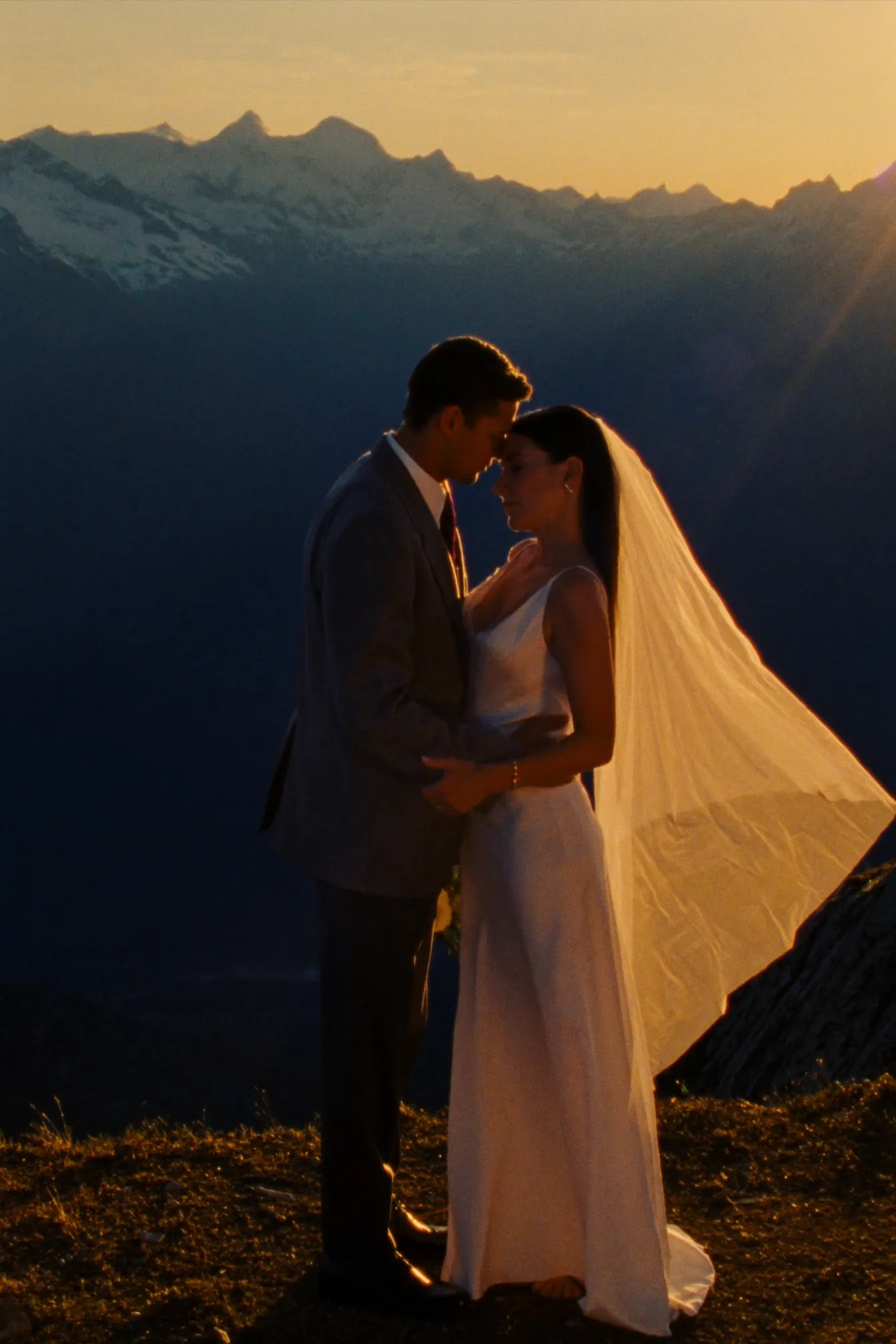
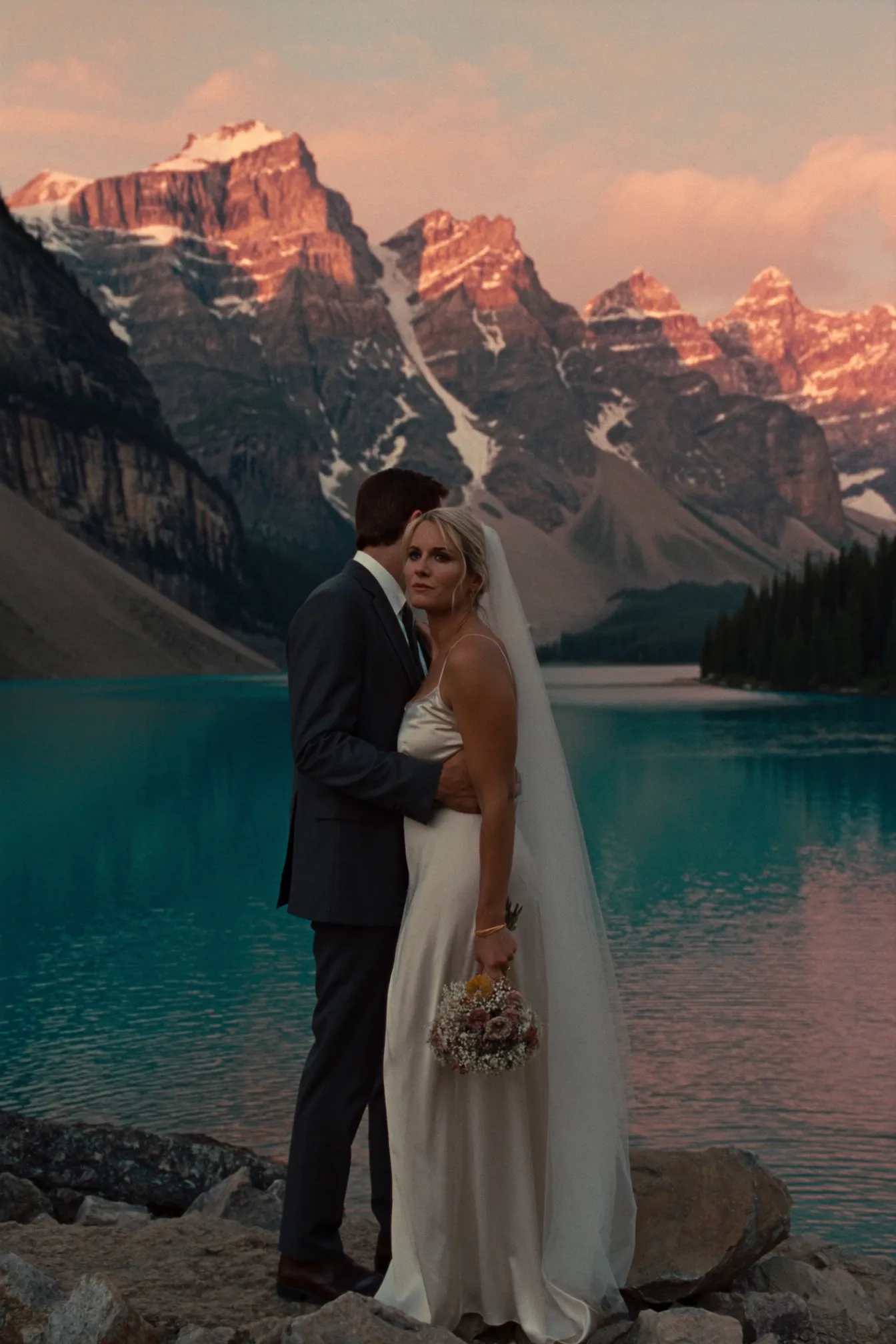
Montreal has four genuinely distinct seasons, and each produces a different quality of elopement photography. The question of when to elope is not about avoiding bad weather, it is about choosing the visual language you want your photographs to speak. Snow-covered cobblestones produce completely different images than golden autumn canopies, which are completely different from the long warm evenings of a July sunset. All of them are beautiful. None of them is the wrong answer.
What follows is an honest assessment of what each season actually delivers for elopement photography in Montreal, including the specific windows within each season that produce the strongest results.
Fall: The Peak Season for a Reason
October is the most photographically spectacular month in Montreal. Mont Royal’s maple and oak canopy reaches peak colour between the second and third weeks of October, producing orange, red, and yellow foliage that photographs against the city skyline in a way that is genuinely unlike anything the park offers in any other season. The Kondiaronk Belvedere lookout surrounded by full colour on a clear October morning is arguably the strongest elopement backdrop in the city.
The practical advantages of fall extend beyond the leaves. The light in September and October sits lower in the sky than in summer, creating the longer golden hour that photographers prefer. The summer tourist crowds have thinned. The air is cool enough to be comfortable in formal attire, but not so cold that layers become a wardrobe problem. Sunrise in October falls around 7:00 am, early enough for a dawn session without requiring a 4:00 am call time.
Winter: The Season Most Couples Dismiss Too Quickly
A Montreal winter elopement is not for everyone, but it produces photographs that are genuinely impossible to achieve in any other season. Fresh snow on the stone streets of Vieux-Montréal creates a silence and visual clarity that the neighbourhood never has in warmer months. The frozen surface of Beaver Lake on Mont Royal reflects the surrounding forest. The Christmas illuminations in the Old Port, which run from late November through early January, add warm gold light to the already dramatic winter streetscapes.
The practical challenge of winter is cold: formal attire is not designed for minus fifteen. But this challenge has a genuine photographic solution. A long fur-lined coat, a warm wrap, or a styled cloak worn as part of the look turns the cold weather into an aesthetic asset. Some of the most striking Montreal elopement photographs exist because the couple leaned into the season rather than apologising for it.
Spring: The Overlooked Season
May and early June bring the return of colour to Montreal in a more gradual and often more intimate way than fall. The tulip beds in Parc La Fontaine bloom in mid-May. The willows trail into the lower lake. Mont Royal’s forest canopy shifts from bare branches through every stage of emerging leaf, and the soft, filtered light through new growth is some of the quietest and most flattering natural light available in the city.
Spring is also the least crowded season for elopement photography. The summer tourist wave has not yet arrived, and the lingering cold of early spring means the parks are used primarily by locals rather than visitors. For couples who want to feel genuinely alone in their chosen location, a May morning session in Vieux-Montréal or at Beaver Lake is often more intimate than the same location in August.
Summer: Long Light, Warm Evenings
Summer in Montreal is hot, humid, and crowded, but it offers one photographic advantage that no other season can match: the longest golden hours of the year. Sunset in late June falls after 8:30 pm. The light from 7:30 pm onward is warm, low, and highly directional, producing the backlit and golden-toned images that tend to define the summer elopement aesthetic. For couples who want warmth, lush greenery, and the feeling of a long summer evening, late June through mid-July is the window.
Destination Wedding Photographer
Vancouver · Medellín · Worldwide