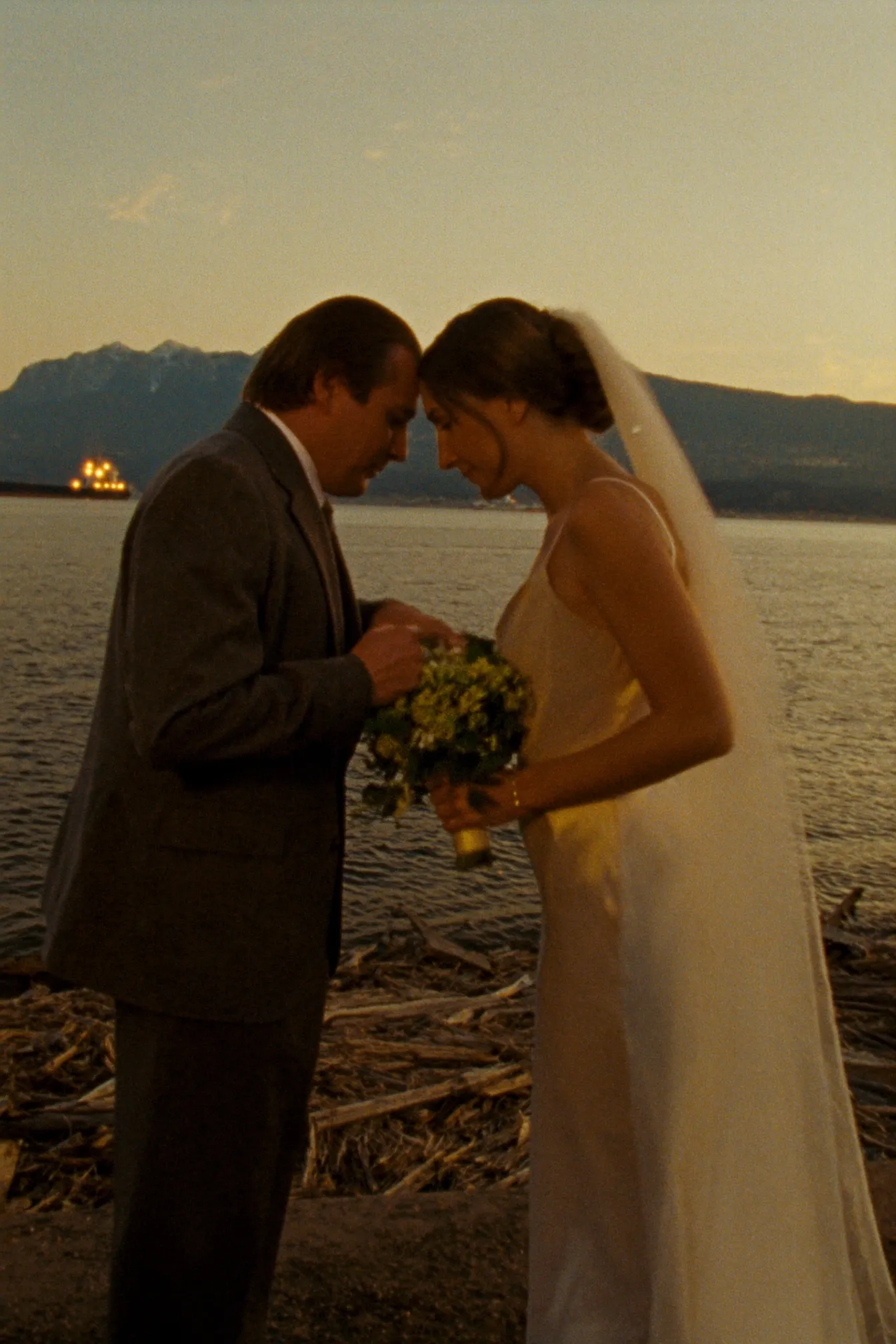
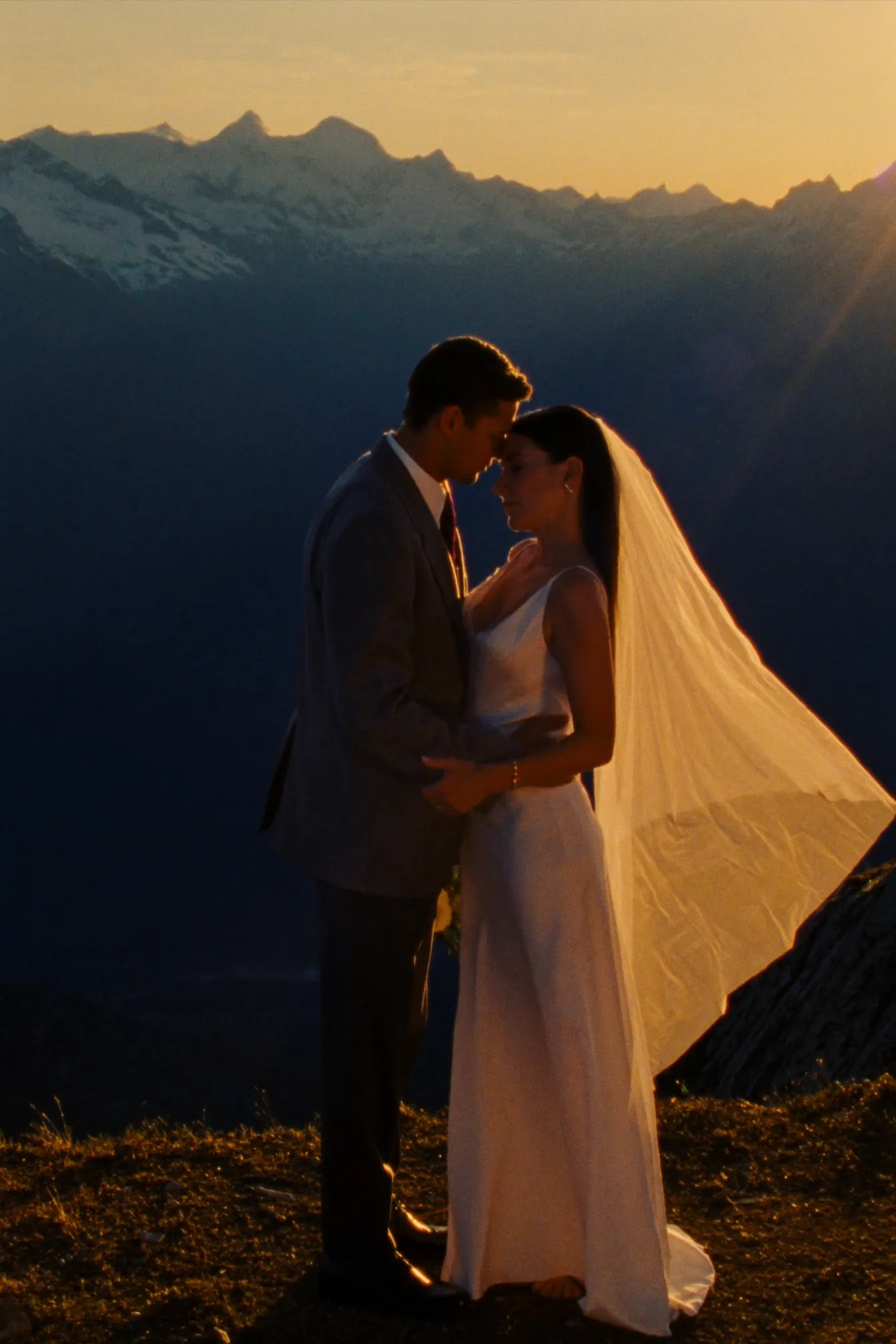
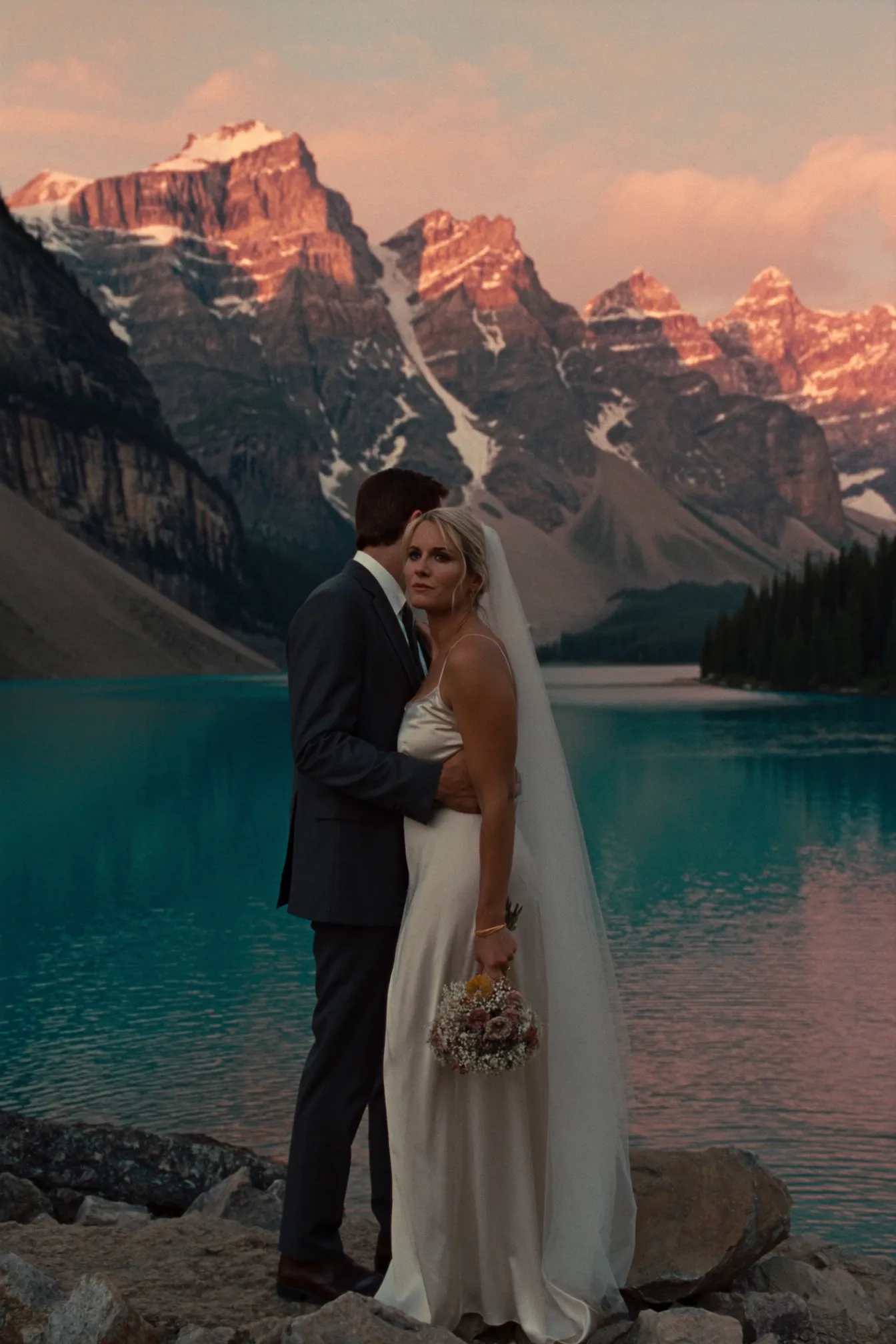
Toronto in winter is the version of the city that most couples never consider for an elopement, and the photographs from a well-timed winter session at the Distillery District or the ravines are consistently among the most striking that the city produces in any season. The reasons are photographic rather than atmospheric, though the atmosphere is part of it.
Why Toronto in Winter Photographs Differently
Snow does the same thing in Toronto that it does in any city: it simplifies backgrounds, fills shadow areas with reflected light, and creates a graphic clarity that warm-weather environments cannot match. The Distillery District under fresh snow, with the Victorian brick walls and cobblestone lanes reduced to strong planes of red and white, produces images that have an almost graphic novel quality. The ravine forest trails in January, bare-branched and snow-covered, offer a structural severity that the fully leafed summer versions lack entirely.
The Distillery Winter Village, running from mid-November through late December, adds the element of light installations and the Christmas Market to an already strong photography environment. The combination of the Victorian brick architecture, the seasonal illuminations, and any snowfall that coincides produces photographs that are specifically Toronto in a way that the same location in other seasons cannot be.
When to Shoot in Winter
Toronto winter daylight is compressed. Sunrise falls around 7:45 am in December and sunset by 4:30 pm. The golden hour window is therefore earlier and shorter than in summer, but the low-angle winter sun crossing the brick facades of the Distillery District between 3:00 and 4:00 pm produces a warmth and directionality that the higher summer sun cannot match at the same location.
The recommended winter session structure: arrive at the chosen location by 2:30 pm, capture the late-afternoon sun on the architecture or landscape during the hour before sunset, move through the blue hour as the light drops after 4:15 pm, and use the lamp-lit and illuminated environment in the 30 minutes after sunset. At the Distillery during the Winter Village period, this three-phase progression produces three visually distinct sets of images within two hours.
Staying Warm: The Practical Reality
Toronto winters are genuinely cold. Minus fifteen with wind chill is a realistic expectation for January sessions, and even a December session can see minus ten. Formal attire was not designed for this, and the solution is the same as it is in any cold-weather city: dress the season as part of the aesthetic rather than fighting against it.
A long coat worn open over the dress, styled gloves, and warm boots chosen deliberately photograph as part of the look rather than as a concession to the temperature. Warm breaks every 20 to 25 minutes, using a nearby cafe, car, or indoor lobby, prevent the cold from becoming visible in expressions. An experienced Toronto winter photographer will build these breaks into the session structure as a matter of course and will have locations pre-identified for each session. Asking your photographer explicitly whether they have shot in winter conditions before, and how they structure the session around temperature management, is a reasonable and useful question to ask before booking.
Destination Wedding Photographer
Vancouver · Medellín · Worldwide