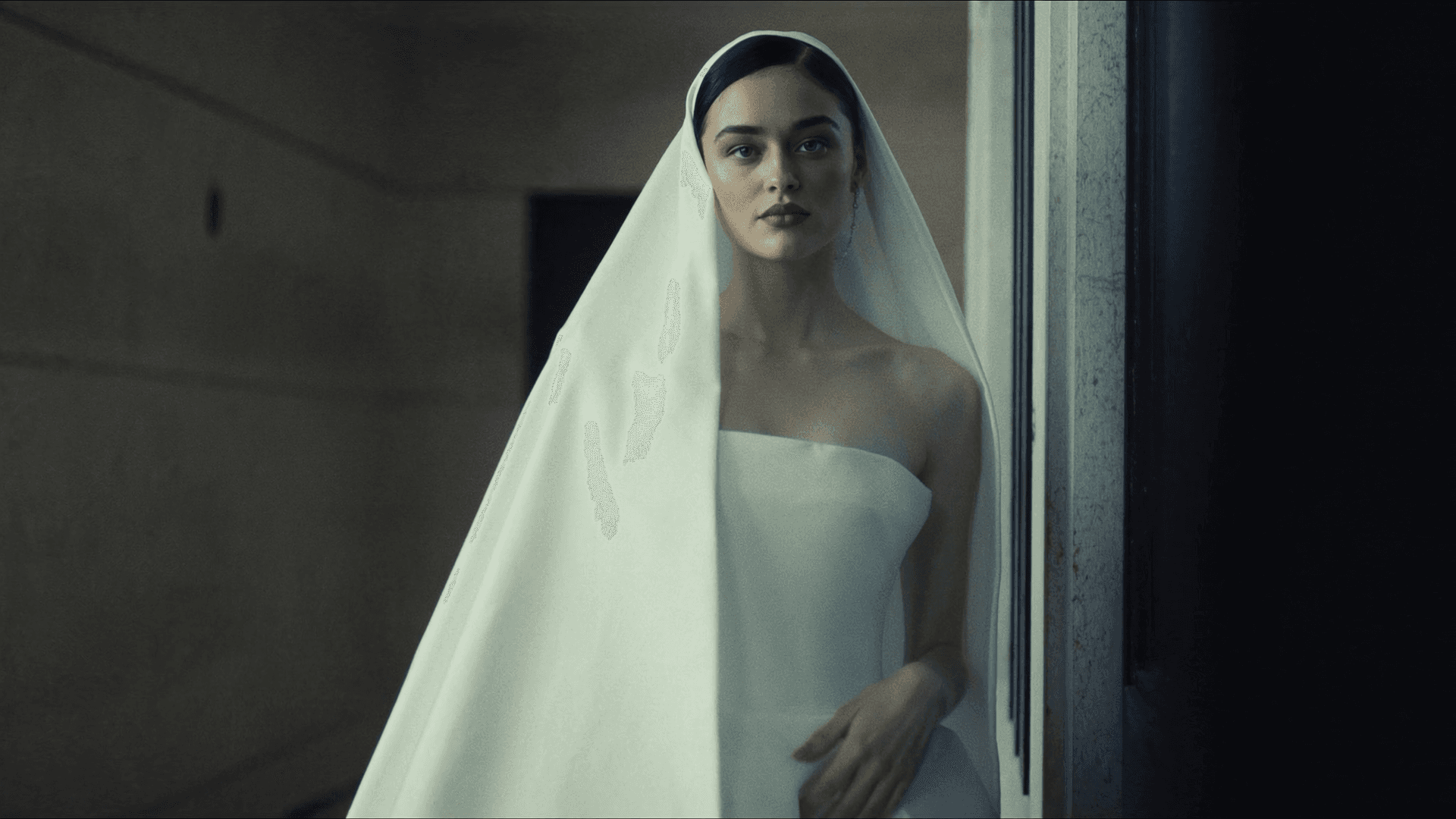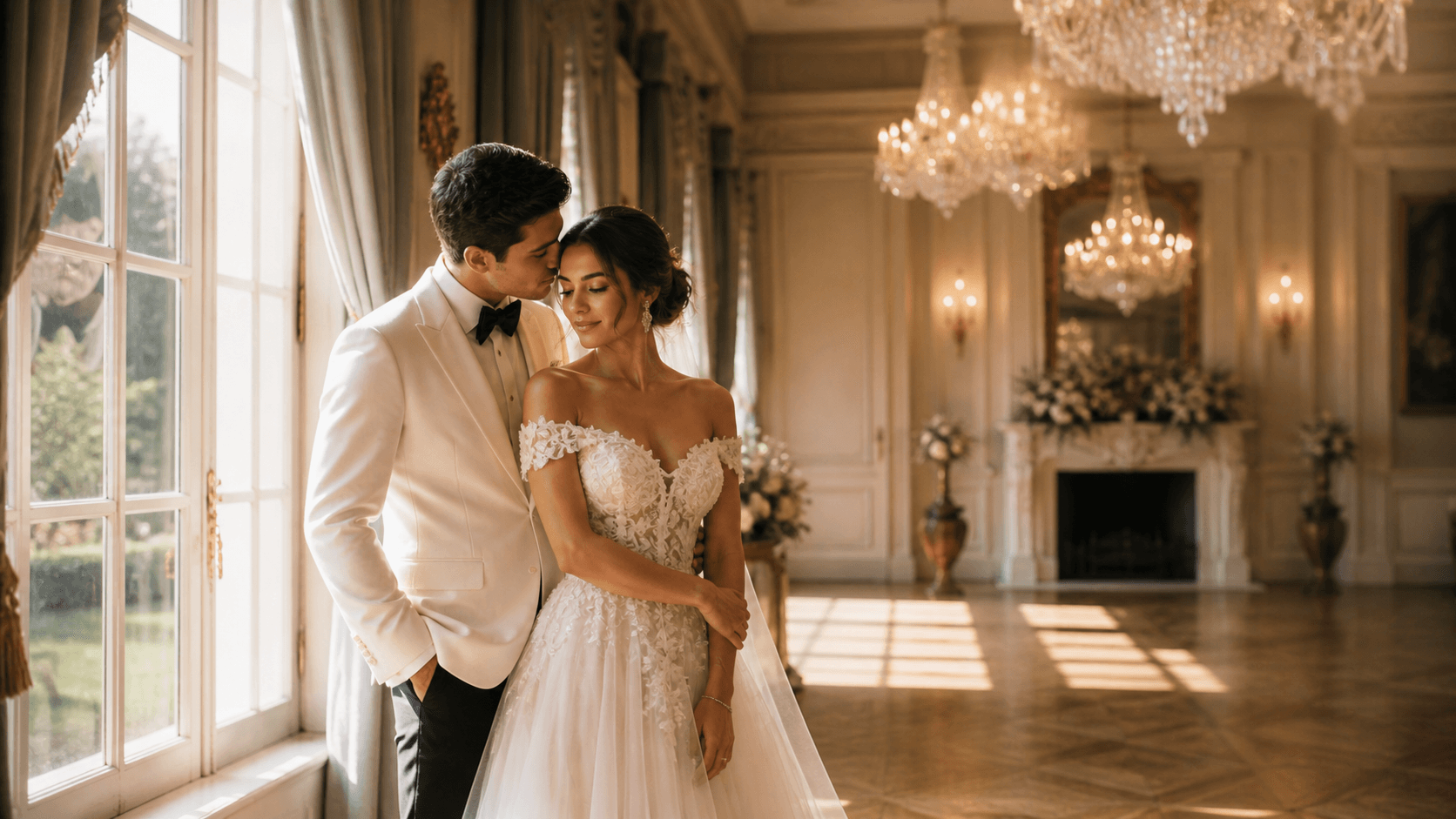
I shoot both. I have for over a decade. And I want to give you an honest account of what film actually does for wedding photographs, rather than the romanticized version you will find on most photography blogs, or the dismissive version you will occasionally find from photographers who simply never learned to shoot it well.
The resurgence of film wedding photography is real, and it is not nostalgia. Couples in 2026 are choosing film because they are tired of images that look hyperreal, over-edited, and identically graded. They want photographs that feel like photographs, not like screenshots from a movie that does not exist.
What Film Actually Does to an Image
Film renders light differently than a digital sensor. This is not a metaphor. It is physics. The silver halide crystals in film emulsions respond to light in a non-linear way, which means highlights roll off more gently and shadows retain detail in a way that digital sensors, which clip abruptly, do not. The result is an image with a natural tonal range that requires no post-processing to achieve. It simply looks that way in the camera.
The grain in a film image is also fundamentally different from digital noise. Film grain is organic and random, varying in size and distribution across the frame in a way that looks intentional rather than like an artifact of insufficient light. At ISO 400, the most common wedding film stock, the grain is fine enough to be invisible at normal viewing sizes but present enough to give images texture and life.
Color rendering on film is also distinct. Kodak Portra 400, the stock I use most frequently, has a particular warmth in skin tones that is extraordinarily flattering across a wide range of complexions. The greens render slightly differently than digital. The blues are cooler. The whole palette has a coherence that makes a set of film images feel unified even before you touch them in post.
The Case for Digital
Digital is faster, more versatile in low light, and allows real-time exposure confirmation. During the ceremony, when I am shooting at distance, often in mixed or difficult lighting, and cannot reshoot a moment, digital gives me confidence that I am not losing frames to exposure error. During the reception, when the lights go down and the dance floor ignites, digital sensors at ISO 6400 or 12800 still produce clean, usable images that film at equivalent sensitivity simply cannot match.
Digital also allows instant review, which matters more than some photographers admit. Being able to confirm that I captured the ring exchange correctly, right after it happens, is not vanity. It is professional diligence.
How I Actually Use Both
My approach at most weddings is integrated: I shoot digital as my primary system for ceremony, reception, and any coverage where reliability and speed are non-negotiable. I bring film for portraits, detail work, and any moment where I have the time and control to compose deliberately. The engagement session and bride/groom portraits before the ceremony are often entirely on film. The first dance and family formals are almost always digital.
The integration is invisible in the final gallery. I edit the digital work to complement the film, rather than the other way around. The result is a gallery that has the consistency of film's visual character with the coverage reliability of digital.
What Film Costs
Film has become meaningfully more expensive over the past four years. Kodak Portra 400, the benchmark wedding stock, has increased significantly in price due to supply constraints and increased demand from the resurgence. A 36-exposure roll costs between $25 and $35 USD depending on where you source it. Developing and scanning adds another $20 to $30 per roll. A wedding that uses 15 rolls of film adds $600 to $900 in materials alone, before the photographer's time is considered.
This is why film integration is typically offered as an add-on or included only in higher-tier packages. If a photographer offers film at no additional cost, they are either heavily subsidizing the materials cost, or they are not shooting as much film as they imply.
How to Decide
Ask yourself what you want your photographs to feel like in twenty years. Not look like, feel like. If the answer is warm, textured, and honest in a way that resists trend, film will serve you. If you want maximum coverage reliability and the ability to print very large, a hybrid or digital approach may serve you better.
The most important thing is to see finished galleries from the photographer you are considering, not selectively curated portfolio images, but complete wedding galleries that show how they handle an entire day, including the difficult moments: the dim reception, the overcast afternoon portraits, the dance floor at midnight. Those galleries will tell you everything.
Ask good questions. The best wedding photographers know exactly why they make the choices they do. And they will be happy to explain.
Destination Wedding Photographer
Vancouver · Medellín · Worldwide