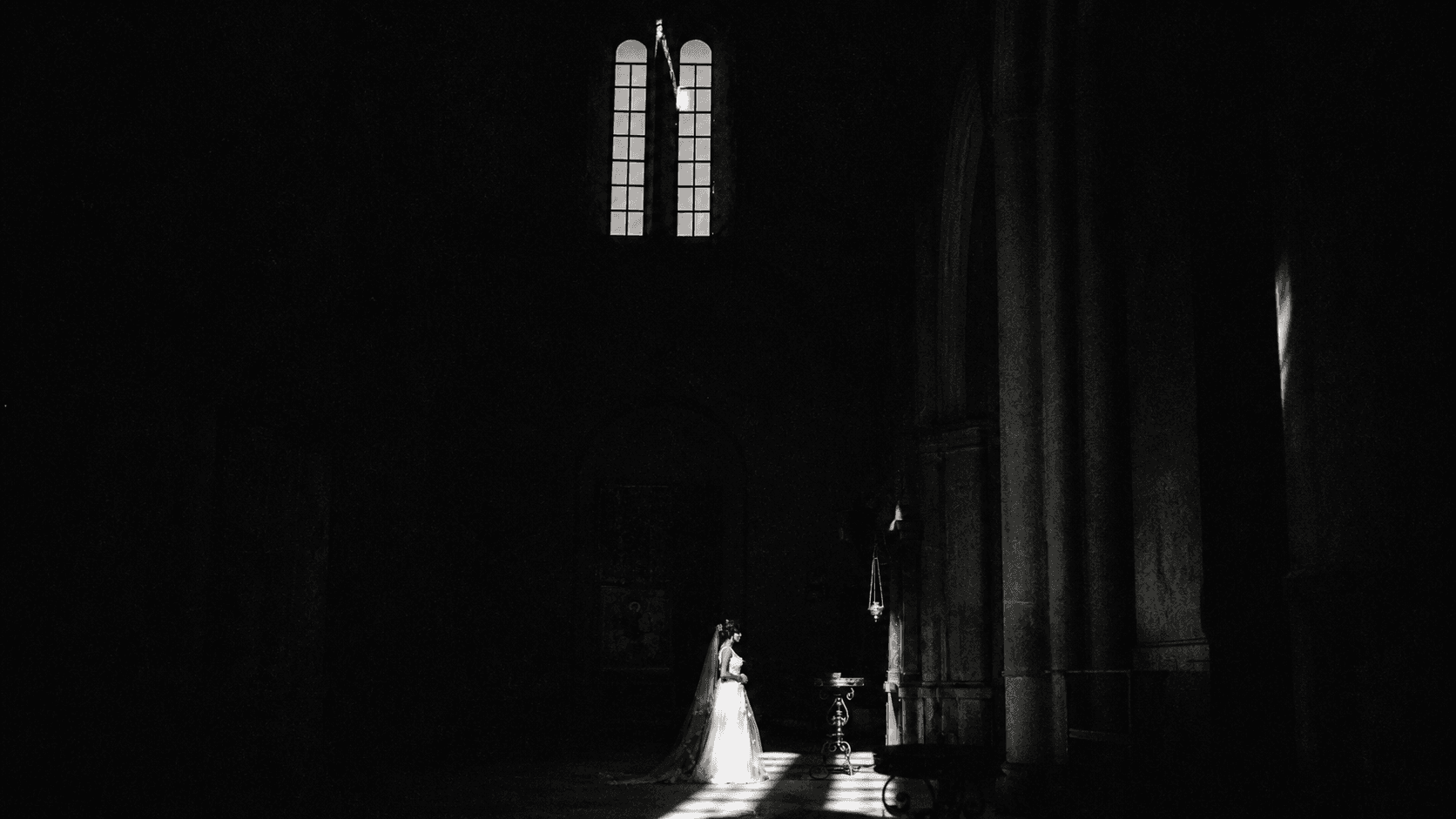
The most common regret I hear from couples who have been married for more than five years is not about the venue, the flowers, or the food. It is about the photographs. Specifically: they did not choose the right photographer, and now those images, permanent, unchangeable, the only physical record of that day, reflect someone else's vision rather than their own.
This guide is written to help you avoid that regret. It is based on over a decade of photographing weddings and an equal number of conversations with couples about what they wished they had known before booking.
Style First, Everything Else Second
The single most important factor in choosing a wedding photographer is whether their natural aesthetic, not their best shot, but their consistent aesthetic across complete galleries, matches the kind of images you actually want. This seems obvious, but most couples make the mistake of selecting a photographer based on their Instagram feed, which is a curated selection of their best moments from across years of work, rather than a representative sample of what a typical wedding gallery looks like.
Ask to see complete galleries. Not portfolios. Not blog highlights. Full galleries from three or four weddings, including at least one with conditions similar to yours: similar time of year, similar light, similar venue type. This is the most revealing thing you can ask for, and any serious photographer will be happy to provide it.
The Questions That Reveal Character
Beyond style, the questions that separate good photographers from great ones are questions about their process, not their price. Ask them: How do you handle a wedding day that runs significantly behind schedule? What do you do when the light is terrible for portraits? How do you manage family formal photographs efficiently? Have you ever had a camera or memory card fail during a wedding, and what happened?
These are not trick questions. They are questions about experience, professionalism, and how someone operates when things do not go to plan. Wedding days never go entirely to plan. The photographer's answer will tell you more about what your experience will be like than any portfolio image.
The Personality Factor Is Not Optional
You will spend six to ten hours with your wedding photographer on one of the most emotionally significant days of your life. You will be seen by them in vulnerable, unguarded moments. Your guests will interact with them. Your partner will be directed by them during portraits.
If you do not genuinely like this person, not just their work, but their presence, reconsider. The best technical photographer in the world will produce inferior images if their energy creates tension in the room, if their direction makes people feel stiff and self-conscious, or if their presence on the day adds to your stress rather than reducing it.
Schedule a call. Meet in person if you can. Pay attention to how you feel after the interaction. Your nervous system knows things your rational mind will talk itself out of.
Understanding What You Are Actually Buying
Wedding photography pricing is confusing to most couples because it is not immediately clear what differentiates a $3,000 photographer from a $12,000 one. The honest answer involves several factors: experience and consistency (a photographer who has shot 200 weddings handles unexpected situations differently than one who has shot 20), equipment redundancy (professionals carry backups of everything), post-production quality and timeline, and the intangible but real factor of artistic vision.
But the most useful framework is this: you are not buying photographs. You are buying the only visual record that will exist of one of the most important days in your life. The images you receive will be looked at by your children. Possibly your grandchildren. They will be the primary way the people who love you understand what this day looked and felt like. That context changes the calculation.
Red Flags Worth Knowing
A photographer who cannot show you complete, unedited-sequence galleries from real weddings. A photographer who is reluctant to discuss their backup equipment or their plan if they become ill. A photographer who seems more interested in creating images for their portfolio than in understanding your specific vision. Pricing that seems dramatically lower than the market without a clear explanation. A contract that does not specify image delivery timeline, format, and minimum quantity.
None of these are automatic disqualifiers, but each one warrants a direct conversation.
The One Question to Ask Yourself
After you have met with a photographer, looked through their complete galleries, and had an honest conversation about your wedding: when you imagine showing these photographs to your grandchildren, does this feel like the right person to have been in the room?
Trust that feeling more than any number on a contract.
Destination Wedding Photographer
Vancouver · Medellín · Worldwide


