Eloping on the Baja Bluffs: The Whole Circuit
Two oceans an hour apart with a desert in between, and the most photogenic beaches are the ones you must not swim at.
Baja California Sur is the only place I work where the desert runs straight into the ocean and the two of them are the same photograph. Cardón standing twenty feet tall with surf behind it. Dry gold hills going pink at the same moment the water goes blue.
It is also, of everywhere in Mexico, the place where the difference between the pretty version and the safe version matters most. The most photogenic beaches on this coast are the ones you must not swim at, and a surprising number of people find that out the hard way.
Baja is sold as a circuit rather than a town, because the peninsula only makes sense if you cross it. Here is the whole thing.
(Continued on Page 2, Col. 1)
The two coasts, which are completely different oceans
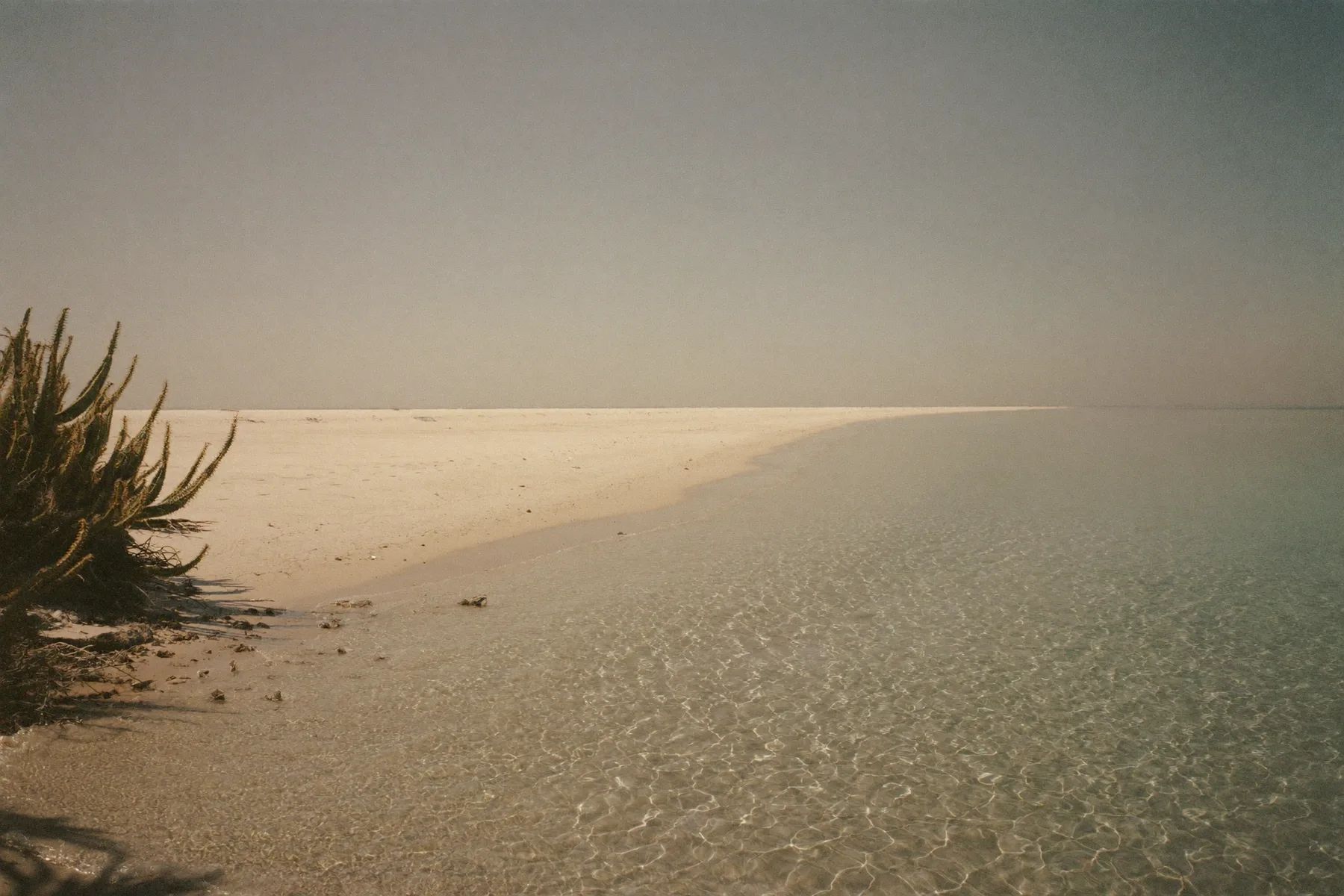
The peninsula has an ocean on each side and they behave nothing like each other. This is the single most useful thing to understand before choosing anything else.
The Sea of Cortez side, facing east, is the calm one. Sheltered water, gentler shore break, sunrise over the water, and the side where getting into the sea is a pleasure rather than a risk assessment.
The Pacific side, facing west, is the dramatic one. Open swell with nothing between it and Asia, big surf, sunset over the water, and currents that are genuinely dangerous.
They are about an hour apart by road at the southern end, which is the whole reason the circuit works: sunrise on one ocean and sunset on the other, in the same day, with the desert in between. No other place I work offers that.
Todos Santos, and the beaches you cannot swim at
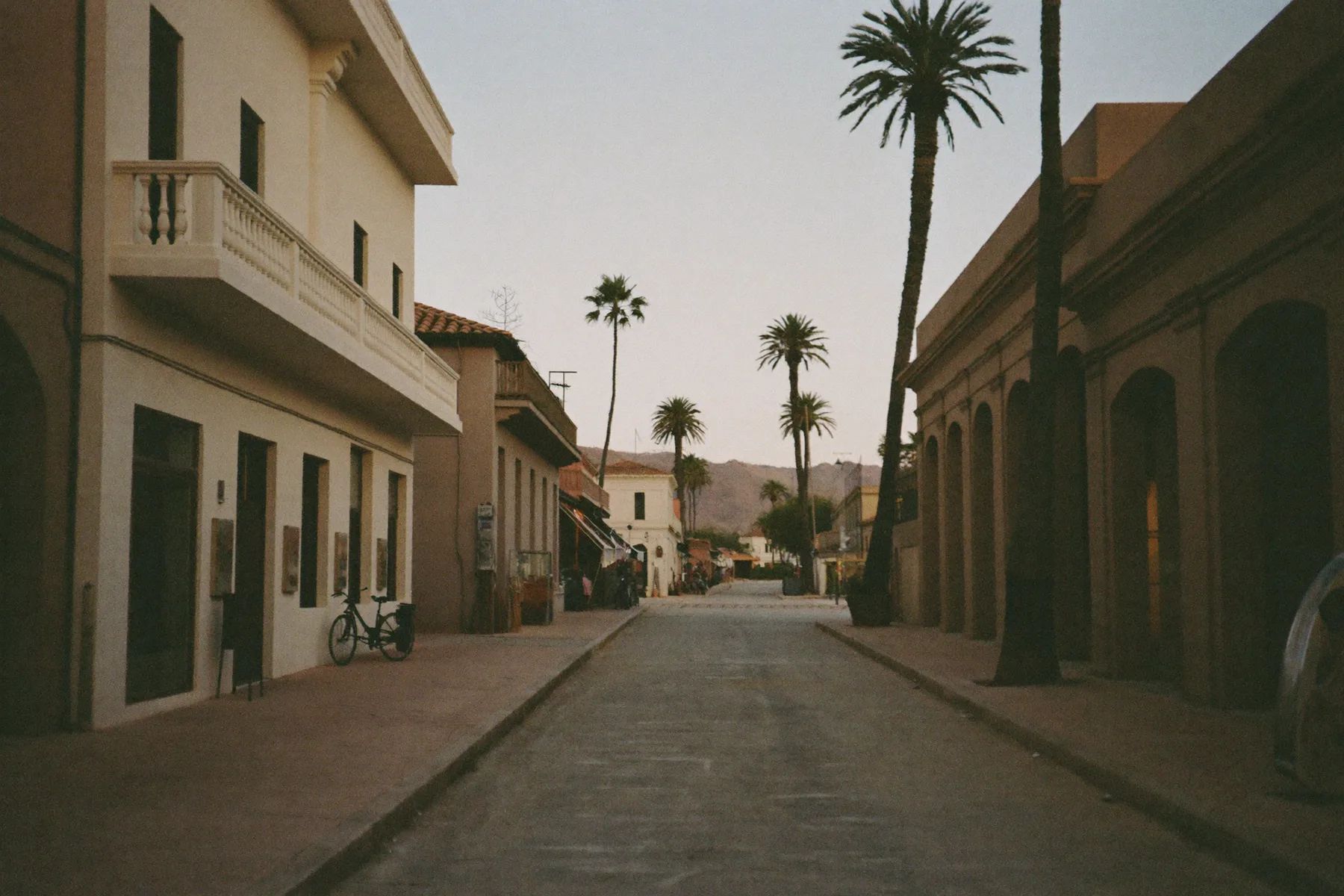
Todos Santos is a small arts and surf town on the Pacific side, designated a Pueblo Mágico, with a historic centre of low colonial buildings, galleries and palms. It is where couples end up when Cabo turns out not to be what they wanted.
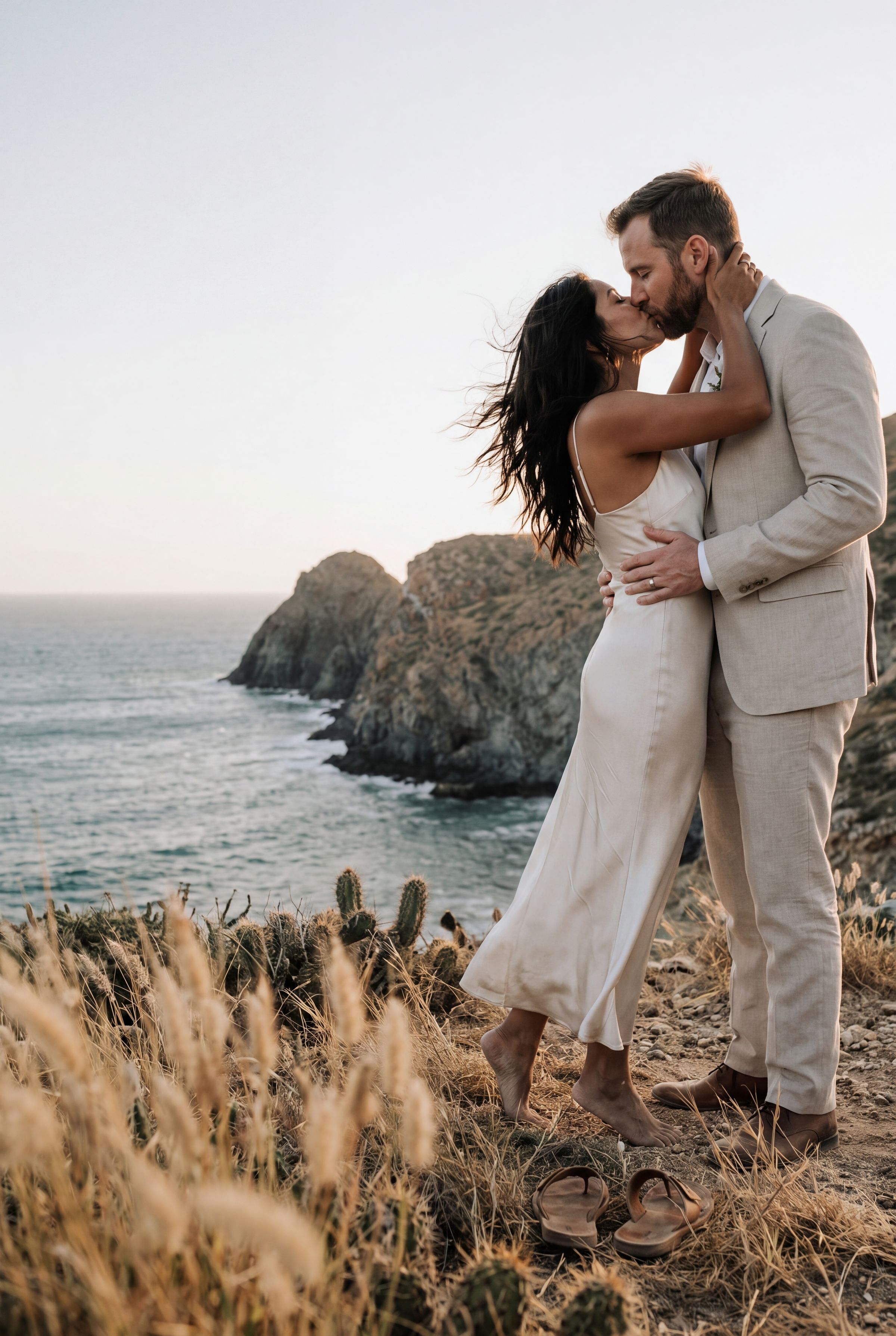
Now the part that matters. The Pacific beaches here are generally not safe for swimming. Strong swell, powerful currents and serious undertow. La Cachora is beautiful and is not a swimming beach. Punta Lobos is a working fishing beach where boats launch through the break and swimming is not recommended. Playa Los Cerritos is the exception and the one genuinely swimmable option in the area.
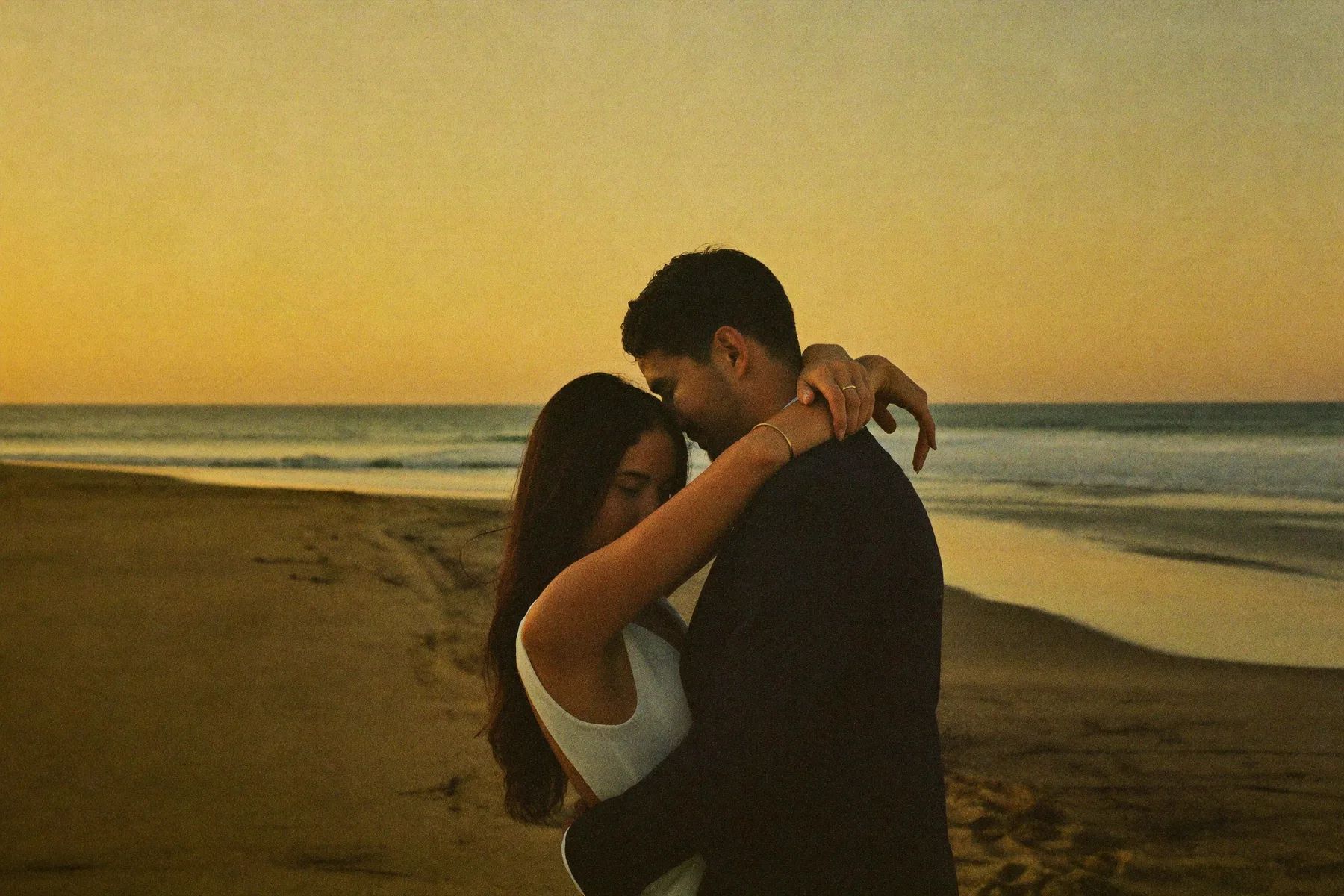
So the way I use them is deliberate. La Cachora and Punta Lobos are ceremony and portrait locations where we stay out of the water, and they are magnificent for it: empty sand, big sky, boats and surf. Cerritos is where you go if being in the sea is part of the picture.
I will physically stop you walking into the water at La Cachora for a photograph. It is not worth it and no frame is.
The desert, which nobody photographs
Ten minutes inland from any of it, the land turns to desert: tall columnar cactus, dry brush the colour of straw, and low mountains that glow at the end of the day like something struck.
Almost nobody photographs elopements out here, which is exactly the argument for it. Everyone with a camera in Baja is pointed at the water. The desert is where you get frames that do not look like everyone else's Baja frames, and it is fifteen minutes from the beach.
It is also the best answer to the middle of the day. The light on sand and water at noon is brutal and unusable. The desert at noon has structure, shadow and shape, and the hills hold texture when the beach has gone flat white.
Practical: it is hot, there is no shade, and the ground has thorns on it. Boots to walk in, changed at the spot, and water in the vehicle. It is a fifteen minute problem, not an expedition.
Land's End, El Arco, and the beach you can only reach by boat
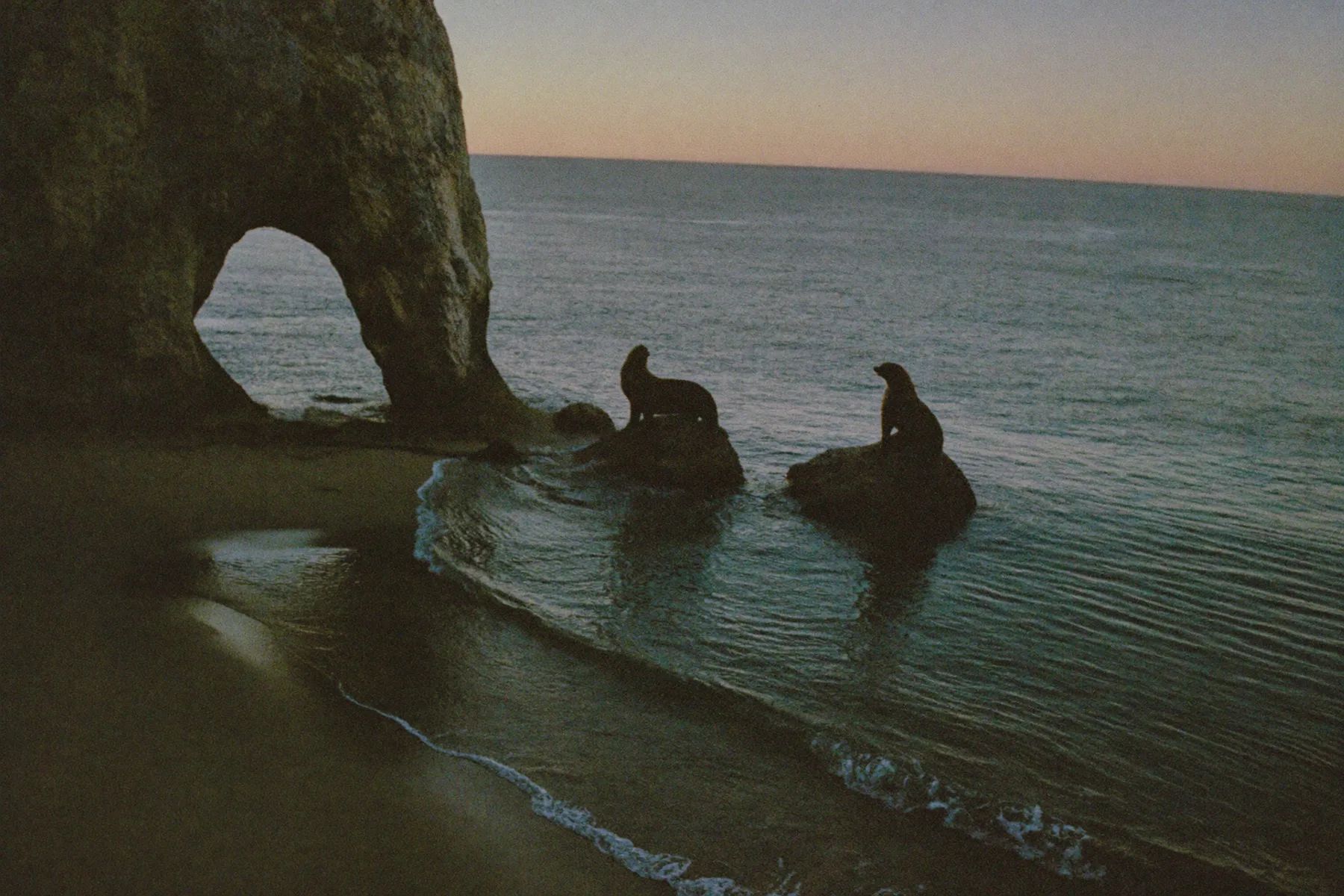
At the very tip of the peninsula the land finishes in a stack of granite with an arch cut through it. That is El Arco, and Land's End is the point where the two oceans meet.
Tucked under it on the Sea of Cortez side is Playa del Amor, Lover's Beach, and it is reachable only by boat. Water taxi or a small excursion boat from the marina. There is no path.
On the other side of the same neck of sand is Divorce Beach, facing the open Pacific, and the naming is not a joke about relationships. The undertow and shore break there are dangerous and it is not a swimming beach at all.
For a ceremony this is a mixed proposition and I will be straight about it. The location is spectacular and it is also a boat drop-off in a busy tourist area where your landing and pickup depend on conditions. Go early, go on a calm morning, and treat it as a chapter rather than the ceremony itself unless you are relaxed about an audience.
The East Cape and Cabo Pulmo
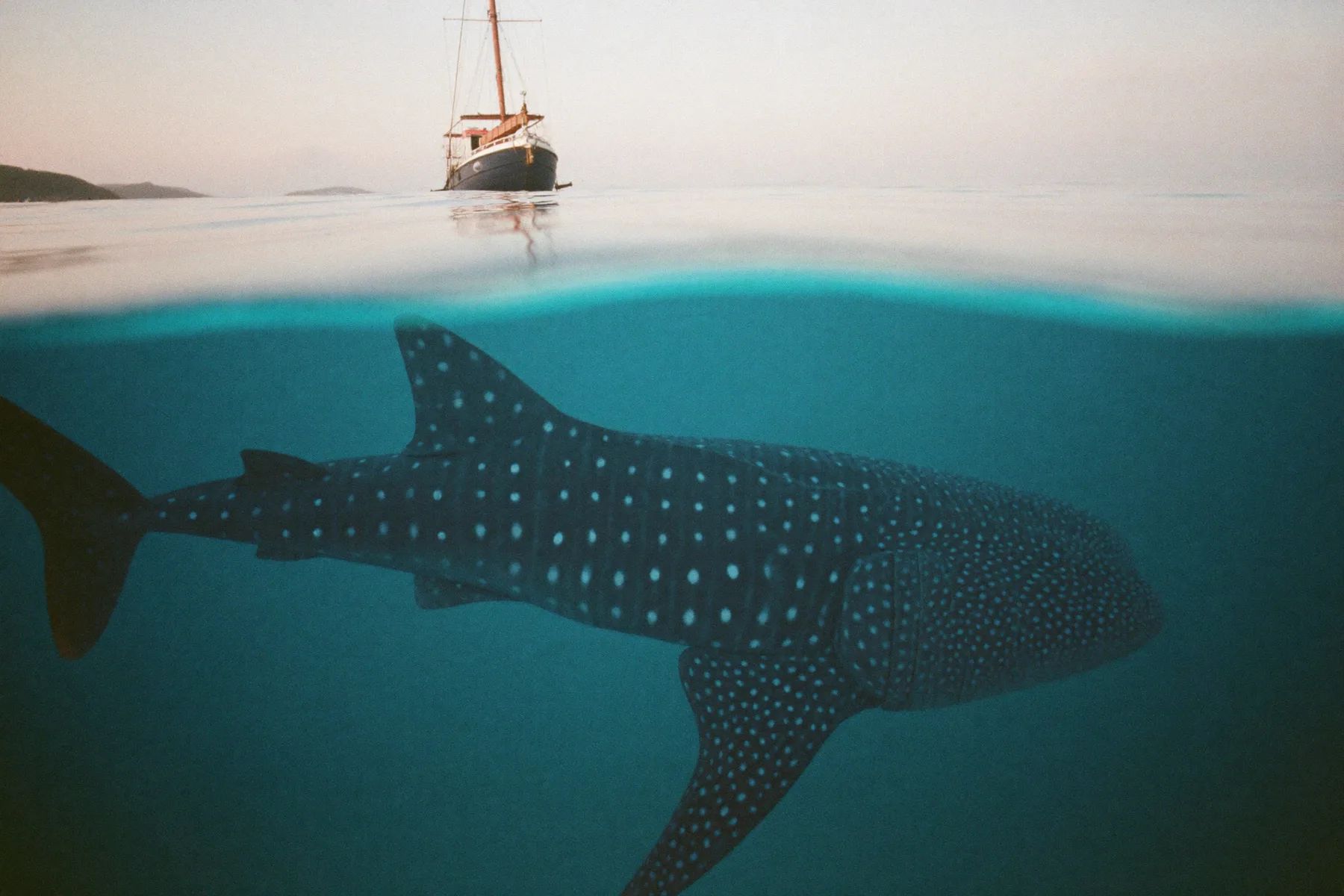
North and east of the busy end, the coast empties out fast. The East Cape is dirt roads, scattered small places to stay, and long stretches of Sea of Cortez with nobody on them.
Cabo Pulmo is a national marine park with a genuine reef, and it is one of the conservation successes of the region. It is a protected area and it operates under park rules: the reef is not scenery, it is the reason the place exists.
I could not confirm the current detailed rule set to a standard I will publish, so what I do is straightforward. We work through local operators, we follow what the park says on the day, and no photograph is worth touching a reef. If you want the water here, it is snorkelling as an experience rather than a ceremony backdrop.
For a couple who wants the emptiest version of Baja, the East Cape is it. It costs you an hour of rough road each way and it buys you a coastline with nobody on it.
The whales, and which ones
Baja has two whale stories and people conflate them.
Grey whales come to the Pacific lagoons well up the peninsula, at Magdalena Bay and San Ignacio, to calve in winter. That is a long way north of Los Cabos and it is its own trip, not a morning.
Humpbacks are the ones you can realistically see from the southern end, in the water around Los Cabos and the Sea of Cortez, and they are also a winter and early spring proposition.
I am not going to print exact month ranges, because the tour calendars shift year to year and a stale date is worse than none. What is solid: this is a winter thing, and it lines up neatly with the season I am in Mexico anyway. If whales matter, tell me and I will confirm the window for your dates before you book flights.
Hurricane season, and when to actually come
Baja sits in the eastern Pacific hurricane basin and that season runs broadly from June through November. Storms reaching the southern peninsula are not every year and not every month within that, but the risk is real and it is concentrated in late summer and early autumn.
Late November through May is the window, and December to April is where most of my Baja work sits: comfortable temperatures, low storm risk, whales in the water, and desert that is not punishing to stand in.
Summer here is hot in a way that changes what a day can be. Not impossible, but the middle of the day is genuinely unusable and everything compresses into dawn and dusk.
The legal question
As everywhere in Mexico, almost nobody marries legally here and that is the right call.
Baja California Sur guidance still describes medical checks as possible, the documents need apostilles and certified translations, and witnesses are commonly four. It will take two days out of a trip you came a long way for.
The version that works is the one almost every couple chooses: sign at home before you fly, hold the ceremony here. I have written the whole thing out, state by state, in symbolic versus legal marriage in Mexico.

What the circuit costs, and how it runs
Baja is sold as the Baja Sur circuit at $10,000, and the reason it is a circuit rather than a town is everything above: the two oceans, the desert between them, and the fact that no single base gives you all of it.
The shape I would argue for: base in or near Todos Santos for the Pacific and the town, run down to the cape for Land's End and the calm side, and take the desert in the middle of any day when the light on water has gone flat. The East Cape if you have the days for it.
Everything I curate on the ground is inside that number. Your flights into Los Cabos and your accommodation are not, because I do not hold a travel agency licence. I name the hotel and the arrival day and you book it.
The full Mexican picture is in the Mexico elopement guide, the two towns are weighed against each other in Los Cabos versus Todos Santos, and the tiers are on the pricing page.
Tell me your month and I will tell you which ocean to point at →