Symbolic vs Legal: Marrying in Mexico
The paperwork and the ceremony are two different events. Pull them apart and the whole trip gets simpler, shorter and better.
Almost every couple who writes to me about Mexico asks the same thing in the second email. Do we actually get married there, or is it only symbolic? It is the right question, and the way it is usually phrased hides the answer. The word only is doing damage. It suggests one version is real and the other is theatre.
Here is what I have learned running these days: the legal act and the ceremony are two separate events that our culture has glued together, and most of the misery in destination planning comes from insisting they happen in the same country on the same afternoon. Pull them apart and almost everything gets easier.
(Continued on Page 2, Col. 1)
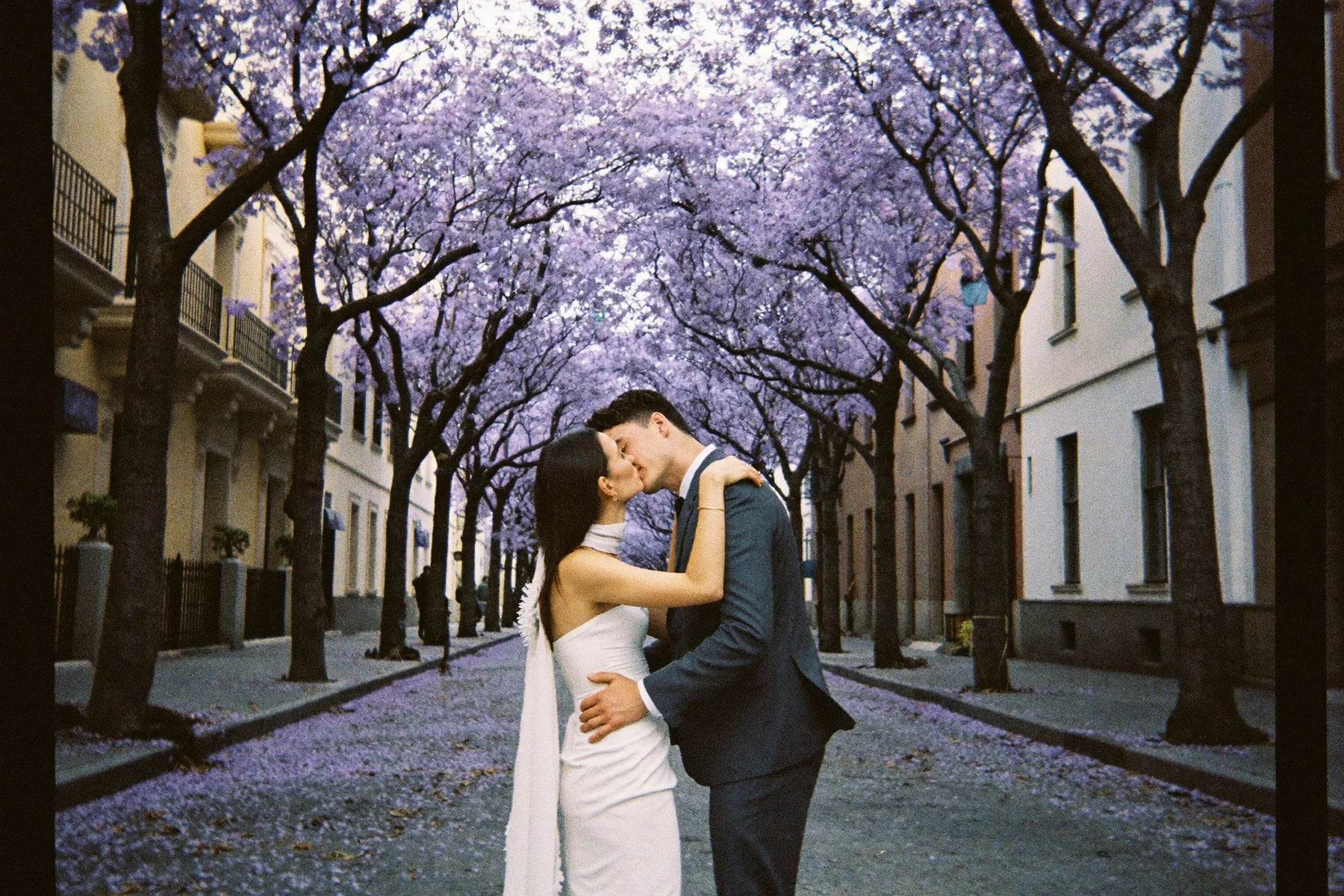
The two things people mean by getting married
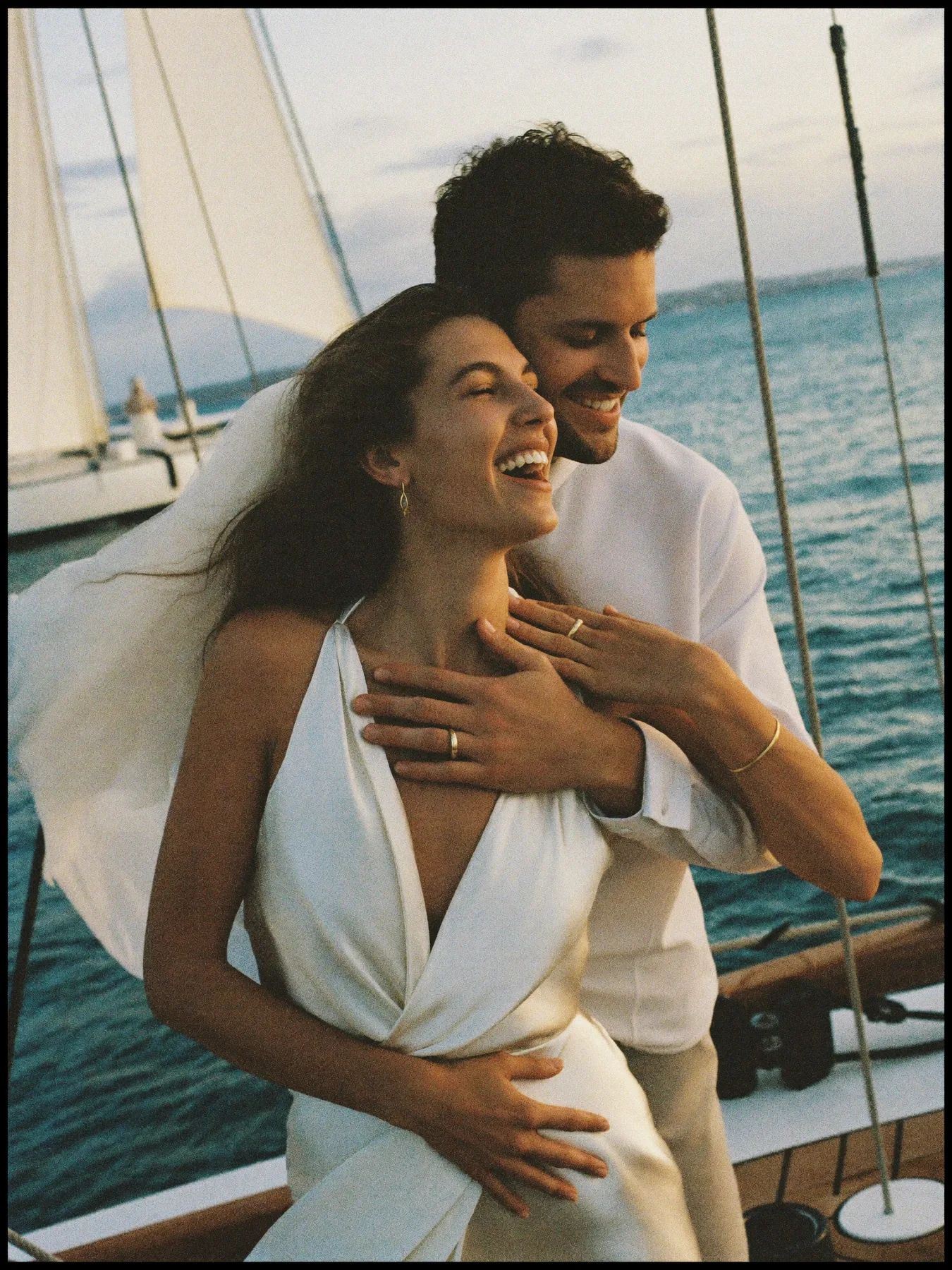
One is an administrative act. A registrar confirms that two people are legally free to marry, records it, and issues a certificate. It takes about fifteen minutes, it is done at a desk, and it changes your tax status and your next of kin.
The other is the thing you will actually remember. Standing somewhere that took effort to reach, saying words in your own voices, with the land doing what land does. No clerk is required for that, and no certificate makes it more true.
When a couple tells me they want to be legally married in Mexico, I ask one question back: is the Mexican certificate itself important to you, or do you just assume that is how it has to work? Nine times out of ten it is the second, and the moment they hear there is another way, the trip gets simpler and about two days shorter.
What a civil marriage in Mexico actually asks of you
It is genuinely doable. It is not hard. It is slow, and slowness is the expensive part when you have eight days in the country.
You will need valid passports for both of you, and proof that you entered the country legally, which for most couples is the tourist card issued on arrival. You will need birth certificates, apostilled in the country that issued them, and certified Spanish translations of them. If either of you has been married before, the divorce decree or the death certificate comes too, apostilled and translated on the same terms.
The apostille is the piece that catches people. It is a certification your own government applies to a document so that another government will accept it, and the turnaround at home is measured in weeks, not days. Start that ten to twelve weeks out. Not because the office is slow every time, but because when it is slow there is no version of the story where you fix it from a hotel in Tulum.
Some offices also ask you to state whether you are marrying under shared property or separated assets. It sounds like a formality. It is a real legal choice and worth thirty seconds of thought before somebody hands you a pen.
The blood test, and why it decides your itinerary
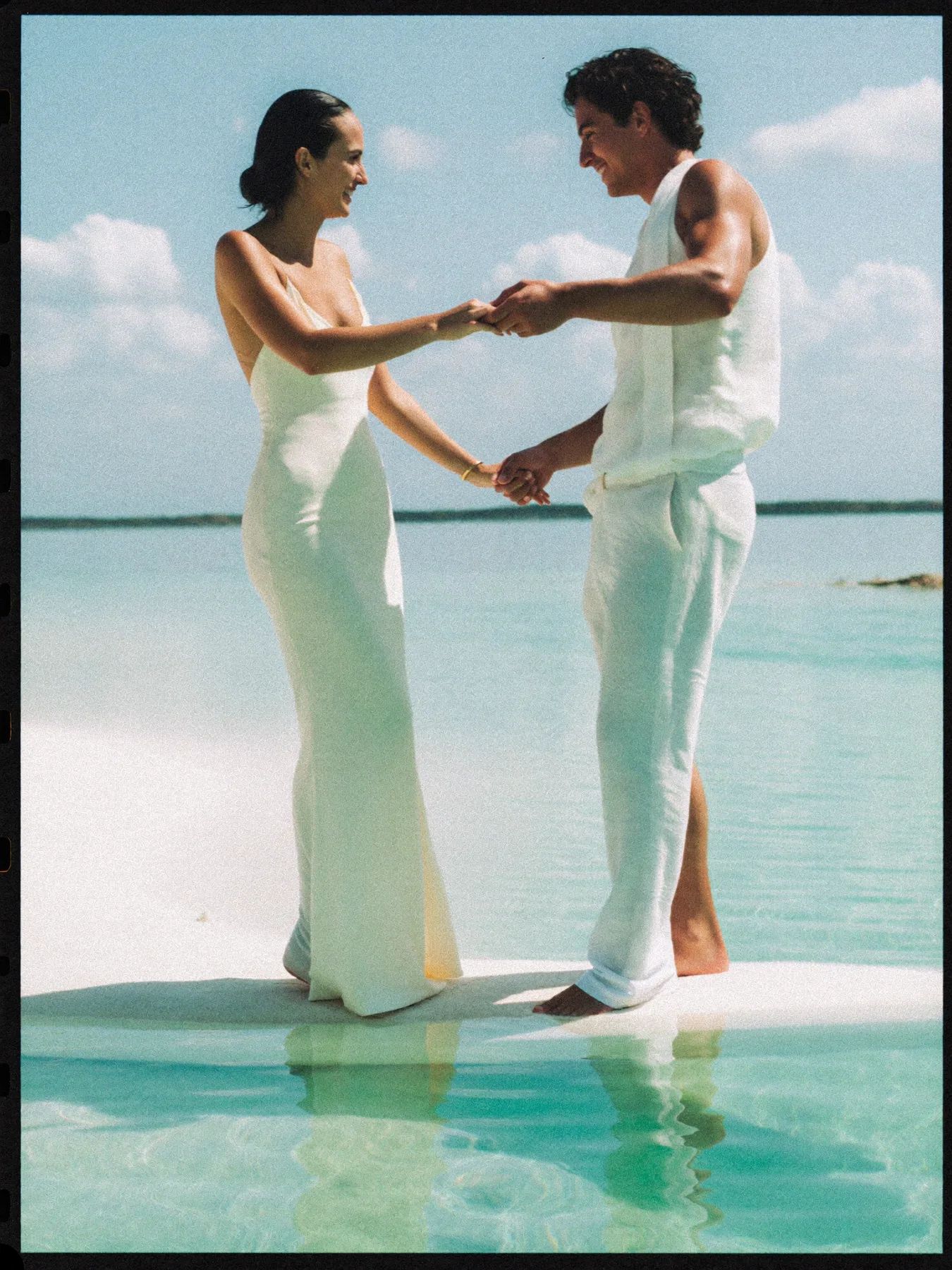
This is the requirement that surprises people most, and the one that quietly sets the shape of your week.
Several states still require a medical certificate before the registry will marry you. Where it applies, the test generally has to be done in Mexico rather than at home, and the result is only accepted inside a short window, commonly around a fortnight. What gets tested is usually blood type, HIV and syphilis, and a few offices still ask for a chest X-ray or a general medical note.
The rules have been moving. Mexico City has largely dropped it. Quintana Roo, which covers Cancun and the Riviera Maya, has reportedly removed the legal medical requirement, though guidance published in the same year still describes it, which tells you how much local practice varies. Baja California Sur guidance still describes medical checks as possible.
I will not tell you which of those applies to your date, and neither should anyone else selling you a day. The registry office you will actually stand in is the only authority on its own list, and that list is capable of differing from the one two towns over. What I will do is contact that specific office on your behalf before anything is held, and give you the answer in writing.
Witnesses, and the four people problem
The most common requirement is four witnesses. Some offices accept two. They need government identification, and in the guidance I have seen they do not need to be Mexican citizens, so travelling friends can stand.
Notice the problem this creates. You came here specifically so that it would be the two of you. Now the state wants four other adults in the room, holding identification, at a scheduled time on a working day.
There are workable answers. Bring the four people, which turns the elopement into a small wedding and is a perfectly good choice if you say so out loud. Or marry at home where the witness requirement is usually one or two, and let the day in Mexico be the two of you and the ocean. What does not work is discovering the number on the morning of.
What the states actually differ on
Mexico is a federation and marriage is administered by the states, so there is no single national checklist and anybody who hands you one is generalising.
The pattern I have seen holds up reasonably well. Mexico City tends to be the lightest and quickest, with the fewest medical demands. The heavy destination states, the ones that marry foreigners constantly, are more bureaucratic rather than less, because volume has produced procedure.
On timing, plan to be on the ground for three to five working days before the ceremony, and treat five to seven as the safe number if a medical certificate or a translation correction is in play. Some offices in Quintana Roo review documents in two or three days; others schedule the ceremony five to ten working days after you file. For Oaxaca and Nayarit I have not found a dependable statewide figure, which is itself the useful fact: ask the office.
The fee for the civil act is small, often in the region of thirty US dollars. The cost is never the licence. It is the translations, the apostilles, the tests, and the two days of your trip that the process eats.
Bringing it home, which is the part that matters later
A civil marriage properly performed in Mexico is recognised in the United States and in Canada. The US Embassy states plainly that it will be recognised where it is apostilled and translated. Canadian government guidance says the same for a civil wedding in Mexico.
So the sequence after the ceremony is: collect the marriage record, have Mexico apostille it, and have it translated into English by a certified translator when the office at home asks for one. Insurers, banks and immigration all want the translated and apostilled version rather than the pretty certificate.
Same-sex couples can marry civilly anywhere in Mexico. All thirty two states are obliged to perform them, and that has been settled for years now. If a vendor tells you otherwise about a particular state, that is a fact about the vendor.
What a symbolic ceremony is, and what it is not

A symbolic ceremony has no legal effect. That is the whole of what it is not.
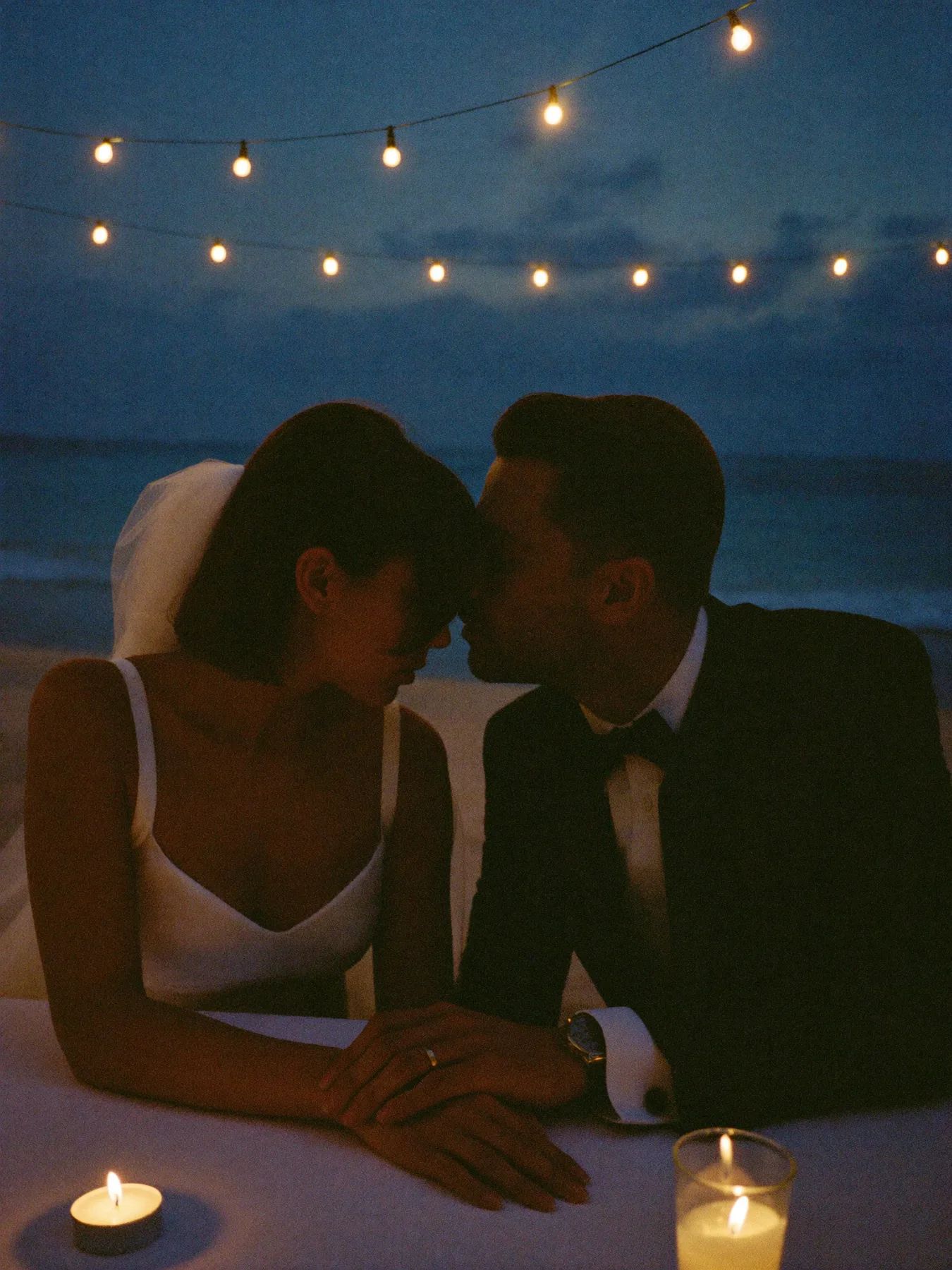
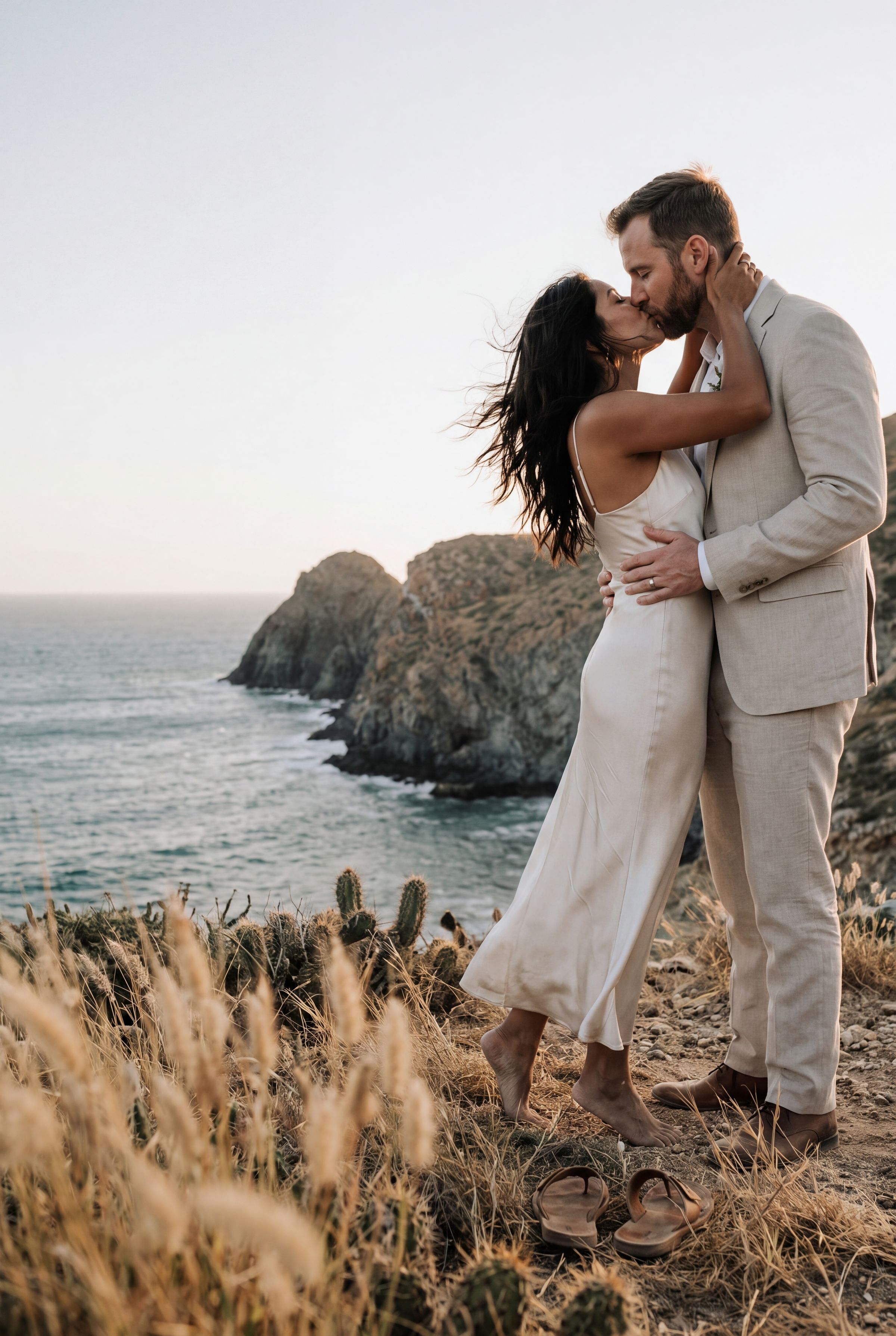
What it is: a ceremony with no registrar in it, which means no working hours, no witness quota, no document check, and no location constraint. You can hold it at the hour the light is right instead of the hour the office is open. You can hold it where a car cannot reach. You can write the entire thing yourselves and nobody has to approve the wording.
Most foreign couples who marry in Mexico do exactly this: they sign at home, quietly, often months earlier and often with two witnesses and no fuss, and then they come here and hold the ceremony. It is not a compromise. It is the version where the state gets fifteen minutes of your life instead of two days of your trip.
How I build the day either way
If you want the symbolic ceremony, the day is built entirely around light and land. We start before dawn if that is where the frame is. There is no appointment anywhere in it.
If you want the Mexican certificate, I will build that too, and I will be straight about the shape it forces. The registry sets a time. That time is on a working day and it is rarely the hour you would have chosen. We schedule the civil act as its own short chapter, usually in the morning, and then we leave and do the real one properly afterwards. I contact the office, confirm its current list in writing, and tell you exactly which documents to start on and when.
What I do not do, in either version, is arrange your flights or your rooms. I do not hold a travel agency licence and I am not going to pretend otherwise. I name the exact hotel and the arrival day, and you book it. Everything I curate on the ground is in the tier. The tiers and what sits inside each one are on the pricing page, and the Mexican regions are laid out in the Mexico elopement guide.
What I would tell my own brother
Go to the courthouse at home. It costs about the price of a decent dinner, it takes an afternoon, and you can wear whatever you like. Then come to Mexico and have the ceremony.
That advice costs me money. The couples who choose the full civil route in Mexico take more of my time to plan, and there is a version of this trade where I say nothing and let the complexity justify the invoice. I would rather tell you that the certificate you will frame and the day you will remember do not have to be produced by the same event, and that trying to force it is how people end up spending a morning of a once-in-a-lifetime trip in a queue.
If the Mexican certificate genuinely matters to you, for family reasons, for residency plans, for your own sense of what counts, then it matters, and I will build the day around it without a word of argument. Just choose it on purpose rather than by default.
Tell me where you have in mind, and I will tell you what that registry will ask →
Enquiries to the publisher, armanarai.com.