How to Elope in Chocó, on the Colombian Pacific
There is no road to this coast. That single fact produces everything else about it, including the reason to come.
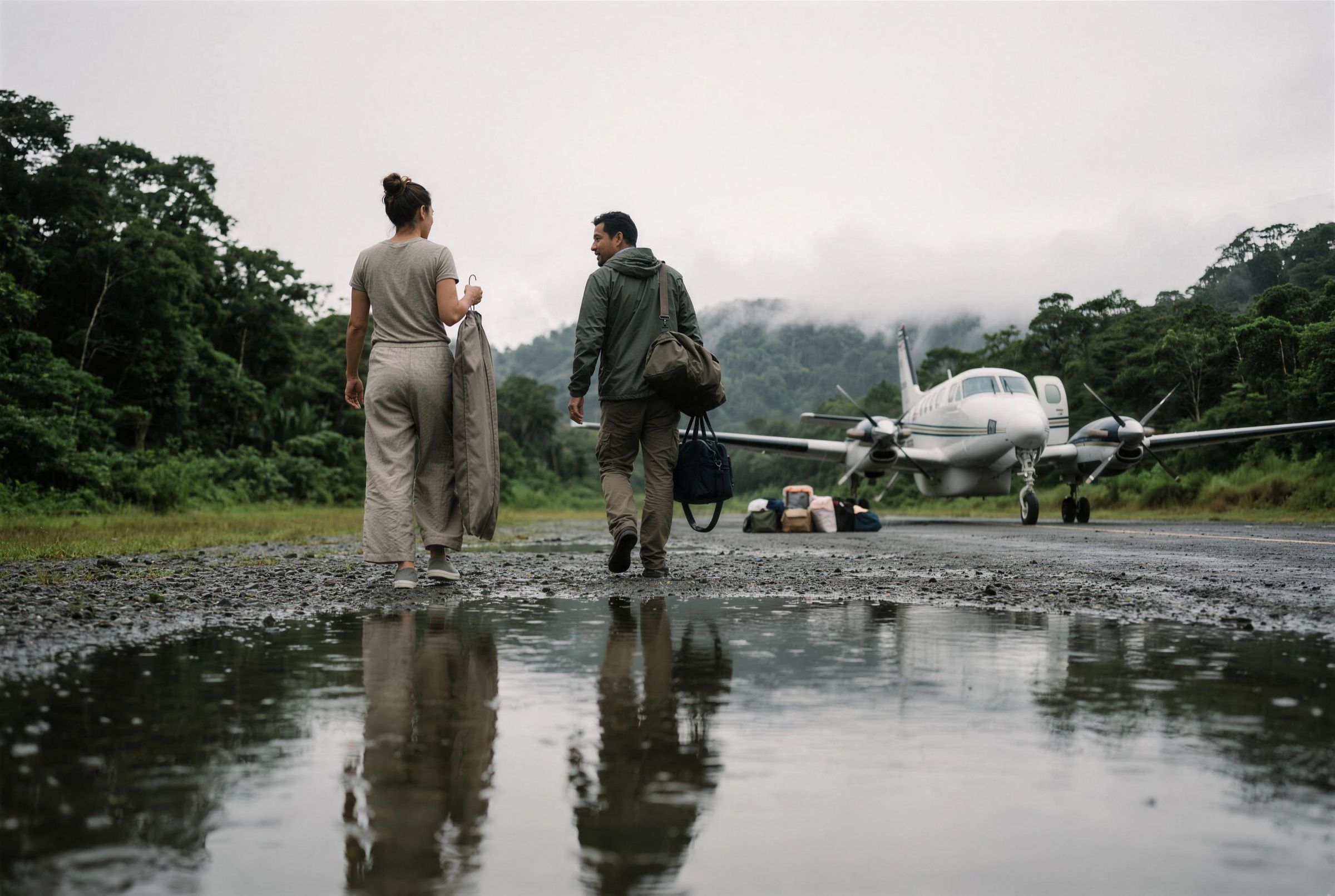
There is no road to the Colombian Pacific. Not a bad road, not a long road. There is no road. You reach this coast by small aircraft onto a wet strip cut out of the jungle, or you reach it by boat, and those are the only two ways anybody has ever reached it.
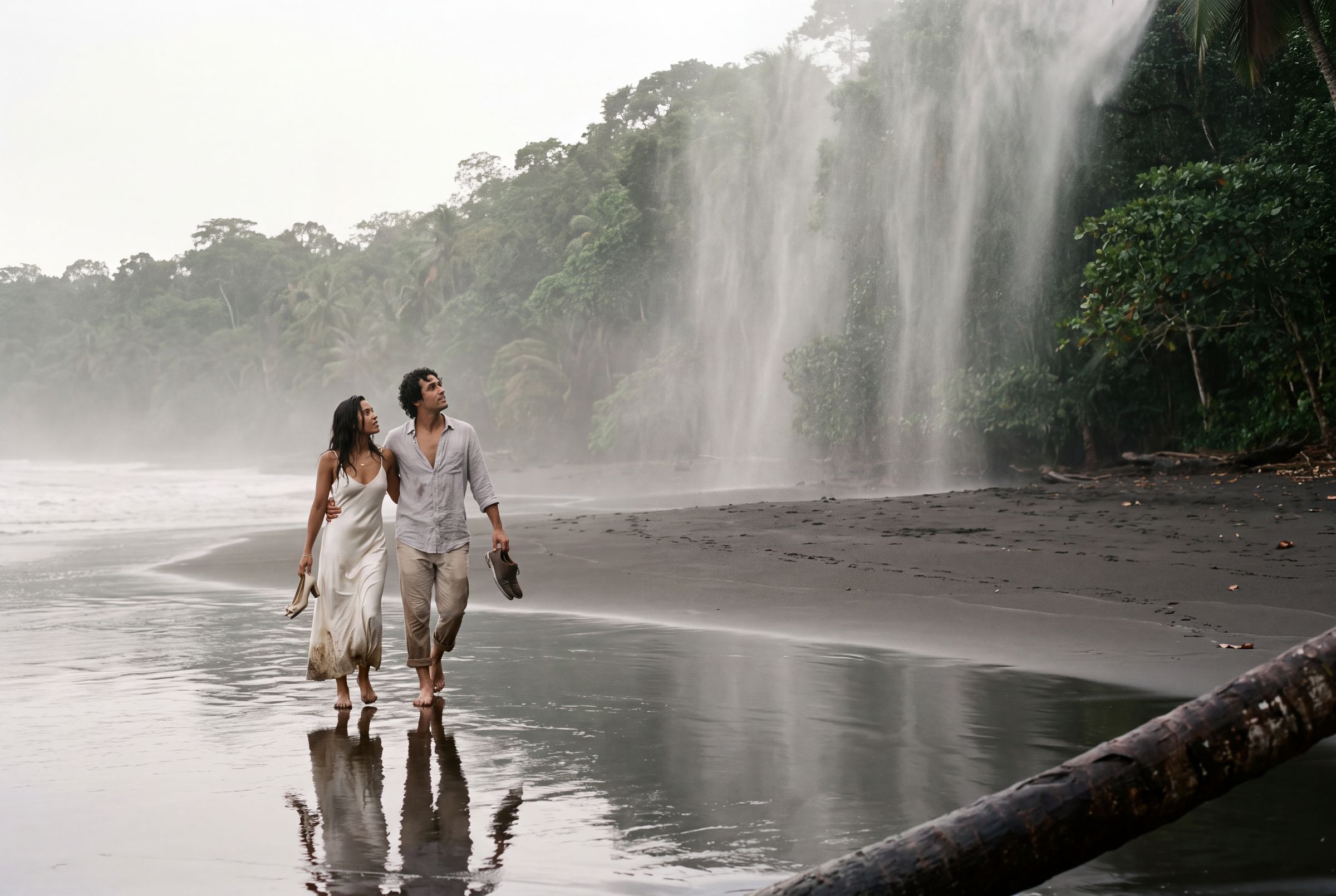
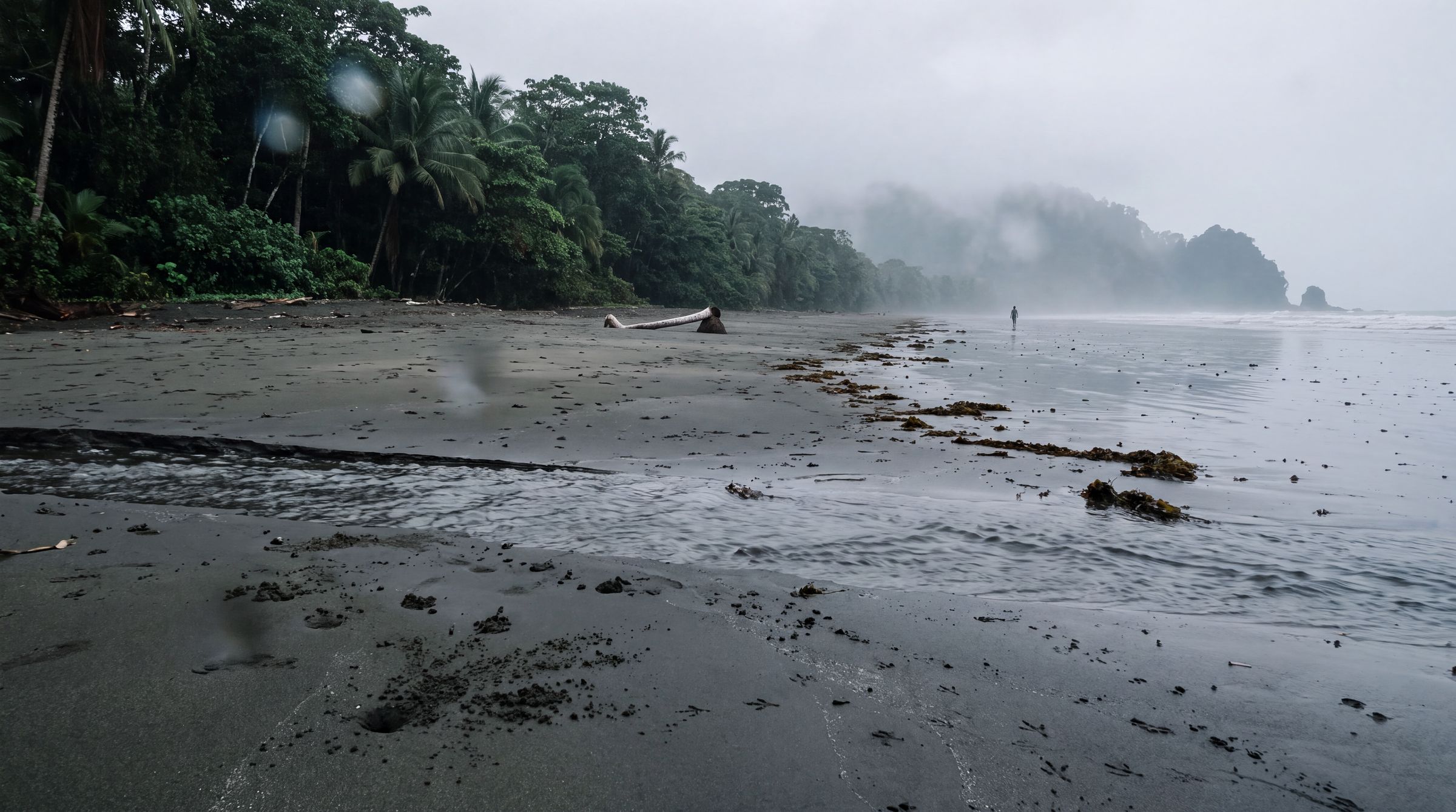
That single fact produces everything else about the place. It is why fewer people have been married here than are married at Lake Louise on an average Saturday in July. It is why the beaches are the colour of wet slate instead of sand. And it is why, when I try to explain the Chocó to couples, I usually end up talking about the rain first, because the rain is not the weather here. It is the landscape.
This is the long version. What the place actually is, how you get to it, what the security advisories genuinely say rather than what people assume, when the whales come, what it costs, and the several kinds of couple who should not come at all.
(Continued on Page 2, Col. 1)
Where this is, and what no road really means
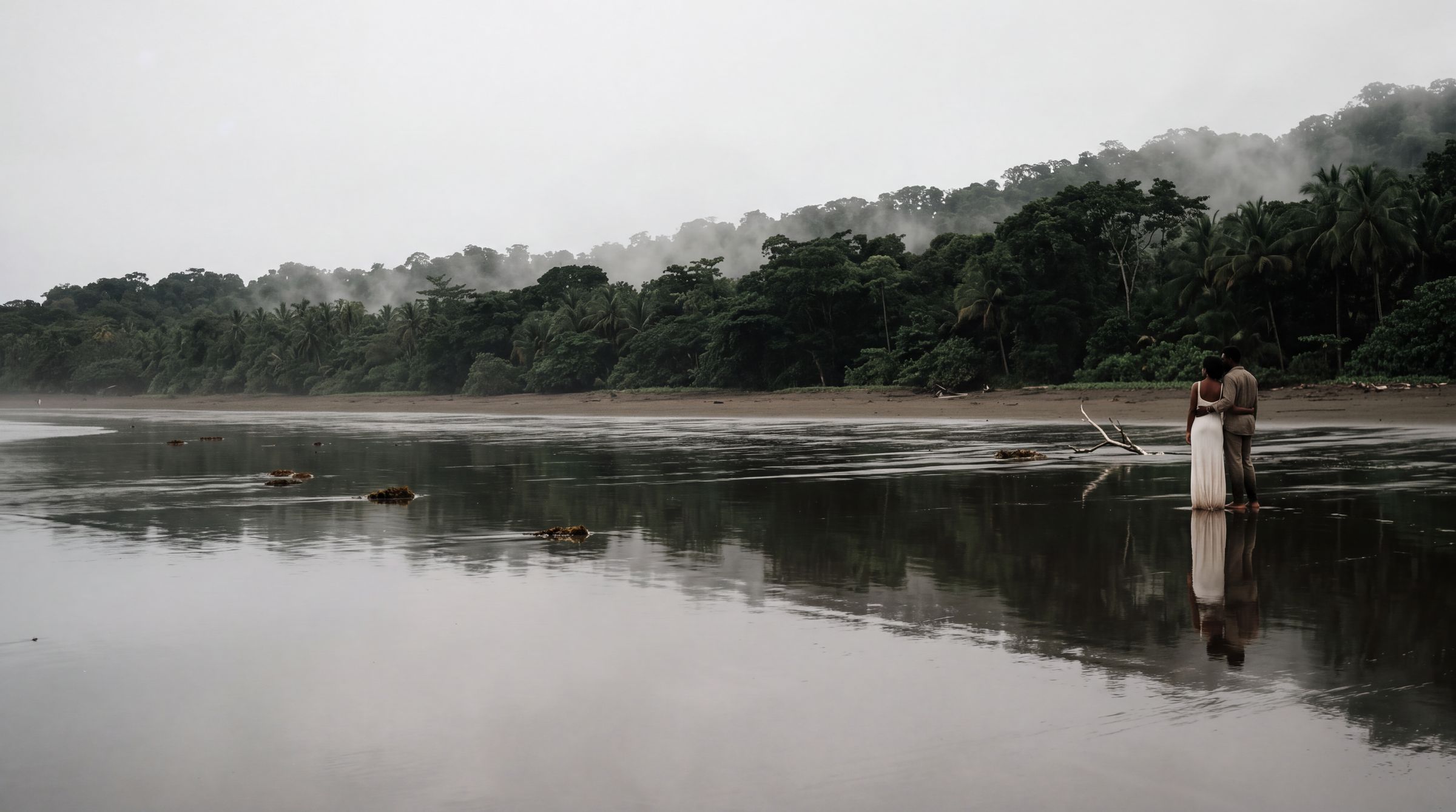
The Chocó is the department running down Colombia's Pacific side, jungle on one edge and ocean on the other with almost nothing in between. The towns that matter for an elopement are Bahía Solano and El Valle in the north, and Nuquí with the beaches of Guachalito below it.
None of them connect to the Colombian road network. Not by a rough track, not by a seasonal route. Bahía Solano and Nuquí are reached by air and sea only, and once you are there, moving between beaches means a boat.
Understand what that does. There is no day-tripper. There is no coach party. There is no couple who saw it on somebody's feed and drove over on Saturday. Everybody on that beach made a deliberate and slightly awkward effort to be there, and the effort is the filter. You are not buying scenery here. You are buying the absence of other people, and the absence is structural rather than seasonal.
The flight, which is part of the day whether you like it or not
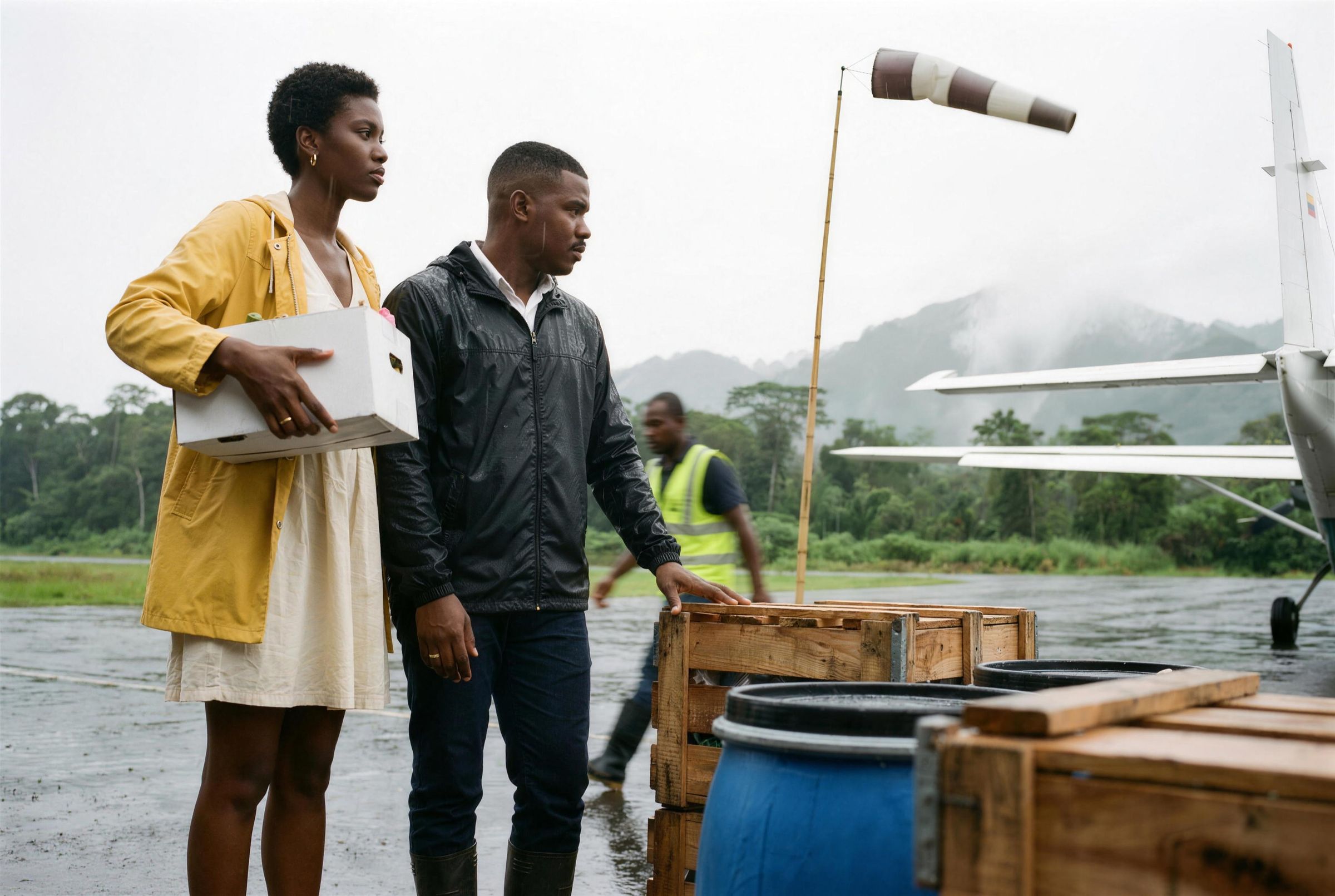
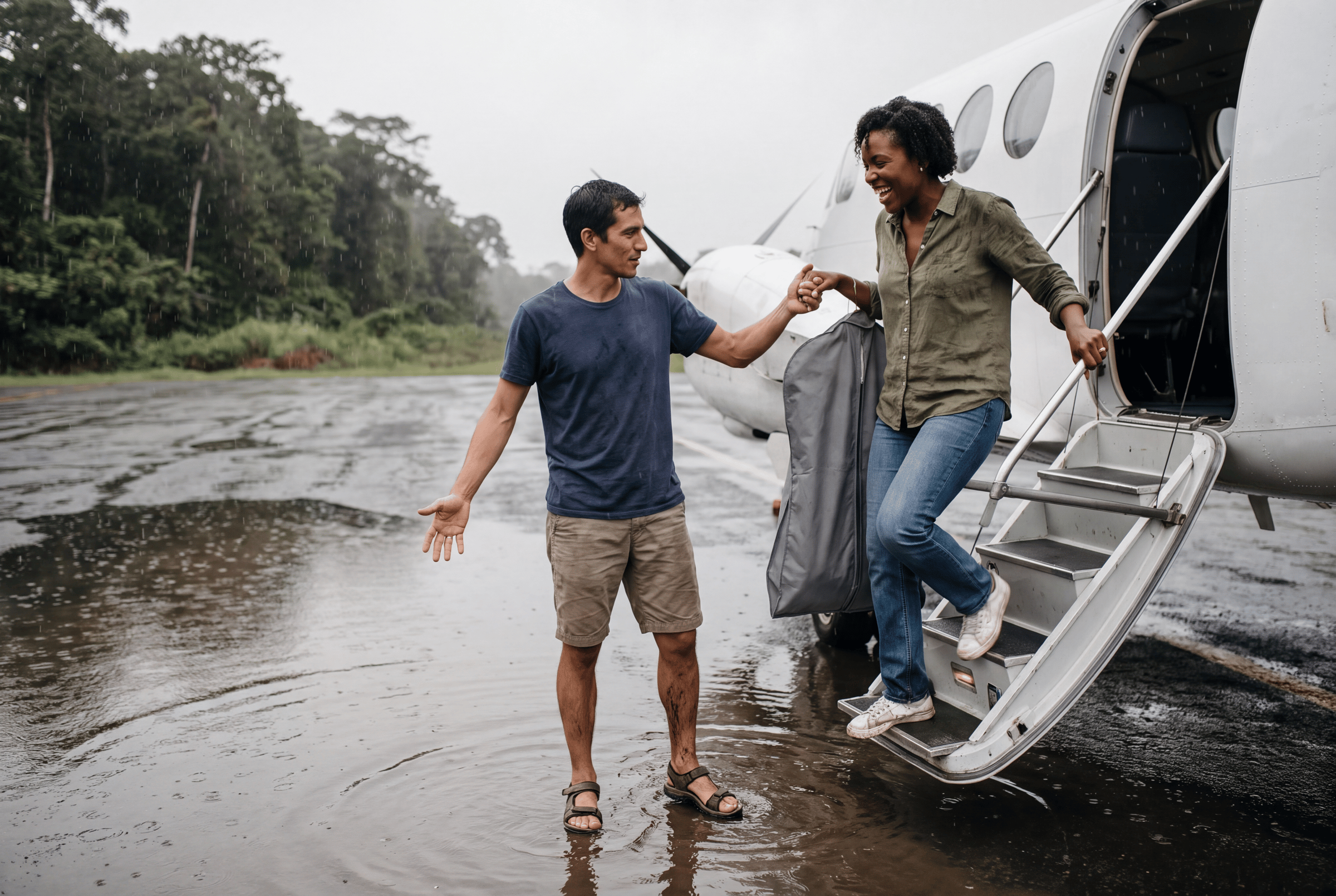
You fly in on a small aircraft from Medellín, and the landing is genuinely part of the trip rather than a transfer. The strip sits between the forest and the water, it is usually wet, and the approach is low over trees.
The aircraft is small, and that has a consequence nobody warns couples about: the baggage allowance is tight and it is enforced. Carriers and aircraft on these routes change, so I am not going to print a weight that will be wrong by next season. What I will do is confirm the exact limit for your flight in writing and tell you what it means for what you are bringing.
What it usually means in practice: the dress travels as hand baggage and nothing else does. No hard case. No second bag of shoes. If there is a suit, it comes in a garment bag over an arm. I have watched a couple repack on the floor at the terminal because a case was four kilos over and there was no next flight that day. That is a solvable problem in an email six weeks out and an unsolvable one at the desk.
The safety question, answered properly
Ask anyone about Chocó and you will get a reaction. The department has a real and serious history, and I am not going to talk around it, because a couple deserves the actual position rather than reassurance.
Here is the specific thing worth knowing. The UK Foreign Office advises against all but essential travel to Chocó department, and then names Quibdó, Nuquí and Bahía Solano as explicit exceptions to that advice. The coastal towns you would actually go to are carved out by name.
That is not me telling you it is fine. It is a government advisory drawing a line between the interior of the department and the coastal corridor, and drawing it precisely where the tourism actually happens. Read the current version yourself before you commit, because advisories move and the one that matters is the one live on your date. Check your own government's as well as the British one; they do not always agree, and the disagreement is informative.
What I do on the ground: you are with me or with the lodge from the moment you land to the moment you fly out. There is no independent overland movement in this plan because there is no overland. That is one of the few places where the logistics and the caution point the same direction.
The rain, in numbers
The Chocó is one of the wettest inhabited places on Earth and the figures are worth seeing written down.
Bahía Solano receives in the region of 5,350 millimetres of rain a year. The wettest month is November at around 822 millimetres. The driest is February at around 220. Inland at Quibdó the numbers go further, and published annual totals range from roughly 8,000 to as much as 13,000 millimetres depending on whose dataset you read, which tells you both that it is extraordinary and that nobody entirely agrees how extraordinary.
For scale: a wet British year is around 600 millimetres. Vancouver, which Canadians consider punishingly rainy, sits near 1,200. The driest month on this coast is wetter than a normal month almost anywhere you have lived.
January and February are the least wet. September through November is the heaviest. But do not read that as a dry season and a wet season, because there is no dry season. There is a less relentless season and a more relentless one.
What the rain actually does to the photographs
This is the part I have to work hardest to convince people of, and it is the main reason I keep coming back.
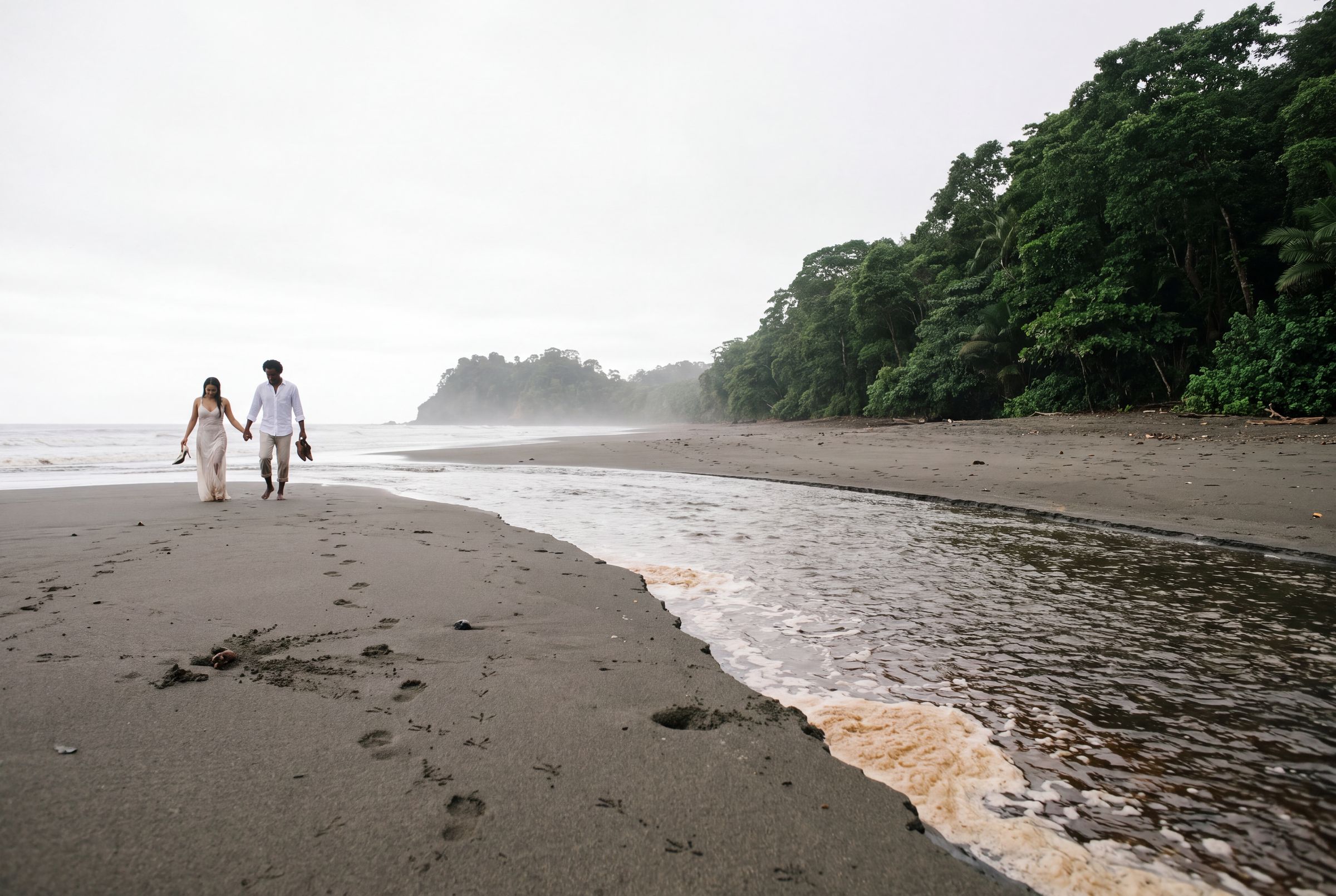
Overcast is the best light there is for photographing people, and this coast is overcast almost permanently. No squinting, no harsh shadow across a face at noon, no blown-out sky behind a white dress. The cloud layer turns the entire coast into one enormous diffuser and it holds all day, so there is no golden hour to chase because every hour is workable.
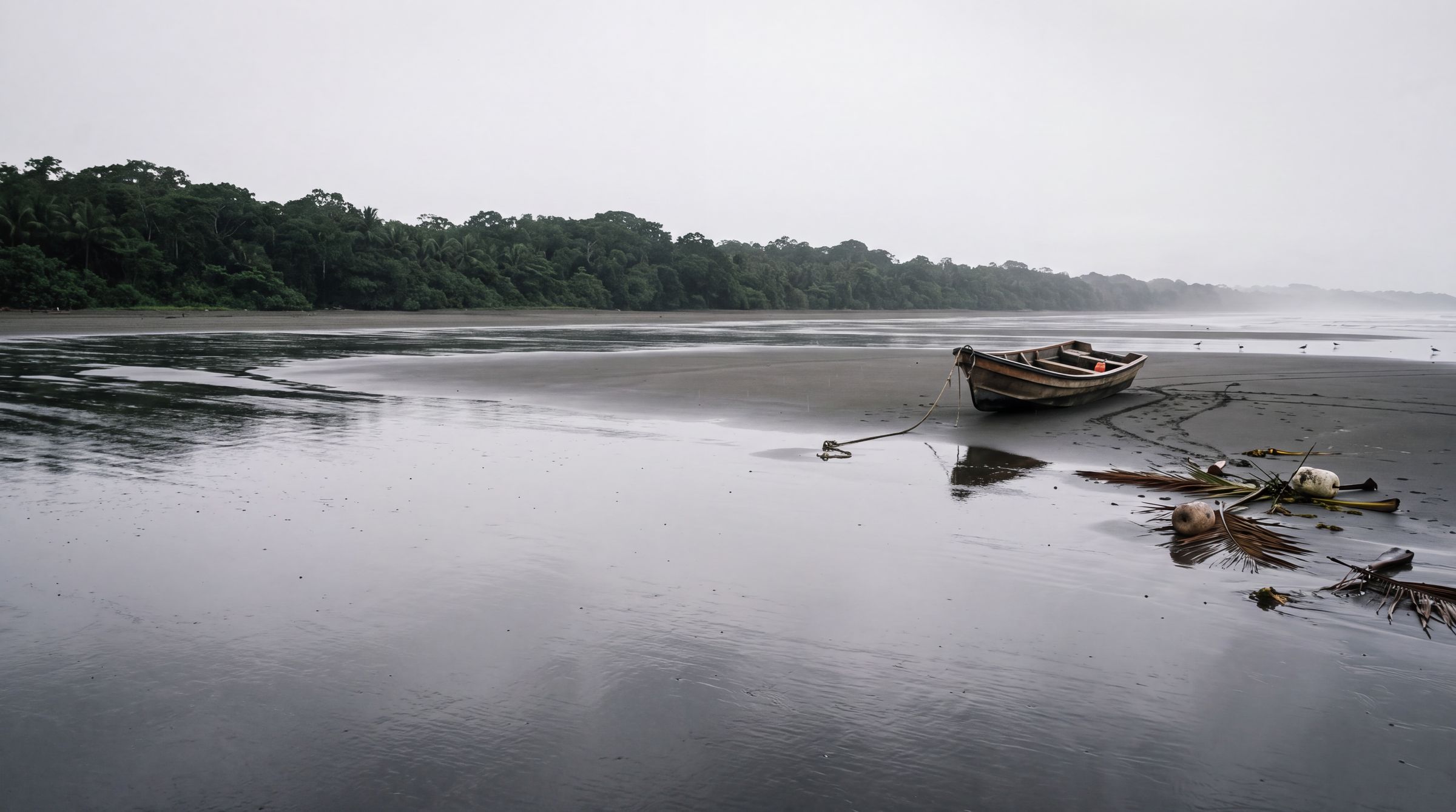
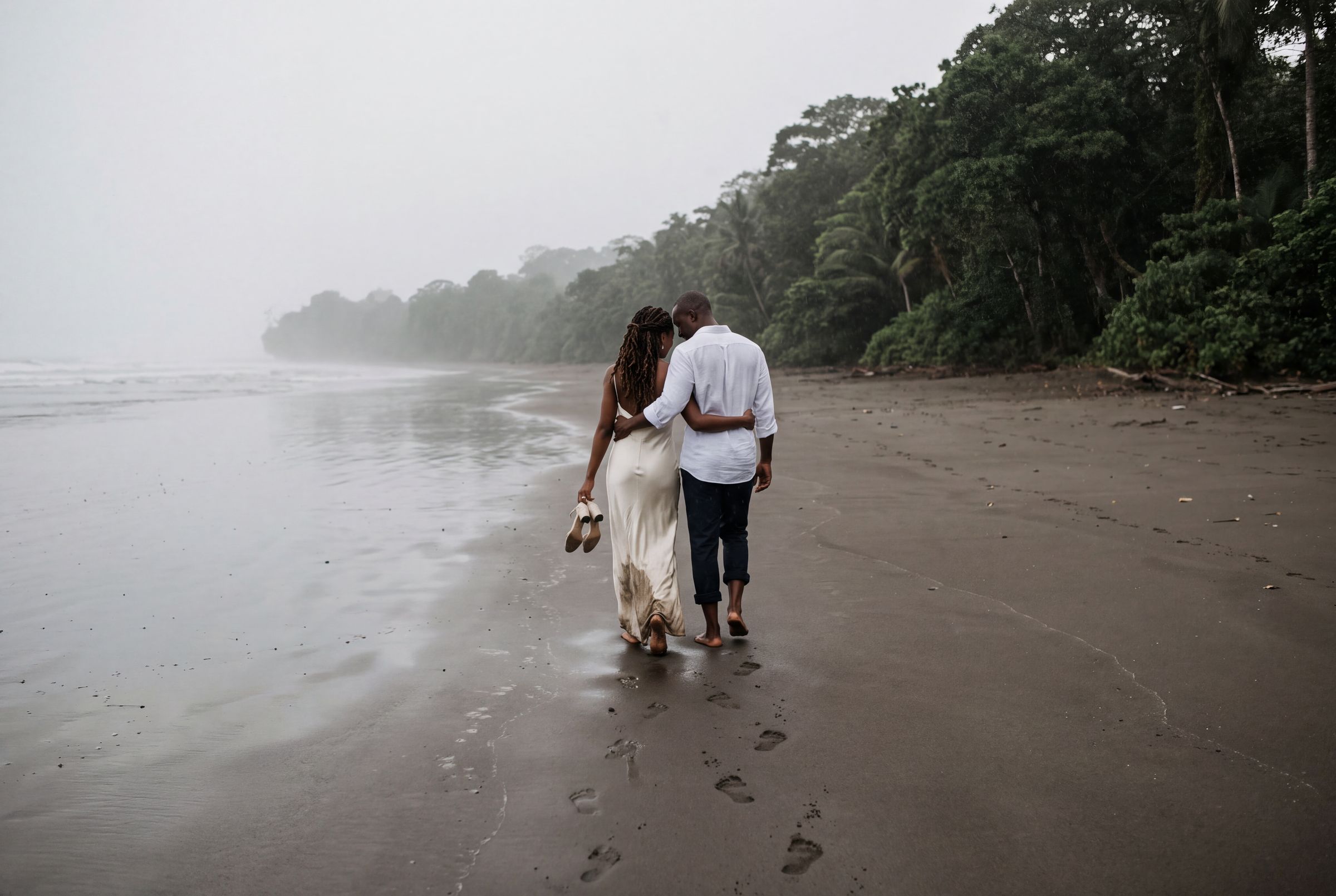
Then there is what rain does to the actual scene. Mist sits in the trees and separates the ridgelines into layers you can count. Wet sand turns into a mirror and doubles everything standing on it. Water on the lens, used deliberately, puts you inside the weather rather than observing it.
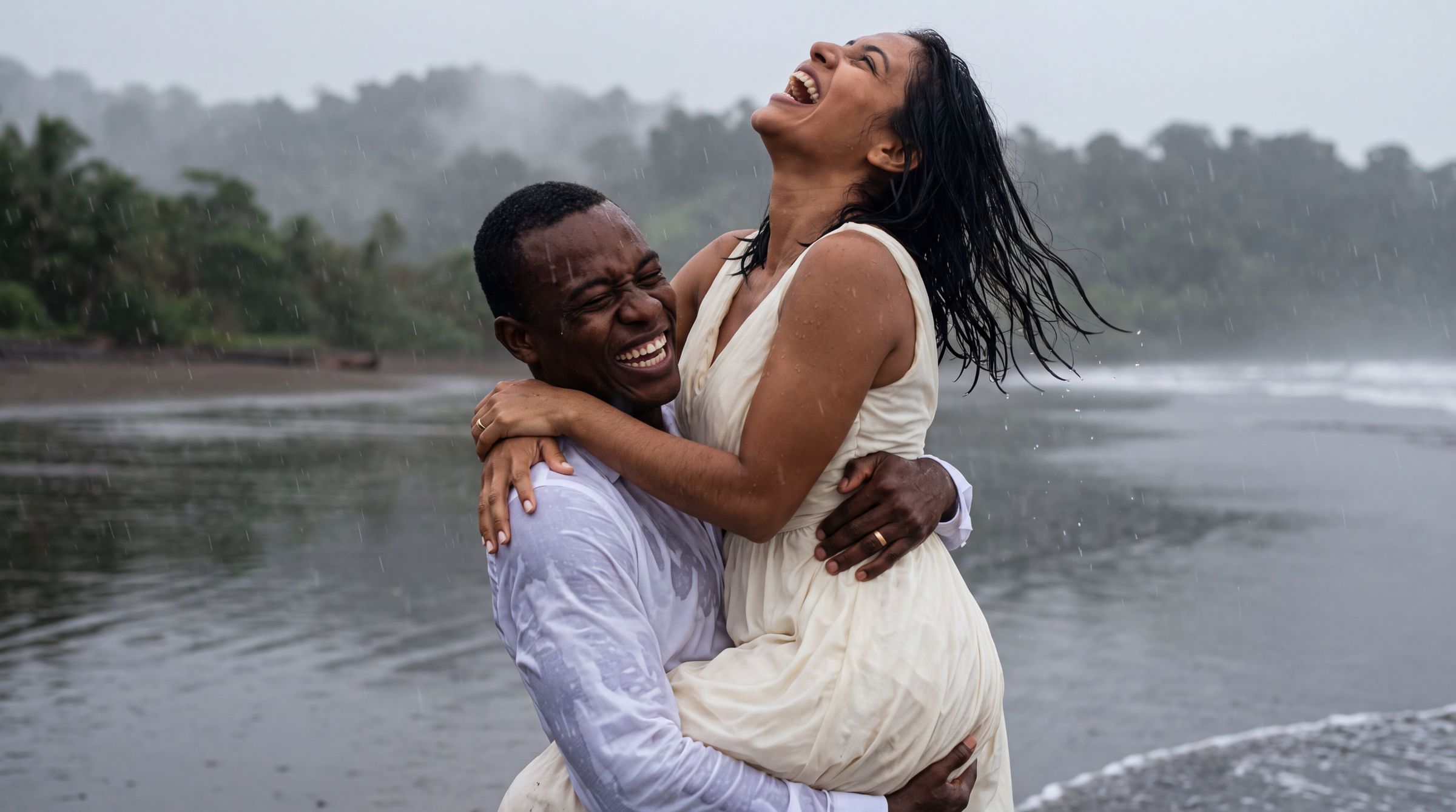
The couples who are happiest here are the ones who stopped hoping it would clear. The ones who spend four days waiting for a sunny afternoon get a worse trip and worse photographs, because they are indoors when the good stuff is happening.
Bahía Solano, El Valle, Nuquí: choosing between them
They are close together and they are not interchangeable.
Bahía Solano is the largest of the three and the one with the most reliable air service, which matters more than charm when the weather closes. It is a working town rather than a pretty one. Nearby El Valle has the long open beach and the surf, and the lodges most couples actually stay in sit between the two.
Nuquí and the Guachalito beaches below it are the softer, more remote option. Smaller, quieter, more obviously beautiful, with hot springs and river mouths within a short boat ride and a string of small lodges strung along beaches with nothing else on them.
How I choose for people: Bahía Solano if whales and reliability are the priority, Nuquí if seclusion is. If the trip is long enough, both, with the boat transfer between them treated as a chapter of the day rather than a transfer, because on a calm morning it is one of the best hours of the week.
Utría, and the practical details of getting into it
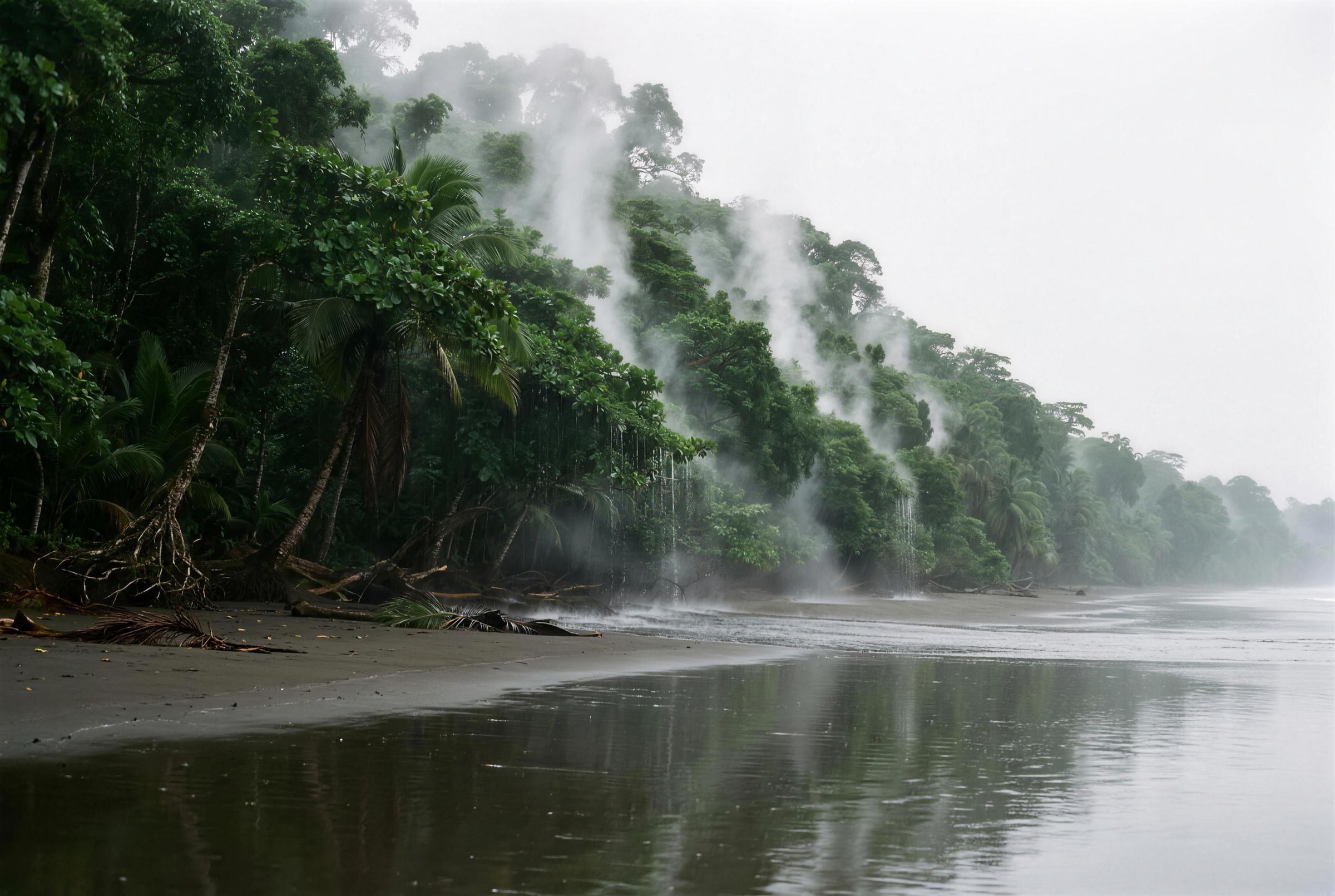
Utría National Natural Park sits between the two towns and it holds the single most extraordinary piece of water on this coast: a long, narrow, absolutely still inlet with jungle coming down both sides of it. Whales use it to calve. On a grey morning it does not look like anywhere on earth.
The practicalities, because these are the bits that get missed. Entry is by boat from Nuquí, Bahía Solano or El Valle. The park operates entry and exit between eight in the morning and two in the afternoon. The current fee for a non-resident foreigner is 80,000 Colombian pesos.
And the one that catches people: the park manages capacity and you are expected to contact it in advance to check availability. It is not a gate you turn up at. I hold the arrangement for your date as part of the planning, and the eight-to-two window is the reason a Utría day starts before first light.
The whales, and the rules that govern them
Humpbacks from the southeastern Pacific population come north to these waters to breed and to calve. They arrive in the austral winter and they are here, broadly, from the middle of July into October, with August and September the peak. The formal watching season has recently been set around mid July to the middle of October.
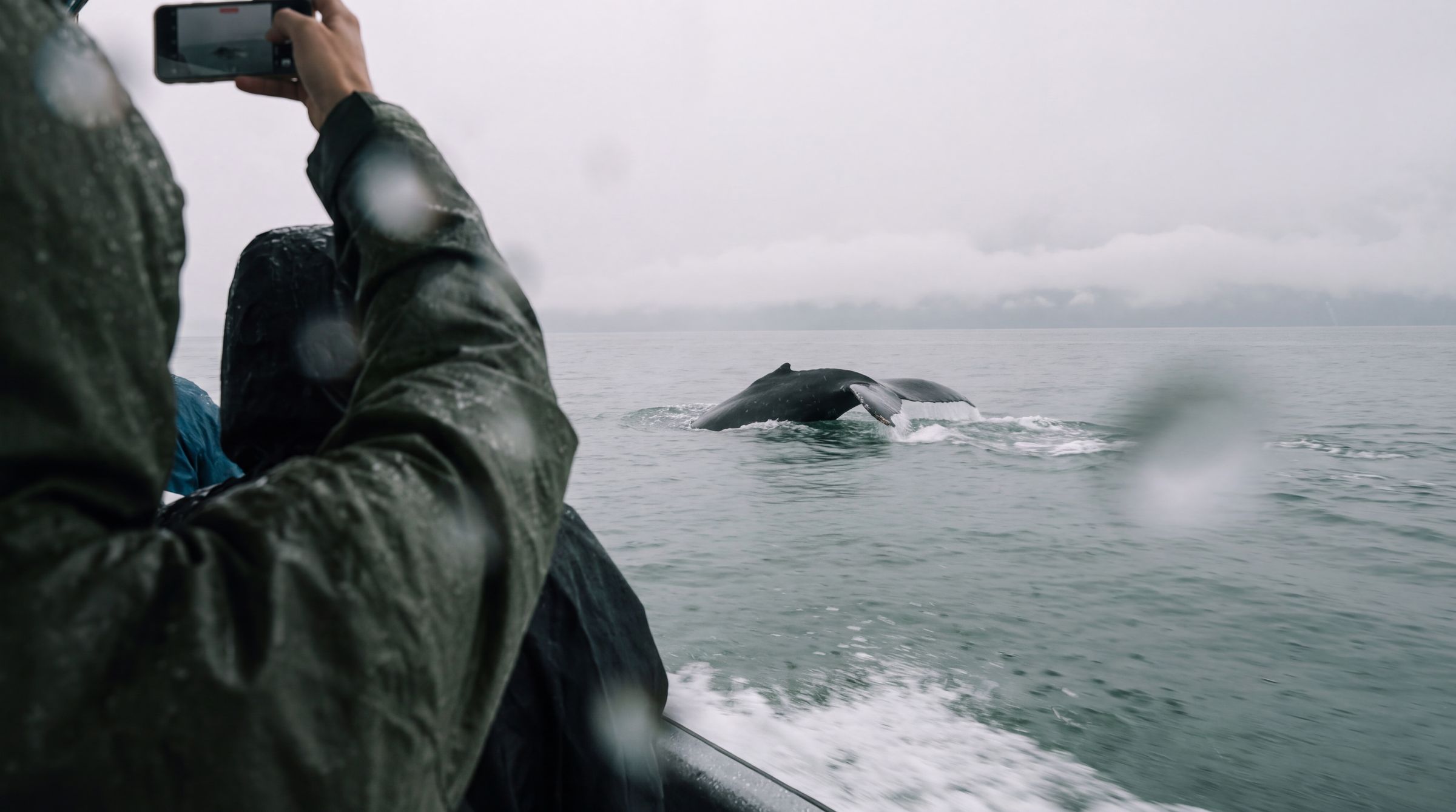
They come extremely close. This is a coast where the shelf drops away near the shore, so animals that elsewhere would be a distant spout are sometimes a few hundred metres off the beach. You can be standing on sand and watch a forty-tonne animal leave the water. I have photographed it happening behind a couple who had no idea it was going on.
There are rules and they are the right ones. Boats keep their distance, cut engines when animals approach rather than driving at them, limit observation to around thirty minutes, and stay at least two hundred metres from groups with calves. Any operator who offers to get you closer than that is offering to harass a mother and a newborn, and I will not put you on that boat.
Which leads to the thing I say to everyone: do not build the ceremony around a whale. They are wild, they are not on a schedule, and a ceremony timed to an animal is a ceremony spent looking at the horizon. Get married properly. Go out on the water separately. If one surfaces while you are standing there, that is a gift and not a plan.
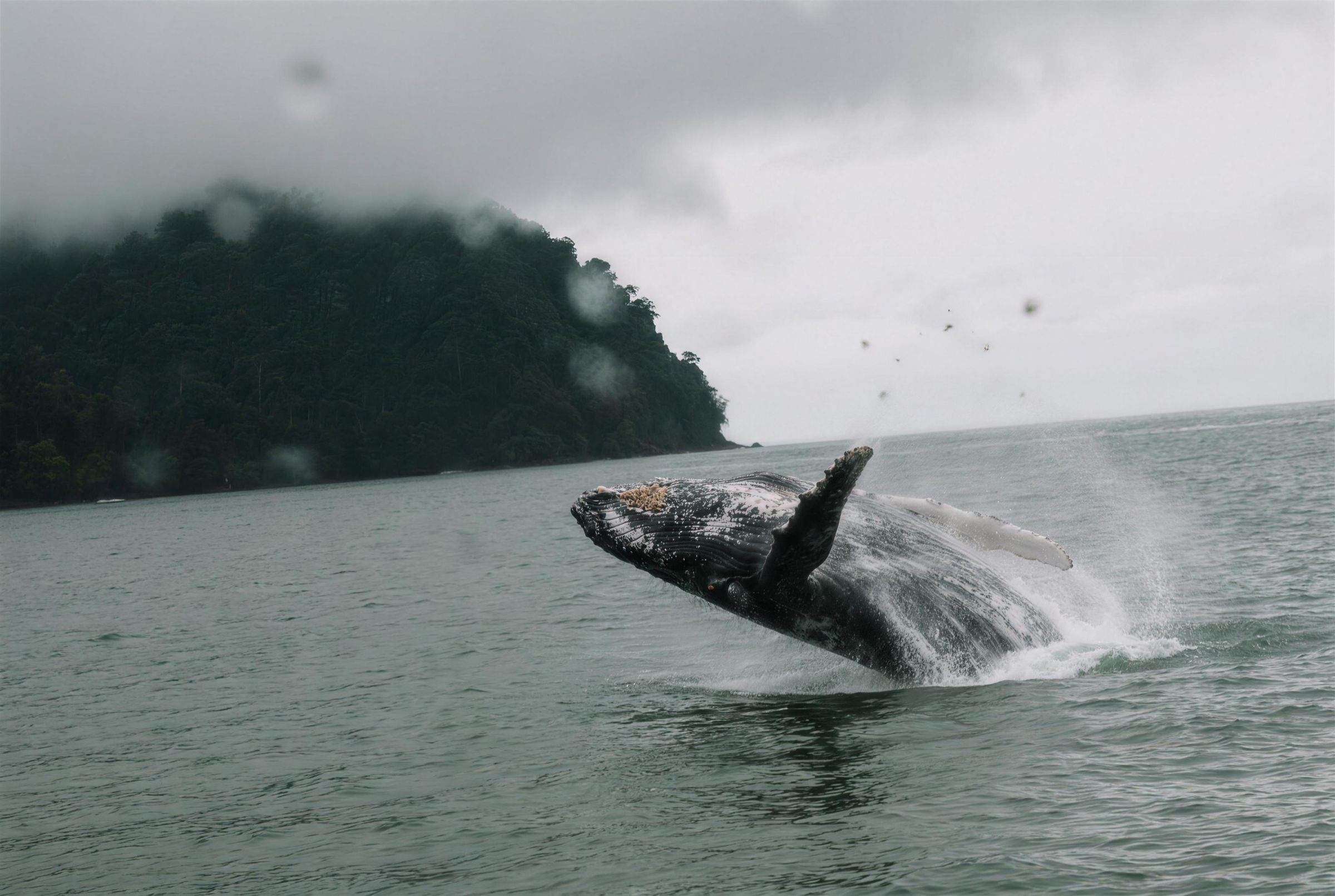
The one window I am actually on this coast
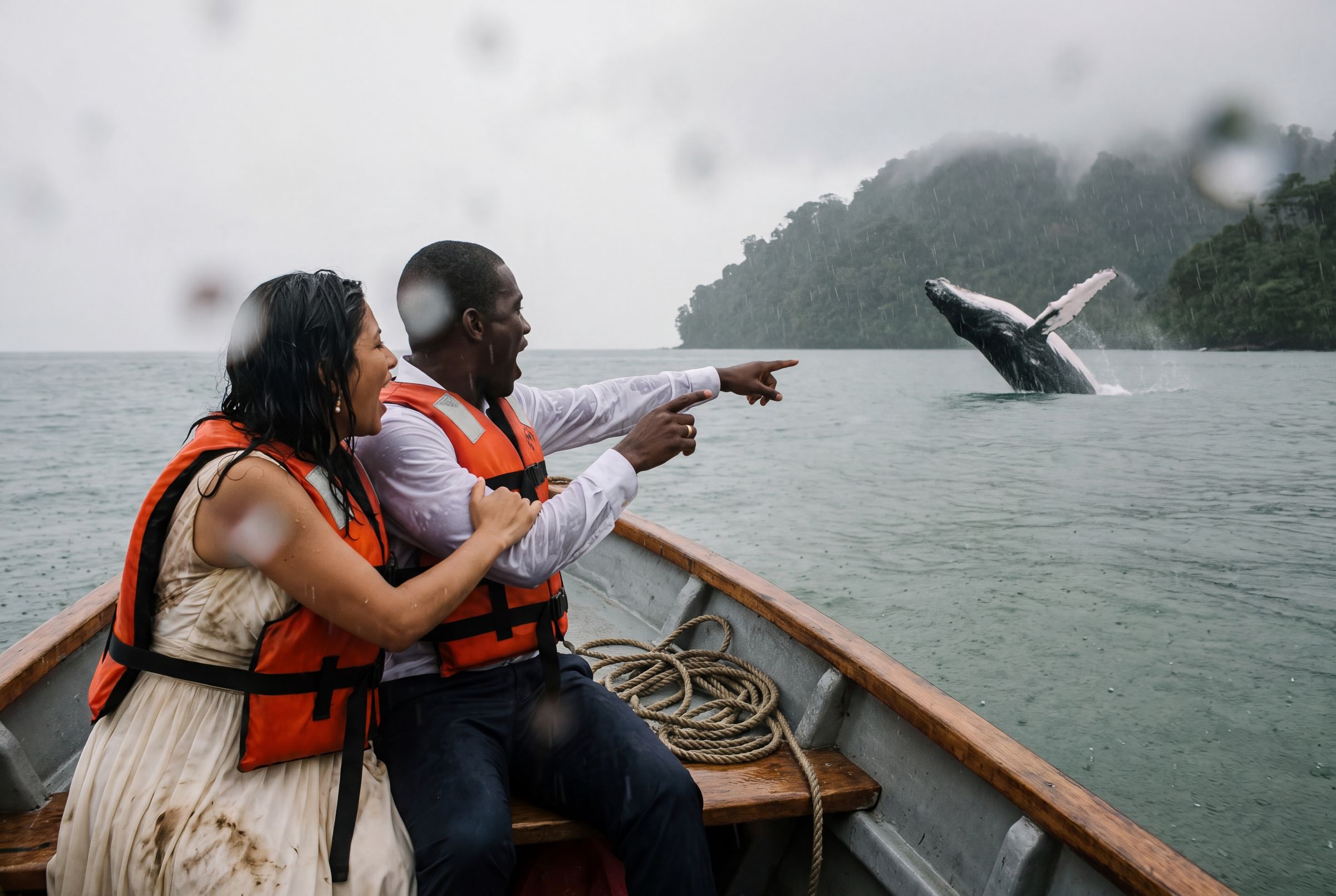
Here is a scheduling problem I would rather explain than hide.
My Canadian season runs June to October, which is exactly whale season on the Pacific. Those two facts fight, and for most of the year the Pacific coast is a winter destination for me alongside the rest of Colombia.
The exception is August. Wildfire smoke in the Canadian Rockies gets bad enough most years that I come back to Colombia for a stretch of it, and that stretch happens to land inside the peak of whale season. It is the one window where the animals and I are on the same coast at the same time.
So if whales are genuinely the reason you are choosing the Chocó, say so early, because that window is narrow and it is decided by smoke rather than by a calendar. If the whales are a bonus rather than the point, the coast from December to April is quieter, marginally drier, and I am reliably there.
Tides, rivers, and why the day moves
The Pacific tide on this coast is large, and it is the invisible thing that organises everything.
At low water the beaches are enormously wide, hard, and reflective, which is when the mirror frames happen and when you can walk between places along the sand. At high water some of those beaches are simply not there, and the route you walked in the morning is under a metre of ocean.
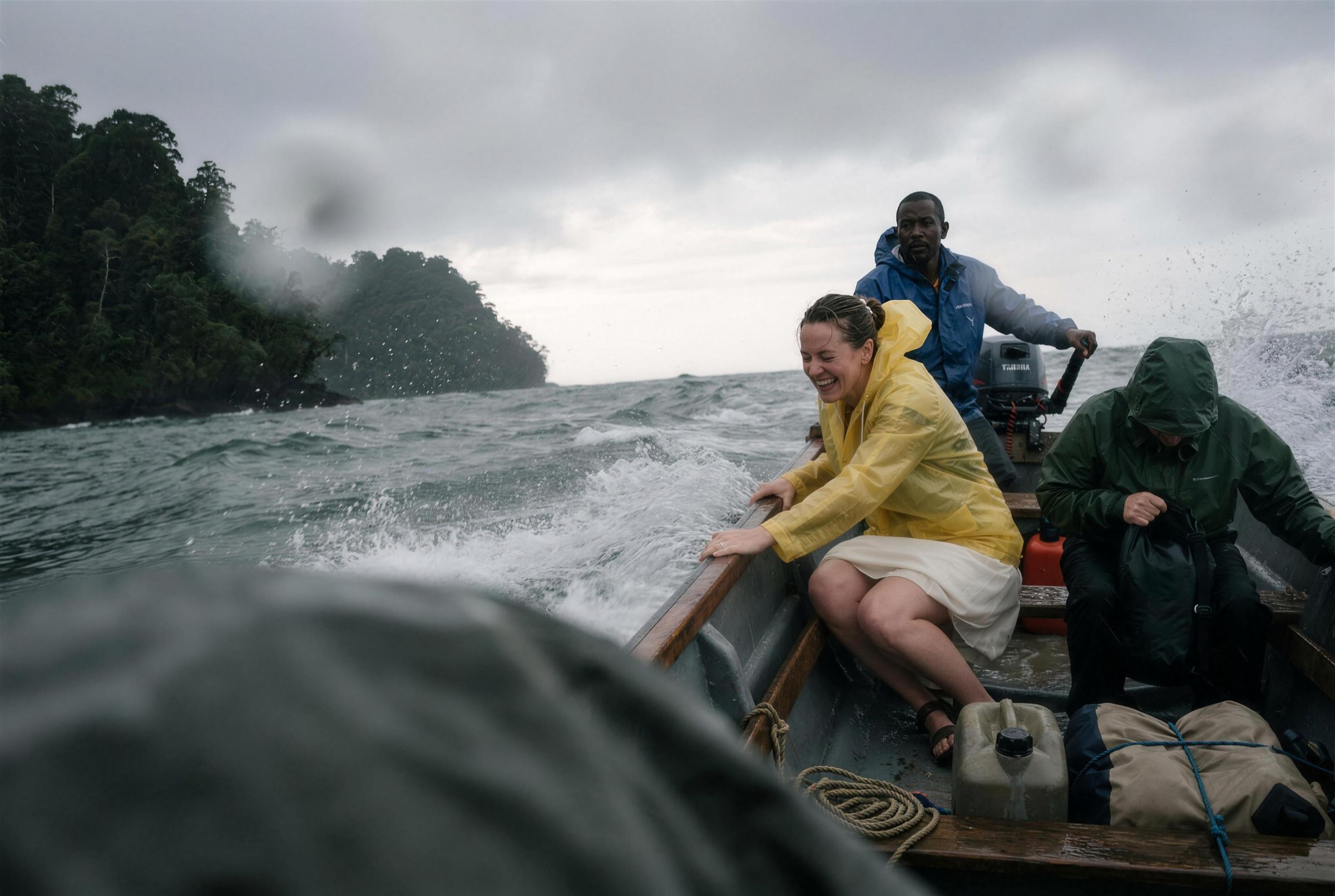
Boats are launched and landed on the tide too, straight off the beach through surf rather than from a pier. That sets when you can leave for Utría, when you can come back, and occasionally whether you go at all. Add the rivers, which run hard after heavy rain and change the colour of the sea where they meet it.
All of which means the schedule for a Chocó day is written against a tide table and rewritten the night before. I do that. You do not need to think about it. But it is why I will not promise you a specific location at a specific hour six months out, and why anyone who does is not paying attention.
Where you sleep, and what to expect from it
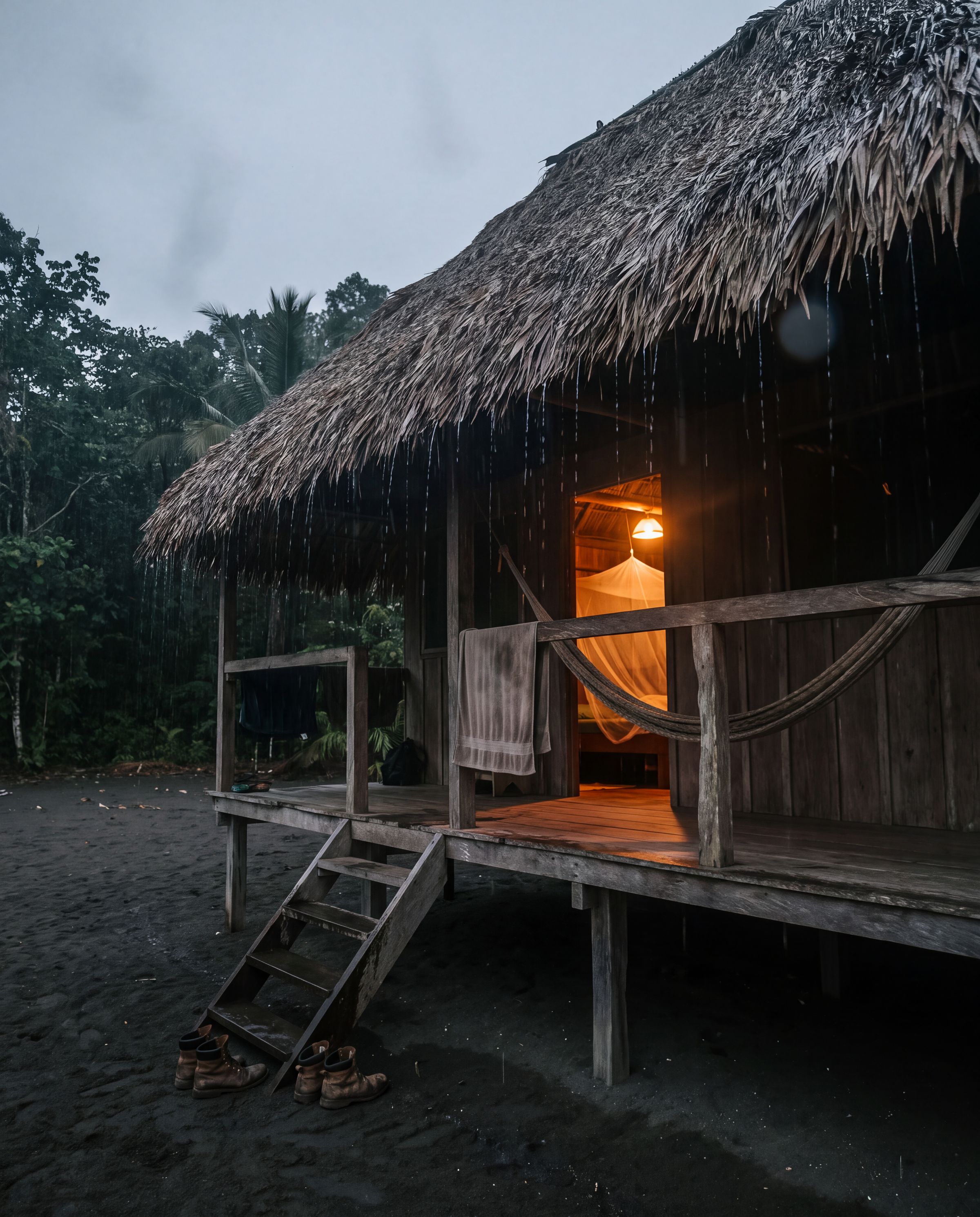
The lodges here are timber and thatch, built on stilts at the edge of the trees, open to the air on at least one side. They are comfortable and they are beautiful and they are not a resort.
Expect a generator that runs certain hours rather than mains power. Expect limited or no signal, which most couples decide within a day is the best part. Expect insects, because you are in a rainforest, and expect everything you own to be faintly damp for the entire trip. That is not a failure of the accommodation. It is 5,350 millimetres of rain a year.
What you get in return is a room where the sound is rain on thatch and surf, and nothing else at all. No road noise, because no road.
As everywhere, I name the exact lodge and the arrival day and you book it directly. I do not hold a travel agency licence and will not pretend otherwise. Out here that matters more than usual, because these places are small, some have six rooms, and in whale season they fill a long way out.
Health, briefly and seriously
Chocó is a malaria risk area. That is the plain position and it is the one piece of this post I would ask you not to take from a website.
Go to a travel clinic, tell them exactly where you are going and when, and do what they say about prophylaxis. Ask them about yellow fever at the same time, since requirements and recommendations for Colombia change and depend on where else you are travelling and where you have been.
Practically, on the ground: long sleeves at dusk, repellent that actually works, and the nets the lodges provide. None of it is dramatic. It is the same discipline as anywhere in the tropics, and it is worth doing properly for a place this far from a hospital.
The legal path, which is the easy part
Almost nobody marries legally in Colombia, and the reason is simple. The registry is in a city and you will be on a coast with no road.
What virtually every couple does, and what I recommend: sign at home before you fly, quietly, and hold the ceremony here. The day changes in no way at all except that no office anywhere has a say in what time you stand on which beach.
If a legal Colombian marriage genuinely matters to you, it is done in Medellín or Bogotá on the way through, as its own short chapter with a notary, and I will build the itinerary to include it. It is not a coastal activity.
What it costs
The Chocó is sold as the Pacific circuit, and like every Colombian circuit it is a route rather than a single place, because the coast does not work as a single place.
The Essential is $8,900. One designed elopement day, with everything I curate on the ground included. The Curated Signature is $15,500, which adds a second full day and a film. The Curated Adventuremoon is $21,500, which is the full circuit across several days and the version I would argue for out here, for a reason specific to this coast: you have gone to real trouble to arrive, the weather will take one of your days and hand you a better one, and a single-day plan has no slack in it at all.
Your flights and your lodge are not included and never will be. I name them, you book them. The internal flight from Medellín is part of that.
Who should not come here
I would rather lose the booking than have you arrive and hate it, so here are the four.
If you want a beach in the sun, this is not it. The sand is dark, the sky is grey most days, and the sea is often rough. Go to the Caribbean circuit; Cartagena and the islands are the other coast and a completely different holiday.
If rain would ruin your day rather than make it, do not come. There is no scenario where you get a dry week.
If you need reliability of schedule, do not come. Flights move for weather. Boats do not launch on some mornings. The plan bends.
If you are bringing guests who are not adventurous, do not. Getting six people here in a small aircraft with their luggage, into lodges with few rooms and no signal, is a project. Two people is elegant. Eight is a logistics exercise nobody enjoys.
And who should
Come if the difficulty is the appeal. Come if you have looked at the photographs everyone else has and wanted the opposite of them. Come if the idea of a coast with no road, where the forest arrives at the ocean and a whale might pass while you are saying something you wrote yourself, sounds like the point rather than the risk.
It is the least photographed place I work and the one I would choose for myself. The couples who come here are not the ones with the biggest budget. They are the ones who understood the trade.
The tiers are on the pricing page, the two towns have their own guides in Bahía Solano and Nuquí, the other three Colombian circuits are laid out in the Colombia elopement guide, and the day itself is on the Chóco hub.
Tell me the month you have in mind and I will tell you what the water will be doing →