Why a Nuqui Elopement Is Extraordinary
The southern half, where no road stops being an abstraction about the region and becomes a fact about your Tuesday.
Nuquí is the softer half of the Colombian Pacific, and the half where the phrase "no road" stops being an abstraction about the region and becomes a fact about your Tuesday.
There is no road between the beaches here. Not between the villages, not between the lodges. Everything moves by small boat off the sand, or on foot along the shore when the tide allows it, and the chain of beaches running south from town is connected by nothing else at all.
The coast-wide argument, the rain, the security position and the money are in how to elope in Chocó. This is the ground truth of the southern half: which beach, which village, and how you get between them.
(Continued on Page 2, Col. 1)
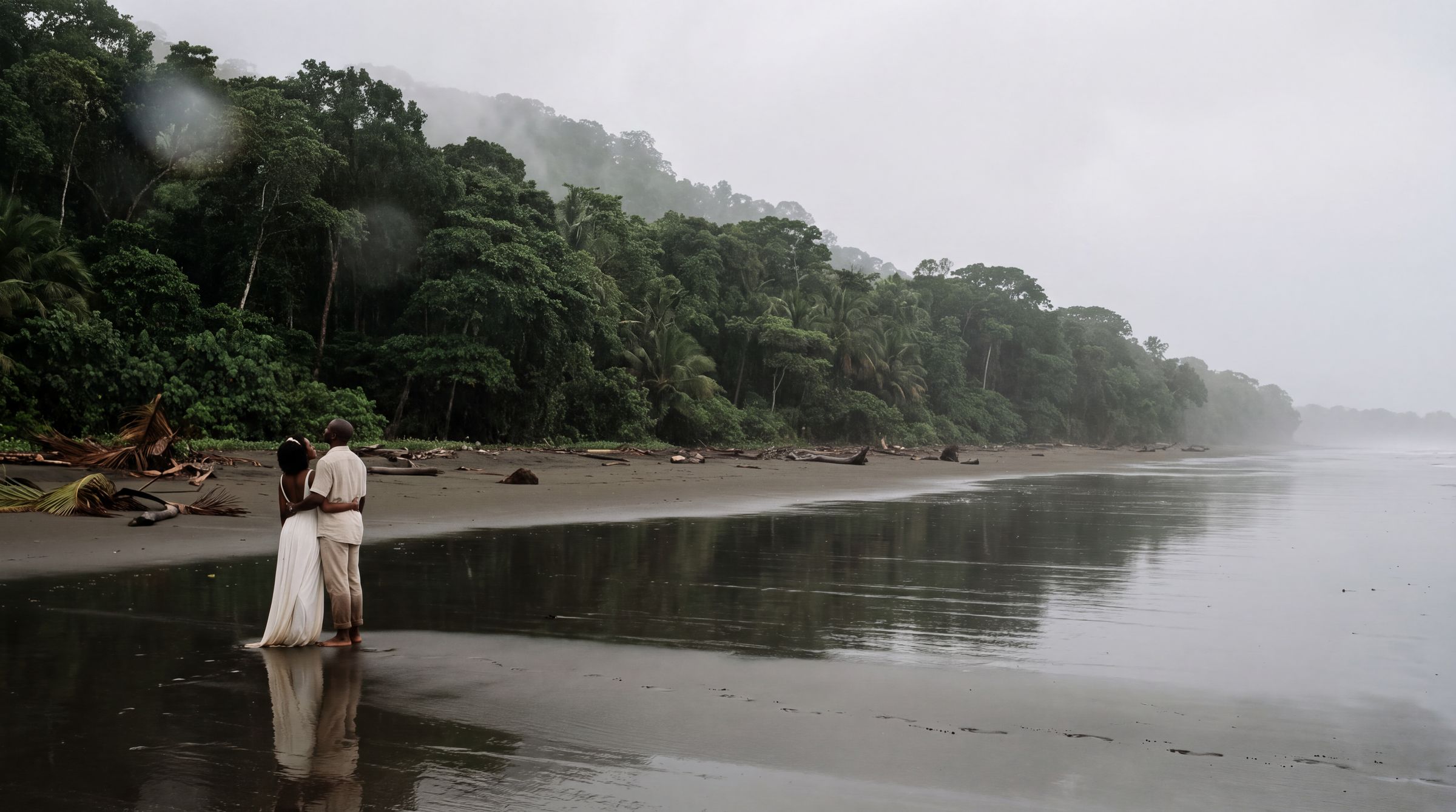
Guachalito, which is the one in the photographs
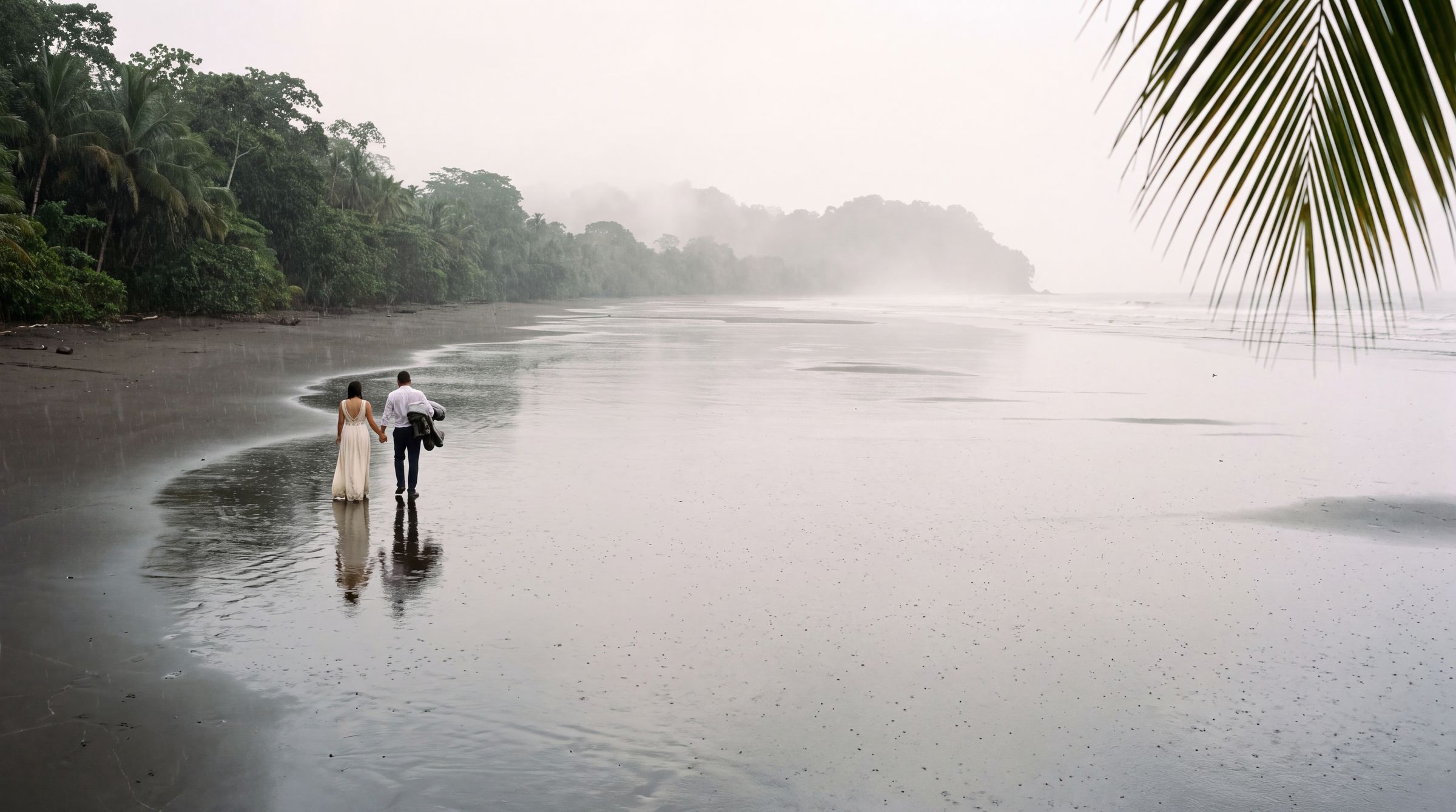
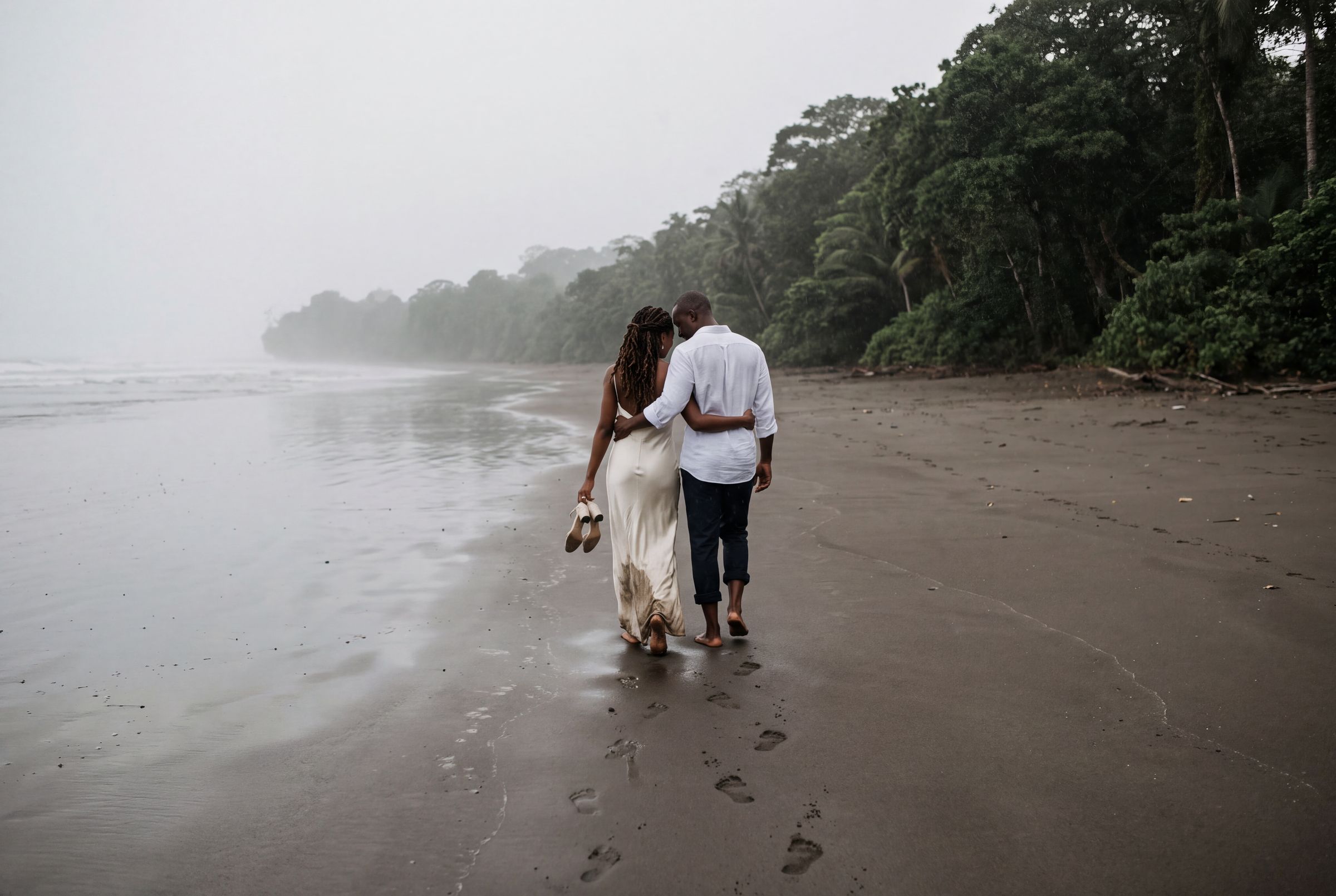
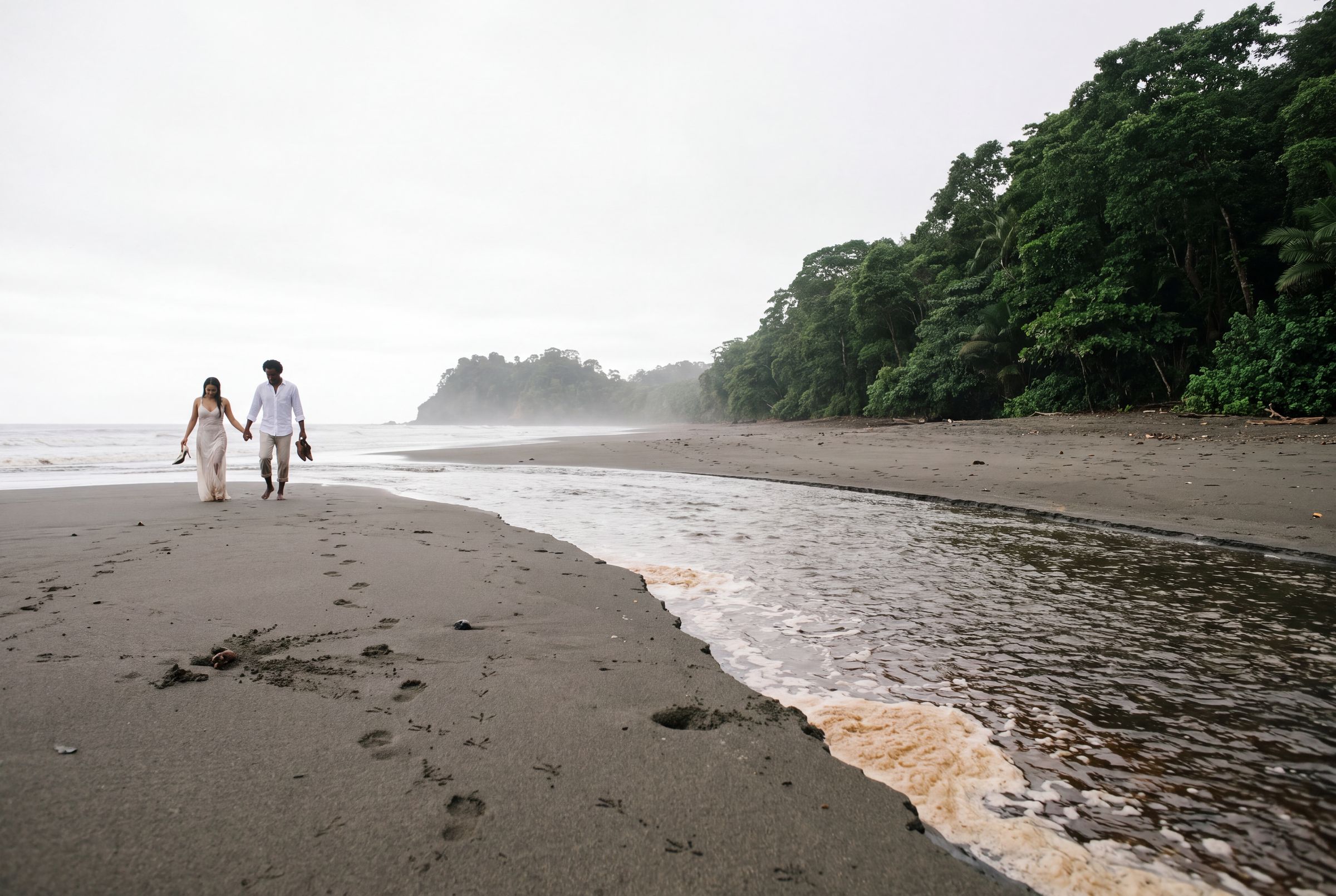
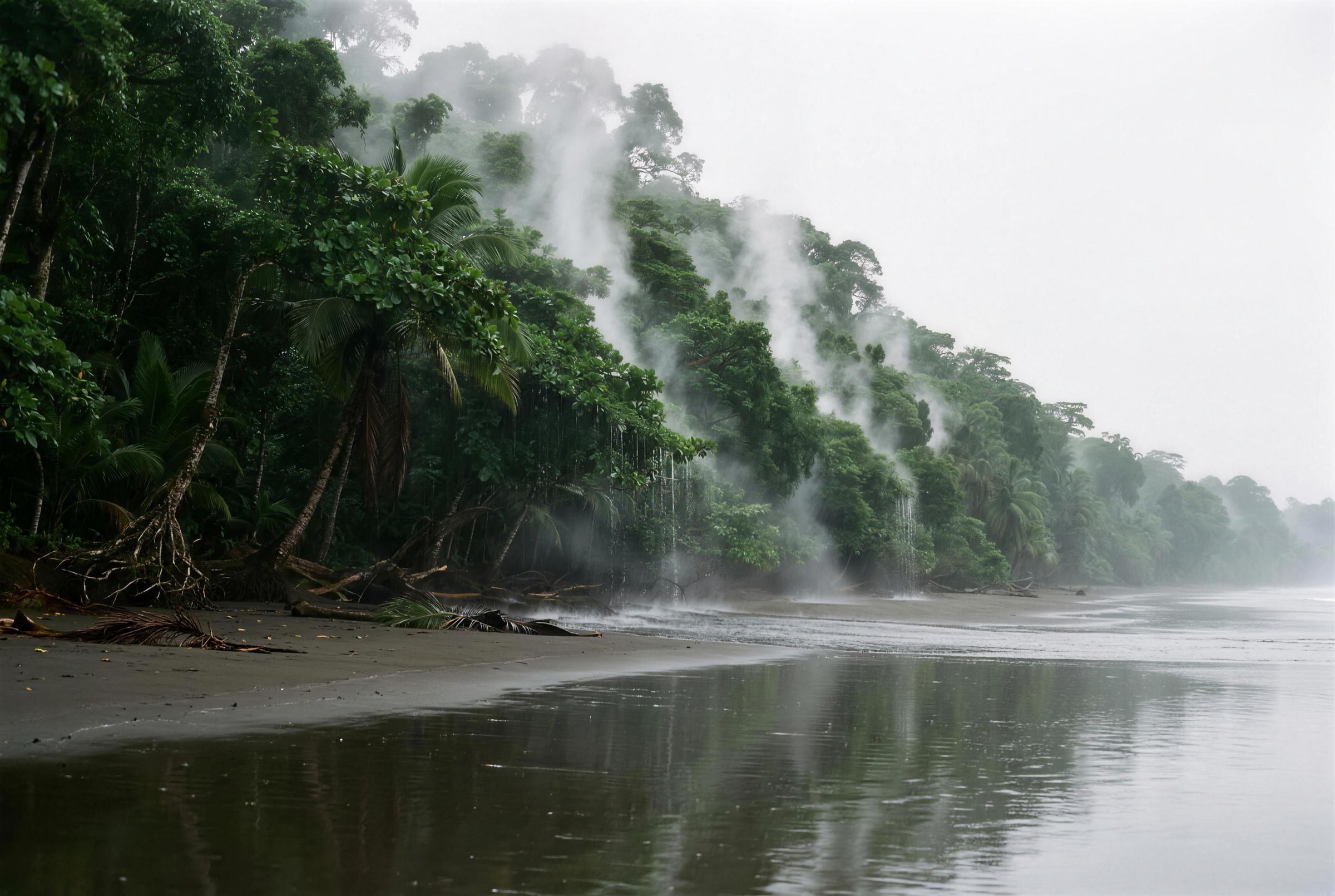
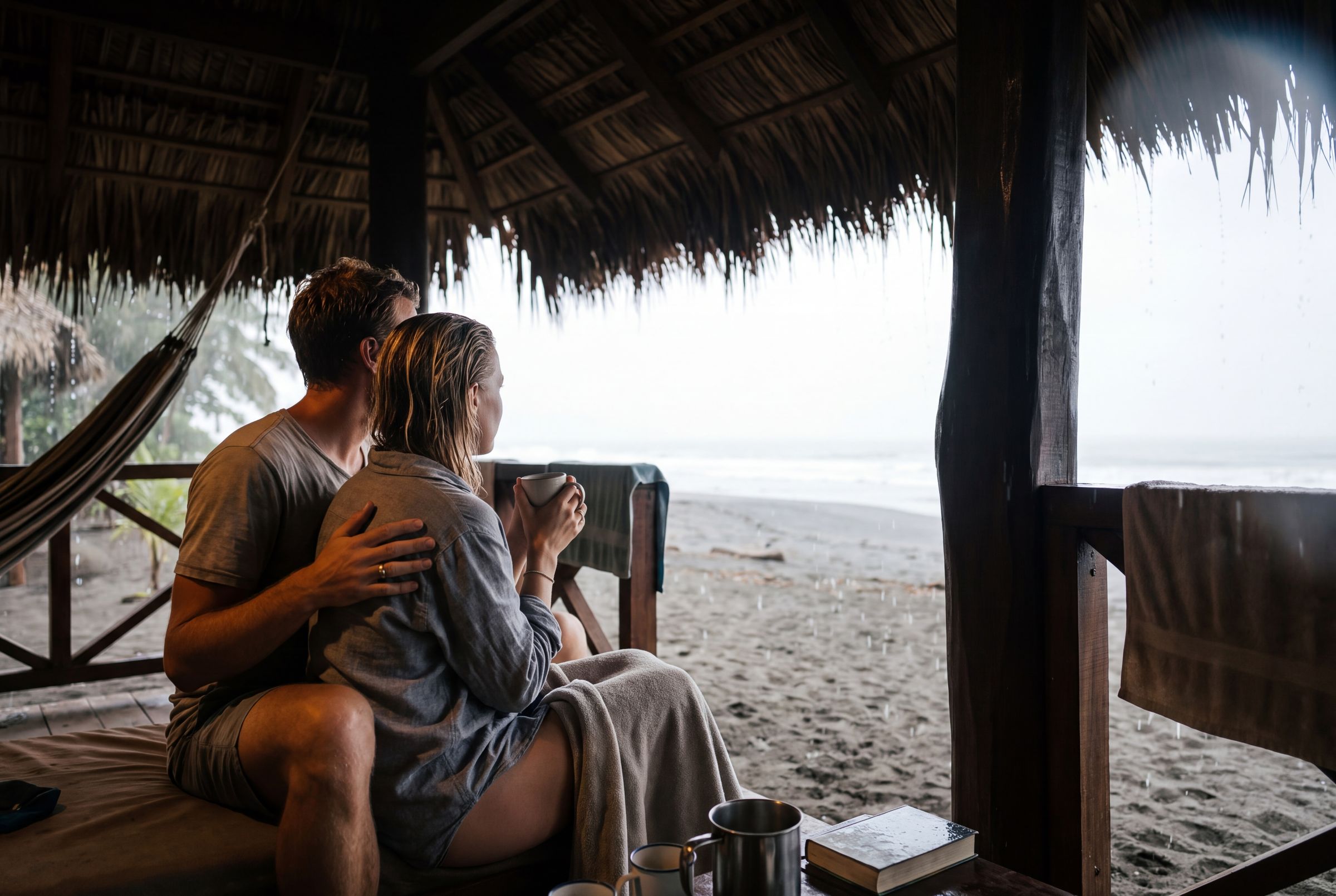
Guachalito is the beach south of Nuquí that has done most of the work of making this coast famous. Black sand, palms leaning over it, rock outcrops in the water, and forest immediately behind.
It is where most of the small lodges are, strung along the beach with substantial gaps between them, which produces the thing couples come for: you can walk out of your room and be alone on a beach in a way that is genuinely rare anywhere.
You reach it by boat from Nuquí, and once you are there you stay there unless you take another boat. That containment is the point rather than a drawback. There is nowhere to go, so nobody goes anywhere, so the beach stays empty.
Termales, and the hot springs behind the beach
South of Guachalito is Termales, which is a village with a beach and, back in the trees behind it, natural hot springs. They are the reason the place is named what it is named.
You get there by boat from Nuquí and then walk in from the shore. It is commonly done as part of a southbound run that takes in several beaches on the same morning.
The springs are worth an hour and they are worth it at the end of a day rather than the start, when you have been in cold rain and salt water since first light. Hot water in a rainforest, in the rain, is a specific and excellent feeling and it is the closest thing this coast has to a spa.
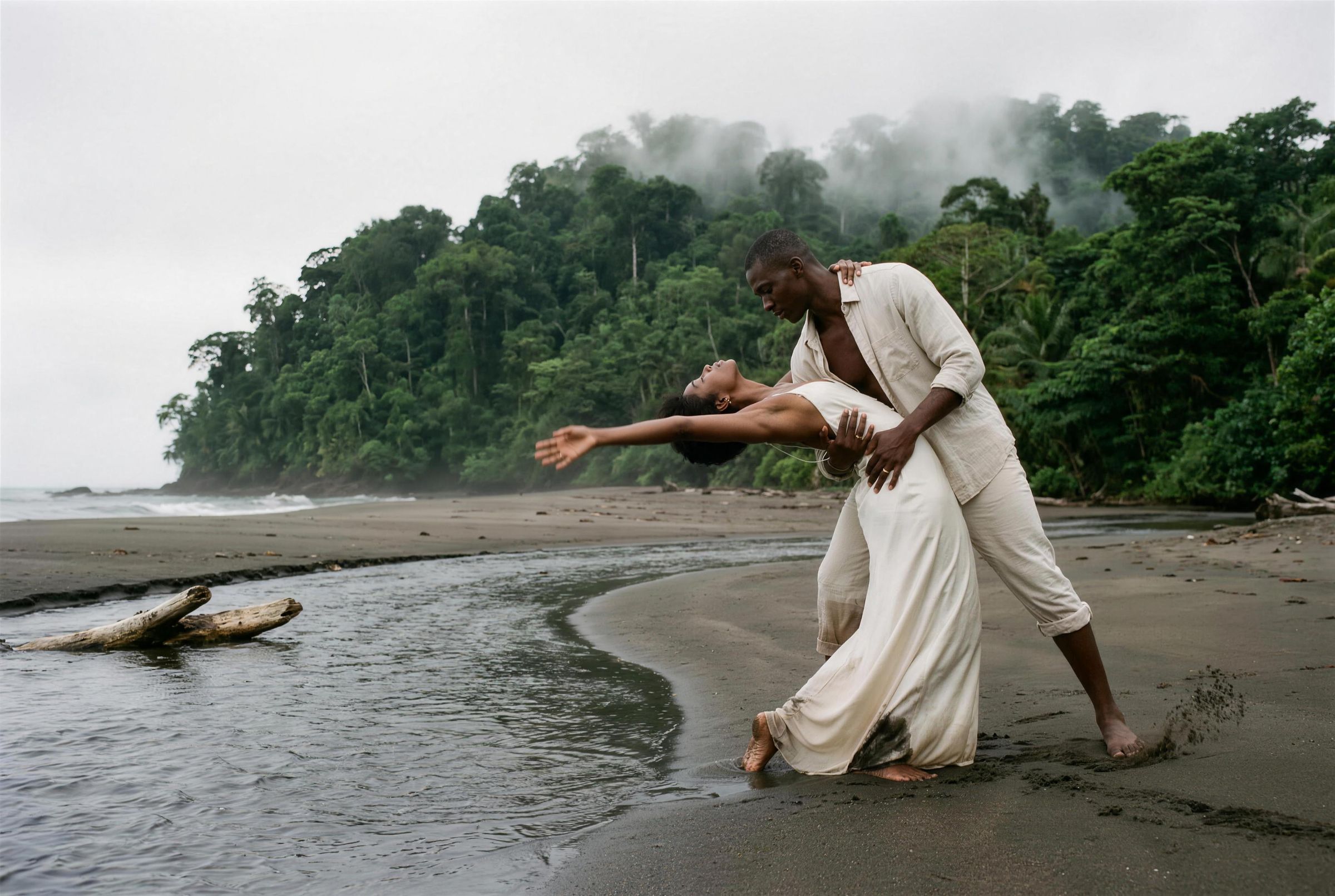
Coquí, Joví, Partadó, Arusí
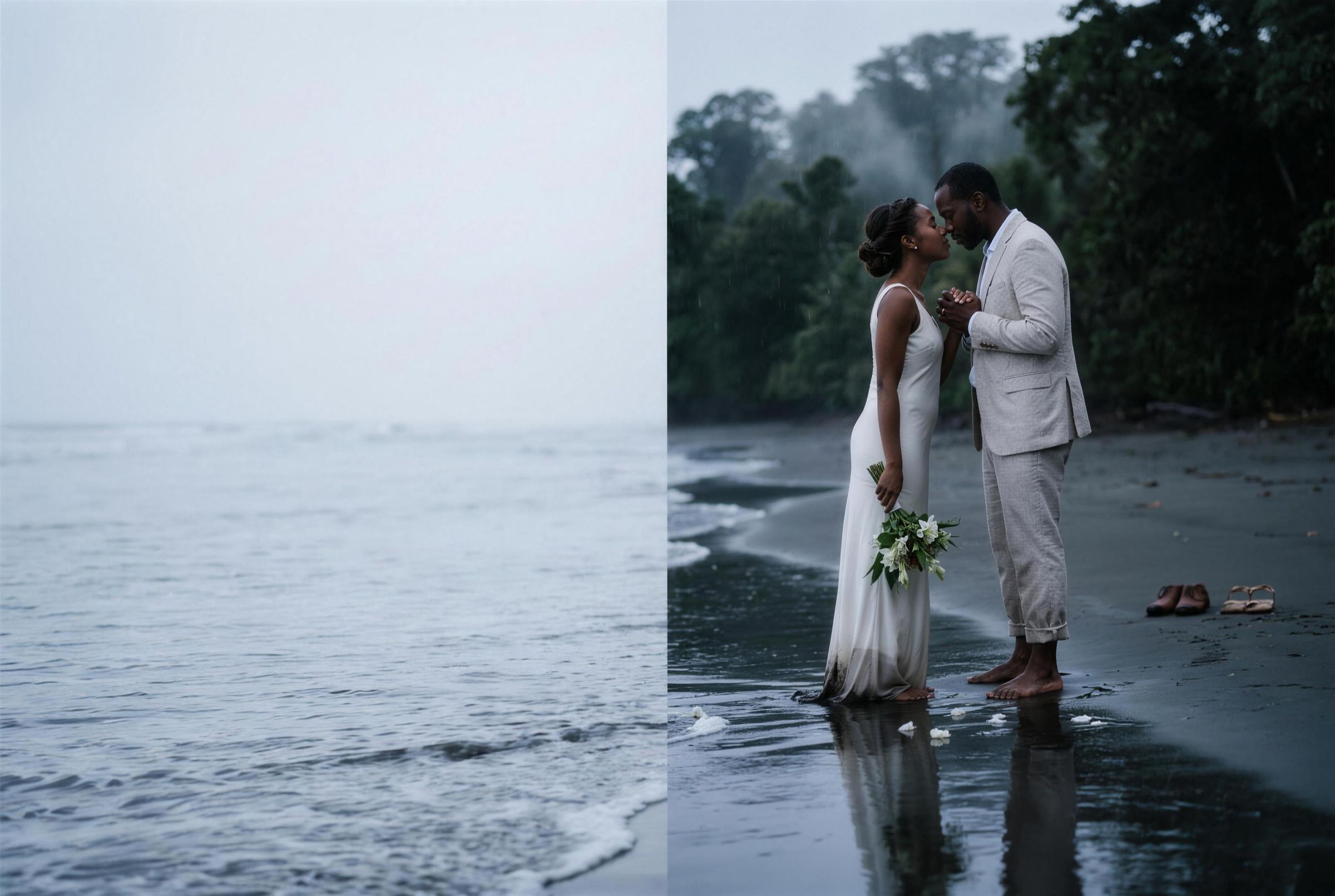
South of Nuquí the coast is a string of small villages and each has its own character. This is the part that rewards a longer trip.
Joví sits between Guachalito and Coquí and is the base for the river trips. Coquí is a community village known for local stays and for canoeing its river. Partadó is further south, and the useful measure of this coast is that you can walk to it from Termales in about two and a half hours along the beach. Arusí is near the southern end of what is walkable at all; past Punta Arusí the beach chain stops and it is boats or jungle paths.
Nobody needs to see all of them. One village, properly, with enough time in it that you stop being a visitor for an afternoon, beats four in a day. The two-and-a-half-hour beach walk is worth more than the boat tour that covers the same ground in forty minutes, because on the walk you are the only people on the sand.
The Joví river and the walk to the waterfall
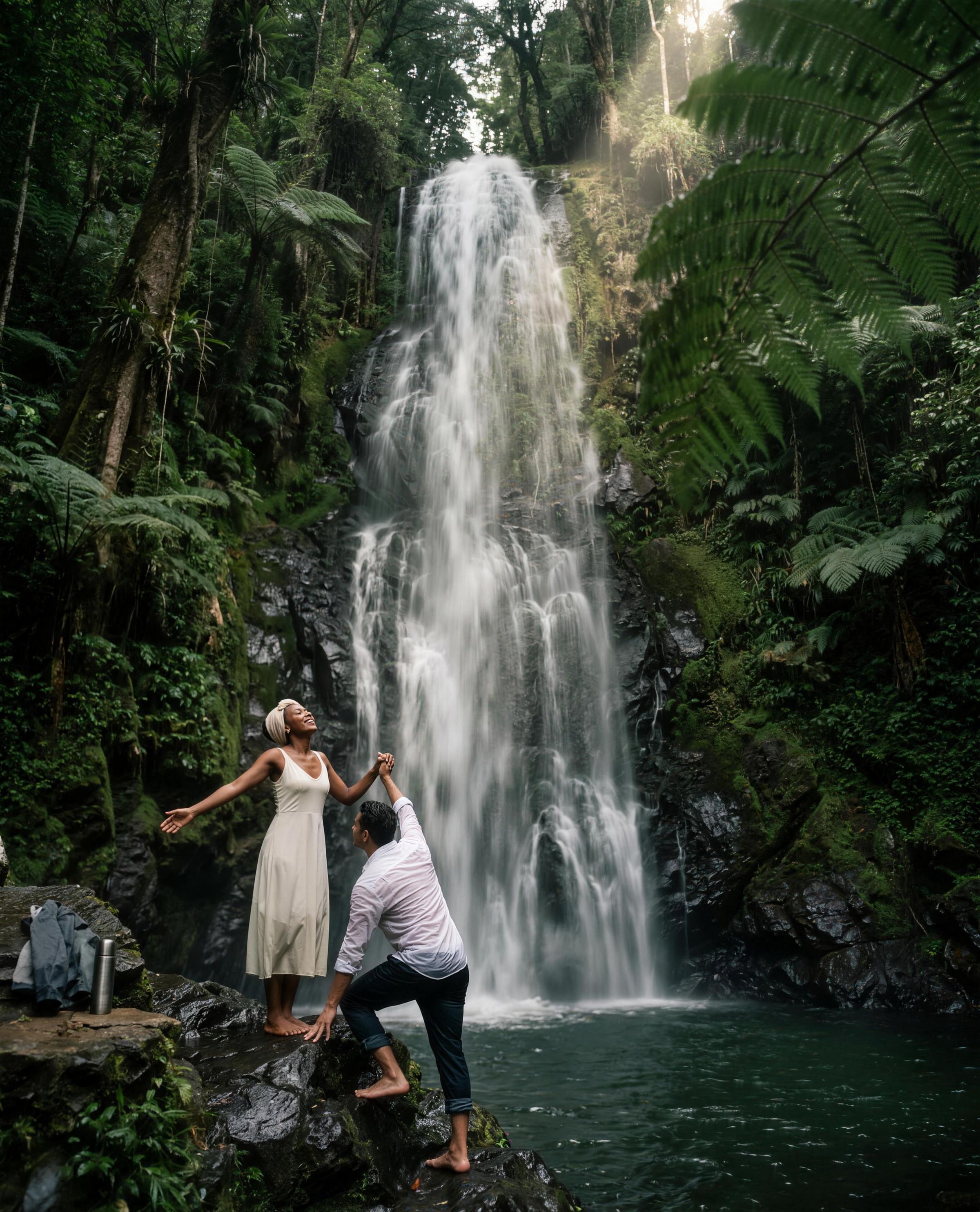
Behind Joví the river runs back into the forest and you go up it in a canoe, quietly, with the trees closing overhead. Somewhere up there is the waterfall that gets called the Cascada del Amor, reached by the boat trip and then a walk inland.
This is the best bad-weather day on this half of the coast. The river and the forest are unaffected by surf, swell, or the state of the beach. When the sea is too rough to launch for whales and the beach is brown with runoff, the river is exactly what it always is, and it is arguably the more beautiful location anyway.
It is also quiet in a way the coast is not. No surf noise. Just water moving and a great deal of insect sound, and a paddle.
Getting between it all, which is the whole logistics problem
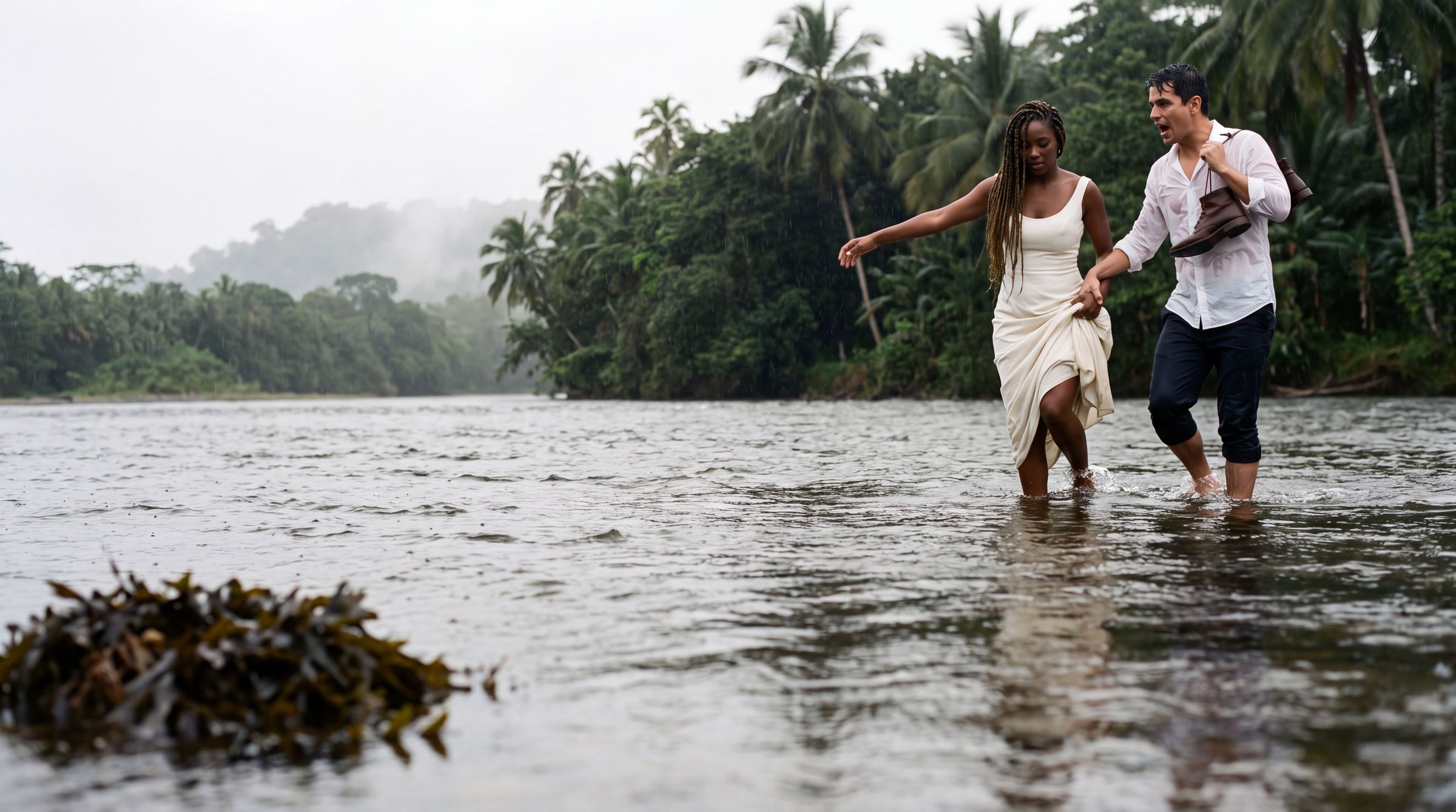
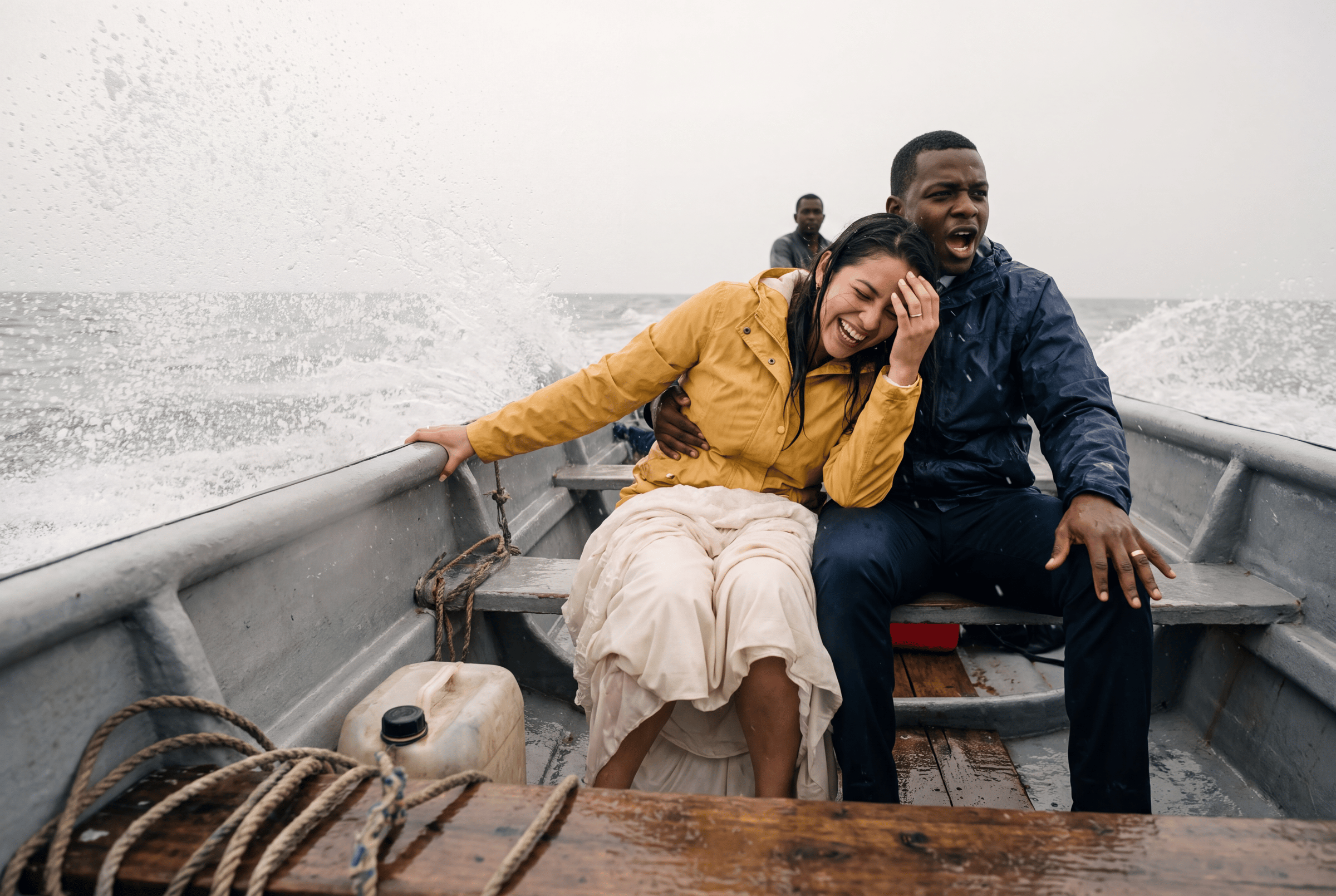
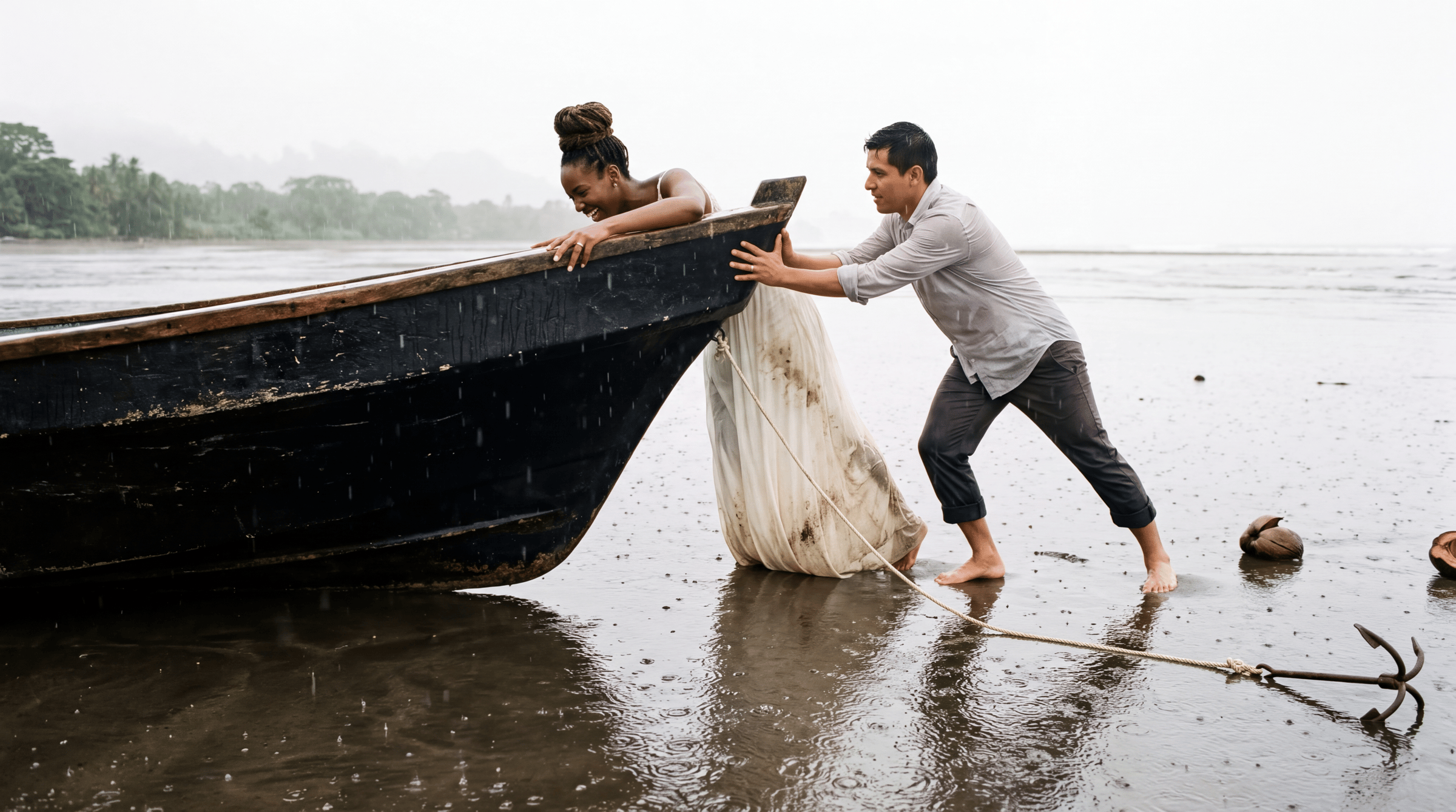
There is no pier. Every boat movement on this coast begins with the boat being pushed off the sand through the shore break, and everybody wading in and climbing over the side.
Which means: you will be wet to the knee at minimum, several times a day, in whatever you are wearing. It means the sea state decides whether you go at all, and the decision is made on the beach that morning by the boatman rather than in advance by me. And it means the dress travels in a dry bag and is put on where the ceremony is, not at the lodge before a boat ride.
The other option is the tide. Long stretches of this coast are walkable at low water and impassable at high, so a beach walk that is a pleasant hour in the morning is not available at four in the afternoon. Every plan here is written against a tide table and confirmed the night before.
Pico de Loro and the surf
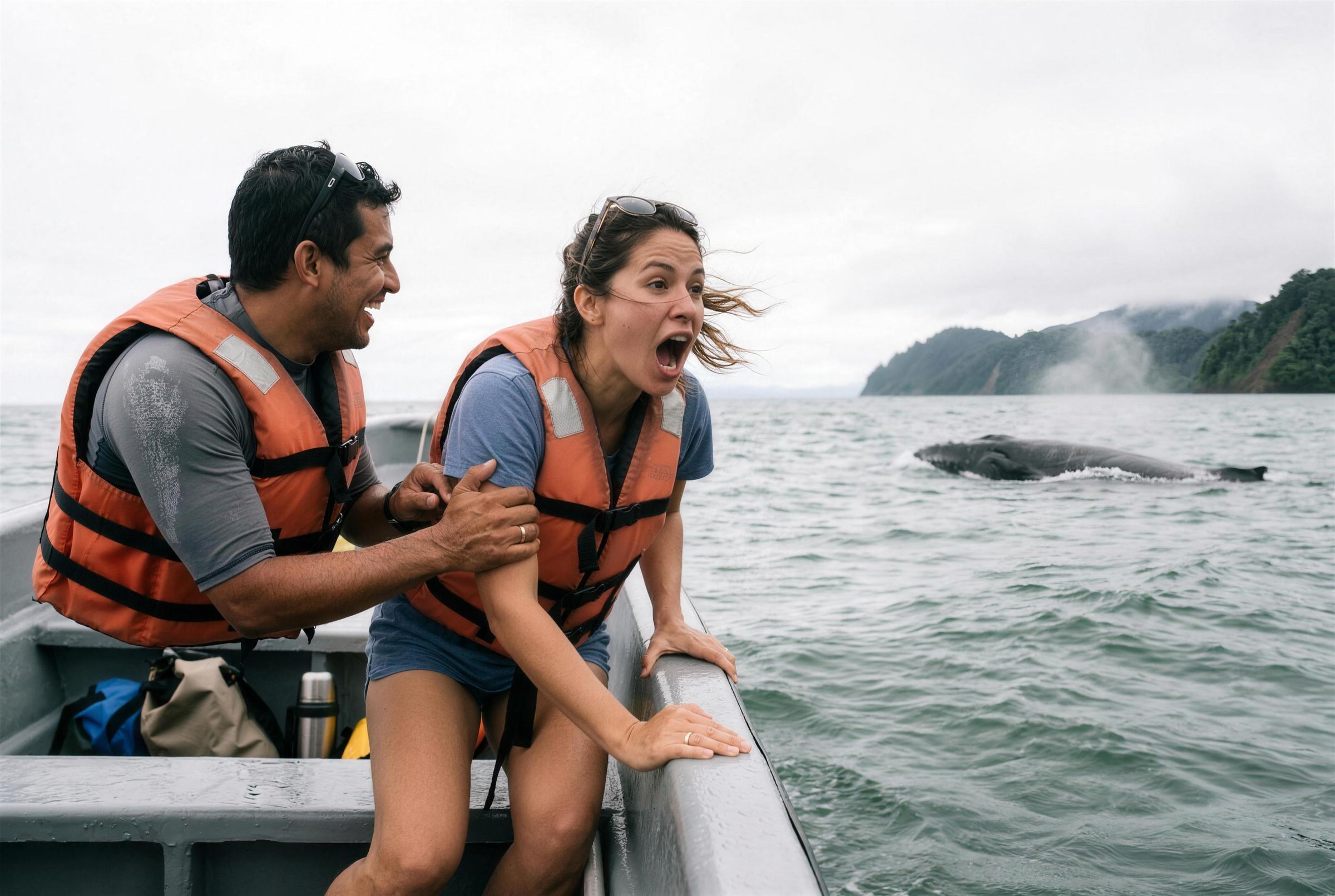
The Nuquí side has real surf, and Pico de Loro is the break that gets called world class. If either of you surfs, this is a genuine reason to choose the south over Bahía Solano.
If neither of you does, treat the same fact as a warning. This is an open Pacific coast with strong water and no lifeguards anywhere. Swim where the lodge tells you to swim, and if you are photographing in the shallows, which we will, understand that the shore break here knocks people over routinely.
I have had a bride taken off her feet by a set in ankle-deep water. It was funny and the photographs are excellent, and it would not have been either of those things twenty metres further out.
What the lodges are actually like
Small, wooden, thatched, on stilts, open to the air. Frequently no glass in the windows, because what would it be keeping out.
Solar or a generator that runs certain hours. Little or no signal. Food is whatever came out of the water that morning, cooked in coconut, and it is outstanding and it is not a menu. The whole coast operates on what arrived rather than what was ordered.
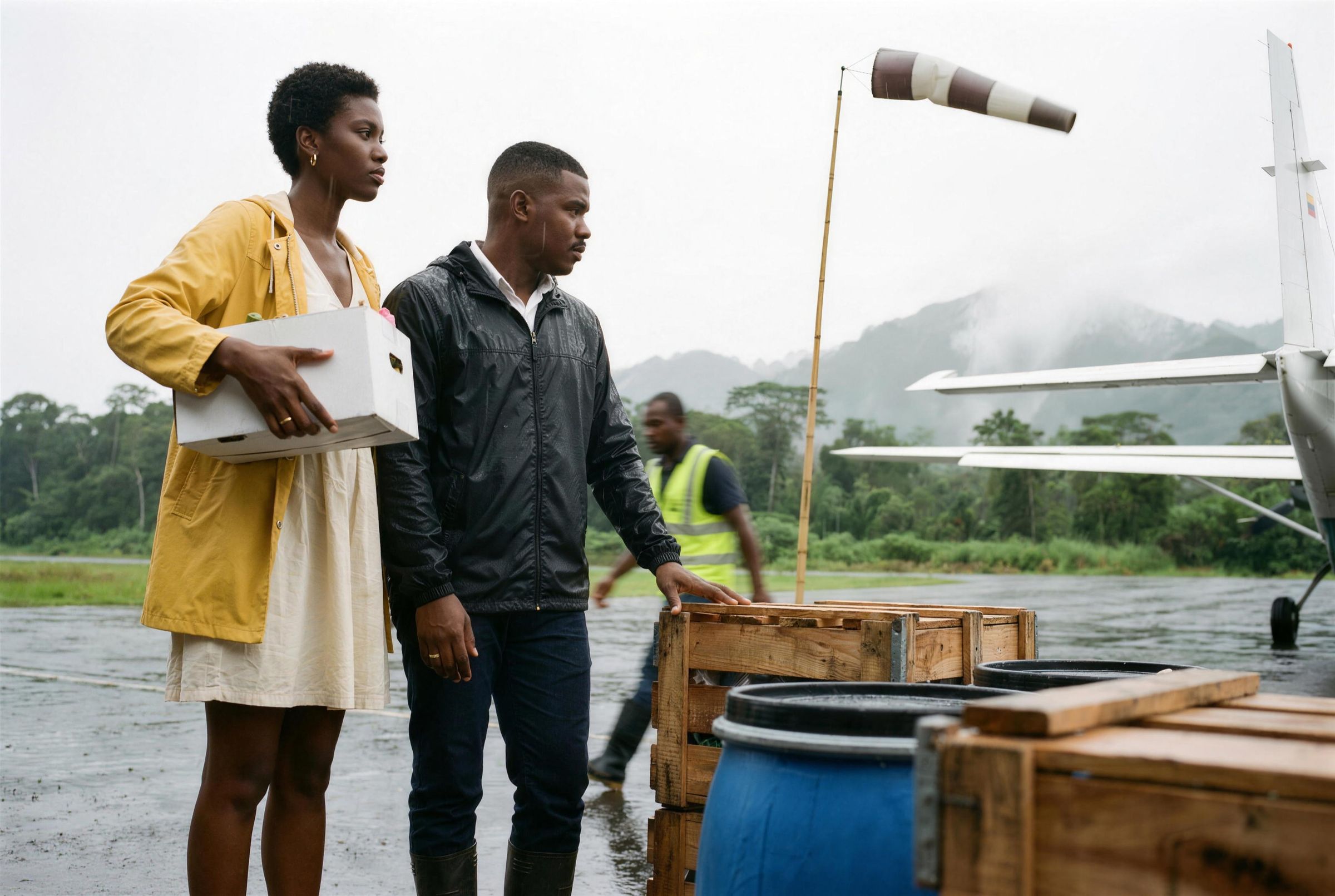
Some of these places have half a dozen rooms. In whale season they are full months ahead, and the absence of any road means there is no fallback within reach. I name the lodge and the arrival day, you book it directly.
Whose coast this is, and how the villages work
Every one of those villages is a community rather than a destination, and the distinction is legal as well as moral.
Chocó is roughly eighty per cent Afro-Colombian, with Emberá and Wounaan Indigenous communities making up around another twelve. Under Law 70 of 1993, Black communities on the Pacific hold land collectively through community councils, and Indigenous territory is held through resguardos. The beach at Guachalito, the path to the hot springs, the river at Joví: these are collectively titled and governed.
Tourism here is organised around that. The boats are local, the guides are local, and much of the lodging is locally owned or locally staffed by design rather than by accident. When you pay for a river trip you are paying a household in Joví.
What I ask of couples is small and it matters. Ask before photographing people, and take no for an answer. Do not wander into a village and treat it as a set. If we are using a beach for a ceremony, it has been arranged with whoever holds it, and that arrangement is worth more than a better angle.
The upside of all this is the thing couples remember. On a coast organised this way you are not processed. You are somebody's guest for four days, and it feels completely different from a resort.
What you eat
Fish, seafood, and coconut in almost everything. Encocado, coconut rice, whole fish that was swimming at dawn. The Pacific kitchen is its own tradition and it bears no relation to the food in Medellín, which surprises couples who think they have already eaten Colombian food.
There is no menu and no substitutions worth speaking of, because supply is a boat. Flag genuine dietary requirements at planning rather than on arrival.
Viche, the artisanal cane spirit of the Pacific, will appear at some point. It is culturally central here rather than a novelty, and refusing it politely is fine but accepting it is better.
What to actually pack
Specific, because the general advice does not survive this coast.
Dry bags, more than you think. Every boat movement is a wet launch off a beach and spray comes over the bow. Anything that must stay dry lives in a dry bag, including the dress.
Nothing that needs to dry. Cotton does not dry here. It just gets progressively more damp for four days. Quick-dry fabric or accept the situation.
Shoes you can destroy, and one pair you keep dry. The keep-dry pair lives in the bag and comes out at the lodge.
Repellent that works, long sleeves for dusk, and whatever the travel clinic told you, because this is a malaria risk area. A headtorch, because the generator goes off. Cash, because there is very little else out here and the machine in town is not a plan.
And a small thing that matters more than it should: a second camera battery and a way to charge in a few hours rather than overnight. That applies to me and it applies to your phone.
A three-day build
The order matters and the logic behind it is weather rather than drama.
Day one, the ceremony, on the beach at the lodge. It is the only location that cannot be cancelled. You have flown a long way and the married part should not be at the mercy of a sea state. Late afternoon, tide permitting, and then dinner.
Day two, the water. South along the beaches, Termales and the hot springs, the walk to Partadó if the tide is right, Utría if you are going. This is the day that flexes with the sea, and because it flexes it is the day that produces the frames nobody planned.
Day three, the river. Up the Joví by canoe to the waterfall. I put this last deliberately: it is the one thing that works in any conditions, so it is the safety net at the end rather than a gamble in the middle. If days one and two both went perfectly, day three is a beautiful quiet morning. If the sea took day two, day three saves the trip.
Utría from the south, and the music
Utría National Natural Park is reachable from this side as well, by boat north from Nuquí. The same rules apply: entry and exit between eight in the morning and two in the afternoon, 80,000 pesos for a non-resident foreigner, and capacity arranged in advance rather than a gate you arrive at.
It is a longer run from Nuquí than from El Valle, so it is a full morning committed and it needs a calm sea. Worth it for the inlet, which is the stillest water on this entire coast and the place the whales bring calves.
The other thing worth arranging is music. The Pacific has its own tradition and it is nothing like the rest of Colombia. The marimba de chonta, made from palm wood, played with drums and voices. Chirimía, the wind and percussion music of the region. Alabaos, sung unaccompanied by women.
If you want music at the ceremony, hire people rather than bringing a speaker. Musicians from the villages play the tradition of the coast you chose, the money stays in the community whose beach you are standing on, and it costs a fraction of a band at home. It is the decision couples are most glad they made.
Nuquí or Bahía Solano
The straight answer, having sent couples to both.
Choose Nuquí if seclusion is the priority, if you want the rivers and the hot springs, if you surf, or if the idea of a beach with three buildings on it over four kilometres is the thing you are actually buying.
Choose Bahía Solano if the whales are the point, if your trip is short enough that a cancelled flight would break it, or if you want the option of walking rather than boating between places.
And if the trip runs long enough, do both, with the coastal transfer between them as a chapter rather than a transfer. On a flat morning that run is one of the best hours of the week and I have photographed more good frames on it than at some ceremonies.
What it costs, and the honest warning
Nuquí sits inside the Pacific circuit: the Essential at $8,900 for one designed elopement day, the Curated Signature at $15,500 adding a second full day and a film, and the Curated Adventuremoon at $21,500 for the full circuit across several days.
Everything I curate on the ground sits inside that. Flights and the lodge do not, and out here the internal flight from Medellín is a meaningful part of the budget.
The warning, and it costs me money to give it: if you can only come for one day, go to the Caribbean circuit instead. Cartagena and the islands will give you a beautiful single day with a very high chance of cooperating. Nuquí on a one-day plan is a bet, and the odds are not with you. This coast pays out over three days and it does not pay out over one.
The coast-wide guide is how to elope in Chocó, the northern town is Bahía Solano, the alternative is the Caribbean circuit, the tiers are on the pricing page, and the day is on the Chóco hub.
Tell me how many days you have and I will tell you if this coast is the right one →
Enquiries to the publisher, armanarai.com.