How to Elope in Santa Teresa, Where the Tide Sets the Hour
At high water this beach narrows to almost nothing. Get that one thing right and the hardest coast in Costa Rica to reach becomes the one couples argue hardest for.
A Santa Teresa elopement is $7,600 for one day, $9,600 for two and $11,900 for three, in US dollars for the two of you, with the planning, the symbolic ceremony, the flowers, hair and makeup for one, my photography and my film, and the peninsula transfers all inside the number. The same figure I charge anywhere in Costa Rica, which matters here because this is the most awkward coast in the country to reach and it does not cost you extra to want it.
Two things shape every day at this end of Nicoya: the tide and the road. Neither is a detail. Both have ruined other people's plans and both are completely manageable if somebody is watching them months in advance.
(Continued on Page 2, Col. 1)
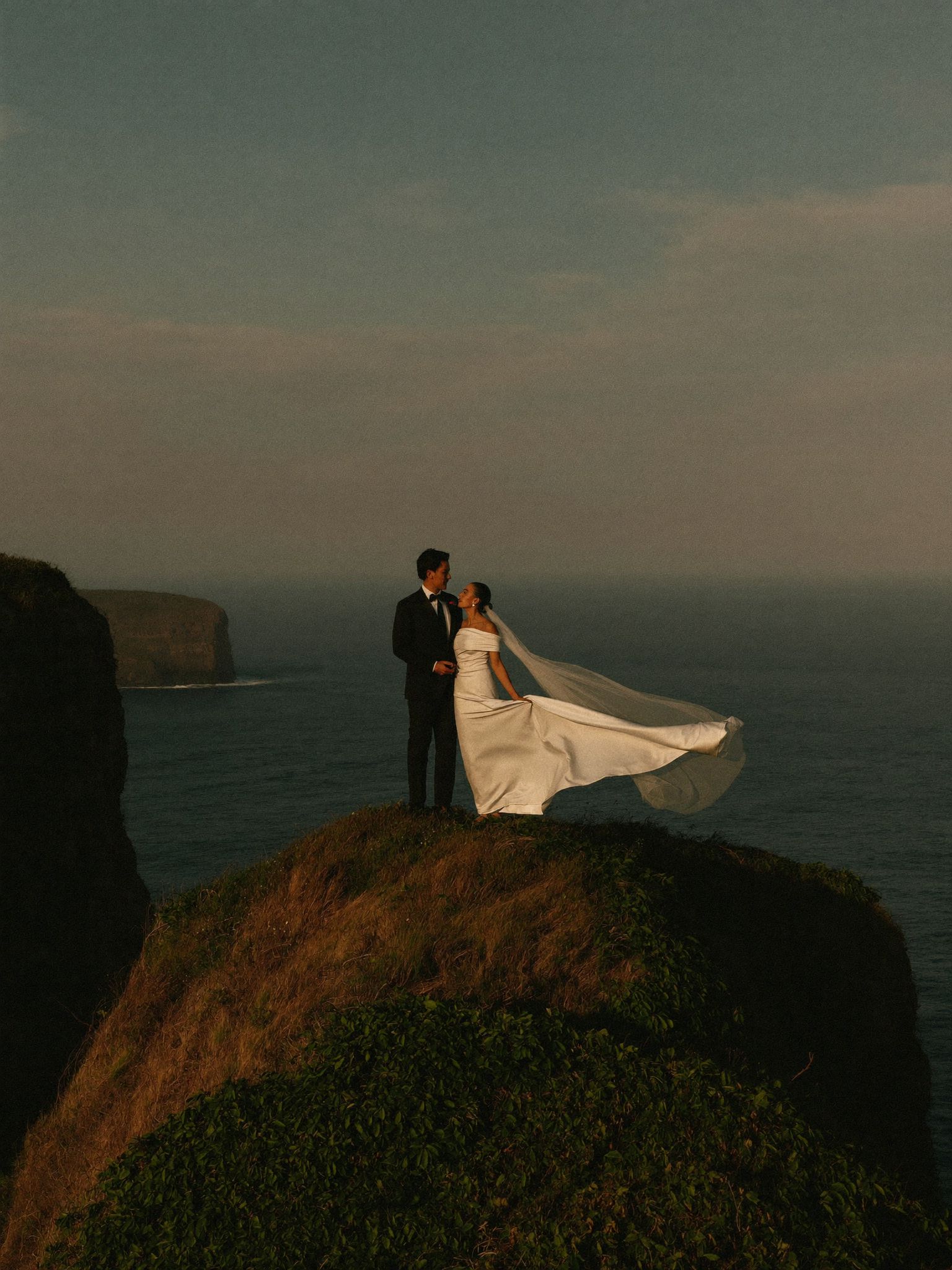
Why does the tide set your ceremony time?
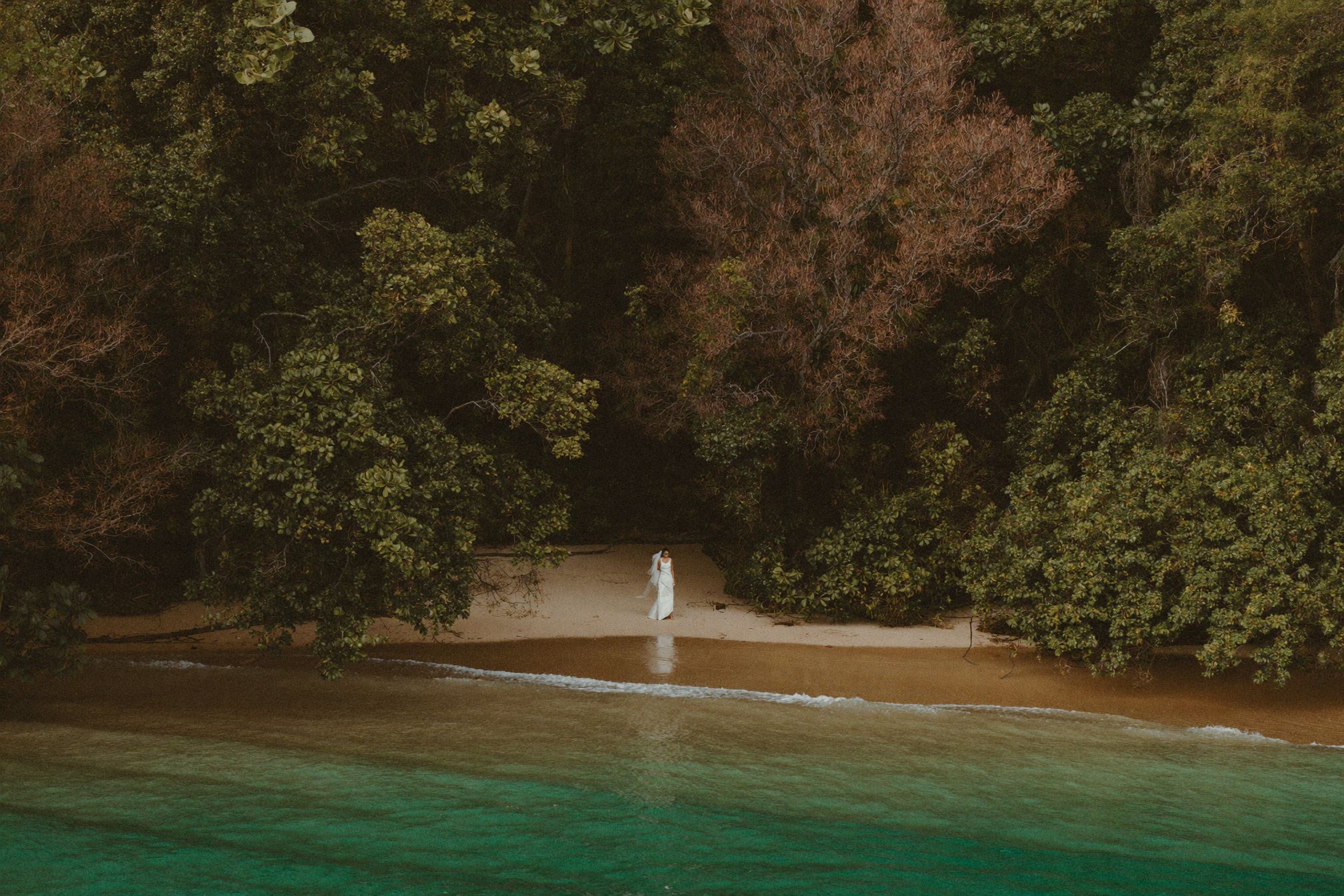
Because at high water there is often no beach. The Pacific sand at Santa Teresa narrows substantially against the rocks and the treeline as the tide comes in, and the wide hard flat that makes this coast photograph the way it does exists only at lower water.
So the ceremony time comes off a tide table first and gets checked against the sunset second. When the two will not agree on your chosen date, I will ask you to move by a day rather than run a ceremony with nowhere to stand.
That has happened. One February couple had a sunset ceremony planned for an evening when high water landed within the hour. There would have been a strip of sand about two metres wide between the sea and the vegetation. We moved to the following evening, when a falling mid tide and the sunset lined up properly, and it cost them nothing except a rearranged dinner.
It is the single most common thing missed by couples planning this beach from a photograph, because a photograph does not tell you what the water was doing an hour later.
Do you actually get a sunset over the water?
Yes, and it is one of the strongest reasons to be at this end of the peninsula. Santa Teresa faces west, so the sun goes down into the Pacific rather than behind a landmass.
A surprising amount of Costa Rica's famous scenery cannot offer that, and the entire Mexican Caribbean cannot offer it at all. Couples who have been looking at Tulum and wondering why every sunset photograph looks inland have usually worked out the answer by the time they reach this page.
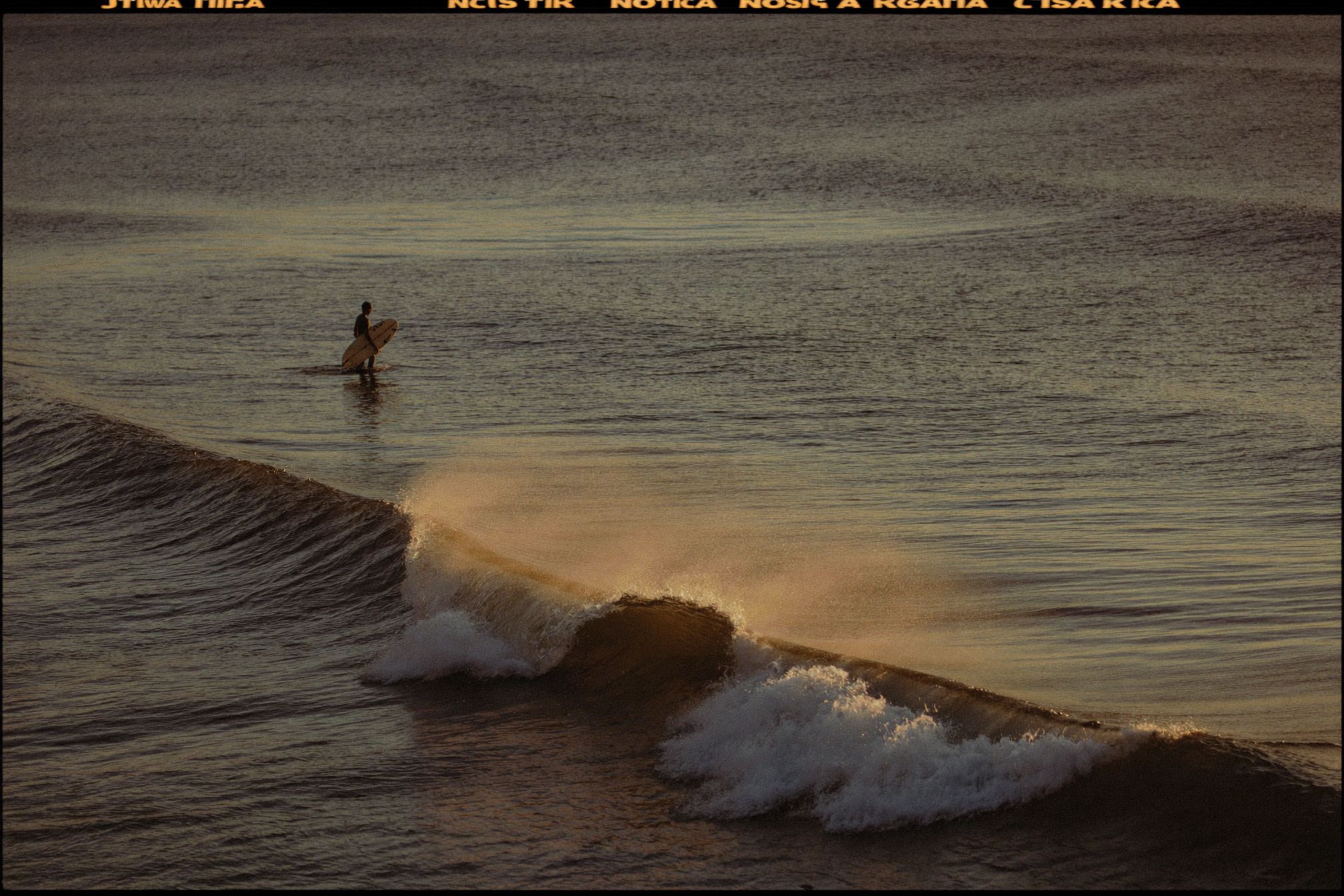
The trade is that the same orientation gives you an exposed surf coast. The rips here are significant. Lifeguard coverage runs roughly eight in the morning to six in the evening and warning flags are not always posted. Anything in the water goes into the plan deliberately rather than spontaneously, and I will say that plainly rather than leave it as an assumption.
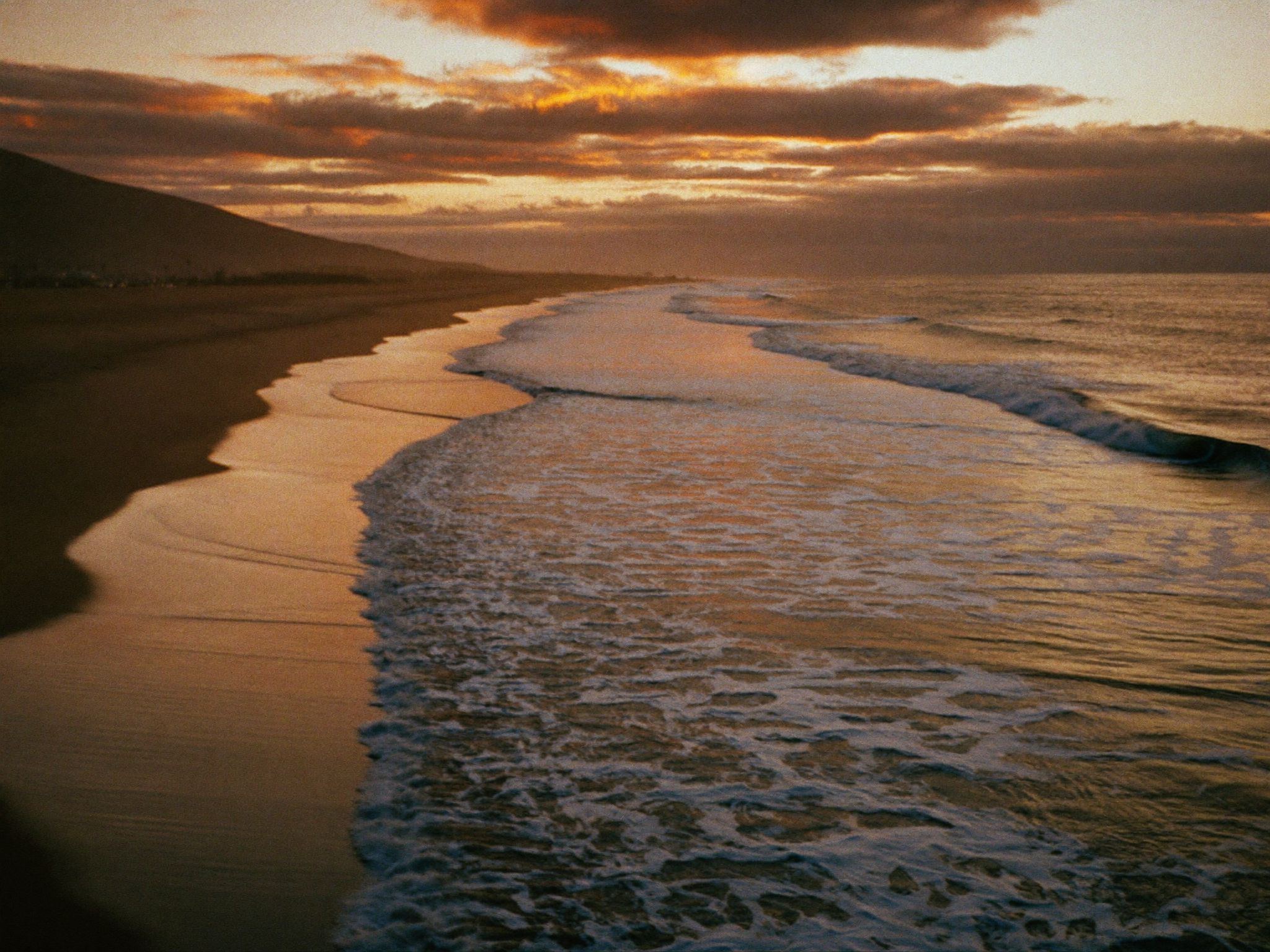
How bad is the road, really?
In the dry season, fine. In September and October, it is the main planning problem. The main road and the side accesses rut and flood, some businesses close temporarily, and a high clearance four wheel drive stops being a nicety.
This is why the last hundred metres of your property matters more than the property. I ask about the access road before I ask about the view, and in green season I will move you to somewhere with a paved approach even if the listing photographs are worse. Transfers on the peninsula, with four wheel drive where the road needs it, are inside your figure.
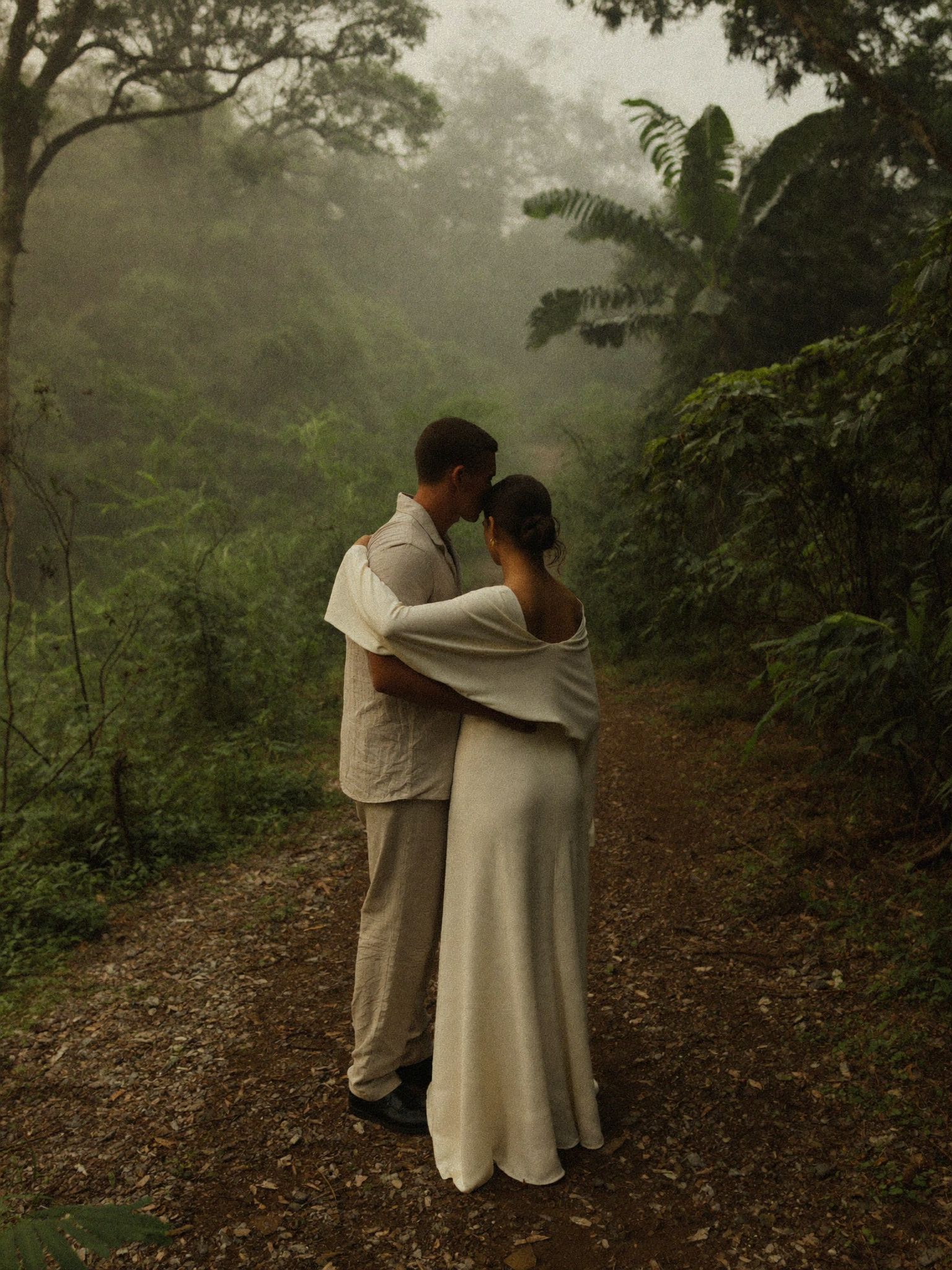
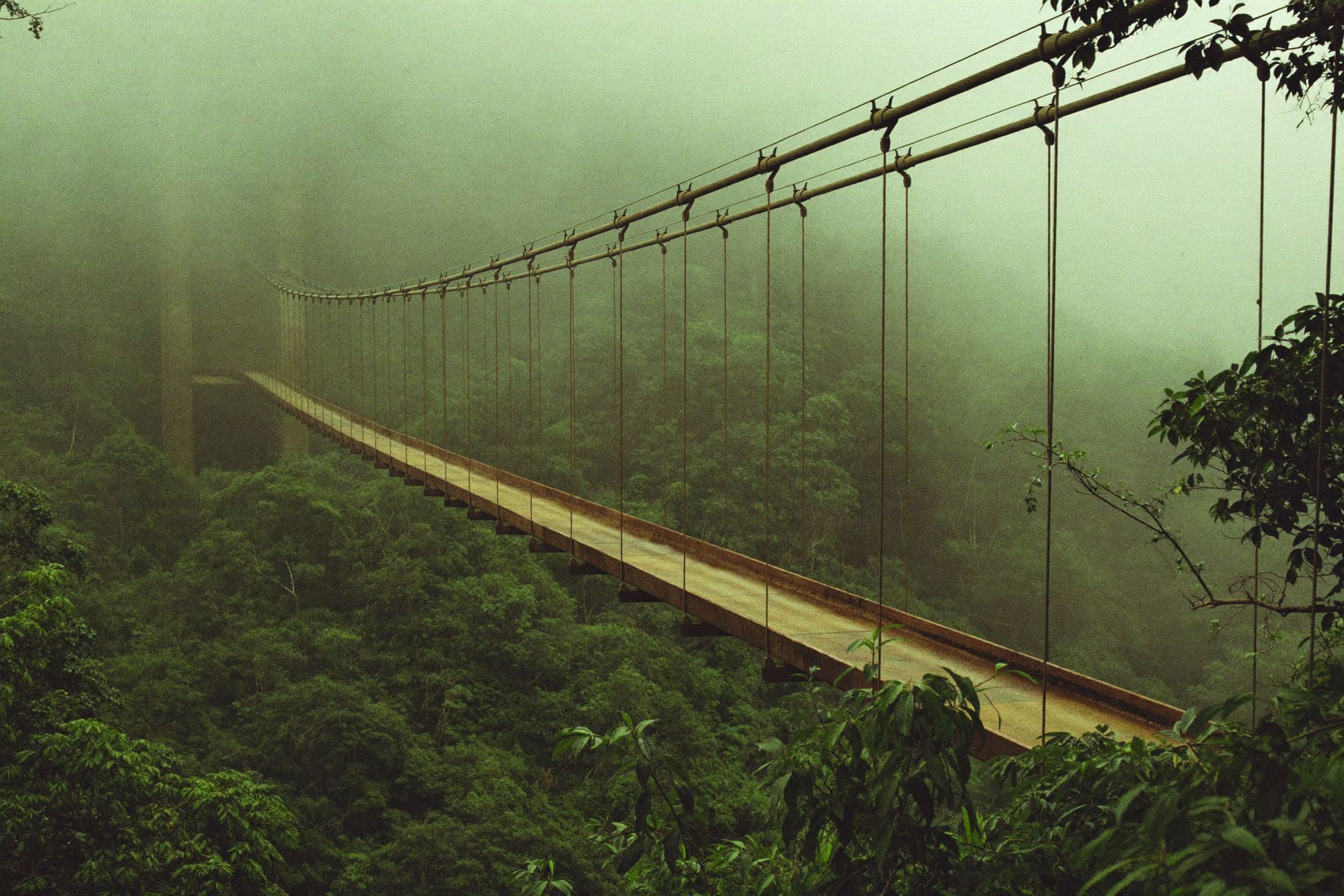
The upside of all that rain is the jungle roads behind town, which hold mist between the trees for an hour or so after dawn and give you a location that works when the beach does not. I am relaxed about weather here in a way I am not on the Caribbean side, because there is always somewhere green to go.
Can you have the ceremony on the beach?
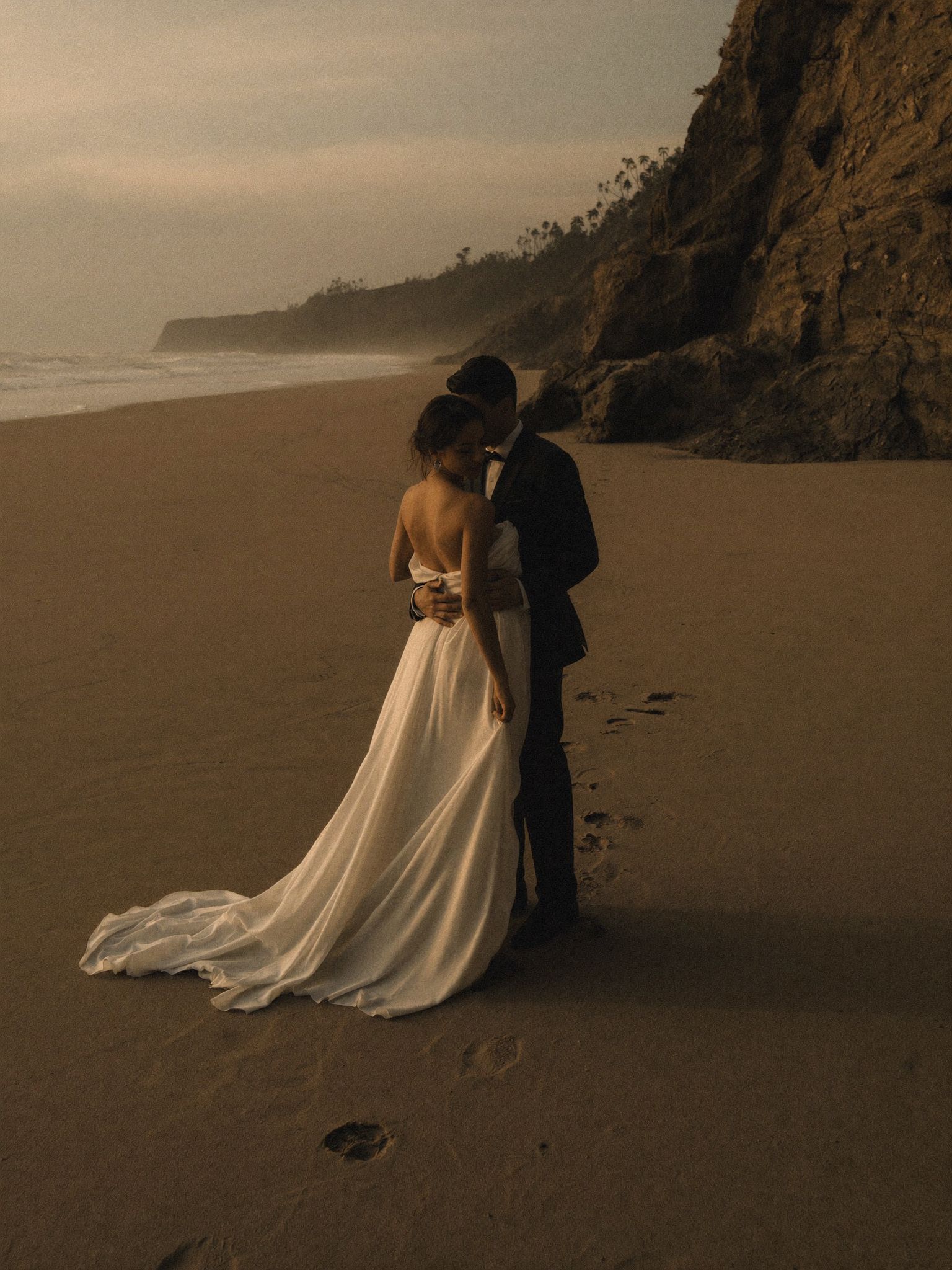
The first fifty metres from the ordinary high tide line is public maritime zone under Costa Rican law, with free passage that no hotel can close off. The next hundred and fifty metres may sit under a concession. A two person vow exchange with nothing installed is the least problematic format there is.
The moment you add chairs, an arch, amplified sound or reserved space, it changes. That needs a written classification from the Cóbano district licensing office, and commercial licences inside the maritime zone can only be issued to the registered concessionaire rather than to a visiting supplier.
I get that in writing during the planning rather than turning up and hoping. I have not found an official register that gives a specific fee or a categorical exemption for a two person symbolic ceremony, so the honest answer is that we ask and we work to whatever comes back.
What about drones and the reserve?
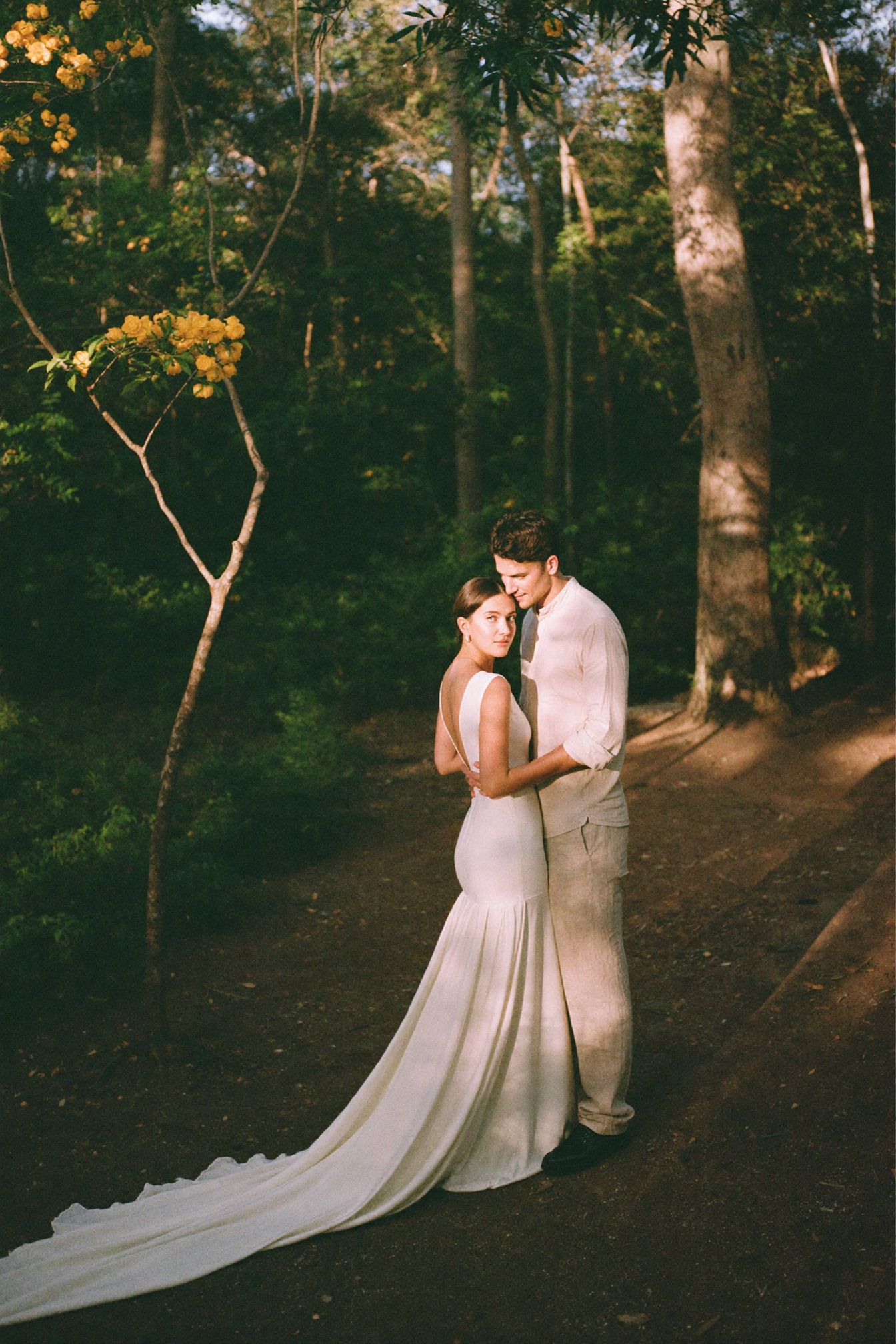
Drone rules here surprise people in both directions. Costa Rica's civil aviation authority does not require registration for recreational drones, contrary to a lot of third party guidance. What it does prohibit is flying over people, towns and cities, or near airports, without permission, with normal limits including daylight operation and a ceiling of about a hundred and twenty metres above ground in uncontrolled airspace.
Santa Teresa is a populated settlement and a ceremony is a gathering. So a flight directly over you is not automatically compliant simply because it launched from the beach. Where it is permitted and safe, aerial coverage is included. Where it is not, I say so.
Cabo Blanco, at the very bottom of the peninsula, is the oldest protected area in the country and a genuine absolute reserve rather than a park with facilities. It opens Wednesday to Sunday, eight until four, at twelve US dollars for a non resident adult. There is no published system for private events inside it, so it is a visit and a walk on the Honeymoon itinerary, not a ceremony location.
How do you actually get there?
Two ways, and they are very different. The small strip at Cóbano, ACO, is twenty to thirty minutes from town and is the fast option. Otherwise it is San José, SJO, and five to six hours by road including the Puntarenas to Paquera ferry.
The ferry runs a fixed timetable and does not care about your flight. One January couple missed a sailing and arrived four hours later than planned, which was fine only because the arrival day is always its own day and I never put a ceremony on it. On this peninsula that rule is not negotiable.
In green season the four wheel drive is the prudent vehicle because water crossings and deep ruts can make an ordinary car unsuitable, and the transfer time from either the strip or the ferry needs a weather buffer built into it.
When should you come?
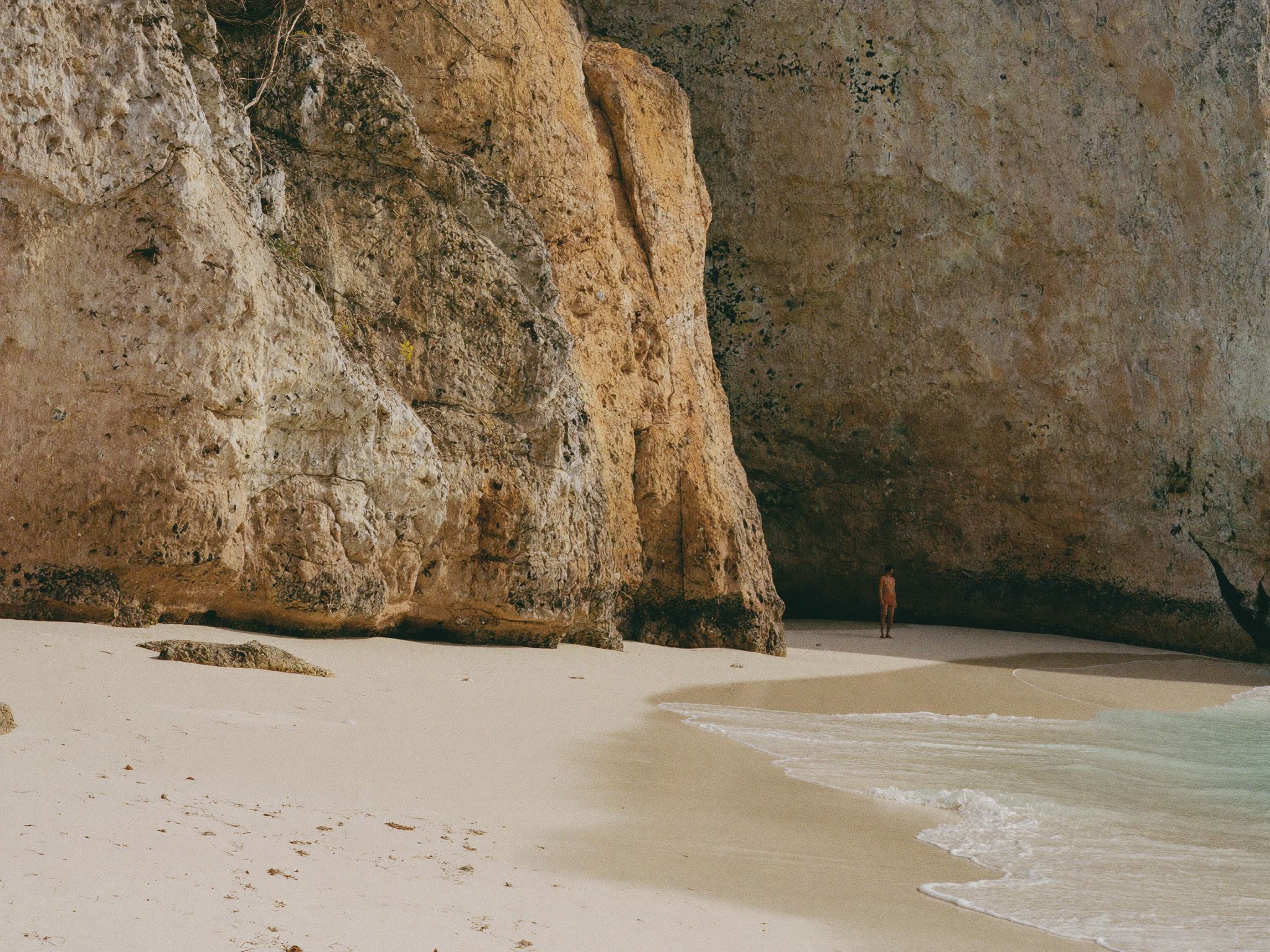
December through March is the defined Pacific dry season and the window I will push you toward without much argument. April is transitional and hotter.
Green season runs roughly May to the middle of November, with a relative lull around July and August that locals call the little summer. It is genuinely workable if you accept what it is.
September and October are the part I will try to move you off, and I will tell you exactly why rather than just discouraging you: wettest weather, worst road conditions, and some businesses shut. If you cannot move, I base you high, keep every location close to a paved surface, and we take the dry window when it comes. One October couple got a single extraordinary hour on their second afternoon and rain on most of the rest. They knew that was the deal before they paid anything, which is the only reason it worked.
Is the ceremony legally binding?
It can be, and most couples choose symbolic. Costa Rica is one of the simpler countries in the region for a legal marriage: no residency requirement, no waiting period and no blood test.
A Costa Rican notary public performs the civil marriage and two adult witnesses are required, which I arrange if you are travelling alone. It registers with the civil registry afterwards, and the certificate needs an apostille and a translation before you use it at home.
One thing to raise at the very start: a woman who is divorced or widowed can face a three hundred day wait before remarrying unless she can show she is not pregnant. That is the kind of detail that is much easier to deal with nine months out than nine weeks out.
Begin the journey
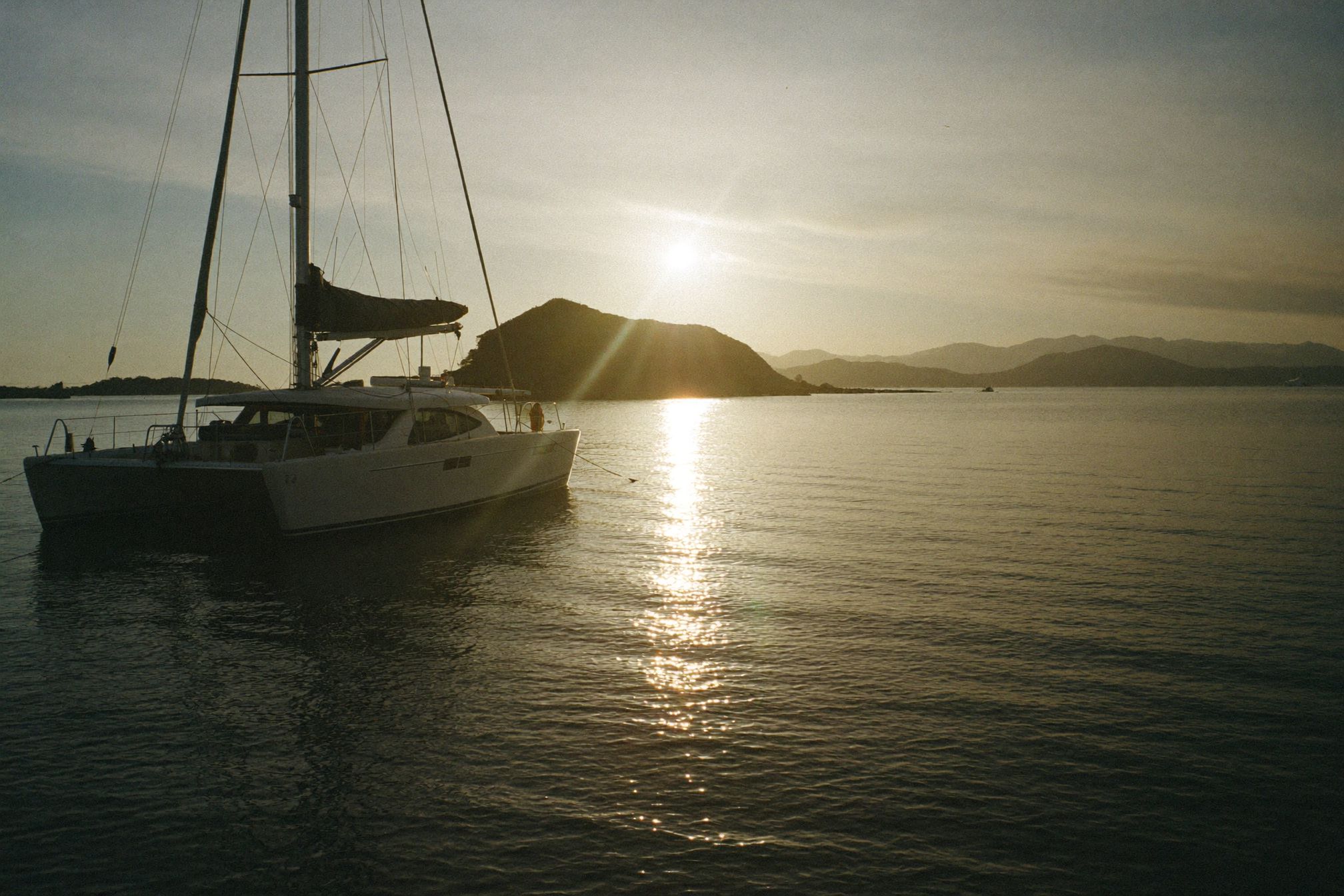
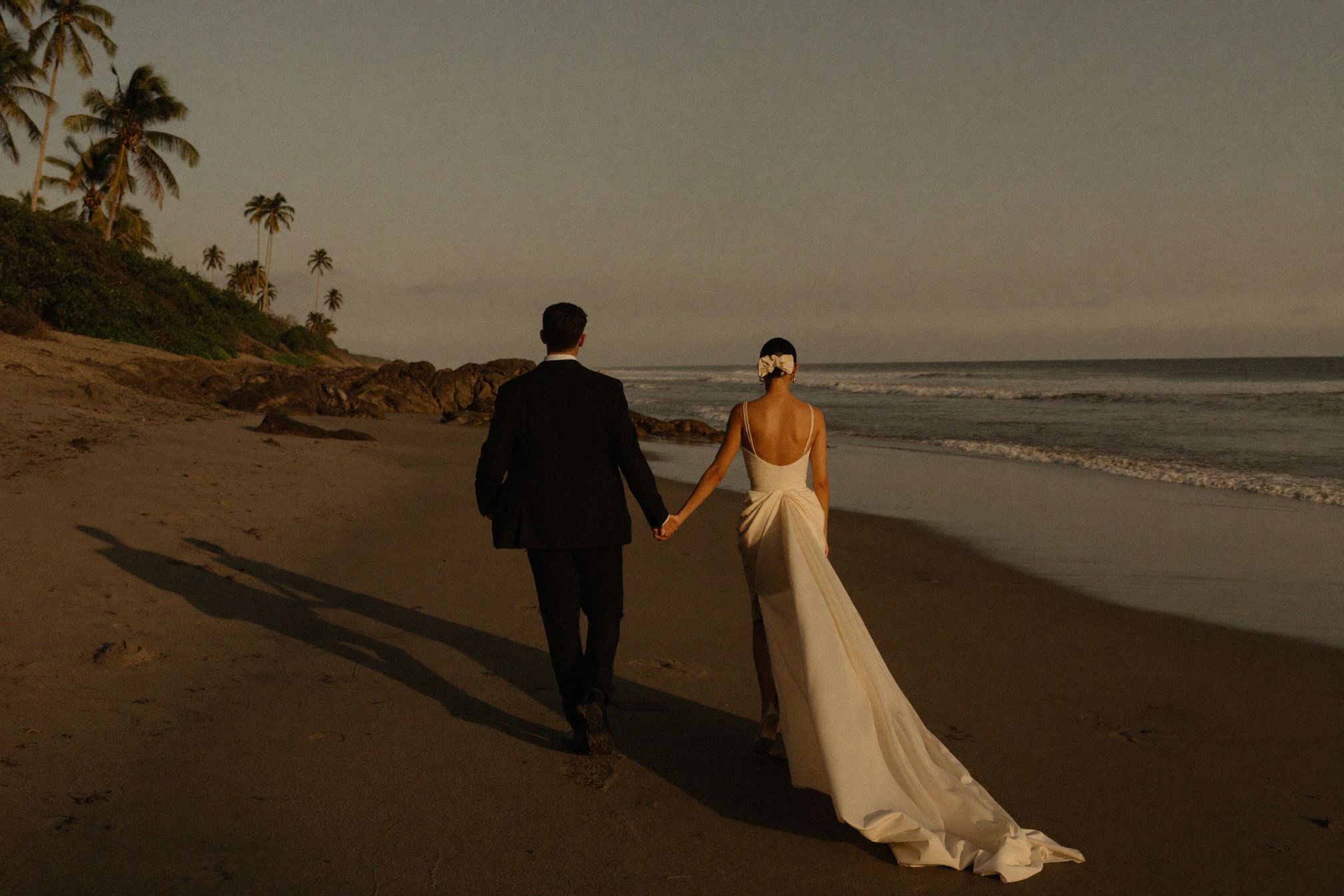
Tell me your dates and what you are picturing, and I will come back within 48 hours with availability, an honest estimate, and the tide, the road and the headland I would point you toward. If your week falls where the tide and the sunset will not meet, I will tell you in the first reply and suggest the day either side.
The full Santa Teresa companion is here. Nosara is the quieter end of the same peninsula, the Costa Rica guide puts both coasts side by side, and you can write to me here.
Enquiries to the publisher, armanarai.com.