How to Elope in San Miguel de Allende, Where the Permit Only Moves on Mondays
Two thousand metres up, the evenings are genuinely cold and the good part of every building is invisible from the street. The municipal office has a weekly clock, and it sets your whole timeline.
A San Miguel de Allende elopement is $7,300 for one day, $8,900 for two and $11,400 for three, in US dollars for the two of you, with the planning, the symbolic ceremony, the municipal licensing run, the flowers, hair and makeup for one, my photography and my film all inside the number. Exactly what I charge on either coast.
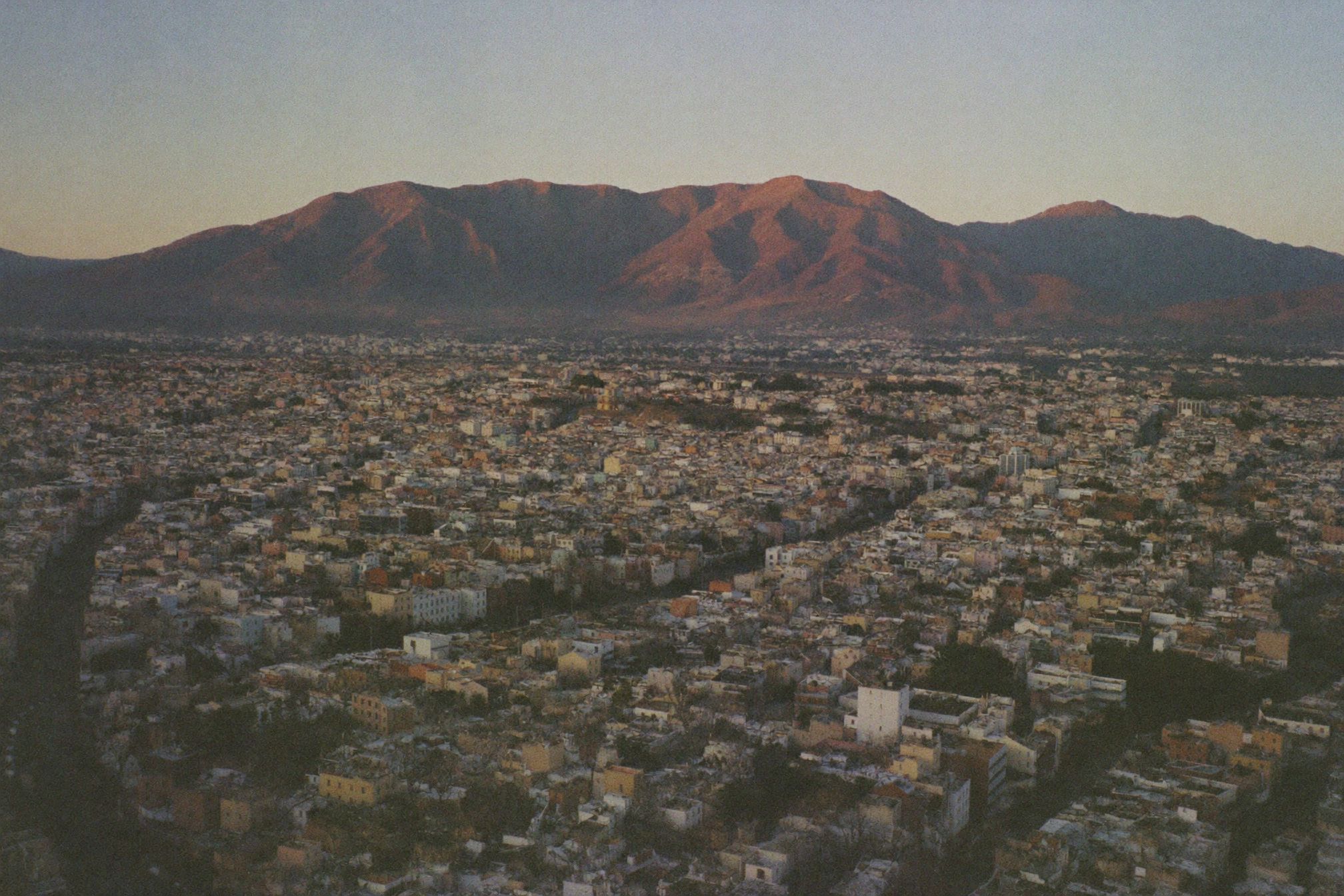
This is the place I send couples who do not want a beach at all. It sits near two thousand metres in the Guanajuato highlands, which gives you warm dry days, genuinely cool evenings, and none of the humidity that shapes every coastal plan in this country.
The thing to plan around here is not weather. It is a municipal office with a weekly clock.
(Continued on Page 2, Col. 1)
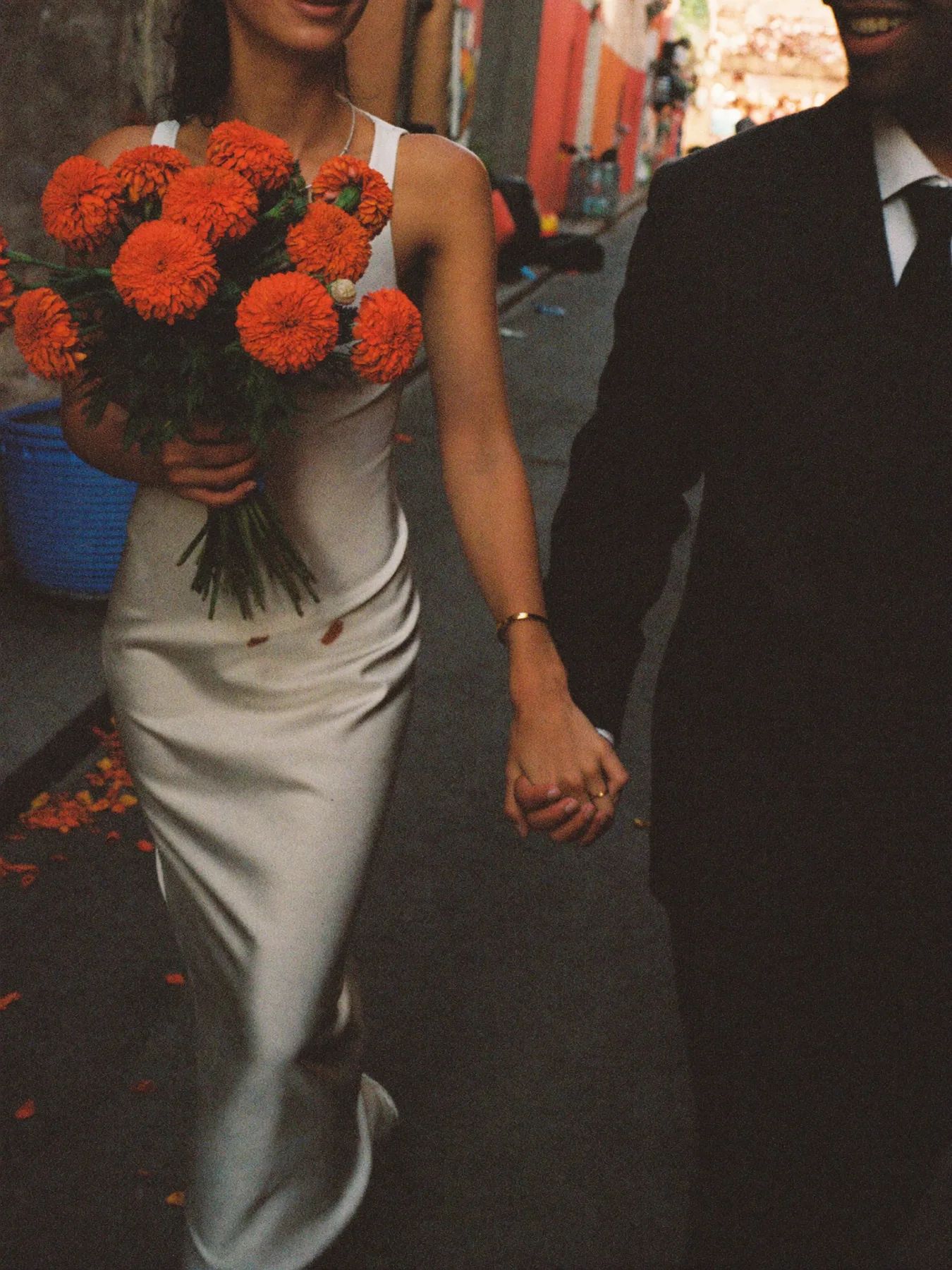
Why the highlands instead of the coast?
Altitude, mostly. At close to two thousand metres the days are warm and dry and the evenings are cold enough that you will want something over your shoulders by nine. On a Mexican coast, in any month, that is not a sentence anybody says.
That changes what is possible in a day. On the Caribbean or the Pacific the middle of the day is unusable outdoors for most of the year, so a coastal plan is really two short windows with a long gap. Here you can work from early morning through to dusk without anybody wilting, which means a single day buys more than a single day usually does.
You also get architecture no beach can offer. Courtyards behind plain street doors, stone that predates the country, rooftops that look over domes and bell towers, and a town small enough to walk across in twenty minutes. If what is putting you off Mexico is heat, seaweed or the resort atmosphere, this is the answer, and because the ladder is national it costs you nothing to choose it.
The thing it costs me to say: if you want to swim, this is the wrong place entirely and I will tell you so on the first call. There is no coastline within three hours. Couples who want water and architecture in the same trip are better served by Oaxaca, or by splitting a three day plan between here and somewhere with a sea in it, and I will price that honestly rather than talk you into the version that suits me.
Can you get married in front of the pink church?
You can be photographed there and you cannot hold it. The main square and the plaza in front of the parish church are municipal public space in front of a working parish. There is no standing reservation system for a ceremony in them and there is no version of the day where you have that square to yourselves.
So we use it the way it actually works, as the middle of a walk, photographed with other people in the frame because other people will be in the frame. It is a beautiful ten minutes and it is not a venue.
The vows go somewhere we genuinely control. The whole architecture of this town rests on the idea that the good part is invisible from the street: a plain wall, a wooden door, and behind it a courtyard with a fountain and light coming down one side of it. Those are private properties with their own contracts and their own capacity, which makes them far simpler than anything public.
On the façade itself, the light has a schedule. Morning gives you the softer eastern version and late afternoon gives the warm western one. Tripod rules inside individual churches vary church by church and there is no single register to check, so I ask each one rather than assume, which occasionally produces a no.
Why does the permit only move on Mondays?
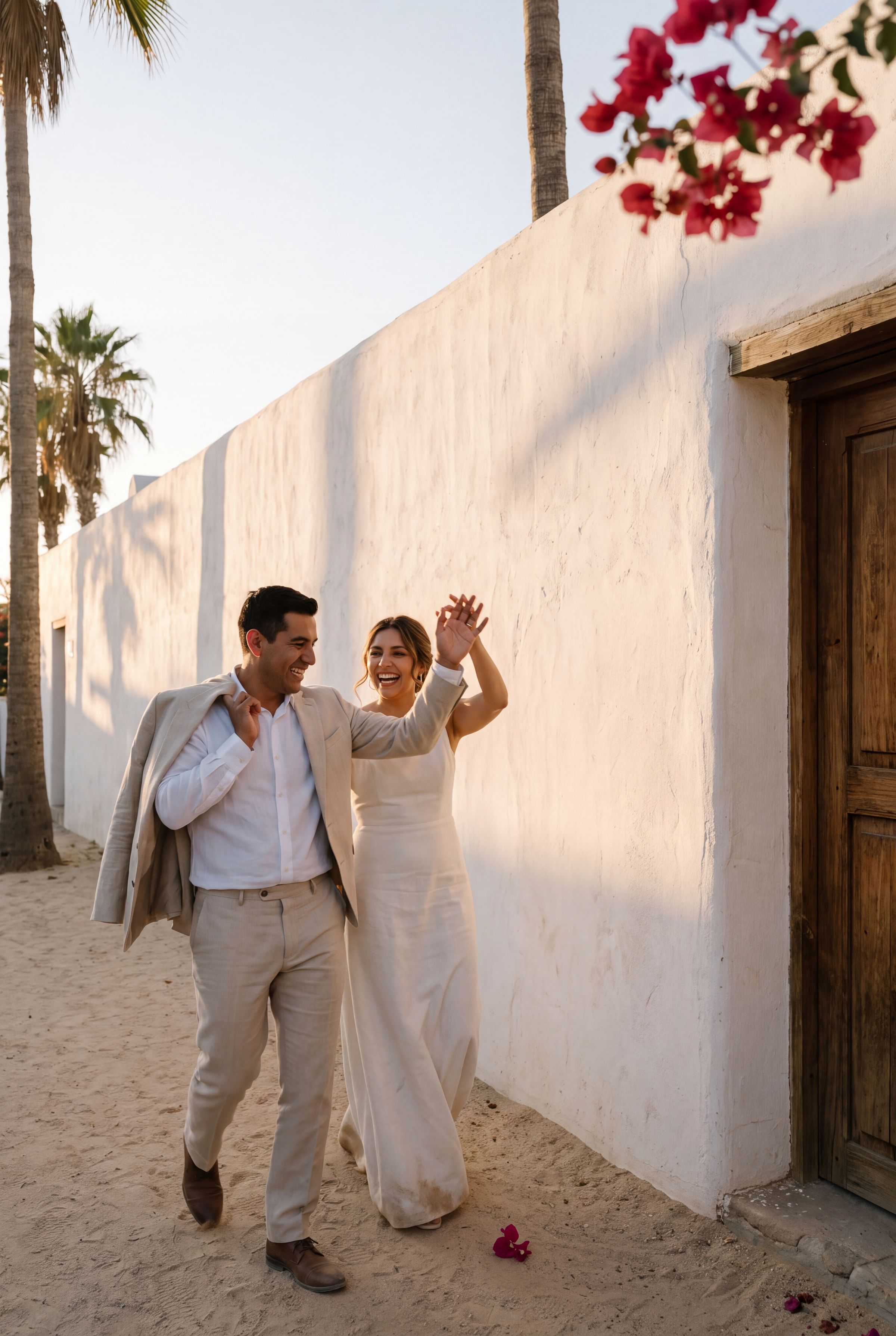
Because that is when the municipal government accepts the file. San Miguel takes event applications on Mondays, roughly nine in the morning to half past two, and delivers the licence the following Tuesday. Miss the intake and you have lost a week. That single fact drives the entire planning timeline here and it is the main reason this town rewards booking a long way out.
The file itself wants a stack: private security and ambulance contracts, current liability insurance, identification, proof of address, and the venue's applicable land use authorisation. The process covers events in public areas and on private property alike. Cold pyrotechnics, sparklers and smoke devices are restricted inside tents and enclosed spaces, which catches people out at the last minute.
Here is what I do not know, and will not pretend to. The 2026 municipal revenue schedule lists a fee of ten thousand pesos for a local public event permit. Whether a two person symbolic ceremony inside a private courtyard is classified as a chargeable public event at all is not something I have found a clean published answer on. So I ask the municipality in writing, early, for your specific plan, rather than quoting you a figure I cannot stand behind.
Separately, if any location is a nationally held historic monument, professional work there needs its own authorisation applied for at least ten business days ahead with a published daily fee. That does not automatically apply to every privately owned colonial façade, which is most of what we would actually use.
When should you come?
November through April. Dry, mild days and cool evenings, and the window I will push you toward.
June through September is the rainy season, with afternoon thunderstorms and July the heaviest of them. Some sources push the wet period into October, so October should not be described as reliably dry and I do not describe it that way. May is generally dry and noticeably hotter.
If the jacaranda is part of the appeal, it usually arrives late in the dry season around March and the streets and squares go purple for a few weeks. The window moves year to year and nobody can schedule it. I will tell you when it normally happens and I will not sell you a date on the strength of it.
The practical consequence of the rainy months is that a covered fallback stops being optional. Courtyards are open to the sky. If you are booking anywhere near June to September, the plan names the indoor alternative from the start rather than improvising on the afternoon.
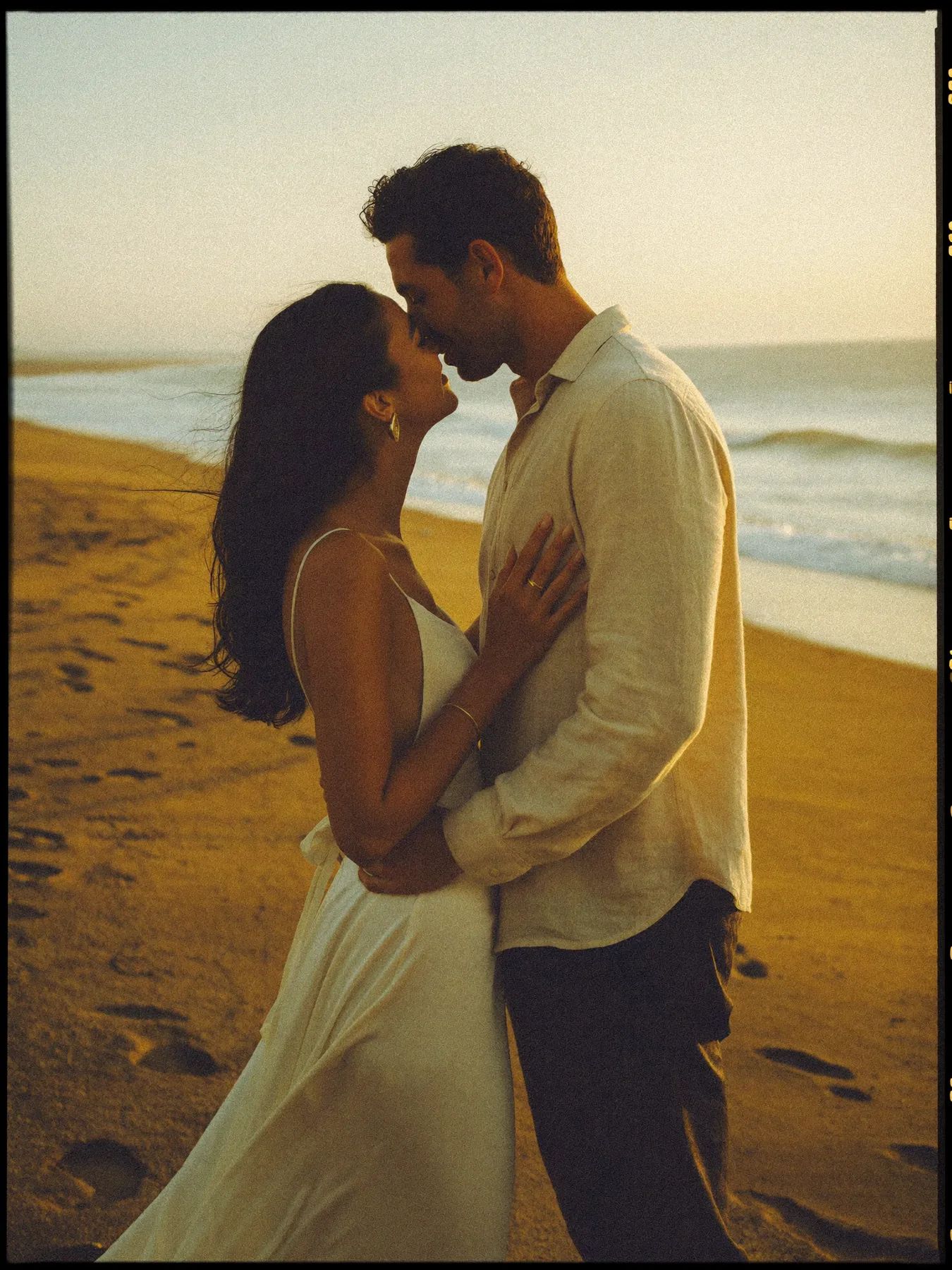
What does the day actually look like?
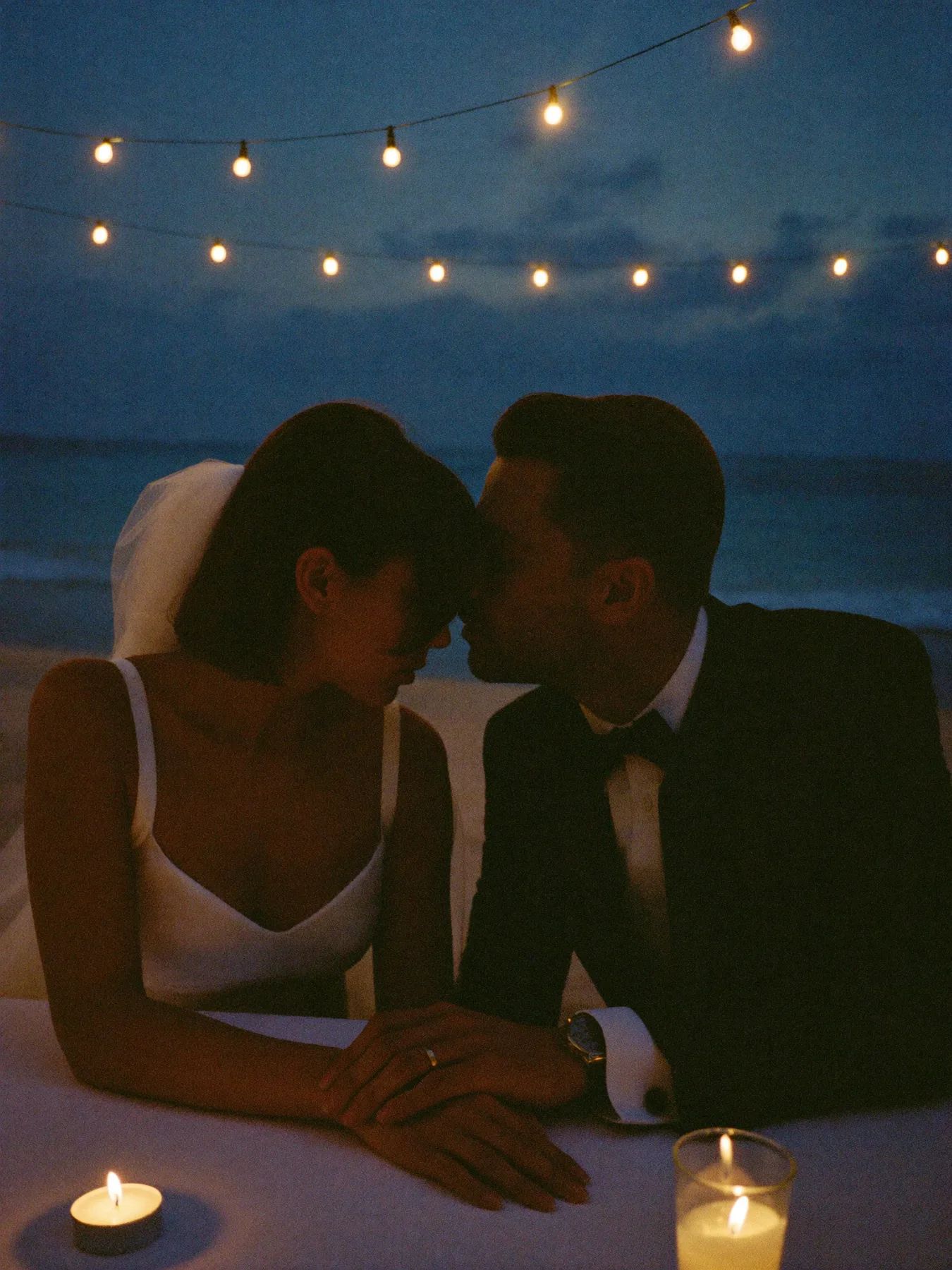
It starts at half past six in the centro. By nine this town is full and by eleven the good streets are unusable. At half six they are empty and the light is coming down them sideways. An hour of walking then is worth more than an entire afternoon later, and it is the part of the day I protect hardest.
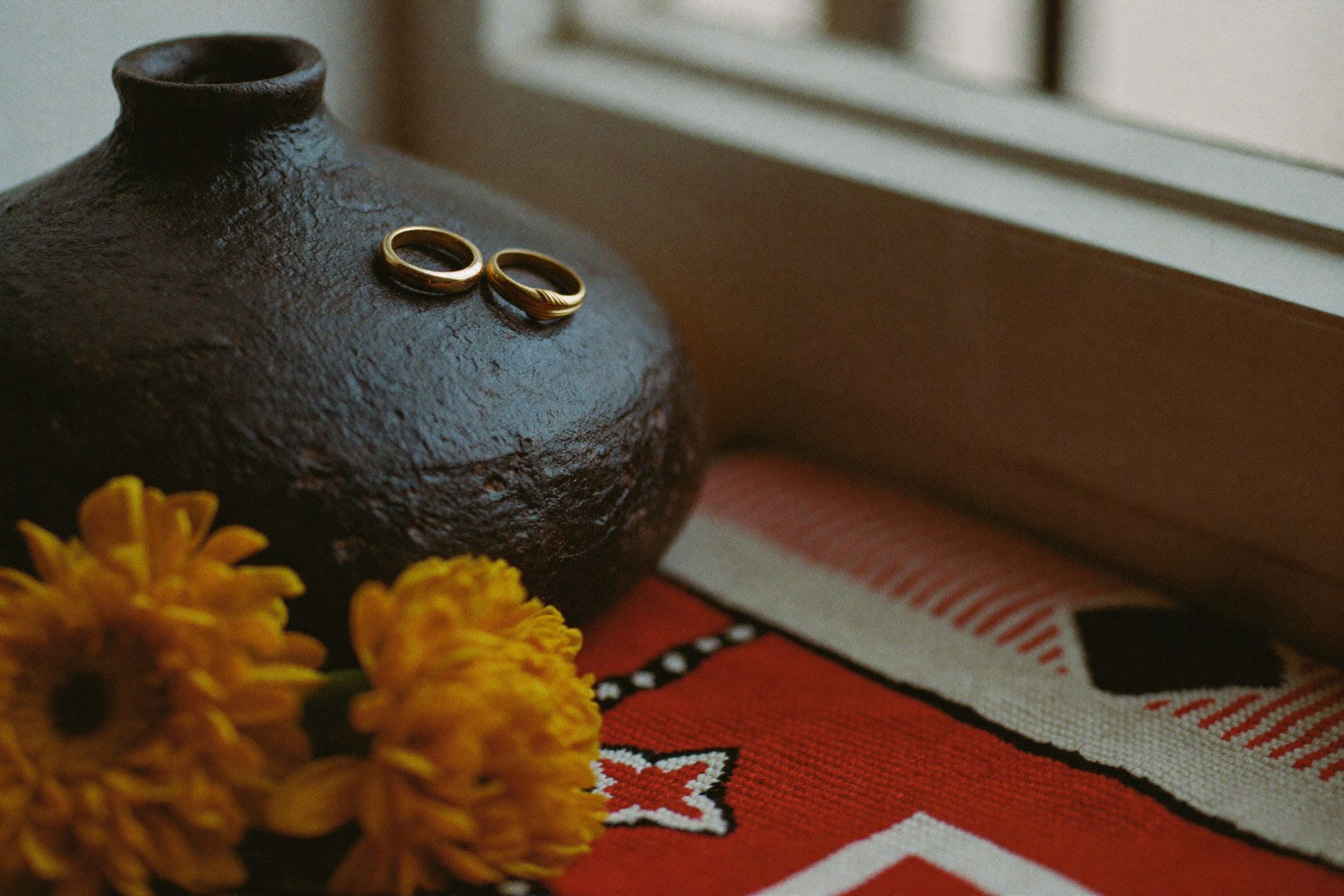
Mid morning is the still life and the getting ready: rings, flowers bought from the market that morning, worked silver, black clay, woven cloth. This is a town of makers and twenty minutes on that material gives the album a spine that pure portraiture does not.
The ceremony goes in the courtyard, usually early afternoon when one wall is taking the sun directly. Stone, a fountain, and nobody in it but the two of you and whoever you brought. That is the hour the whole day is arranged around.
Then the walk, through the streets and the square, past the parish church for the ten minutes it deserves, and up onto a rooftop for the last of the light. The town is low and built on a slope, so almost any roof gives you the whole of it: domes, bell towers, the valley going blue behind. Rooftops here are hotel or private property, which means they are contracted rather than permitted, and they are the most reliable ending available.
On the Signature you choose a dawn balloon over the valley or a private courtyard evening, at no difference in price. On the Honeymoon the third day goes out of town into the highland country, which is where the light at this altitude does something you will not find on either coast.
Begin the journey
Tell me your dates and what you are picturing, and I will come back within 48 hours with availability, an honest estimate, the courtyards I would put you in, and the Monday I would be filing on. If your dates fall in the rainy months I will say so in the first reply and tell you what the covered version looks like.
Getting here: Querétaro, QRO, is roughly sixty to seventy minutes. Bajío, BJX, is about seventy five to ninety. No ferry, no four wheel drive, and one wrinkle worth knowing, which is that vehicle access and unloading in the historic centre has to be coordinated with the venue because road use for an event can need its own approval.
The full San Miguel companion is here. Mexico City is the other highland option three hours south, and the Mexico guide puts every region side by side. Write to me here.