How to Elope in Uvita, Where the Ceremony Is Booked Against a Tide Table
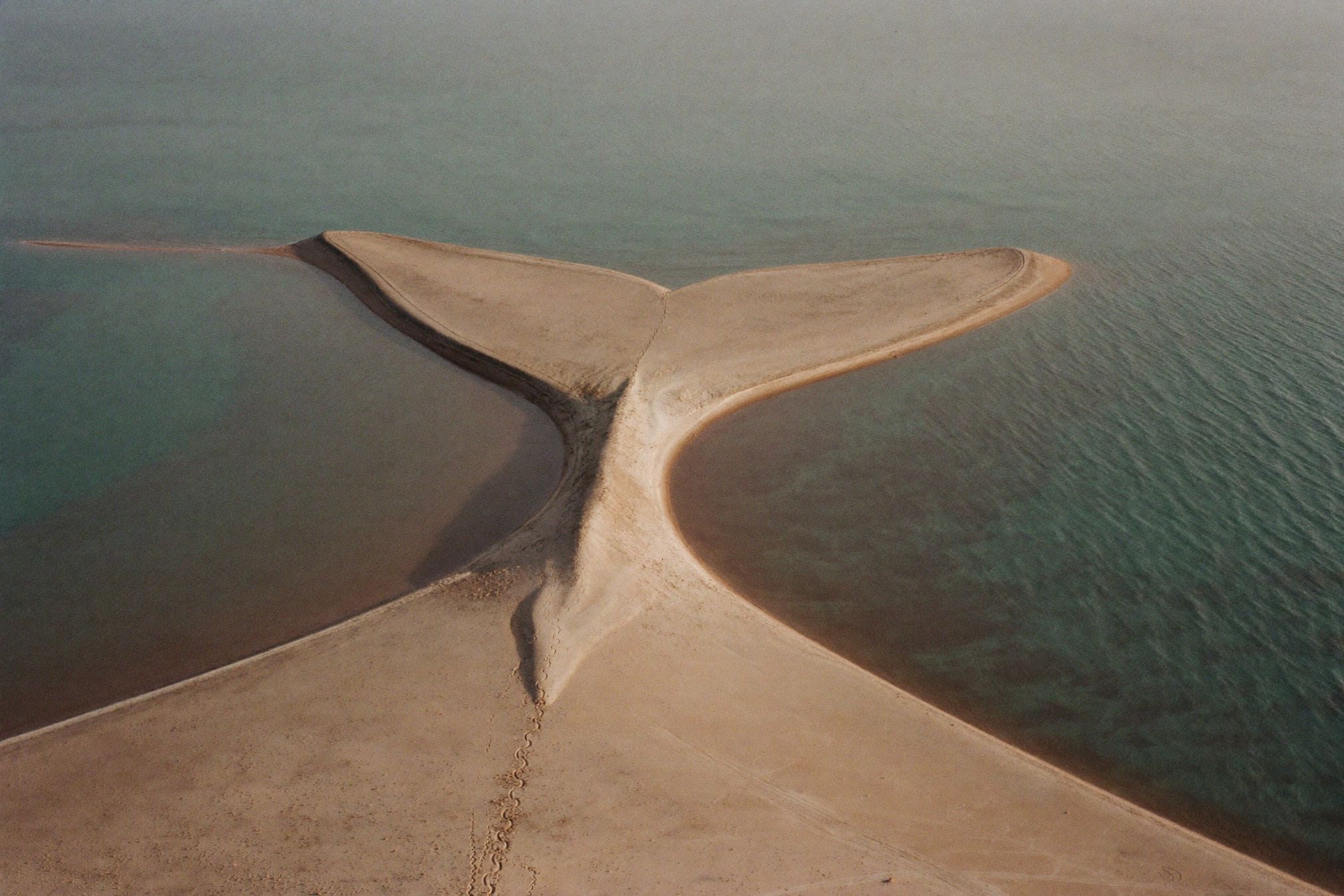
There is a sandbar shaped like a whale's tail that only exists for about an hour, twice a day. Everything else here is negotiable. That is not.
Almost every elopement I plan starts with a conversation about light. This one starts with a tide table.
Uvita sits on the southern Pacific coast, and the reason people come is a sandbar that runs out from the beach into the sea in the exact shape of a whale's tail. It is a genuine geographical coincidence in a bay where humpbacks turn up for two separate seasons a year, which is the sort of thing that sounds invented and is not.
The tail is walkable for roughly twenty to thirty minutes either side of low water. Outside that window it is underwater and it does not exist. So the ceremony time here is not chosen for the light or for your convenience. It is chosen from a tide table, months out, and everything else in the day arranges itself around that fixed point.
(Continued on Page 2, Col. 1)
One hour of tide
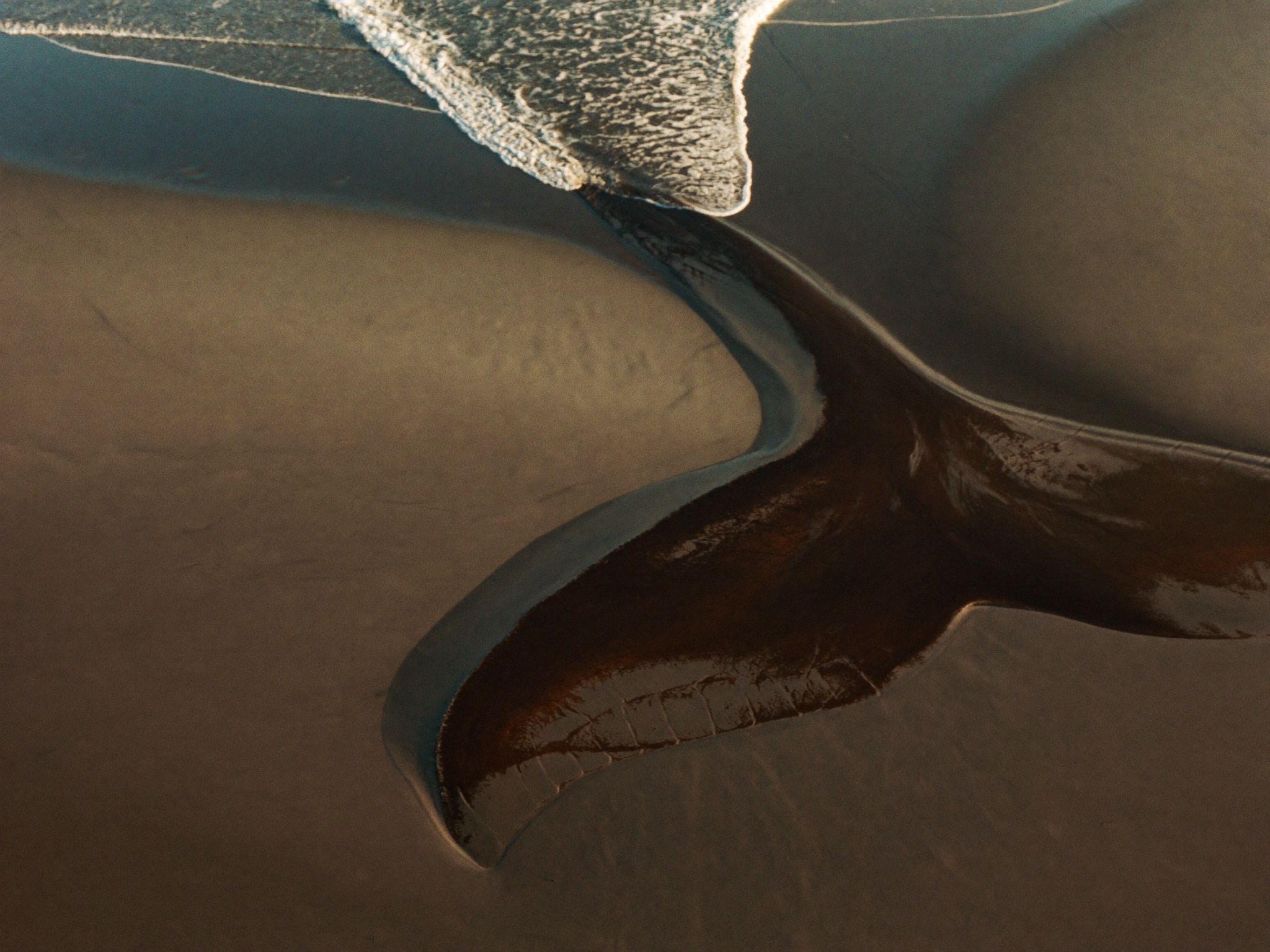
Let me be precise, because this is the whole planning problem. Low water happens twice a day and moves through the clock by roughly fifty minutes each day. Some days the low water that is walkable falls at four in the morning and eleven at night, which is no use to anybody. Some days it falls at half past six in the morning, which is perfect.
So we pick your date from the tide table first and the calendar second. I look for a day where a good low water lands inside the first two hours of light or the last two, and there are usually only a handful of those in any given fortnight.
This is the single most useful thing a planner does in Uvita and it is invisible in the finished gallery. Couples who arrange their own day here frequently arrive to find the tail is a stretch of open water at the hour they booked, and there is no fixing that on the morning. The sea does not negotiate.
Bring shoes you can walk out in, expect to be ankle deep at the edges, and understand that we are walking back before the water closes behind us rather than staying for one more frame.
Whales on both sides of the year
This is the fact about Uvita that I find genuinely remarkable and that almost no couple knows before I tell them.
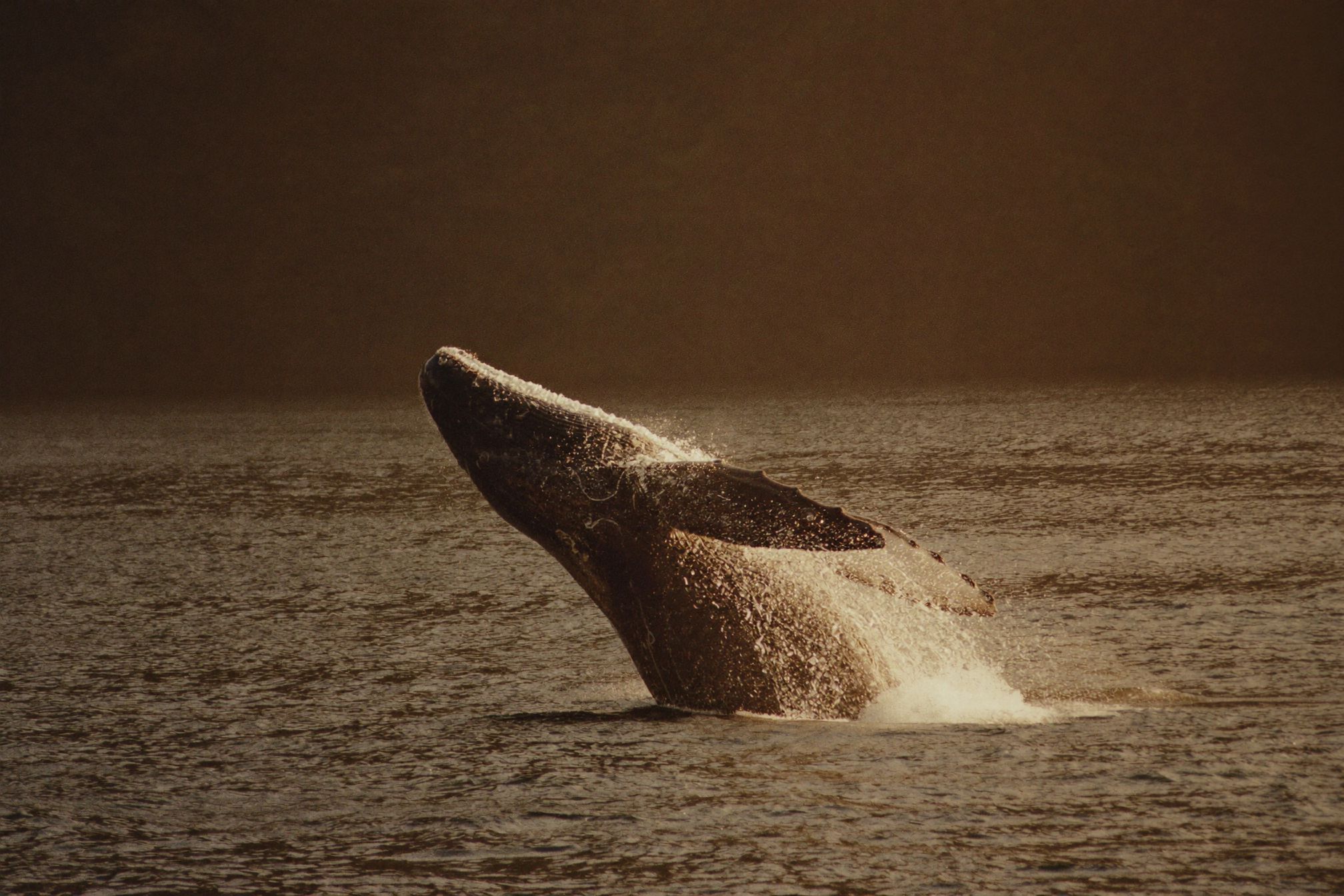
Two different humpback populations use this bay, from opposite hemispheres. The southern hemisphere whales come up from Antarctic waters roughly July or August to October, peaking around August and September. The northern hemisphere whales come down roughly December to March or April, peaking around January and February.
The practical consequence is that Uvita has one of the longest humpback seasons anywhere in the world, and there is no month where I have to tell you there is no chance. That is unusual. Most whale destinations sell you a six week window.
What I will not do is promise you a whale. They are animals in open water. The boat goes out, and some mornings you get a breach two hundred metres away and some mornings you get an empty horizon and a good sunrise. Anybody guaranteeing otherwise is selling you something they cannot deliver.
The falls before eight
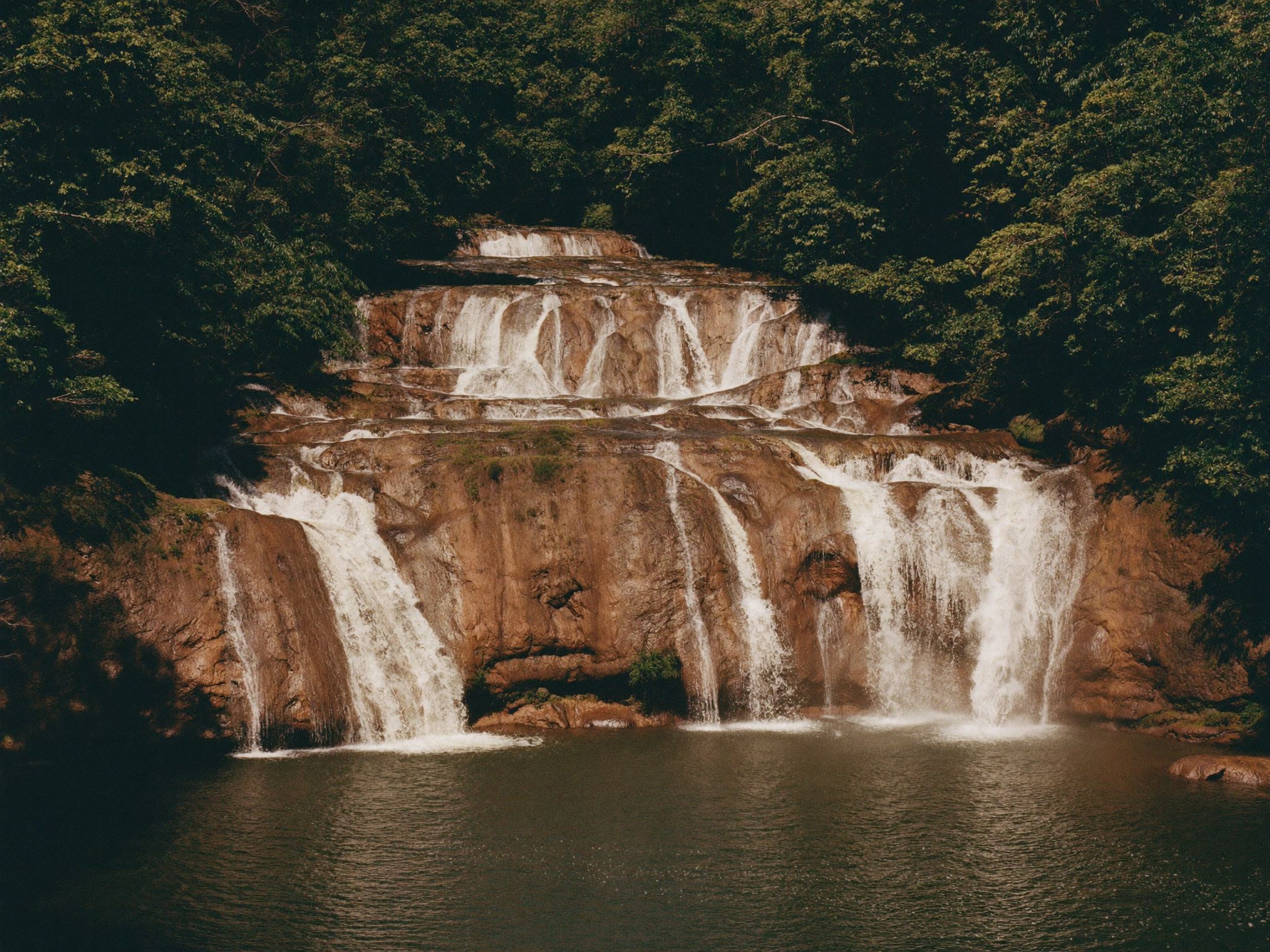
Inland from the coast the rivers come down through the hills in tiers, dropping into pools you can stand in. It is the second location on almost every Uvita itinerary and it is the one that makes the gallery feel like Costa Rica rather than a beach anywhere.
Go before eight. The same reasoning as everywhere in this country: the light comes into the gorge low and flat early on and straight down hard by mid morning, and the people arrive with the sun. There is a version of these falls with two people in it and a version with thirty, and the difference is ninety minutes on a clock.
The walk in is short and steep and slippery. Bring footwear. Expect to get wet, or decide clearly that you are not getting wet, because standing at the edge dithering is how the hour disappears.
On a two day itinerary I will often run the tail at the tide window on one day and the falls at dawn on the other, which gives you salt water and fresh water, open sky and closed canopy, from a base you never move.
The sea arch at the end of the tail
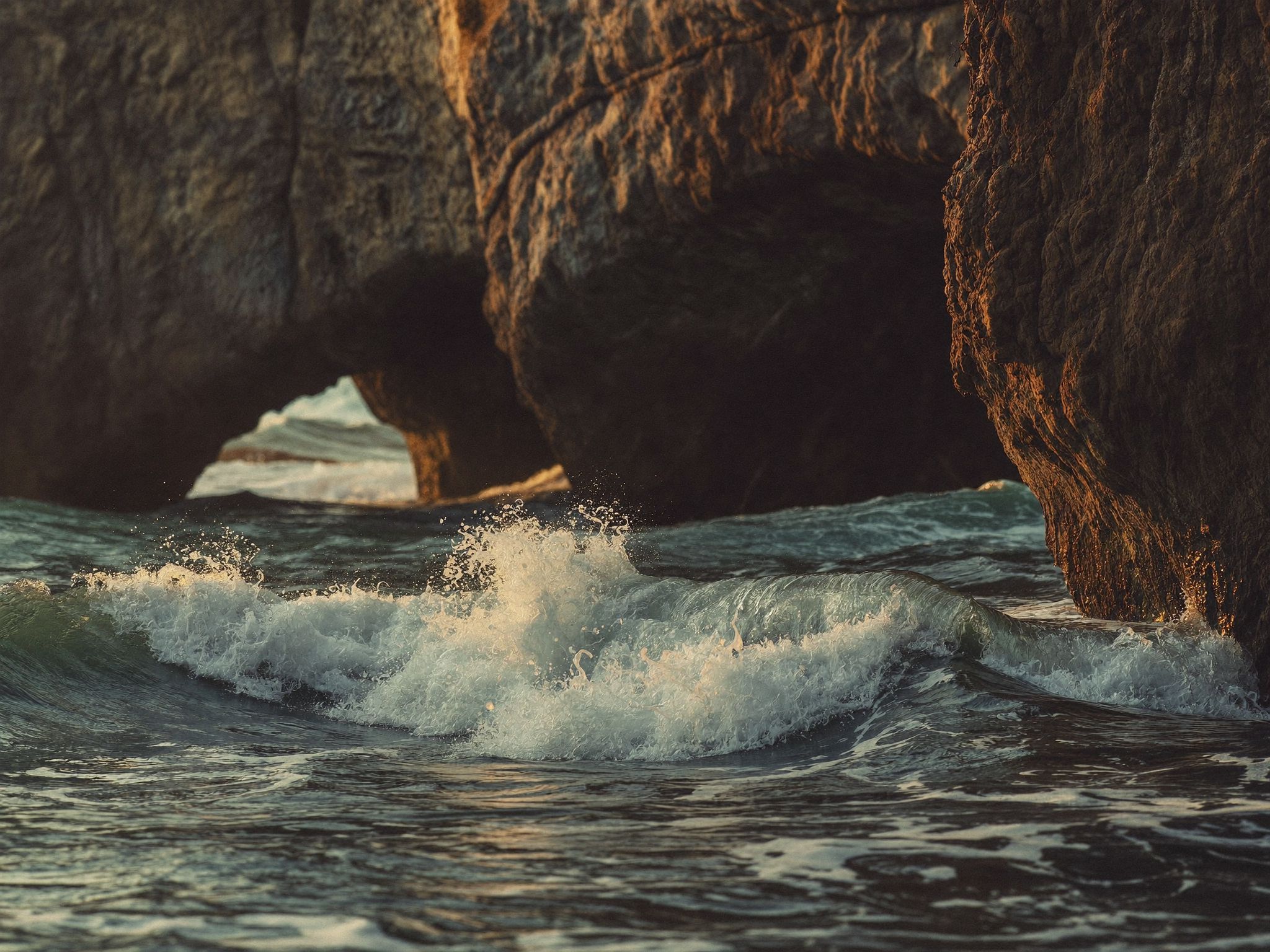
Walk to the far end of the sandbar at low water and there are rock formations and an arch with the swell running through it. It is the most dramatic thing on this stretch of coast and it is only reachable inside the same tide window as the tail itself.
Which means it competes with the ceremony for the same forty minutes. That is a real constraint and it is worth deciding in advance rather than on the sand. Usually the answer is that the vows happen partway out and the arch gets the last ten minutes, moving fast, with the water already coming back in.
Be careful out there and take the guidance you are given. The rocks are sharp, the swell on this coast is not gentle, and a slip at the far end of a sandbar with the tide turning is the one genuine hazard on an Uvita itinerary.
The southern Pacific is much wetter than the north
People book Costa Rica having read that the Pacific dry season runs December to April, and that is broadly true, but it is much truer in Guanacaste than it is here.
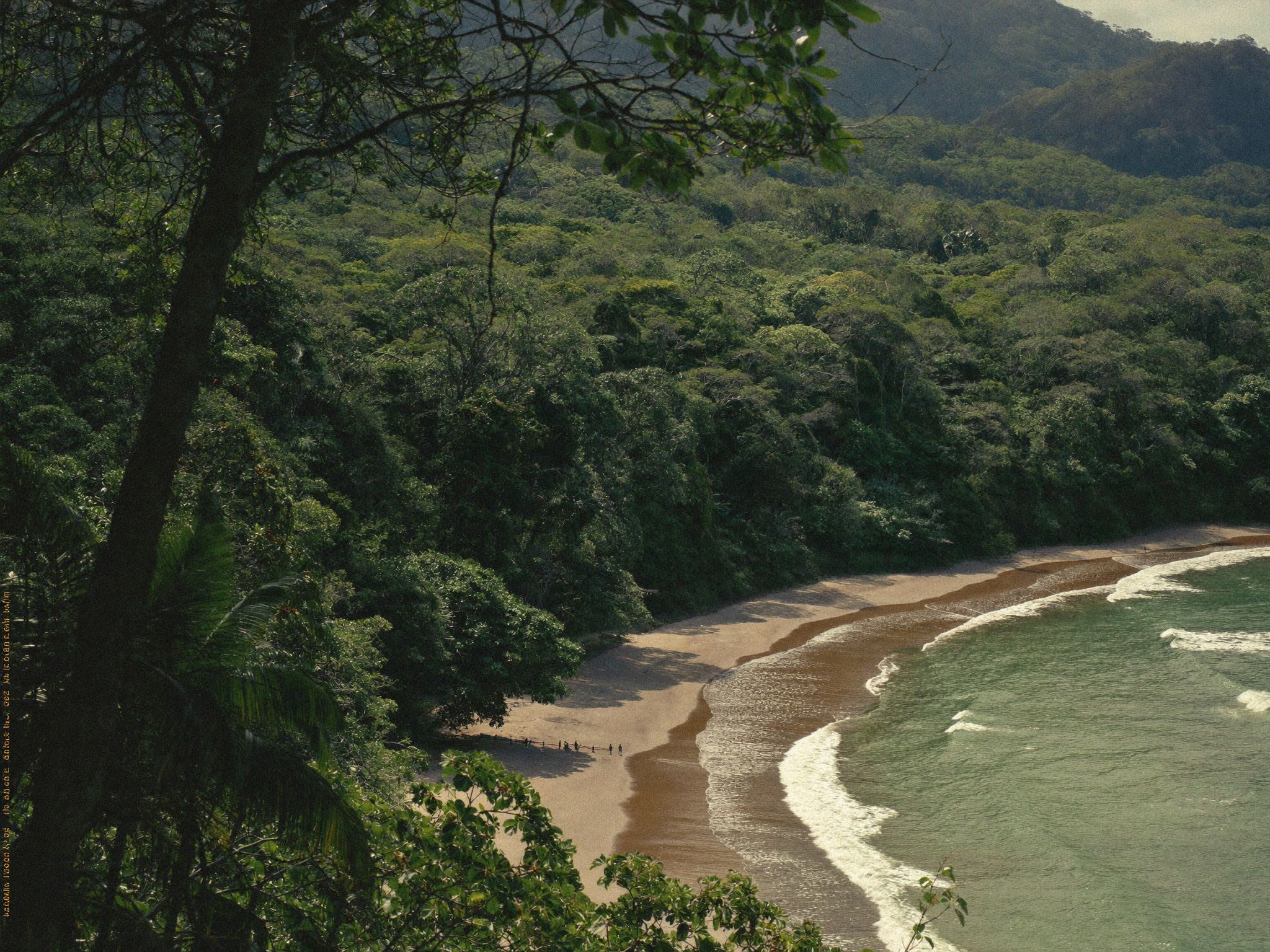
The southern Pacific coast is significantly wetter than the northwest, and September to November is the worst of it. Not showers. Weeks of heavy afternoon rain with roads washing out and rivers running brown. It is why the forest here is spectacular and it is not a season I would pick for a wedding week unless you knew exactly what you were choosing.
December to April is the dry window here and it is the one I recommend. January and February are the best combination of dry weather, walkable tides and northern hemisphere whales in the bay, which is why they are the busiest weeks of the Uvita year.
If you want the southern whales instead, August and September are the peak and you are accepting a much wetter fortnight to get them. That is a real trade and I will lay it out in numbers rather than let you find out on arrival.
South to the Osa
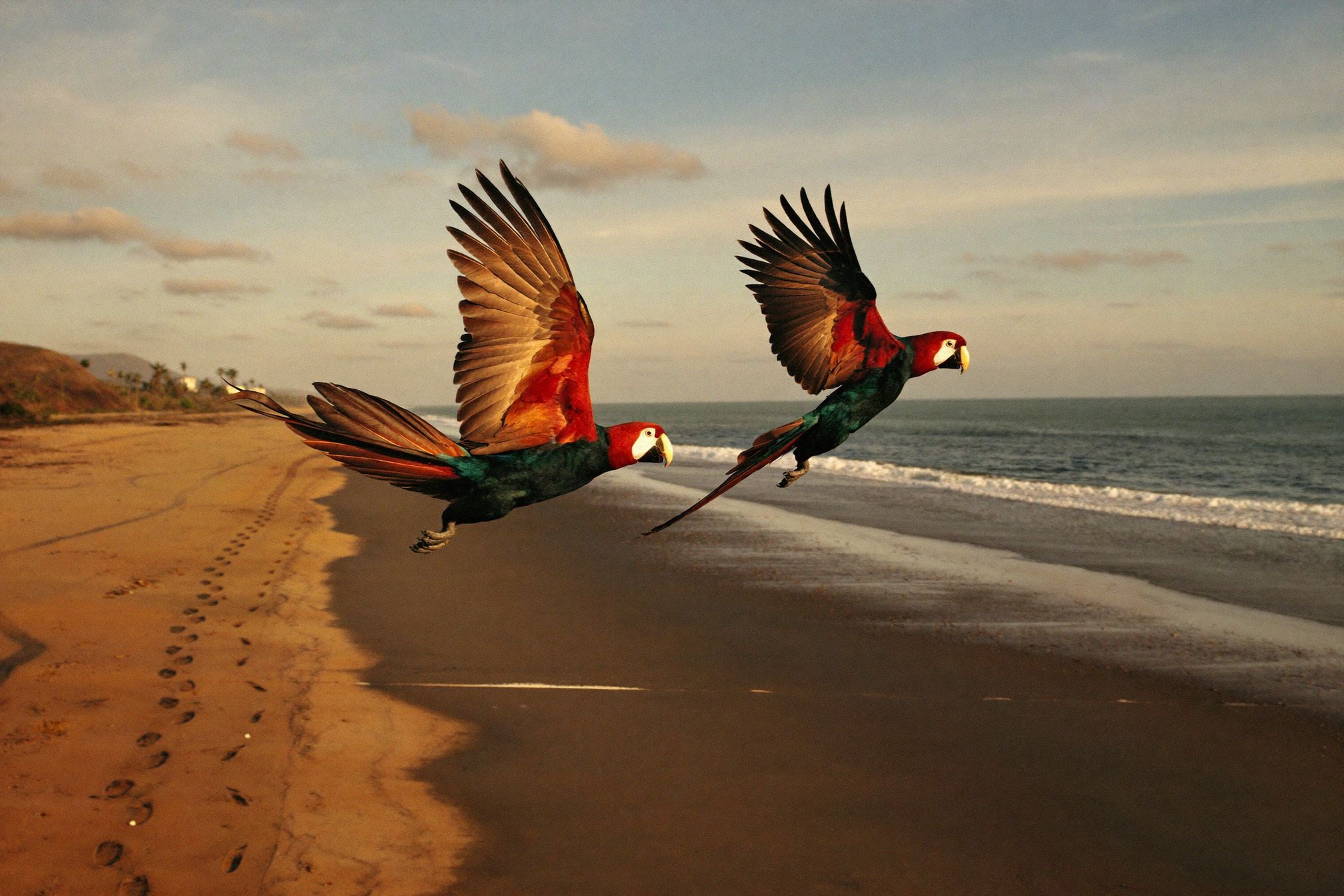
An hour south of Uvita the coast turns into the Osa Peninsula, which is as close to genuine wilderness as Costa Rica gets. Rainforest running to the water with no road behind it, scarlet macaws in numbers, and a national park you reach by boat.
I do not sell the Osa as a base and I want to be straight about why. It is a difficult place to run a wedding day: access is by boat or small aircraft, lodging is limited and remote, and everything takes twice as long. Instead it works beautifully as a day from Uvita on the four day journey, going in by boat, walking the forest, and coming back.
The mangroves at Sierpe on the way south are worth the stop in their own right. It is one of the largest mangrove systems on this coast and going through it by boat in the early morning is quiet in a way the ocean never is.
If the Osa itself is the reason you are considering Costa Rica, tell me and we will talk about it properly. It is buildable. It is not what the Uvita number covers.
Getting legally married
No residency requirement, no waiting period, no blood test. A Costa Rican notary public performs the civil marriage, two adult witnesses are required and I provide them, and it is registered with the Registro Civil afterwards. The certificate needs an apostille and a translation before it will be accepted at home.
The three hundred day rule can apply to a divorced or widowed woman unless she can show she is not pregnant. Raise it in the first conversation.
On the sandbar specifically: it sits inside Marino Ballena National Park, which is SINAC. Personal photography is fine. Commercial photography and video inside a SINAC protected area needs authorisation arranged in advance, and an organised ceremony is a different object from two people walking on sand. That is arranged before you arrive, and it is one of the concrete things you are paying me for.
What it costs
Uvita starts at $10,200 for the Essential, $21,200 for Curated Signature and $28,000 for the Curated Adventuremoon. It sits mid ladder, level with Arenal at the entry tier and cheaper than Manuel Antonio an hour north.
That comparison is the useful one. An hour up the coast you pay two hundred dollars more for considerably more people. Uvita is the better value of the two if emptiness matters to you, and Manuel Antonio is the better choice if wildlife density and the turquoise cove are what you came for.
What the Signature adds that matters here is the boat, twice: whales offshore, and the run south to the peninsula. It also adds the second day, which on a coast where the ceremony hour is dictated by the sea gives me a second tide window to work with.
Flights and lodging are excluded, always. The full ladder is on the pricing page and the day is written out on the Uvita elopement planner.
Who should choose elsewhere
If you cannot travel in the dry window, this is a harder sell than most of the country. September on this coast is genuinely wet. The Caribbean at Puerto Viejo runs on the inverse calendar and has a drier spell in September and October, which is the neatest solve I know for an autumn wedding in Costa Rica.
If you want the beach to be the whole day, Guanacaste and Nosara do that better. Uvita's best hours are split between a tidal sandbar, a waterfall and a boat.
If a fixed ceremony time you cannot move sounds like a problem, say so now. Some couples find the tide table romantic and some find it stressful, and both reactions are reasonable. Guanacaste lets you be married whenever you feel like it.
The rest of the country is in the Costa Rica elopement guide.
Enquiries to the publisher, armanarai.com.