How to Elope in Guanacaste, the Driest Corner of Costa Rica
Everywhere else in this country I plan around rain. Here I plan around a sunset that turns up almost every night from December to April, and around the wind that comes with it.
Guanacaste is the one place in Costa Rica where I will say something close to a promise about the weather, and I want to be careful about how I say it.
The northwest is the driest region of the country. Roughly mid November to April it barely rains at all, with January and February the driest of that. Everywhere else on my Costa Rica list I am building fallbacks into the plan. Here, in those months, the sunset turns up.
That reliability is the product. It is why Guanacaste carries most of the country's resort development, why the international airport at Liberia exists, and why couples who cannot tolerate a grey ceremony morning end up here after considering somewhere more dramatic. It is also, and I will get to this, the reason parts of it can feel less like Costa Rica than anywhere else in Costa Rica.
(Continued on Page 2, Col. 1)
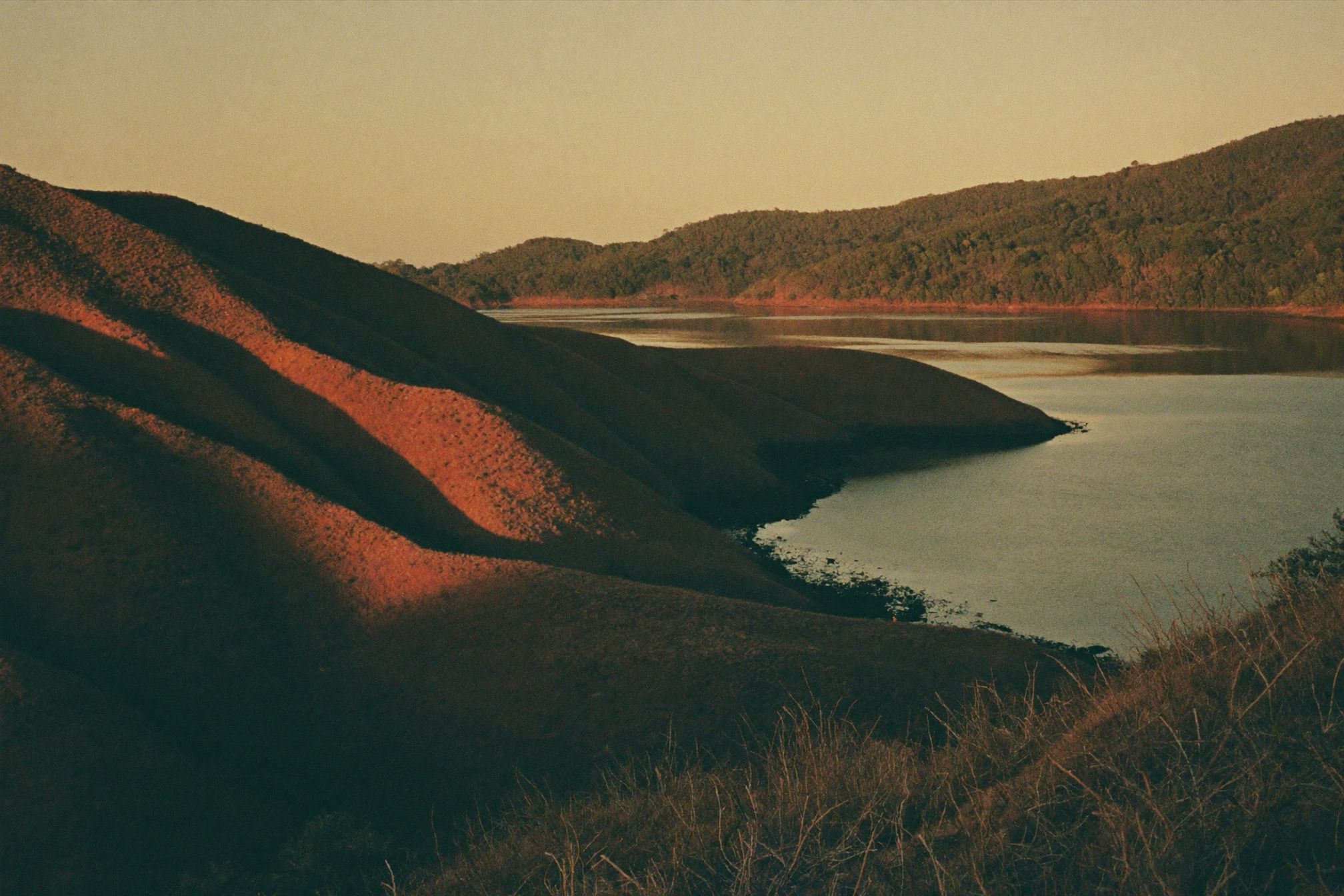
Thirty minutes from the plane
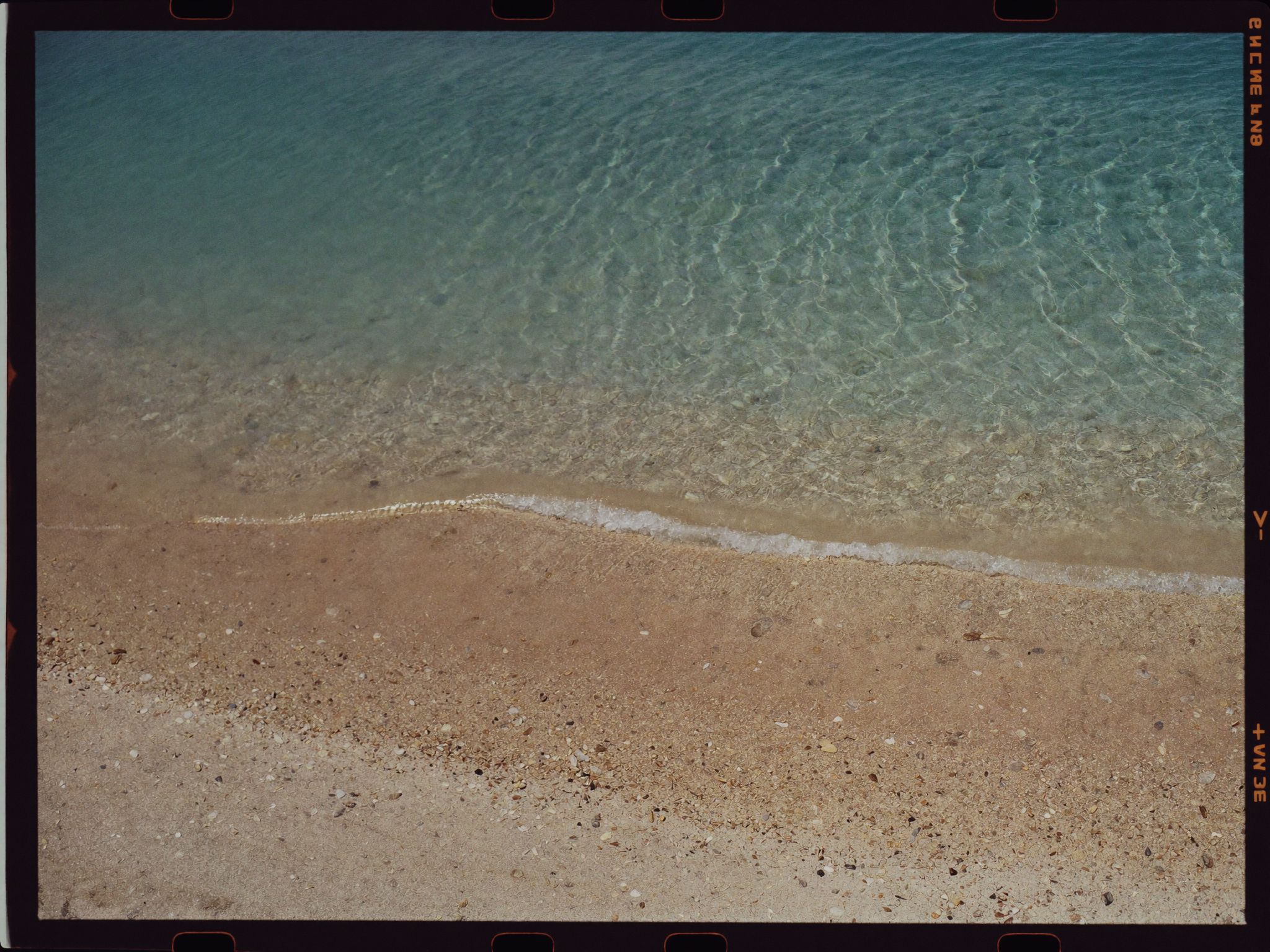
Fly into Liberia, not San Jose. I cannot stress this enough and a surprising number of couples do not know Liberia exists.
Liberia to the Papagayo coast is about thirty minutes. To Tamarindo it is an hour to an hour and a half. To Nosara it is around two. Compare that with three and a half hours up to the volcano from the capital, or four to five across to the Caribbean.
What that buys is a real day. Land at eleven, be in the water by one, and the wedding day the following morning starts with people who slept. On a three night trip, which is what a lot of couples can actually take off work, a saved half day of driving is a quarter of the trip.
It also makes Guanacaste the sensible choice for couples bringing two or three people with them. Short transfers are the single biggest factor in whether a small group arrives cheerful, and cheerful is visible in photographs.
The headland at sunset
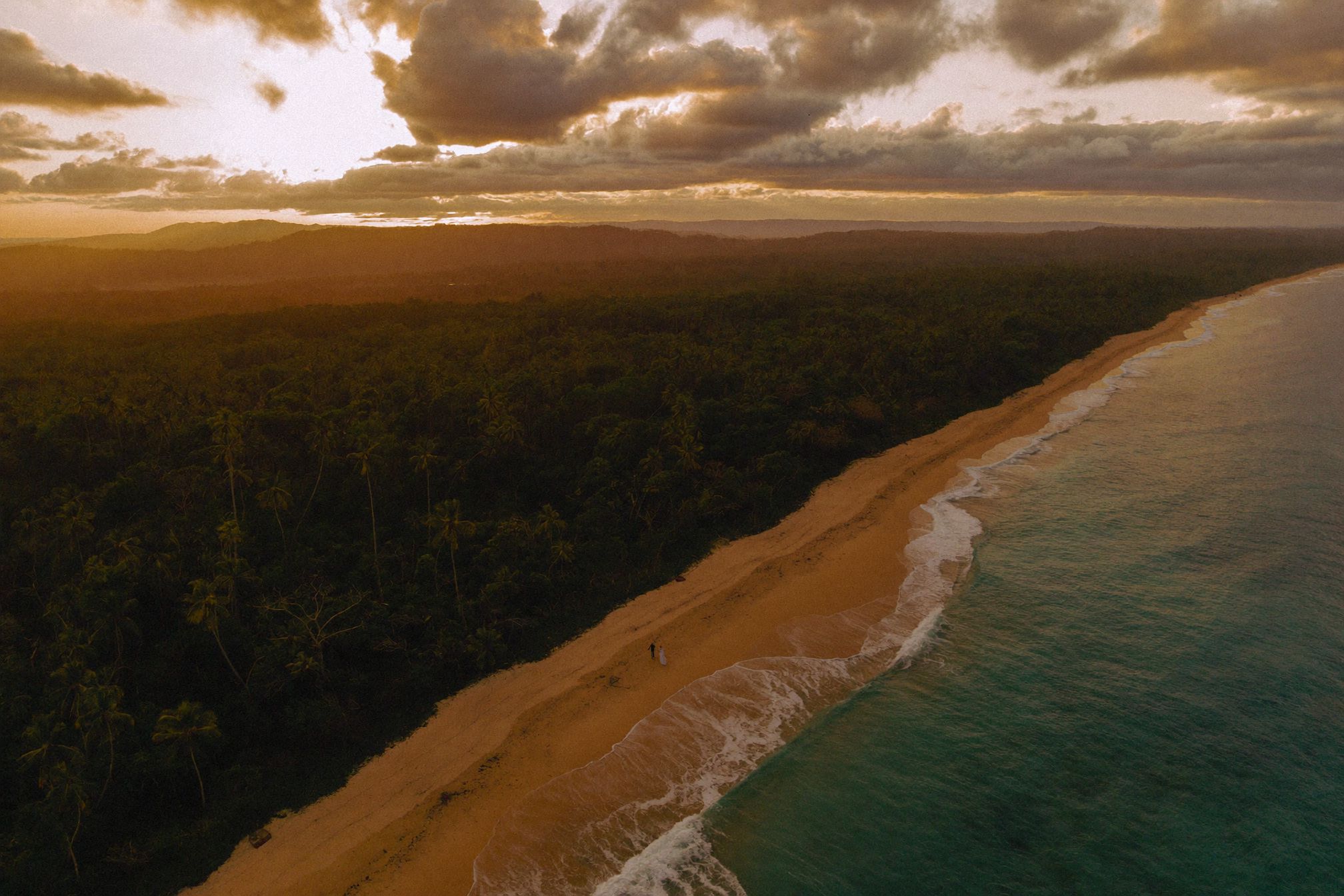
This coast faces west into open Pacific, which is a simple fact with large consequences. It means the sun goes into the water rather than behind a ridge, it means the last forty minutes of light are the best of the day rather than the worst, and it means every itinerary I build here is constructed backwards from that hour.
The ceremony goes at sunset, not at dawn. Guanacaste is the only place on my Costa Rica list where I say that. Everywhere else the mountain or the crowd or the tide forces an early start. Here the whole day builds toward the end of it, which is a much more civilised shape for a wedding day and lets you have a slow morning.
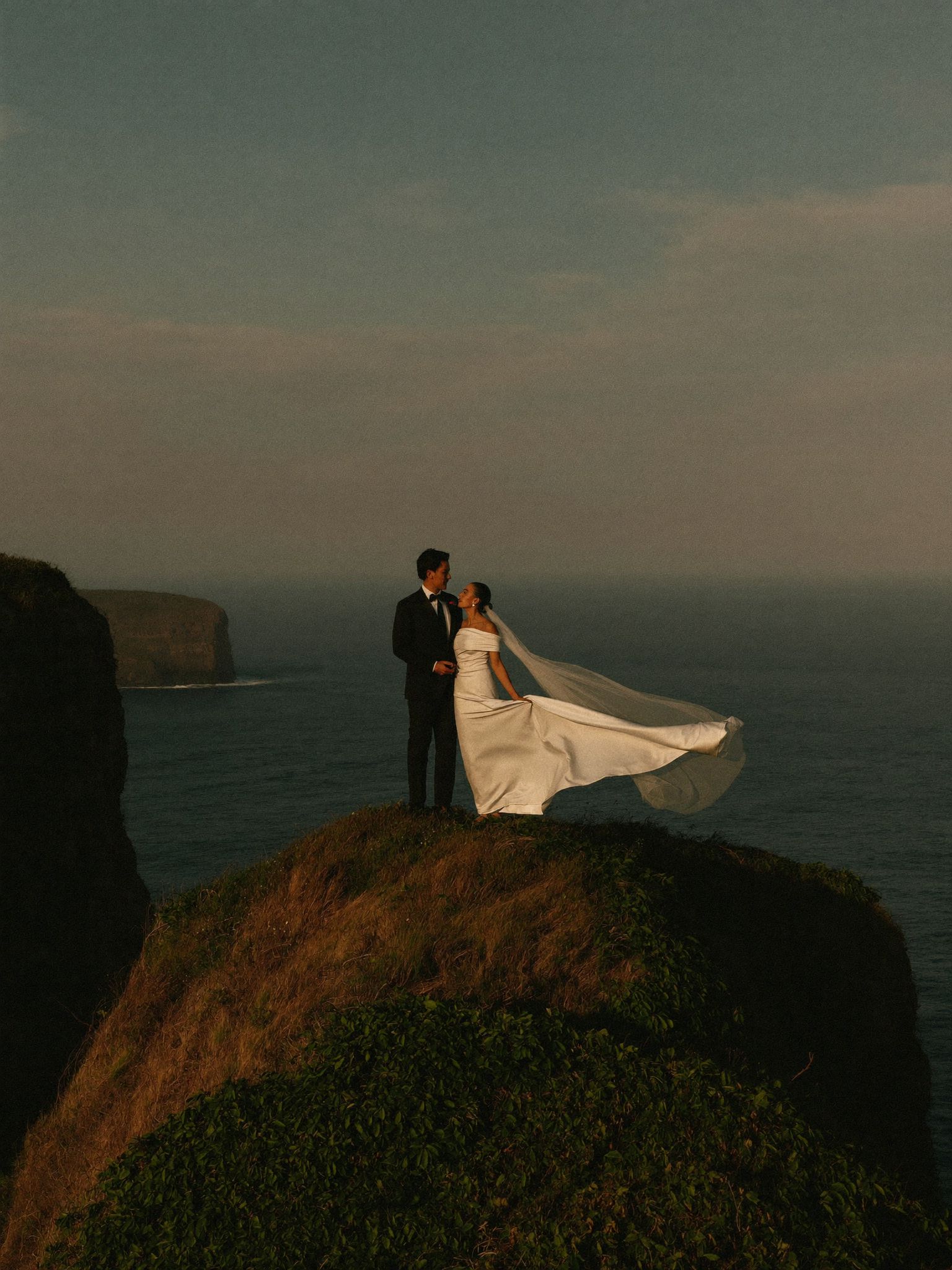
The headlands north of the developed strip are where I hold most of these. Grass on top, rock face below, ocean on two sides, and nothing behind you. The light comes across the water horizontally in the last half hour and turns everything the colour of a copper coin.
What I will not do is put you on a hotel beach at five in the afternoon with a bar behind you. If you have seen this coast in other people's galleries and thought it looked like anywhere, that is why.
The wind nobody warns you about
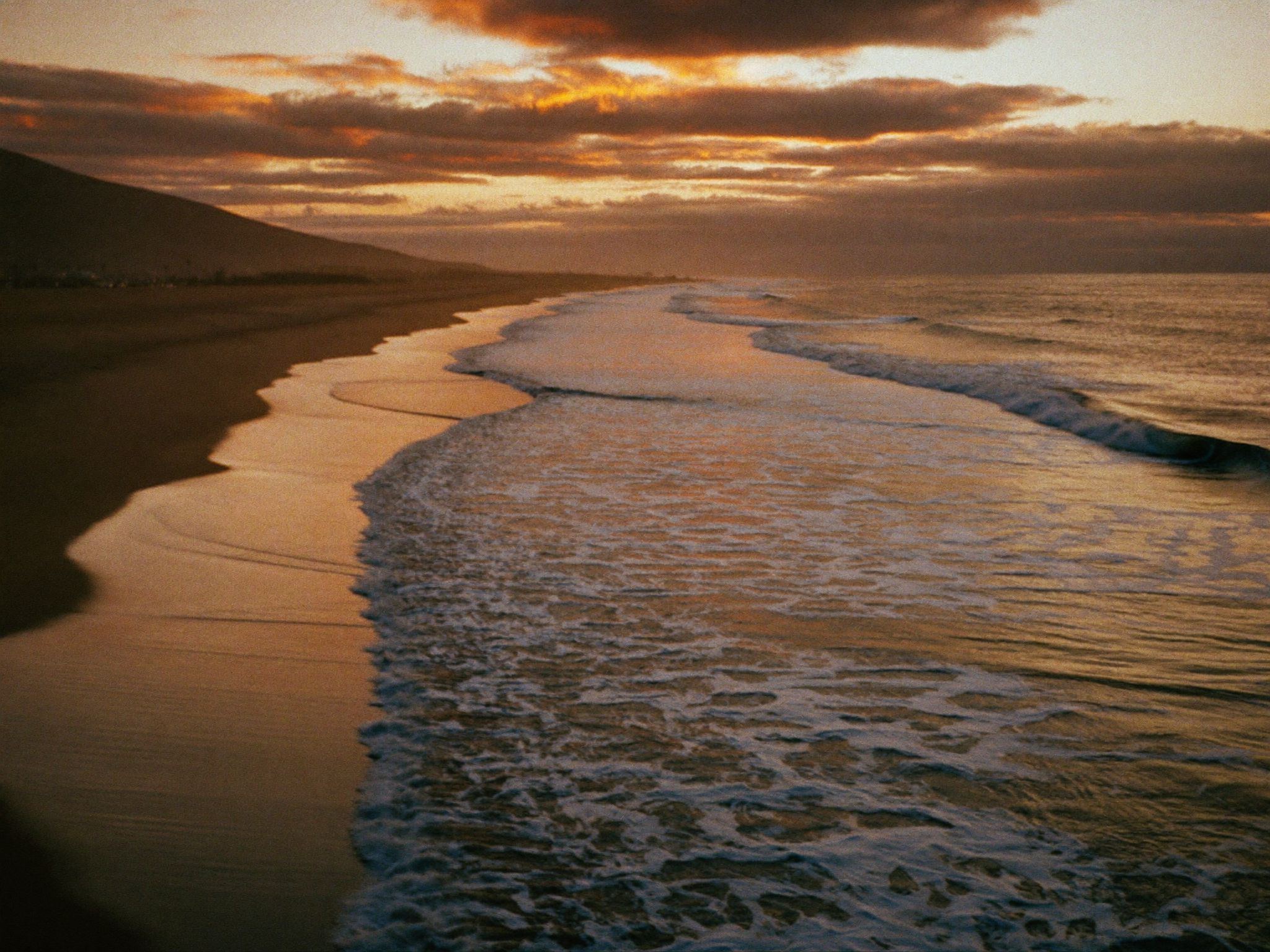
Here is the trade off for all that reliable sun, and it is rarely mentioned in the brochures.
The dry season is the windy season. The same weather pattern that keeps the rain off this coast from December to April drives a steady offshore wind, and in the peak dry months it can blow hard for days at a time. It is why the region has a windsurfing industry. It is also why a certain kind of gauzy dress is a mistake here.
Plan for it and it is an asset. A veil in a steady offshore wind does something no styling can fake, and I will happily build the ceremony around exactly that. Ignore it and you spend the last hour of light holding your hair down with one hand.
Practically: something with weight in the fabric, hair that is already up rather than something that needs to stay down, and a fallback location in the lee of a headland for the parts of the day that need stillness. All three are planning decisions rather than luck.
What the green season does to the dry forest
Most people book December to April and I understand why. But the region does something in the green season that is genuinely worth planning a trip around, and it is almost never sold.
The inland forest here is tropical dry forest, which is a rarer habitat than rainforest and behaves nothing like it. Through the dry months it drops its leaves and stands there grey and bare, which is a strange thing to see under a hot sun. Then the rains arrive in May and the whole thing turns over inside a fortnight. It goes from grey sticks to solid green, and several of the trees flower before the leaves come back, so you get bare branches carrying yellow or pink and nothing else.
If you are visually curious at all, that is a far more interesting backdrop than a green lawn. It also comes with lower prices on the ground, an empty coast, and afternoon storms that are genuinely spectacular from a headland and usually over in an hour.
What you give up is the guarantee. That is the whole calculation, and it is a real one rather than a marketing choice. If certainty is the reason you picked Guanacaste, keep the dry season. If it was not, May and June are the best value weeks of the year in this region.
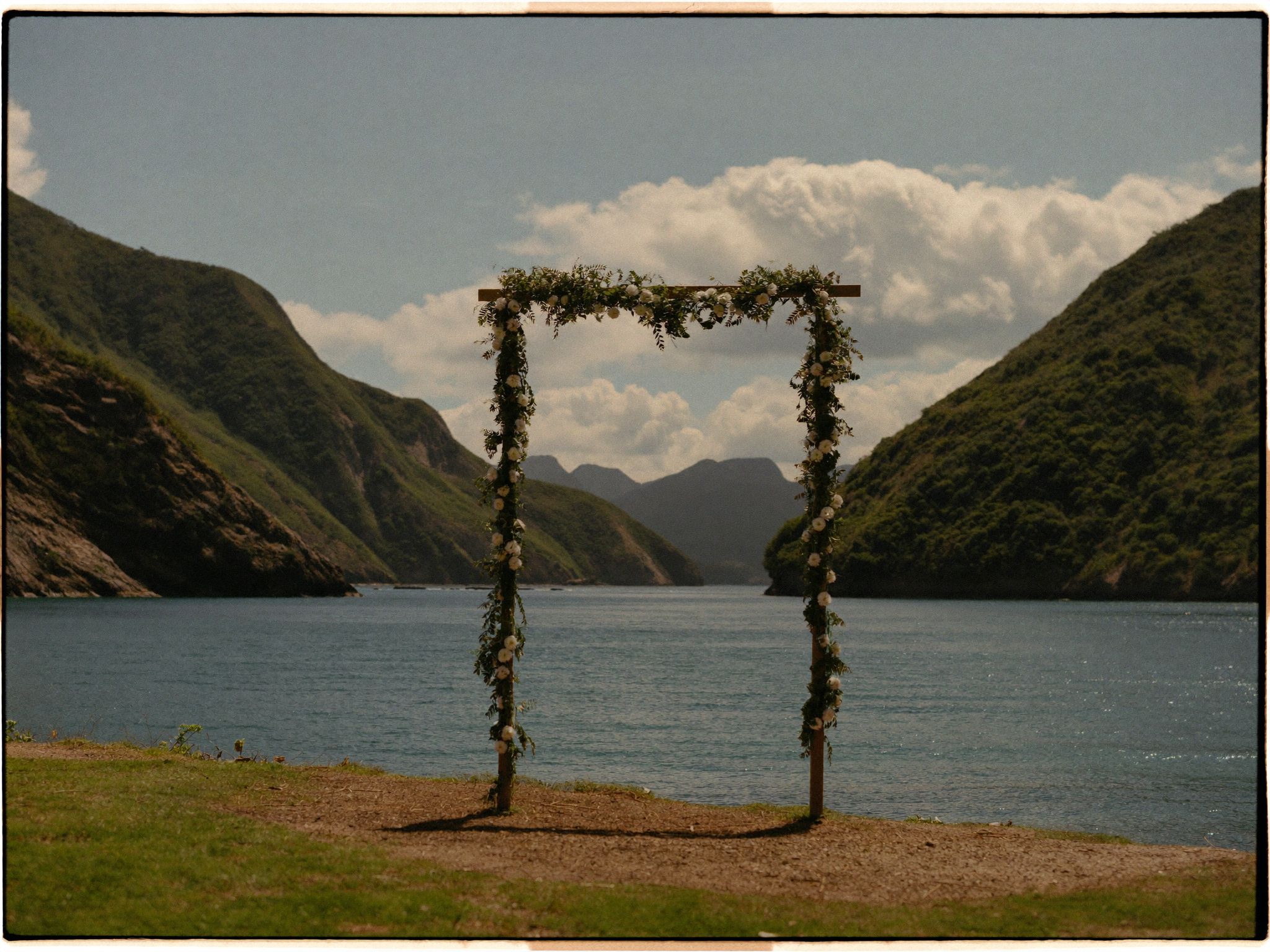
The beach with no road
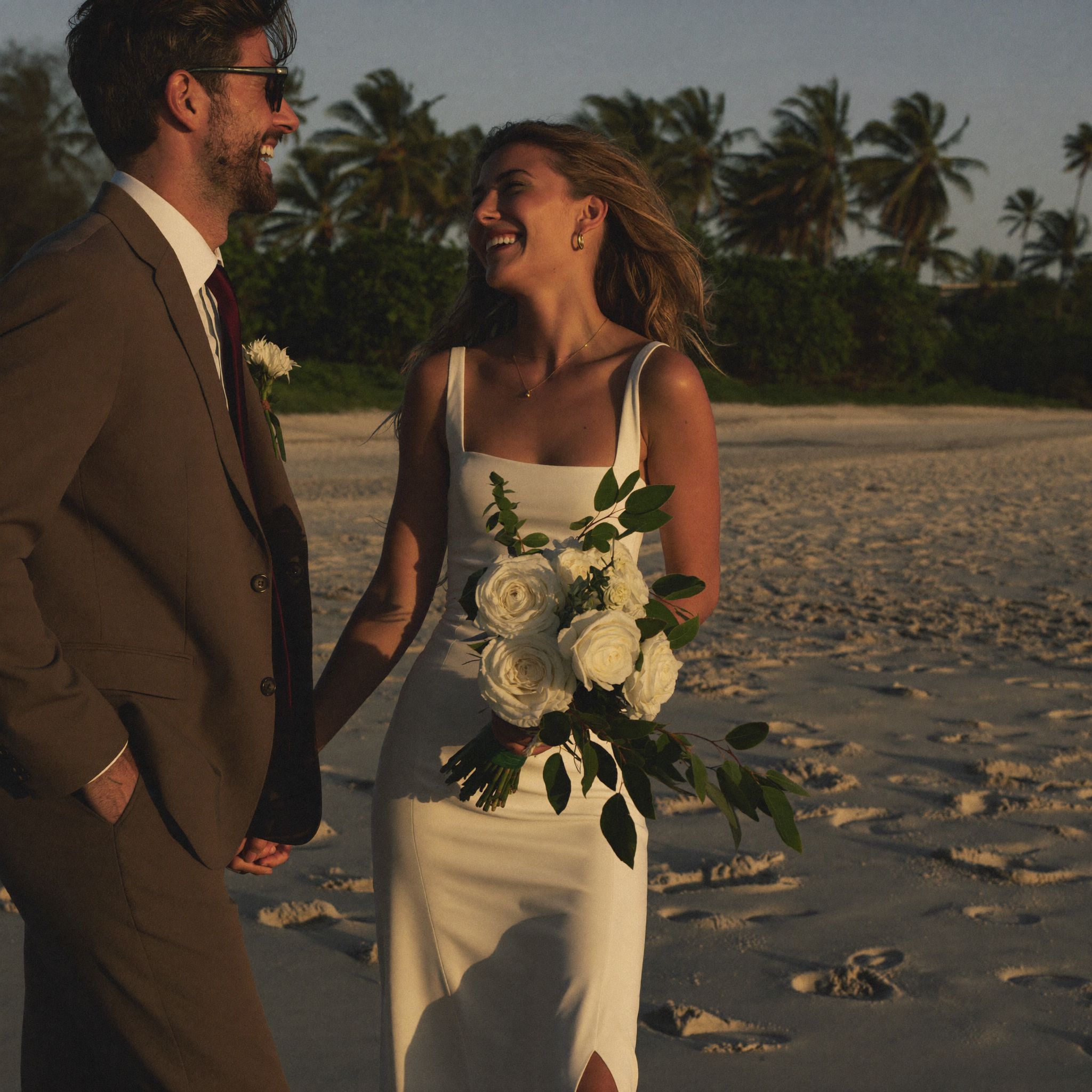
The developed part of Guanacaste is genuinely developed. There are resorts here that could be in any warm country in the world, and if your only exposure to this coast is a hotel strip you would be forgiven for thinking that is all it is.
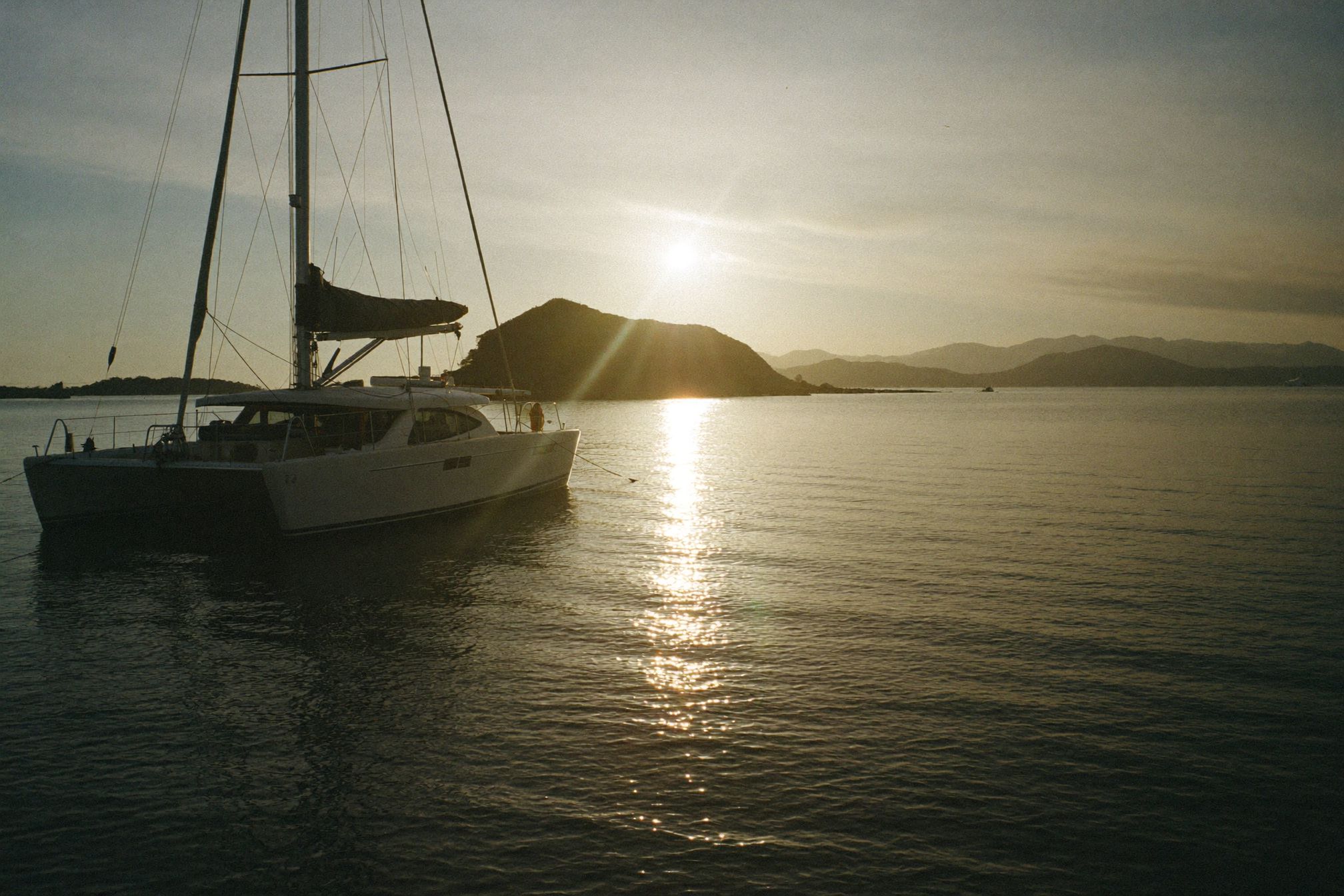
An hour up the coast by boat there are beaches with no road to them at all. No access, no vendors, no footprints that were not put there this morning. That is the version of Guanacaste I sell, and getting to it is a boat rather than a hire car.
It is on the Signature and Adventuremoon tiers for a straightforward reason: it costs a boat and a captain and half a day. It is also the single biggest difference between a Guanacaste gallery that looks like a resort and one that does not.
Take a catamaran at the end of one of the other days as well if the budget stretches. Being offshore for the last hour of light on a coast that faces directly into the sunset is not a subtle upgrade.
The volcano country behind the coast
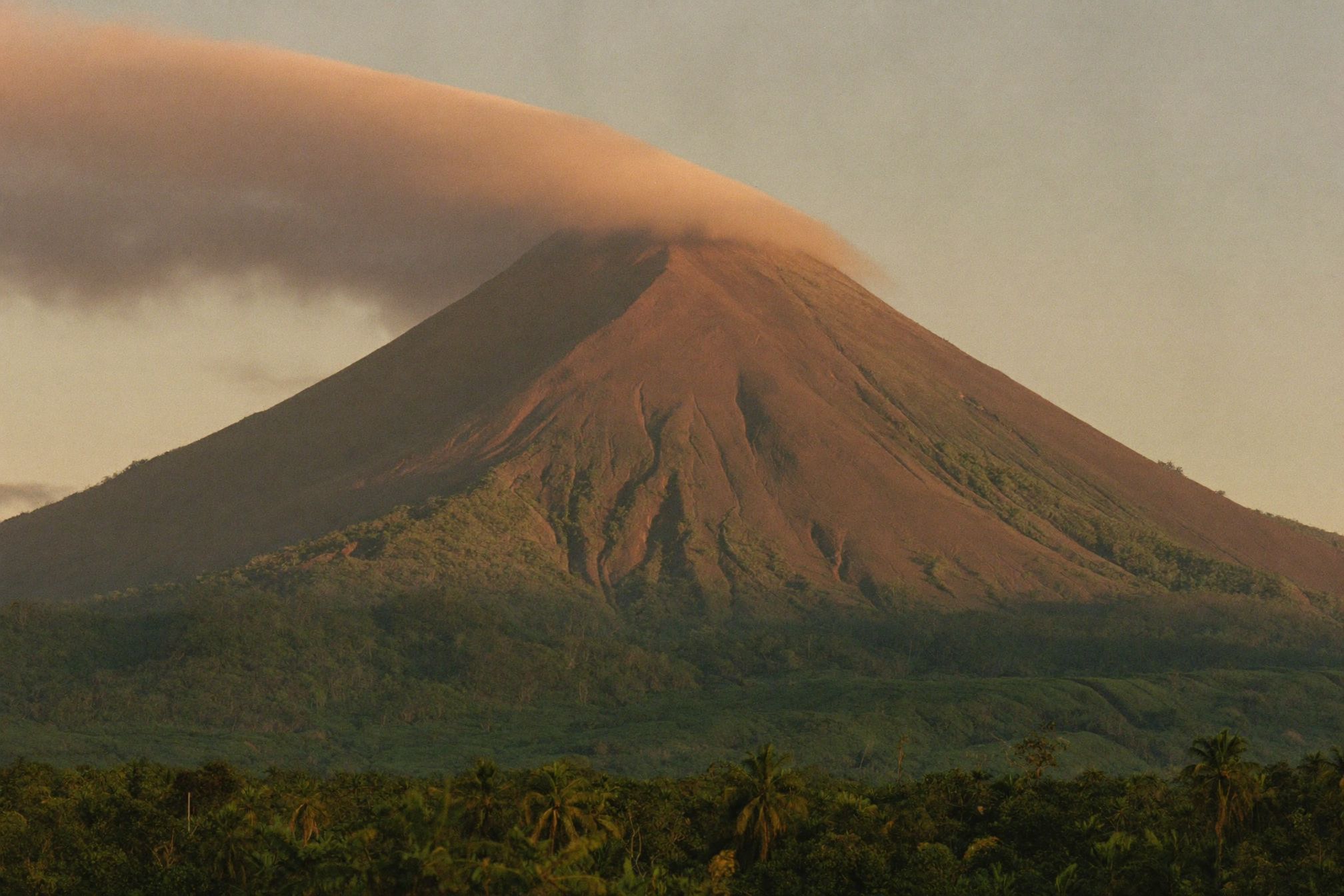
An hour or so inland the ground rises into volcano country, and it is completely different from the coast: cooler, wetter, forested, with steam coming out of the ground and rivers running through canyons.
It is the obvious second landscape for a longer itinerary and it is what the Adventuremoon uses. Four days, coast and volcano, with the drive between them short enough that neither day is spent in a car.
It also solves the sameness problem. The honest criticism of a Guanacaste elopement is that beach photographs all start to look alike after forty frames, and adding a landscape that is green, steaming and vertical fixes that in a single morning.
Horses are worth mentioning here too. The inland ranches are working cattle country and riding through the dry forest at golden hour is one of the few genuinely period things you can do in Costa Rica. It photographs beautifully and it does not feel arranged.
Getting legally married in Costa Rica
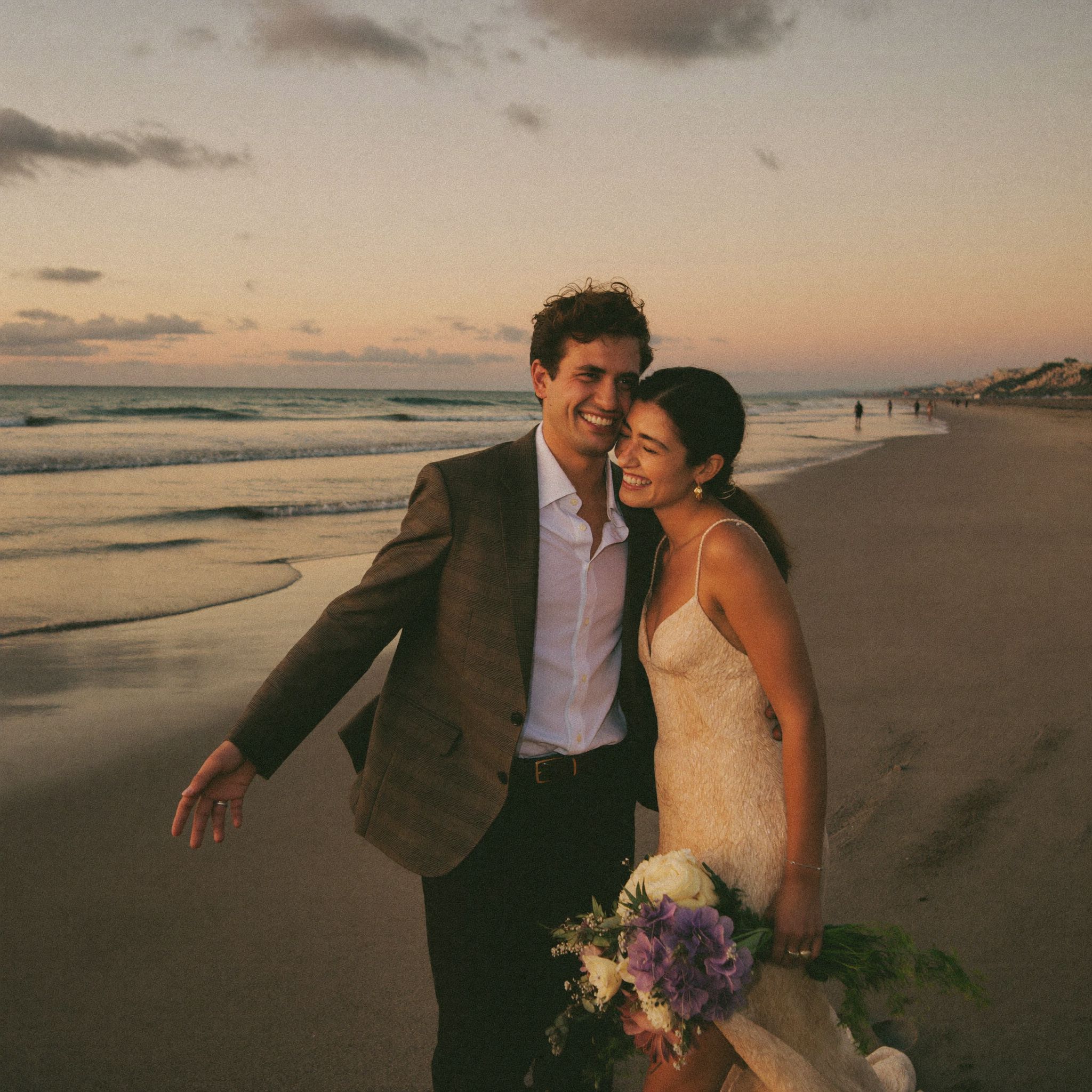
No residency requirement, no waiting period, no blood test. A Costa Rican notary public performs the civil marriage rather than a registry office, which is why the whole thing can happen on a headland at six in the evening instead of in a municipal building at eleven in the morning.
Two adult witnesses are required and I provide them if you are travelling alone. Afterwards it is registered with the Registro Civil, and the certificate needs an apostille and a translation before it is any use at home. I am not going to print a turnaround figure for that because I could not verify one. Start it the week you land back.
The rule that moves dates: a divorced or widowed woman can face a three hundred day wait before remarrying unless she can show she is not pregnant. Tell me at the start.
And the one that catches people on this coast specifically: a beach being public does not make an organised ceremony on it permitted. Nobody minds two people standing on sand. Chairs, an arch and a celebrant are a different thing, and it is arranged rather than assumed.
What it costs
Guanacaste starts at $10,000 for the Essential, $21,000 for Curated Signature and $27,500 for the Curated Adventuremoon. It sits in the middle of my Costa Rica ladder, cheaper than Manuel Antonio and Nosara, dearer than Monteverde and Puerto Viejo.
The Essential is one designed day: symbolic ceremony, officiant and styling, one signature location, photography with videography, planning, permissions, a fixer, transport, and a hand edited gallery. The Signature adds a second day, a cinematic film cut by hand, richer florals, hair and makeup, and the boat.
On this coast the second day is less critical than anywhere else I work, because the weather is more reliable, and I would rather say that than sell you an upgrade you do not need. What the Signature genuinely buys in Guanacaste is the boat and the empty beach, not insurance.
Flights and lodging are excluded, always, everywhere. The full ladder for all seven Costa Rican cities is on the pricing page.
Who should go somewhere else
If you want the Costa Rica of the documentaries, this is the wrong coast. The rainforest, the density, the animals falling out of the trees at you: that is the central and southern Pacific and the Caribbean. Guanacaste is drier, more open and more built. Go to Uvita or Manuel Antonio.
If you want surf and emptiness in one place, keep driving south to Nosara. Same peninsula, an hour further, a completely different atmosphere and a gravel road at the end of it.
If you want a landscape you have never seen before, this is not that either. Guanacaste is very good at being a beautiful, reliable, warm coast. Monteverde and Arenal are the strange ones.
Everything else is on the Guanacaste elopement planner, and the country as a whole is in the Costa Rica elopement guide.
Tell me your month and I will tell you what the sky owes you →
Enquiries to the publisher, armanarai.com.