How to Elope in the Riviera Maya, Between the Ruins and the Water Under the Ground
There is one Maya city built on a cliff above the sea, and a hundred miles of freshwater caves underneath the jungle behind it. Everything worth planning here is one of those two things.
The Riviera Maya is the stretch of Caribbean coast running south from Cancún, and the reason to come is a coincidence of geology and history that does not exist anywhere else.
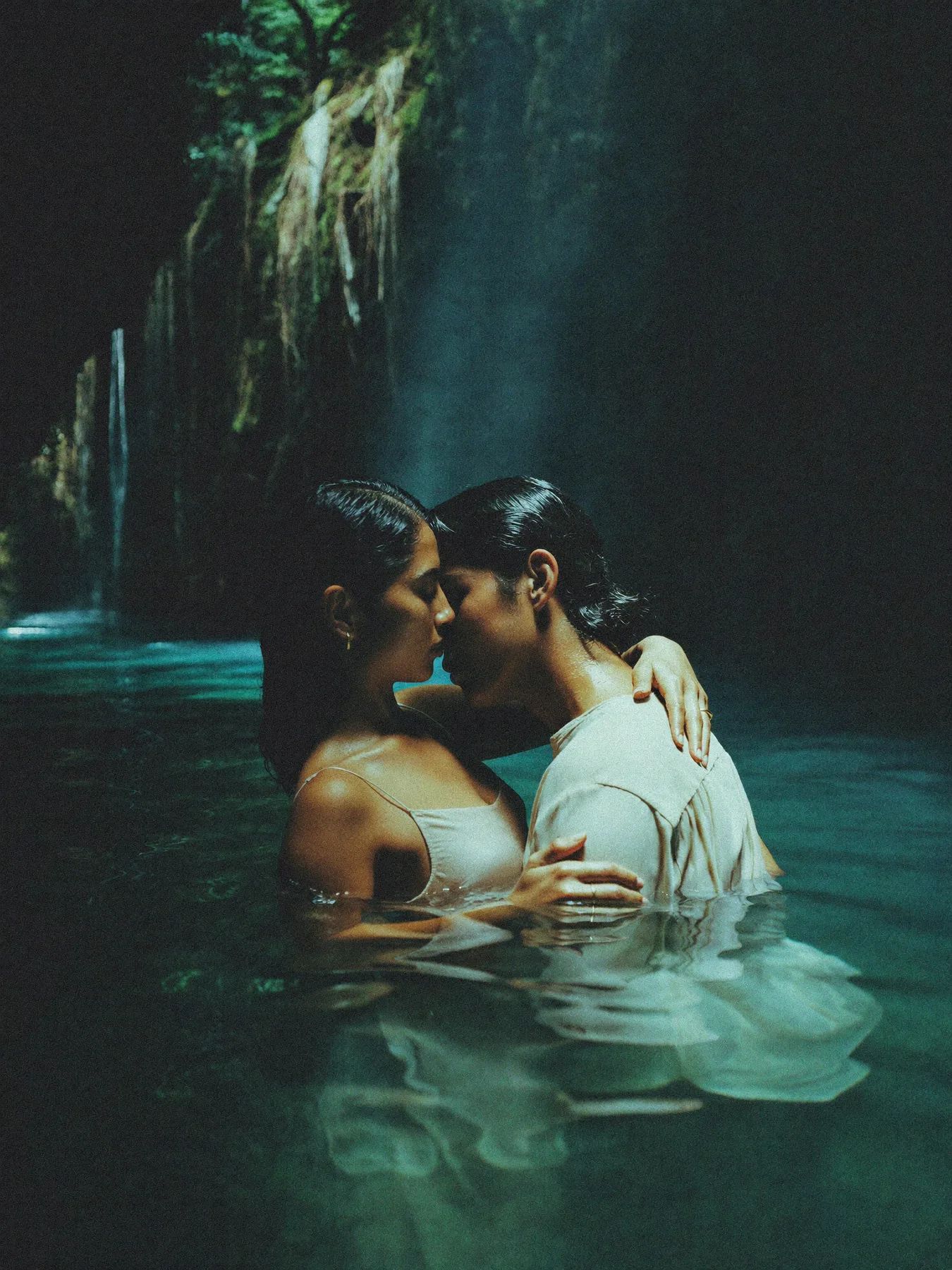
The whole peninsula is limestone. Rainwater has been dissolving it for millions of years, so underneath the jungle there is one of the largest systems of flooded caves on earth, surfacing wherever the roof has fallen in. Those openings are cenotes, and the Maya considered them entrances to the underworld, which is the sort of thing that sounds like tour guide patter until you climb down into one at seven in the morning and understand it immediately.
And on the coast above them there is Tulum: a walled Maya city on a cliff over the Caribbean, the only one of its kind, facing east into the sunrise. This post is about how to actually use both of those, which is more complicated than most planning admits.
(Continued on Page 2, Col. 1)
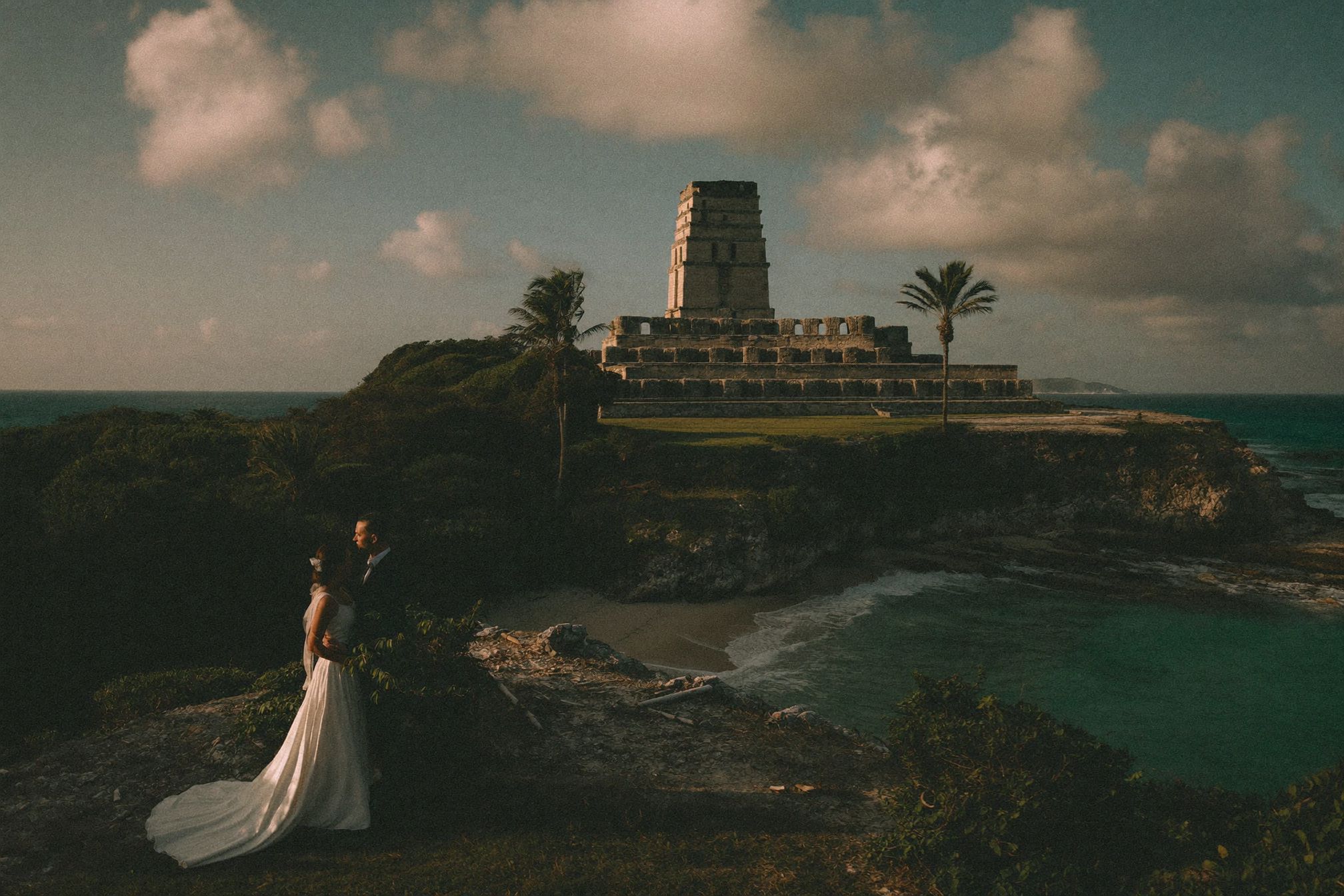
The only Maya city on the sea
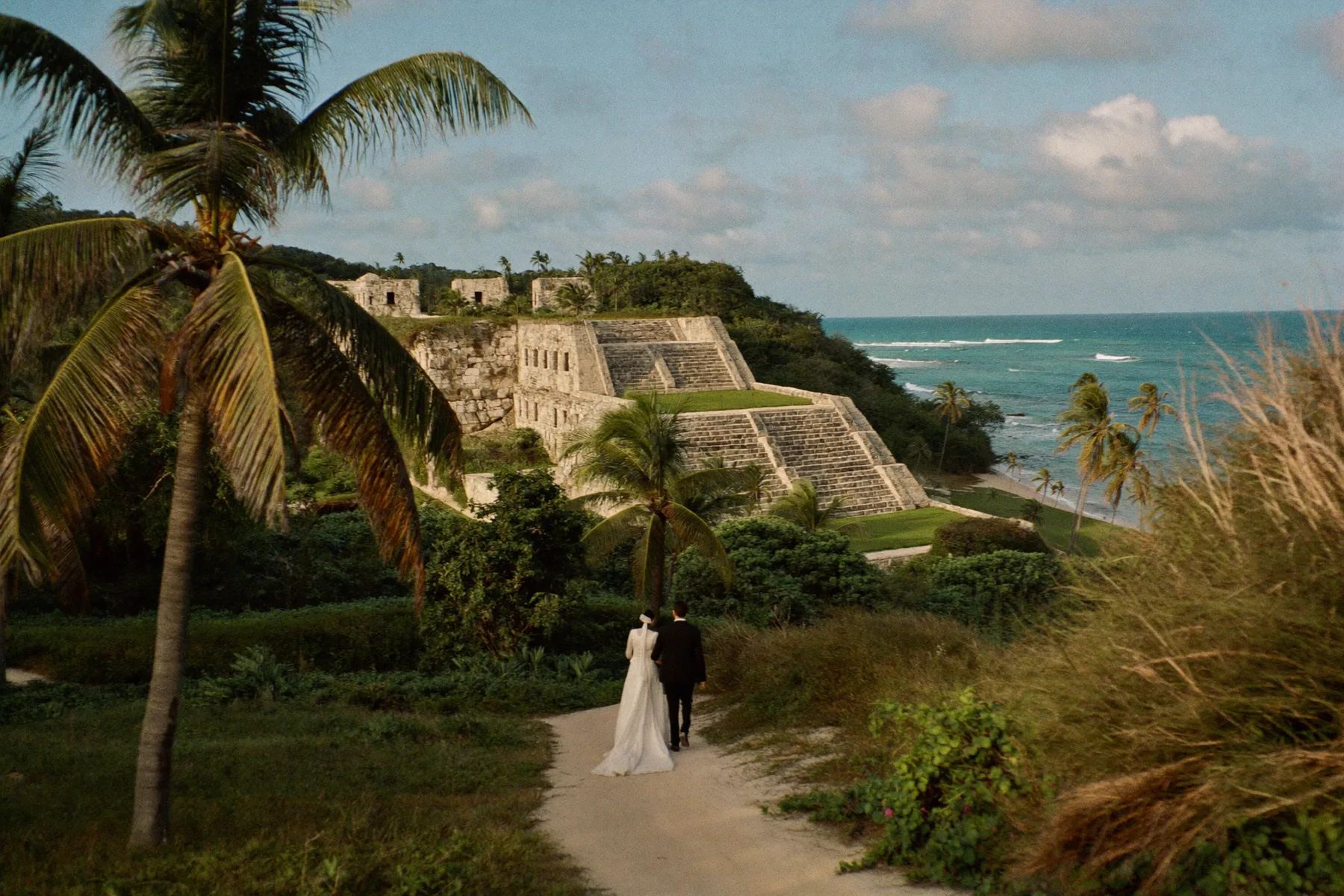
Tulum was a port and a trading city, walled on three sides with the fourth side being the cliff. What survives is a set of low grey stone buildings on a headland of hard limestone, with the Caribbean underneath and a small beach at the base of the cliff.
It faces due east. That single fact makes it one of the great sunrise locations in the Americas and a fairly ordinary one at any other hour. At first light the stone goes gold and the sea behind it is still dark. By ten the light is straight down, the stone is grey, and there are a very large number of people between you and it.
It is also hot in a specific way. There is no shade on that headland at all, and the walk in from the entrance takes long enough that arriving at opening means leaving in the dark. That is the correct decision anyway.
What the INAH permit actually is
This is the part nobody explains properly, and it decides what is possible at both Tulum and Cobá.
Mexico's archaeological sites are administered by INAH, the national institute of anthropology and history. Professional or commercial photography and filming at an INAH site requires permission and a fee, applied for in advance. The application is a real application: a written description of the project, and a form, and time.
What triggers it is largely equipment and intent. Two people walking around with a camera are visitors. A tripod, lighting, an arch, a celebrant, anybody in a dress being posed: that is a production and it is on the other side of the line. There is no published exemption for small crews that I could find, and I would not rely on the absence of a rule as though it were permission.
So there are two honest ways to build a day around Tulum. Apply, wait, pay, and be inside the boundary with authorisation. Or hold the ceremony on the beach below and use the ruins as a walk at opening, which needs nothing and takes an hour. I do both and I will tell you which fits your dates, because the permit route is a matter of months rather than weeks.
Cobá is the same regime and worth the inland trip regardless: a pyramid standing out of the jungle canopy, jungle bike paths between the groups of ruins, and a fraction of the visitors.
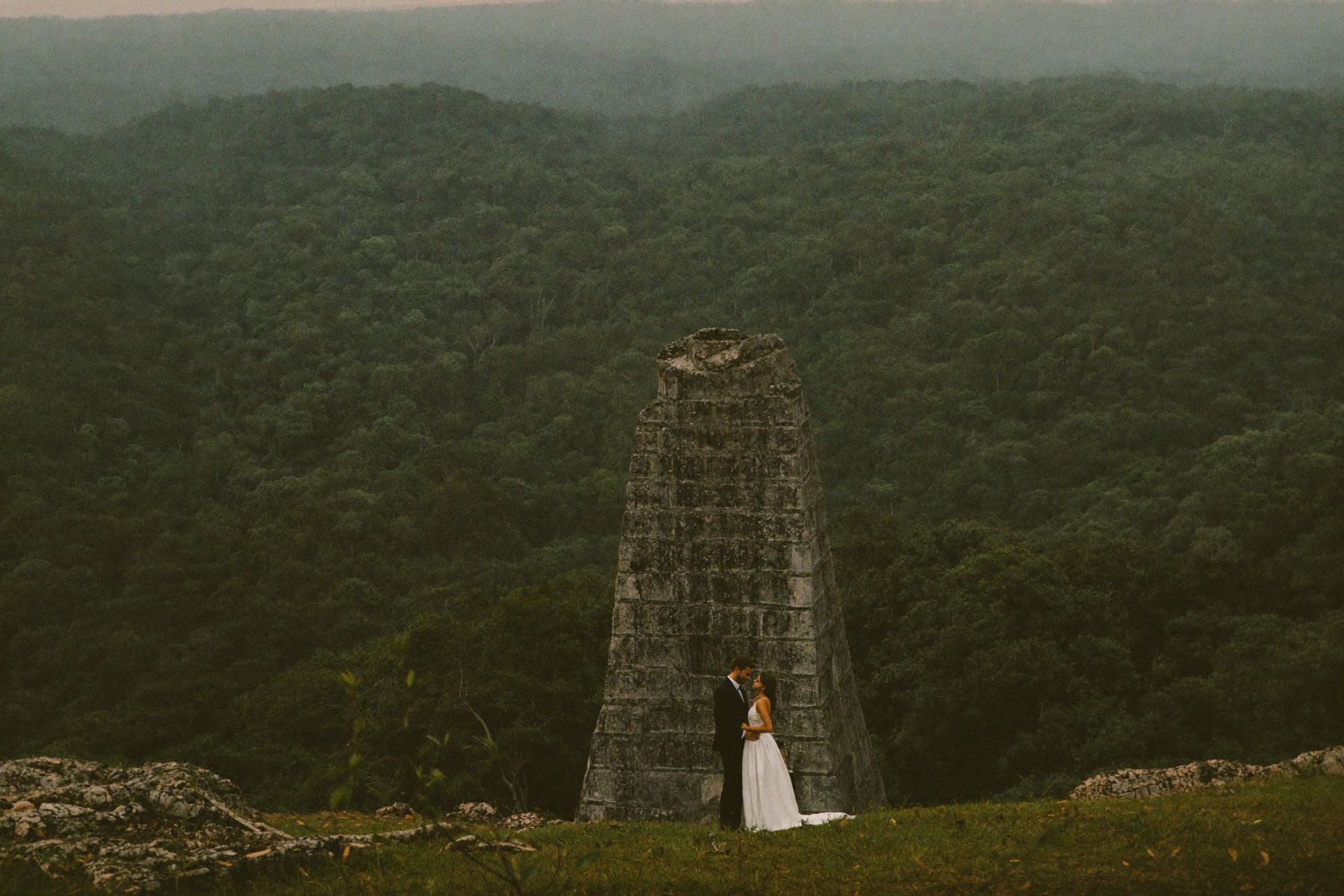
Cenotes, and the fact that there is no cenote permit
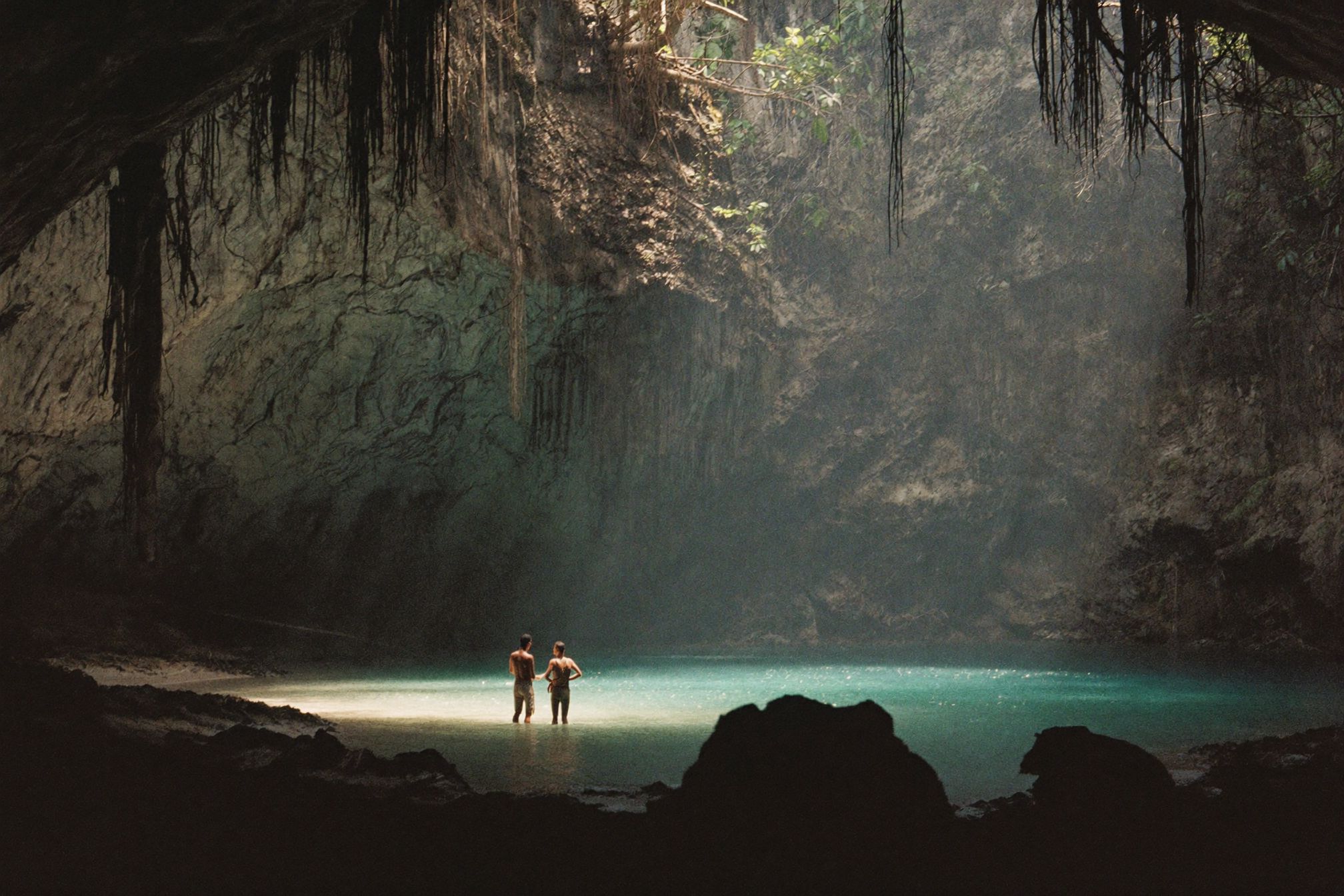
People assume cenotes work like national parks. They do not, and understanding the difference is what separates a good cenote morning from a bad one.
There is no statewide cenote permit. Permission is negotiated for each cenote individually with whoever controls it. Many are private property and the landowner's consent is the whole of the requirement. Others are ejido or community controlled, which is a different conversation with a different structure. Most that allow commercial photography charge a fee for it separately from entry.
I looked for an official register of how that ownership splits across Quintana Roo and there is not one, so I am not going to print a proportion I cannot stand behind.
What this means for you is practical. The cenotes worth having are the ones we have arranged in advance to be in early, alone. The ones you can walk into off the highway at eleven in the morning have thirty people in life jackets in them, and there is no framing that hides that. The arrangement is the product.
Two warnings. The water is cold. And sunscreen, insect repellent and cosmetics are banned at most of them for good reason, because the systems are connected and the aquifer is drinking water. Plan the styling around that rather than arguing with it at the steps.
Sargassum, and where on this coast it lands
The seaweed question, answered the same way I answered it for Cancún, because it matters more here.
Sargassum season runs roughly May to October, and the central Riviera Maya is where it is worst. Playa del Carmen and Tulum are the part of this coast that takes the heaviest arrivals. North Cancún, Isla Mujeres and the west side of Cozumel come off considerably better because of the way the currents deliver it.
So if your date falls inside the season and Tulum beach is central to what you imagined, that is a conversation we need to have honestly in month one rather than month six. Sometimes the answer is moving the date. Sometimes it is moving north. Often it is building the day around the things sargassum cannot touch, which on this coast is a great deal: the cenotes, the ruins, Cobá, the lagoon, the biosphere.
What I will not do is tell you it will probably be fine. Some years it is and some years it is not, the forecasting is poor, and a couple who was promised a clear beach and got a brown one has been badly served.
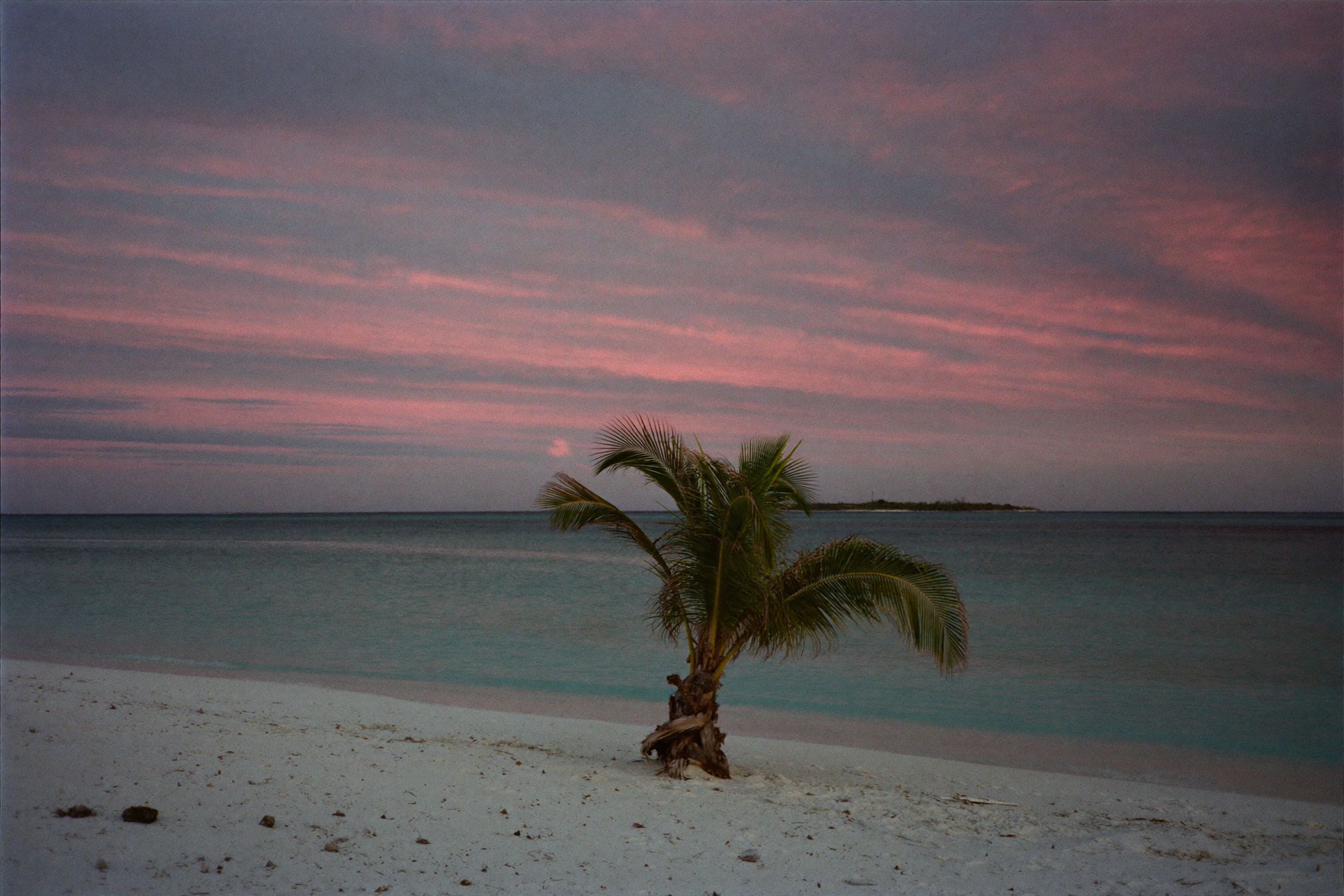
Sian Ka'an by boat
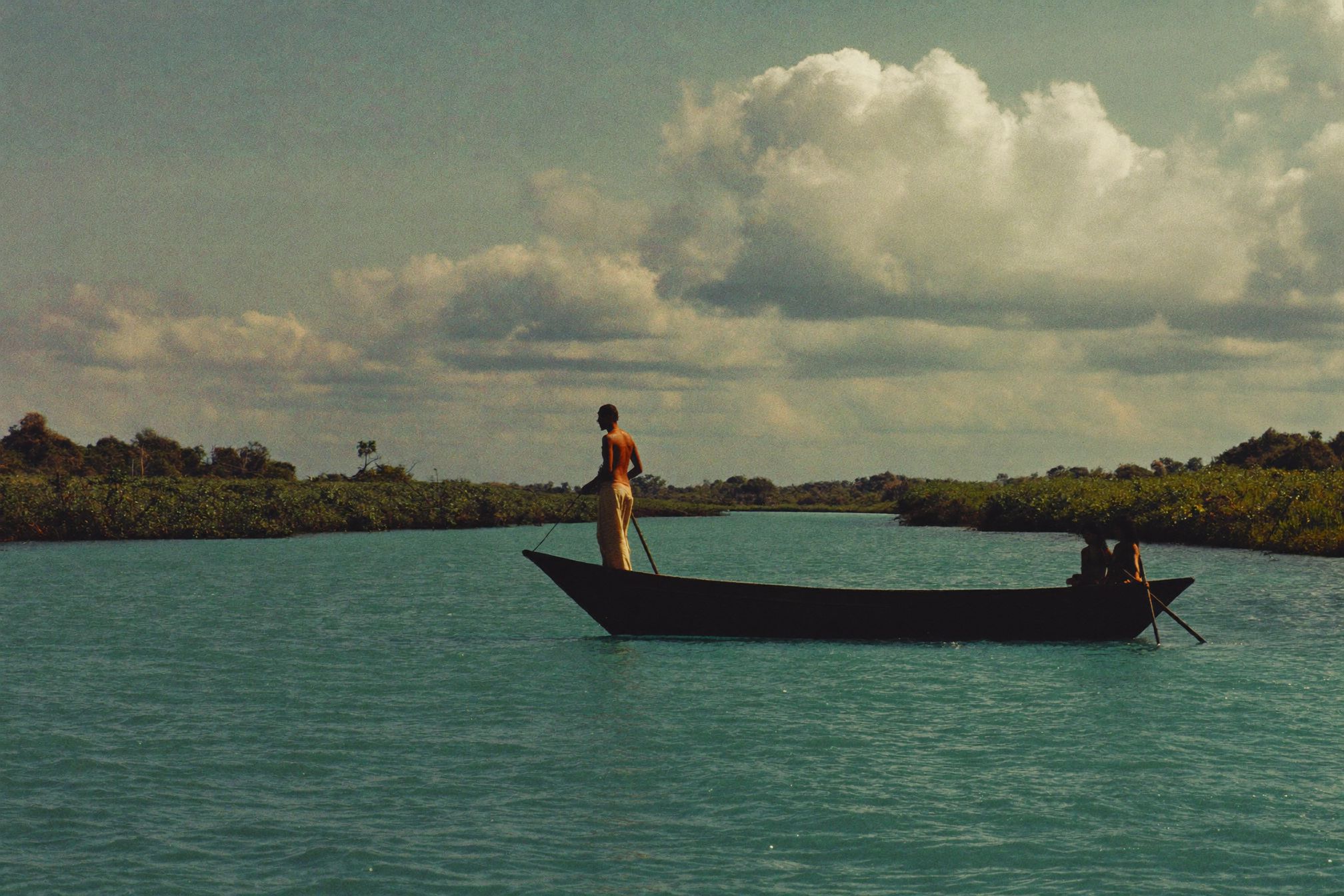
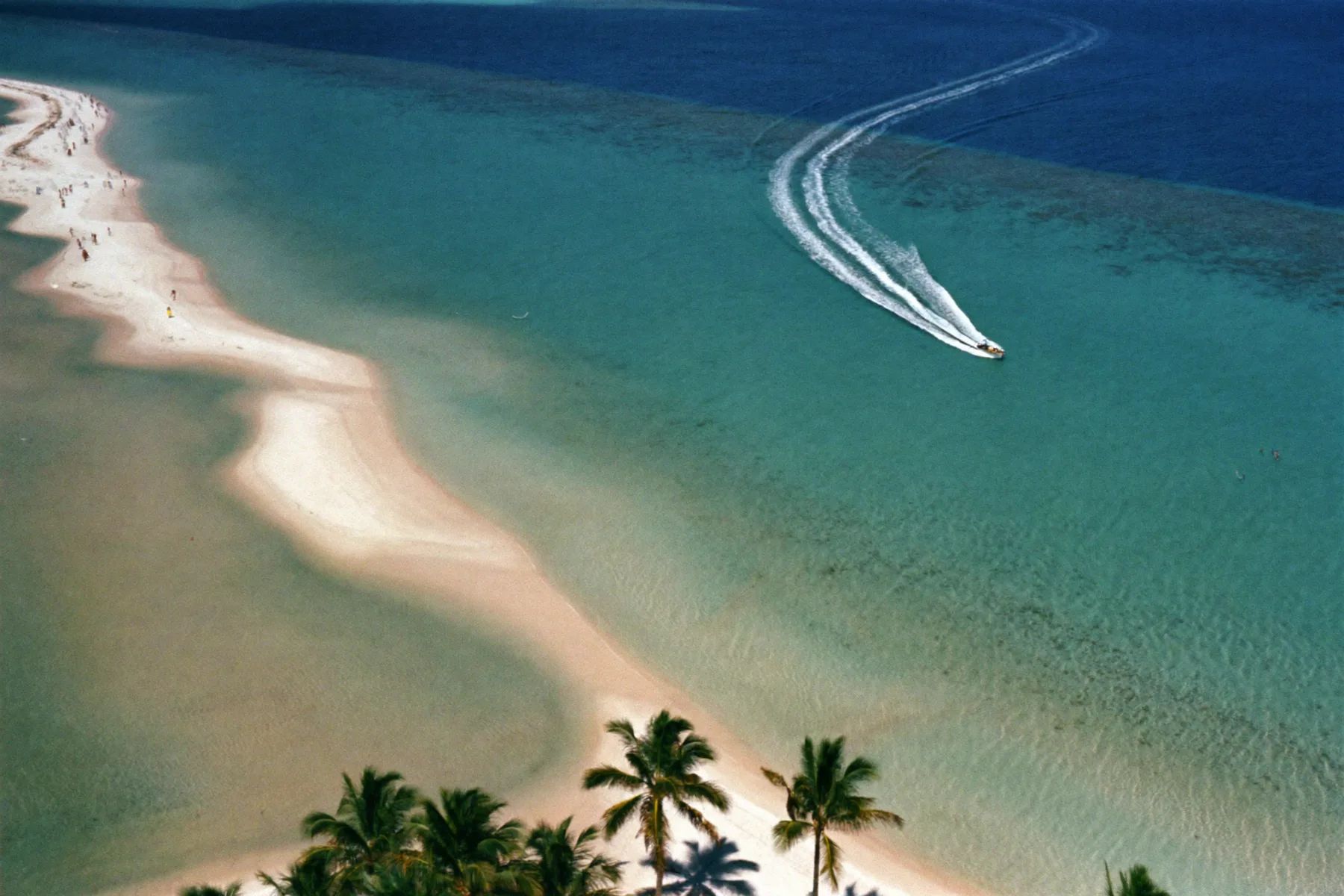
South of Tulum the coast road ends at the boundary of the Sian Ka'an biosphere reserve, and everything past it is a protected wetland the size of a small country: lagoons, mangrove channels, reef, and almost nothing built.
You go in by boat. The water in the lagoons is a colour I struggle to describe accurately and which people assume is graded. There are Maya canals cut through the mangrove that you can float down. Birds in numbers. No buildings on any horizon.
It is the single best half day on this coast and it is the one couples cut first when they are trying to save money. I would cut almost anything else before it. It is also entirely unaffected by what is happening on the beaches, which makes it the strongest fallback in the whole region for a summer date.
The drone question
The same answer as everywhere in Mexico and it is not the answer couples want.
The sources genuinely disagree on the rules for visitors. Some put the registration threshold at 250 grams, others describe a practical two kilogram limit for recreational flying. What is consistent is that the AFAC registration system is built around Mexican identification, that commercial operation is expected to carry authorisation and insurance, and that drones are not permitted at INAH archaeological zones, which removes Tulum and Cobá from the list before you start.
Sian Ka'an is a protected area and should be treated as its own set of rules rather than assumed open.
Where aerials are worth having I use a local operator who can show me their paperwork. Where I cannot, I say so. It is a small thing to lose and a large thing to get wrong.
VISITAX, and the practical costs
Quintana Roo charges VISITAX per foreign visitor, in the region of 280 to 300 pesos each. I am giving a range because the figure moves and a stale number in a blog post is worse than none. Pay it online before you fly.
Beyond that: cenote entry is per person per cenote and adds up faster than people expect. INAH sites charge entry separately from any permit. Boats in Sian Ka'an are chartered rather than ticketed. None of it is large individually and all of it is outside what I quote, because what I quote is what I curate rather than what you consume.
You get every one of those in writing as an estimate before anything is held. I would rather over explain the small numbers than have the total surprise you.
Marry at home first
The same recommendation I make everywhere in Mexico, for the same reasons.
A Mexican civil marriage requires a blood test taken in Mexico, and the number of witnesses required varies by state. Documents must be translated. Appointments must be made. It is all doable and it eats days of a trip that has a limited number of them.
So sign at home, quietly, before you travel. Then the ceremony here is yours entirely, at the hour you chose, without a registrar's script in the middle of your vows. Almost every foreign couple who elopes in Mexico does it this way and it is what I would do.
If you want the legal marriage to happen in Mexico, say so and I will build it properly. It is not a problem. It is a set of days.
What it costs, and how it compares
The Riviera Maya starts at $9,400 for the Essential, $17,000 for Curated Signature and $24,500 for the Curated Adventuremoon. That is seven hundred dollars above Cancún at the entry tier and it is worth understanding what the difference buys.
It is access and distance. The cenotes are arranged individually and privately. The ruins may need a permit with lead time. Sian Ka'an is a chartered boat into a biosphere. The good locations are spread across ninety minutes of coast rather than concentrated on one beach. All of that is more work and more travel than a sunrise on Playa Delfines.
What the Signature adds here is the second day, and on a coast where the three best locations are a ruin at dawn, a cenote at dawn and a lagoon at midday, one day genuinely forces a choice you should not have to make.
Flights and lodging are excluded, always. The full ladder is on the pricing page, and the locations and timeline are on the Riviera Maya elopement planner.
Who should go elsewhere
If your date is between May and October and the beach is non negotiable, go north to Cancún and Isla Mujeres instead, or cross to the Pacific. This is the wrong stretch of coast in the wrong months for a beach that has to be perfect.
If you want quiet more than you want ruins, Tulum in high season is not quiet. It is one of the busiest destinations in Mexico now, and the beach road at six in the evening is a traffic jam. Sayulita is smaller and cheaper, and Holbox is quieter still.
If the ruins are the entire reason, be aware that the permit route needs months. Start the conversation early or plan to use them as a walk rather than a ceremony.
The rest of the country is in the Mexico elopement guide.
Tell me your dates and I will tell you whether the permit fits inside them →
Enquiries to the publisher, armanarai.com.