How to Elope in Sayulita, the Cheapest Good Answer in Mexico
Eight thousand five hundred dollars, a painted surf town on the Pacific, and a hidden beach inside a volcanic crater that lets in a hundred and sixteen people a day.
Sayulita is the cheapest destination I sell anywhere in the world. It starts at $8,500, level with nothing else on the list, and the first question any sensible person asks is what is wrong with it.
Nothing is wrong with it. It is a small surf town on the Pacific coast of Nayarit, forty minutes north of Puerto Vallarta's airport, with painted buildings, a jungle behind it, a river running through the middle and a wave that made the town's name. It is cheap because it is small, because Vallarta is a well served airport with competitive flights, and because the whole coast runs at Mexican prices rather than resort prices.
What you need to plan around is the crowd, the wave, and one of the most tightly controlled national parks in Mexico, which sits offshore and contains the single best location in the region.
(Continued on Page 2, Col. 1)
The town is the location
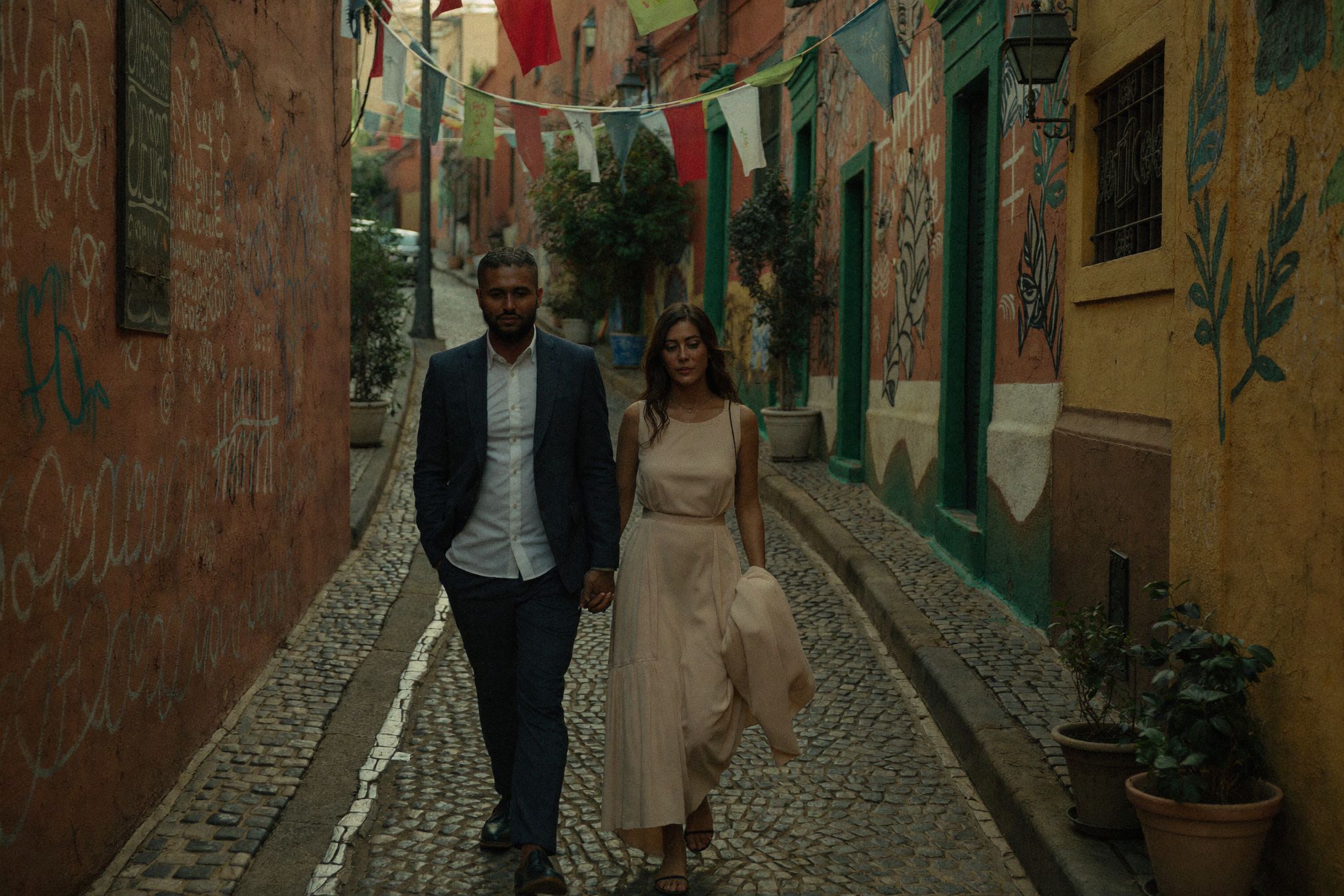
Most beach destinations have a town you tolerate in order to reach a beach. Sayulita has a town that is genuinely one of the best things about it.
It is small, cobbled, and painted every colour that exists. There is bunting strung across the streets more or less permanently. There are Huichol artists selling beadwork that takes months to make. The main square has a church on it and a taco stand that is better than most restaurants I have eaten in.
That means the day does not have to be a beach day with a dinner attached. The streets photograph as well as the sand does and they work in the middle of the day, which the beach does not. On a two day itinerary I will often put the ceremony at the beach at dawn and the whole of the second morning in town.
It also means walking. Everything is within ten minutes of everything, which is not true of anywhere else in this post.
Papel picado, and the ceremony at the right end of the day
This coast faces west, which is the opposite of Cancún and changes the shape of the day completely. The sun sets into the ocean here. The last forty minutes of light are the best of the day, they are directly usable, and the ceremony goes at the end of the afternoon rather than at dawn.
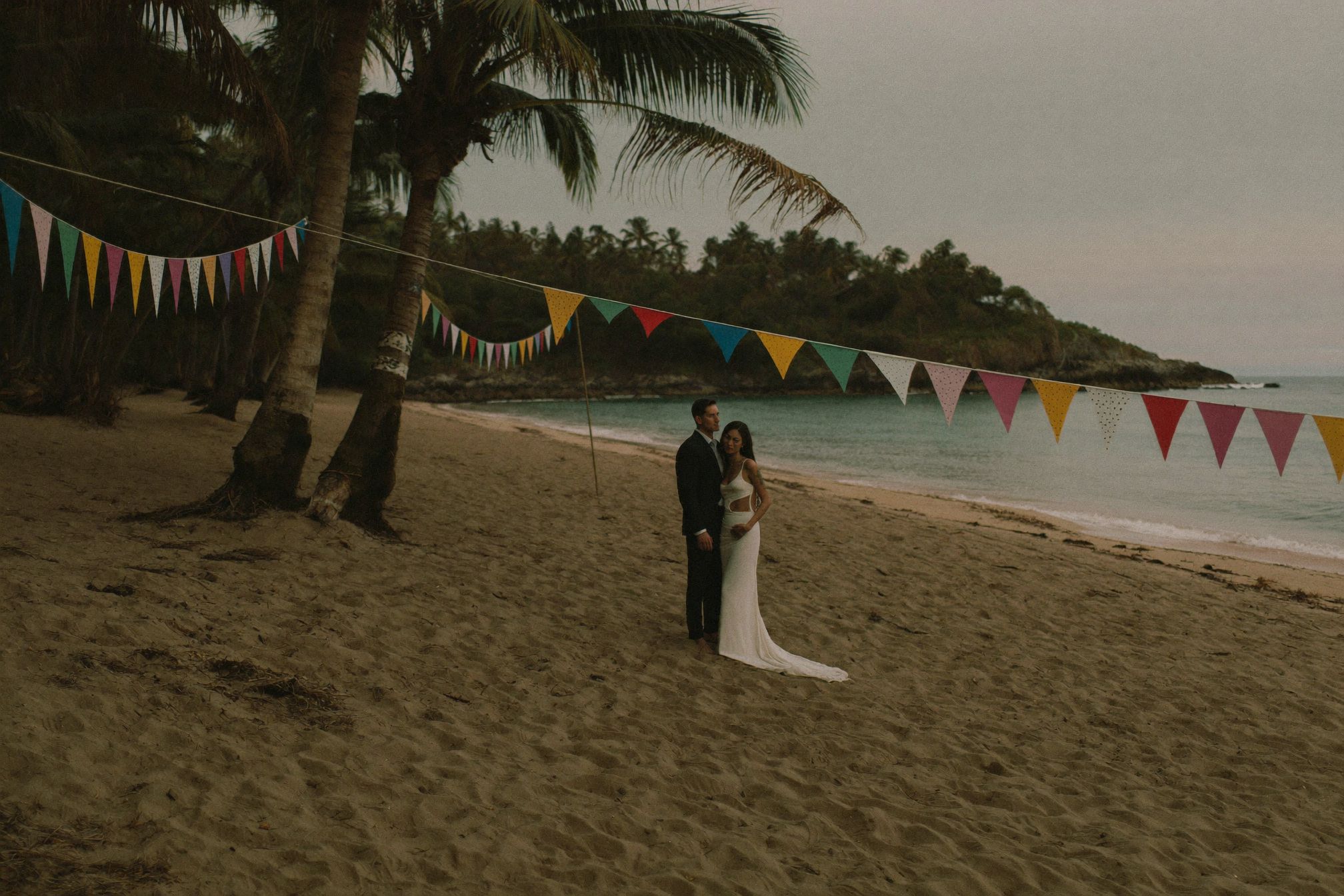
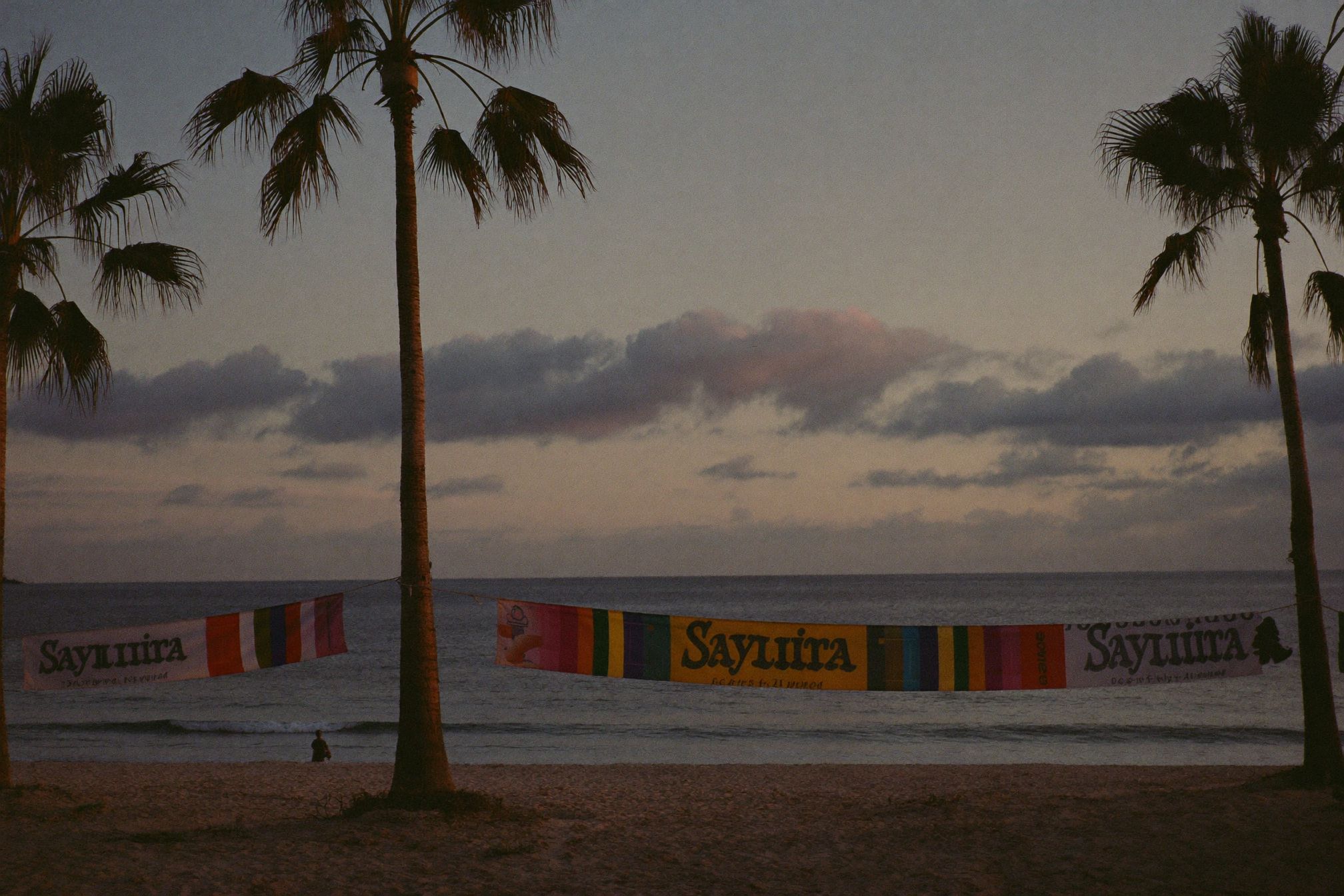
Papel picado, the cut paper bunting, strung between two poles on the sand at that hour is the signature image of a Sayulita elopement and it earns the cliché. It moves in the wind, it throws coloured shadows on the sand, and it costs almost nothing.
The beach in front of town is busy. That is a fact and no framing hides it: there are surf schools, dogs, vendors and several hundred people on a good evening. So the ceremony is not on that beach. It is either at the north end past the point, or on one of the smaller beaches a short drive up the coast, and the town beach is for eating and drinking afterwards, which is what it is good at.
The Marietas, and the rules almost nobody publishes
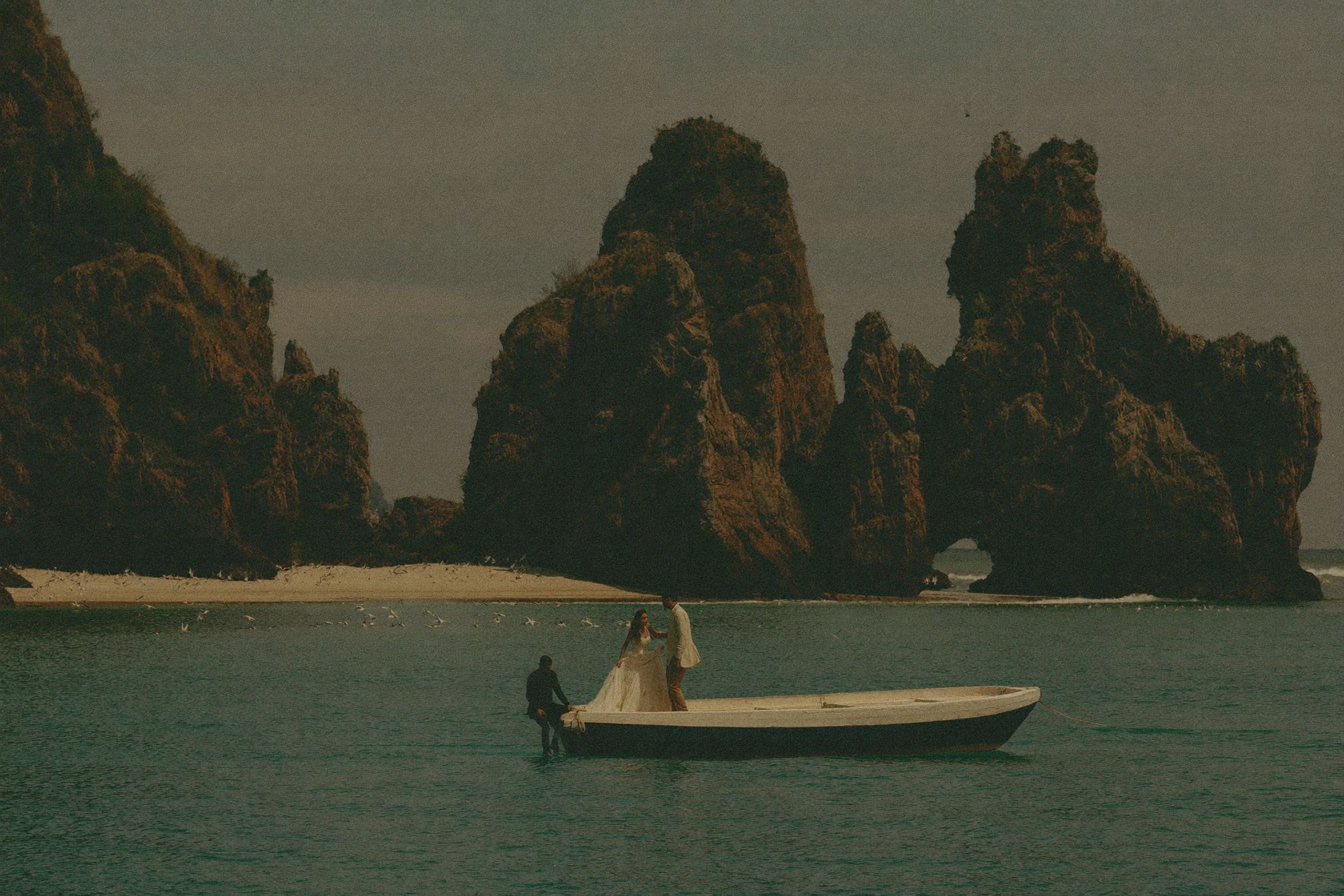
An hour offshore there are two small volcanic islands, and inside one of them there is a beach at the bottom of a collapsed crater, open to the sky through a hole in the roof. Playa del Amor, the hidden beach. It is the most photographed thing on this coast and it is a national park under CONANP management, with real limits.
Here is what is actually published, and I have gone looking because the tour operators are vague about it.
The daily cap for the hidden beach is 116 visitors. Groups of up to fifteen. Thirty minutes ashore. Entry is supervised by park staff, only through an authorised operator, and only at low tide, because the way in is a swim through a tunnel in the rock and at high water there is no headroom. Diving is not allowed in front of the entrance, and boats carrying more than fifteen passengers cannot enter the restricted areas at all.
On the days it opens, the sources disagree slightly. A SEMARNAT reopening notice says the beach is closed Mondays and Tuesdays; the park's own page says the park runs Tuesday to Sunday and the beach Wednesday to Sunday, eight until five. They agree that Monday and Tuesday are out, and I would not plan on a Tuesday. Confirm the rest close to your date, because this is exactly the kind of rule that changes.
Practically: this is a swim, in a group, with a time limit, in a wildlife refuge. It is not a place you get married. It is a spectacular half day either side of the wedding and it should be planned as one.
The whales, and the season that is set each year
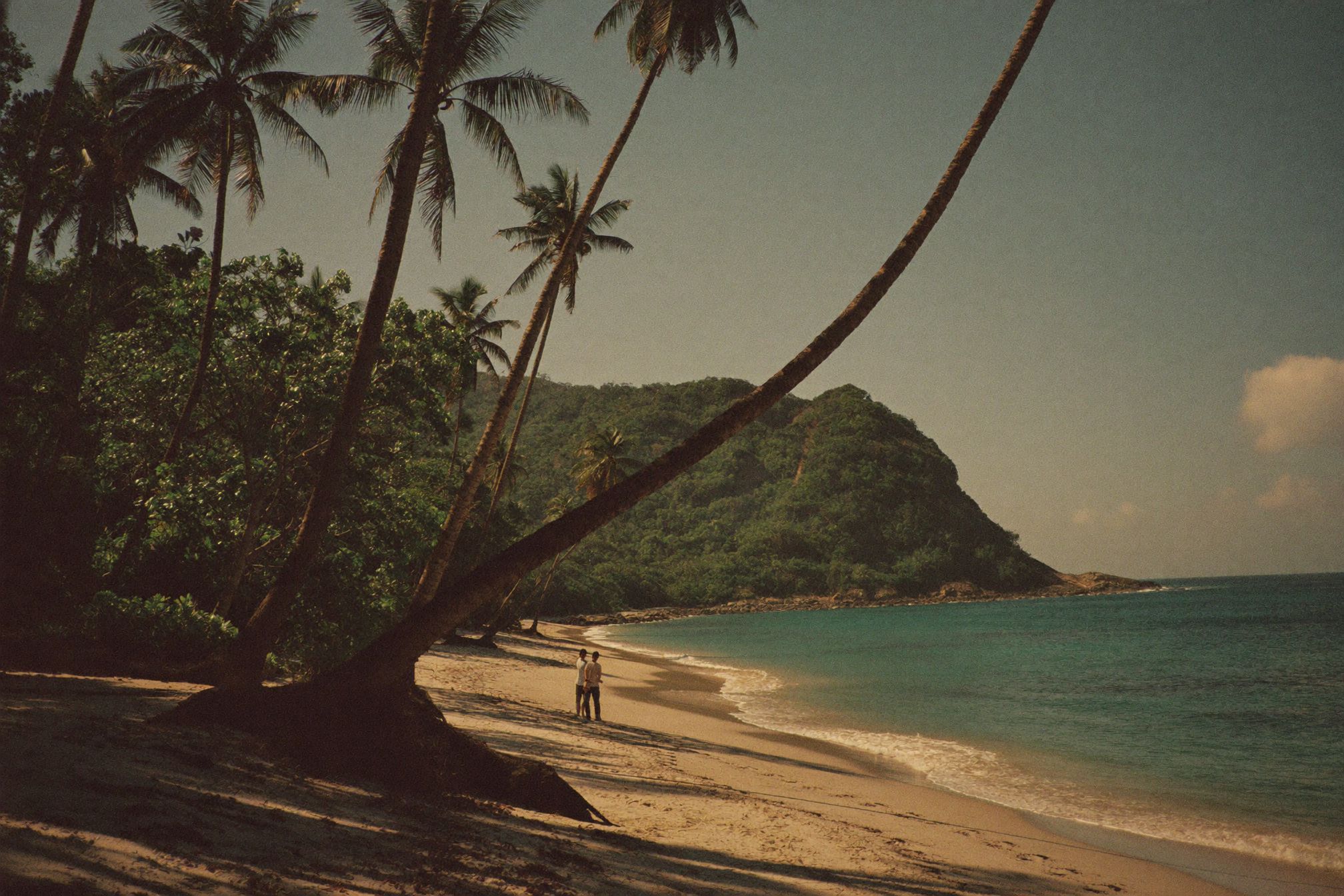
Banderas Bay is one of the largest bays in Mexico and deep enough that humpbacks come into it to calve. Between December and March they are genuinely everywhere, and you see them from the beach, not only from a boat.
The whale watching season here is regulated and its dates are set annually rather than being a fixed calendar. The 2025 to 2026 season ran from 8 December to 23 March. That is the actual published window for that year, and it is the right way to think about the season: mid December to late March, confirmed each year, rather than a rule of thumb.
I could not confirm an official minimum approach distance from a source I would rely on, so I am not printing one. What I will say is that the operators worth using treat the animals conservatively and the ones that chase are obvious within ten minutes. Use a permitted boat and take the guidance you are given.
If whales matter to you, that fixes your month. January and February are the peak and they are also the driest and most reliable weeks on this coast, which makes the decision easy.
The surf, the river, and the water
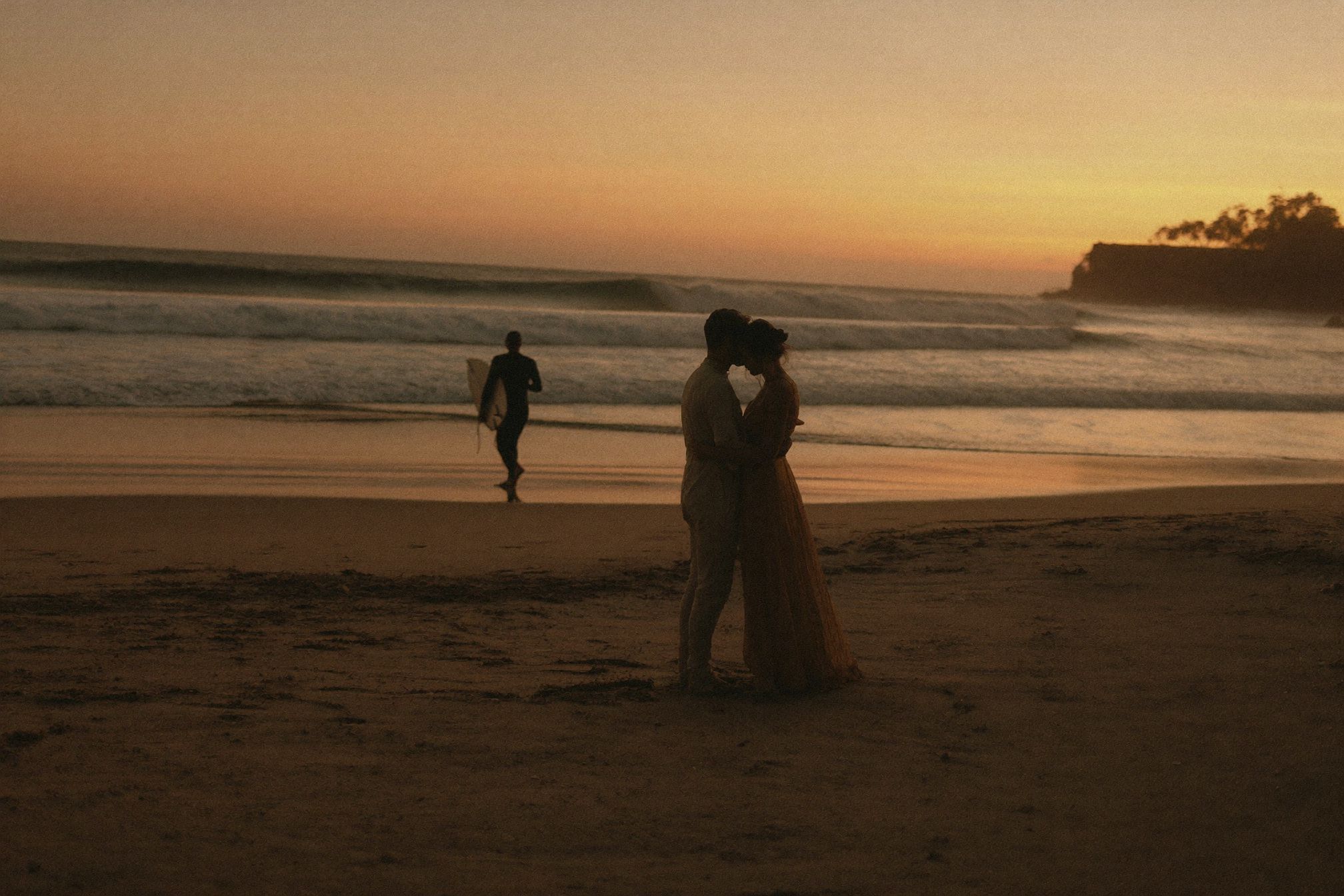
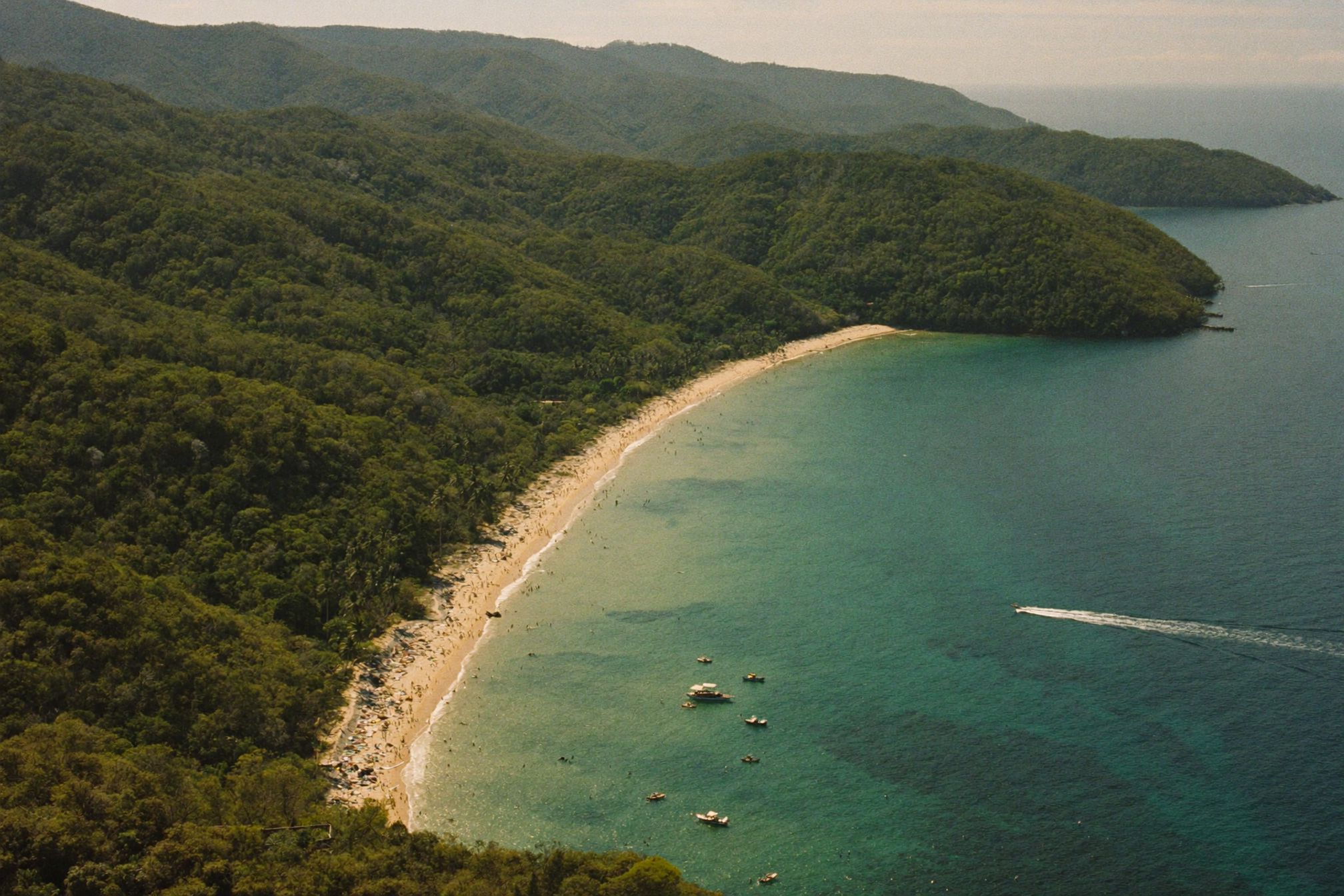
Sayulita exists because of the wave. It is a forgiving right hander that is ideal for learning, which is why the beach is full of surf schools and why the town has the population it has.
Take a lesson. Genuinely. It is cheap, it is an hour, and the frames of two people falling off repeatedly in wedding week are better than almost anything posed.
On the water quality question, because people ask and there has been history here. The testing that exists is run by the community rather than published federally, and the most recent figures I found show Playa Principal at 23 NMP per 100 ml against a Mexican recreational limit of 200, and the north side at 3. Both comfortably clear.
The caveat is the river mouth. The same testing notes that the north side near where the river comes out can spike after heavy rain, particularly late in the wet season. So the practical advice is ordinary: swim at the main beach, avoid the river mouth for a day or two after a downpour, and do not read a single reassuring number as a permanent condition.
The jungle behind the town
The Sierra comes almost to the water here, so the jungle starts immediately behind the town and it is thick, green and full of birds. Inside twenty minutes you can be at a freshwater waterfall with nobody at it.
This is the fix for the sameness problem, which is the honest criticism of a beach elopement anywhere. Forty frames of sand start to look like each other. Forty minutes in a green canyon with fresh water running through it does not.
Horses are the other one. The rides go from the beach up into the canopy and back down, they are gentle, and the light through the trees on the way back at the end of the afternoon is the best thing I photograph in this region.
San Pancho, the next town north, is the quieter version of Sayulita and worth an afternoon. Same coast, a fraction of the people, and a beach that is genuinely empty on a weekday.
Marry at home, hold the ceremony here
A Mexican civil marriage requires a blood test taken in Mexico, and the number of witnesses varies by state. Documents need translation, appointments need making, and it consumes days you do not have many of.
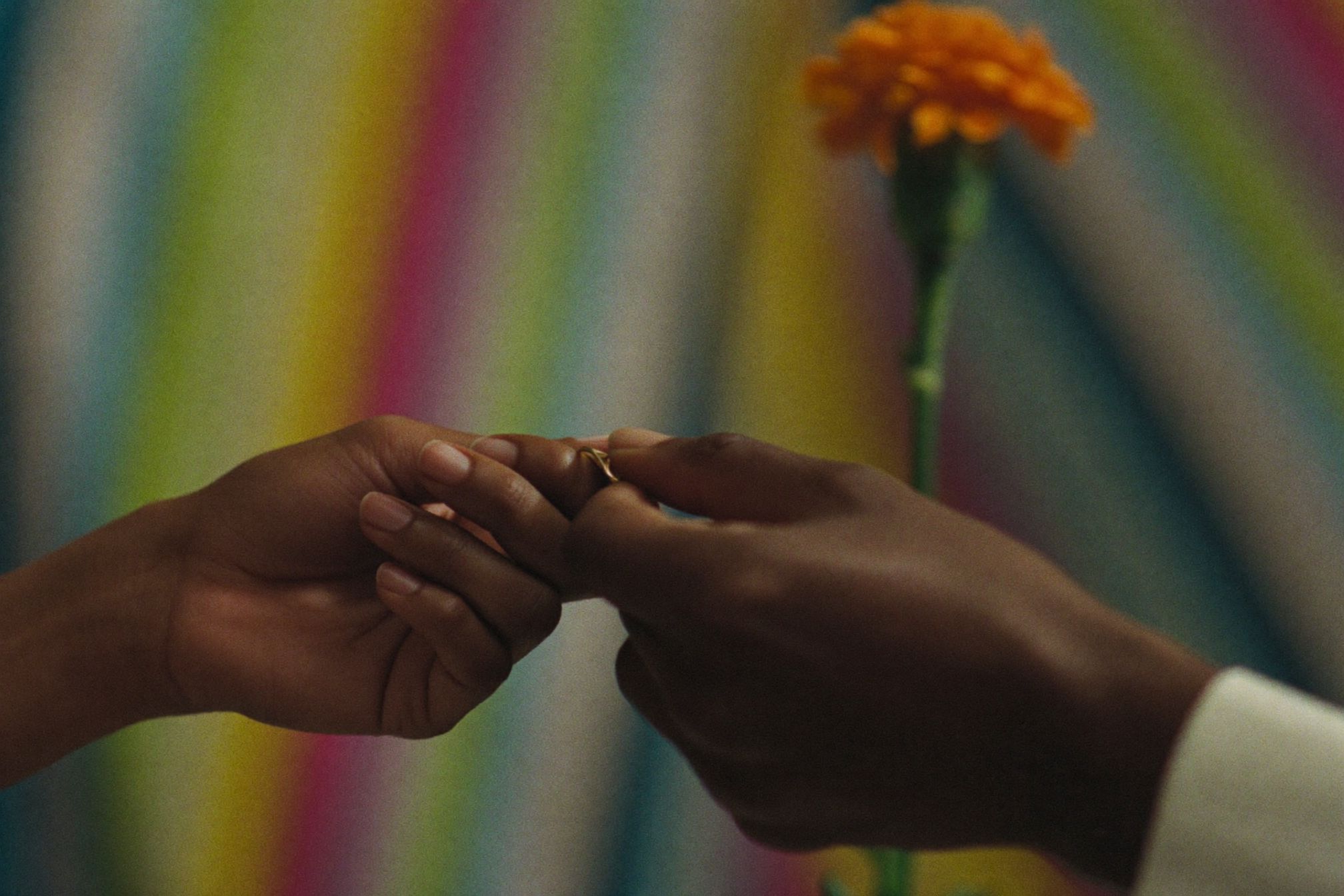
So sign the paperwork at home before you fly, and let the ceremony on the sand be entirely yours. No statutory text in the middle of your vows, no strangers as witnesses, no municipal office on the second morning of your trip.
Nearly every foreign couple who elopes in Mexico does it this way. If you want the legal marriage here I will build it and tell you honestly what it costs in time.
What it costs, and why it is this cheap
Sayulita starts at $8,500 for the Essential, $15,000 for Curated Signature and $21,000 for the Curated Adventuremoon. Nothing I sell anywhere is cheaper.
Itemised, because a low number invites suspicion. Vallarta is a competitive airport with a lot of flights and short transfers. The town is small and walkable, so a day does not burn hours in vehicles. Vendors are local and excellent and priced for a Mexican market rather than a resort one. There is no permit apparatus of the kind Tulum and Teotihuacán carry. Everything about the logistics here is simpler than everything about the logistics in Nosara or Uvita, and that is where the difference lives.
What the Signature buys is the boat and the second day. On this coast the boat is worth it twice over, once for the Marietas and once for whales if your date is in season.
Flights and lodging are excluded, always. The full ladder is on the pricing page and the day is written out on the Sayulita elopement planner.
Who should go somewhere else
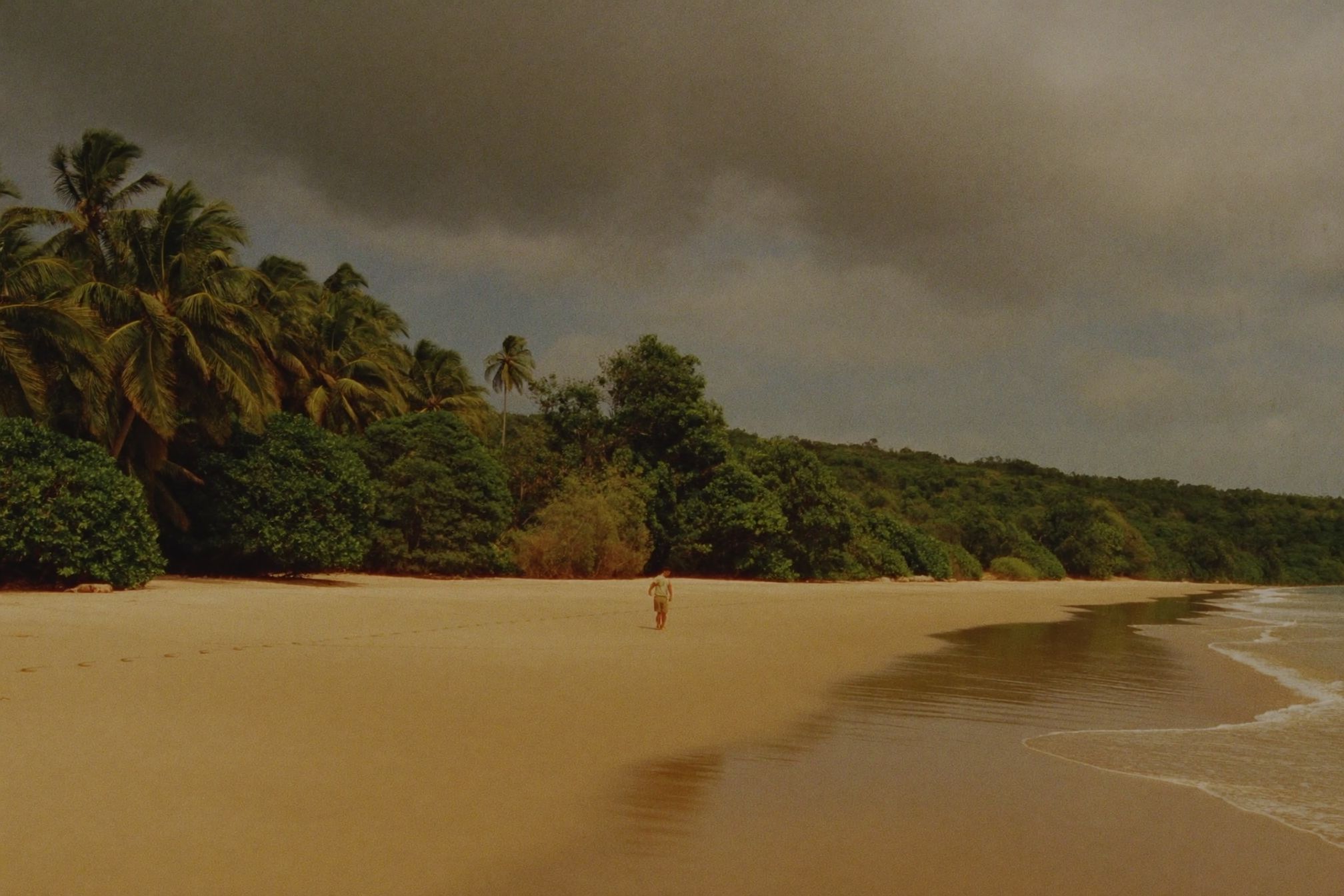
If you want an empty beach in the middle of the day, this is not it. Sayulita is popular and the town beach is busy from ten until dark. I plan around it and the plan works, but if emptiness is the thing you are buying, the Pacific coast of Costa Rica does it better and Nosara is the strongest version of it.
If you want the Caribbean water colour, the Pacific does not do that. Go to the Riviera Maya and accept the sargassum calendar.
If you want desert and drama rather than jungle and colour, that is Baja. Los Cabos and the Baja circuit is a completely different Mexico for fifteen hundred dollars more.
The whole country is in the Mexico elopement guide.
Tell me your budget and I will tell you what this one actually buys →

Enquiries to the publisher, armanarai.com.