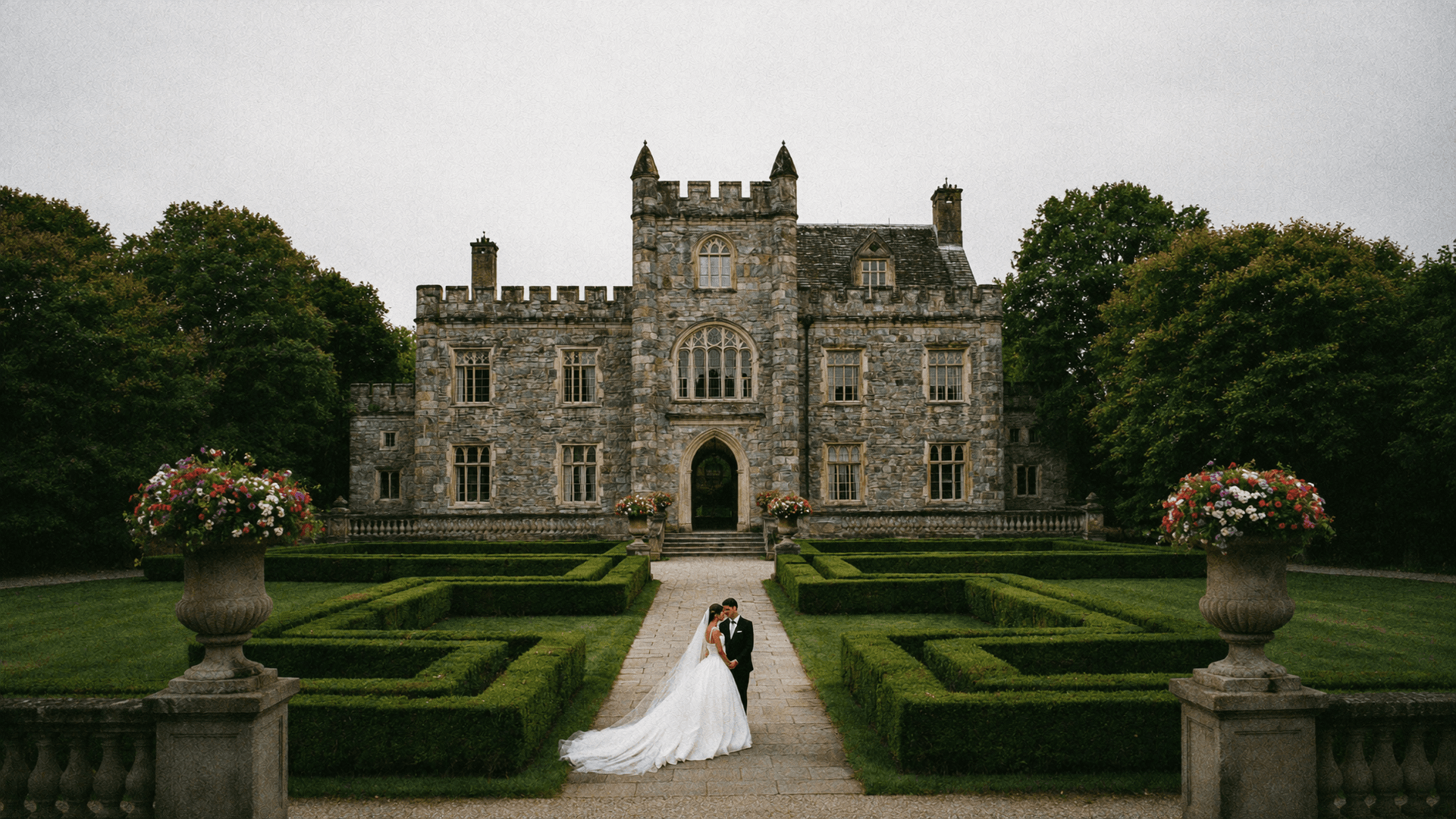
I have shot enough weddings in BC to know where the undervalued light is, and for the last several years it has been in the Okanagan. Kelowna sits between the Monashee and Cascade mountain ranges at the midpoint of a valley that stretches from Vernon in the north to Osoyoos near the US border in the south — 135 kilometres of lake, vineyard, orchard, and desert terrain that changes character dramatically with altitude and season. For photographers, it is one of the most interesting working environments in Canada.
Why the Light Is Different
Coastal BC — Vancouver, Victoria, Whistler — has beautiful light when the sun is out, but the maritime climate means overcast is the default. The Okanagan has a continental climate: it is the driest region in Canada and receives more sunshine hours per year than most of coastal BC. That means when you schedule portraits for the late afternoon, the golden hour arrives reliably and burns clean rather than diffusing through cloud cover. The Okanagan golden hour, particularly in September during harvest season, has a warmth and clarity that I compare honestly to what I find in Tuscany or the south of France — not as hyperbole, but as an accurate description of the light quality.
The Vineyard Context
With over 200 wineries in the region, the Okanagan has developed a wedding venue infrastructure built on estate properties that offer something the resort model cannot: a working landscape as the visual context. Vine rows in September, when the leaves begin to turn and the harvest is underway, create the kind of portrait backdrop that requires almost no compositional invention — the texture, the depth, the warm colours do the work. The estate venues themselves — Mission Hill, Summerhill, Tantalus, Liquidity, and a dozen others — have architecturally interesting buildings, tasting rooms, and terrace settings that give indoor and outdoor coverage options at the same property.
Okanagan Lake: The Feature Most Couples Underuse
The lake is 135 kilometres long and sits in the valley at an elevation that makes the surrounding mountains visible on all sides simultaneously. For sunset portraits, the lake's western shore catches the light reflecting off the water back onto subjects in a way that is genuinely extraordinary — the kind of fill light that photographers spend significant money replicating artificially in studios. I position portrait sessions specifically around the direction the light hits the water at the couple's chosen time of year, and the resulting images regularly produce the strongest work of any day I shoot in BC.
When to Shoot in Kelowna
September is the answer without much qualification. The harvest energy, the turning vine leaves, the reliable weather, and the specific quality of September Okanagan light combine into the most visually productive environment I work in anywhere in Canada during that month. July and August are hot and dry — beautiful light, but the vines are green and the landscape is more sun-bleached than the golden abundance of September. June is lovely but cooler, and the vineyards are still filling out.
Getting There
Kelowna International Airport (YLW) receives direct service from Vancouver, Calgary, Edmonton, Toronto, and several US cities. The drive from Vancouver via the Coquihalla is 4 to 4.5 hours — manageable for a long weekend event. For couples whose families are split between the coast and the prairies, Kelowna is genuinely central in a way that Vancouver or Victoria is not.
I photograph weddings in the Okanagan every September and take a small number of summer dates as well. If you are planning a BC wedding and the resort aesthetic is not what you are looking for — if you want something that photographs in a way that could be anywhere in the wine-producing world — the Okanagan is the answer that most people have not considered yet.
Consider it.
Destination Wedding Photographer
Vancouver · Medellín · Worldwide


