The Caribbean Circuit: Eloping in Cartagena, Rosario and Barú
A five hundred year old walled city, then a forty five minute boat to coral islands. Colonial stone and open water in one long weekend, with no flight in between.
The Caribbean circuit is the one everybody has heard of, and it is the most expensive of the three. Both of those things are worth explaining before anything else.
It runs Cartagena and then the water: the walled city, Getsemaní just outside it, and a forty five minute boat out to Rosario and Barú. Colonial stone into open sea, inside one long weekend, with no internal flight between the halves.
(Continued on Page 2, Col. 1)
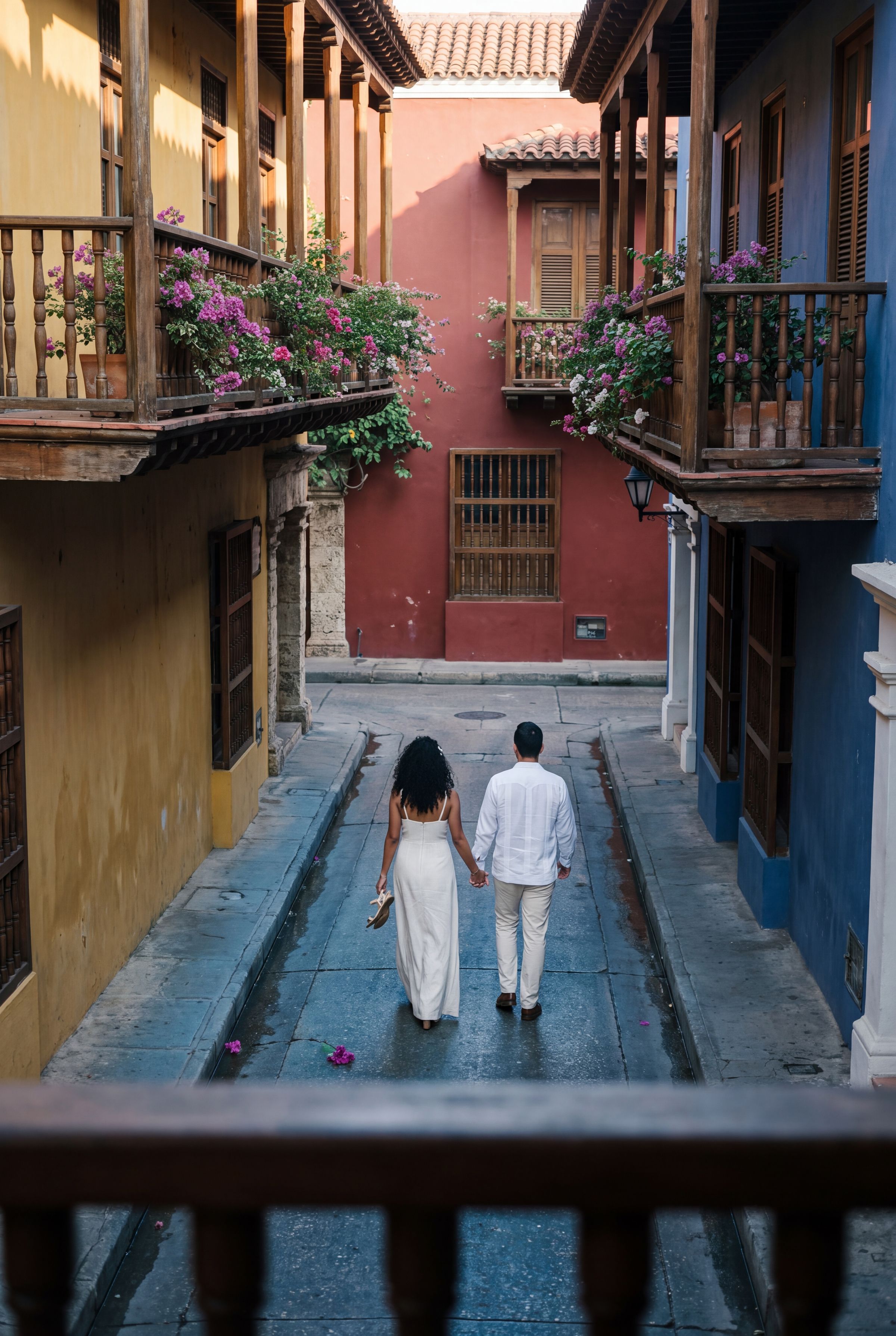
The walled city, and the only hour that works
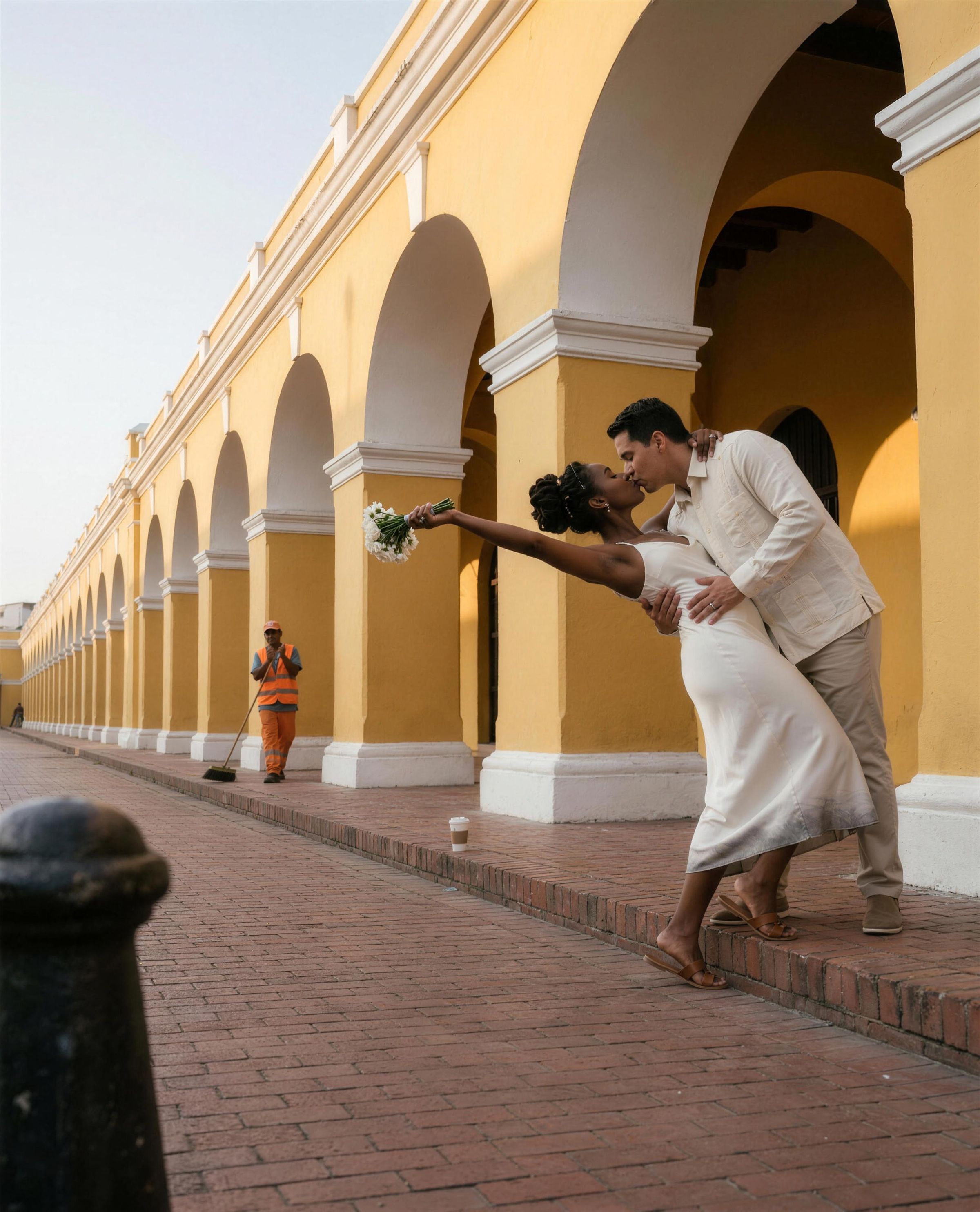
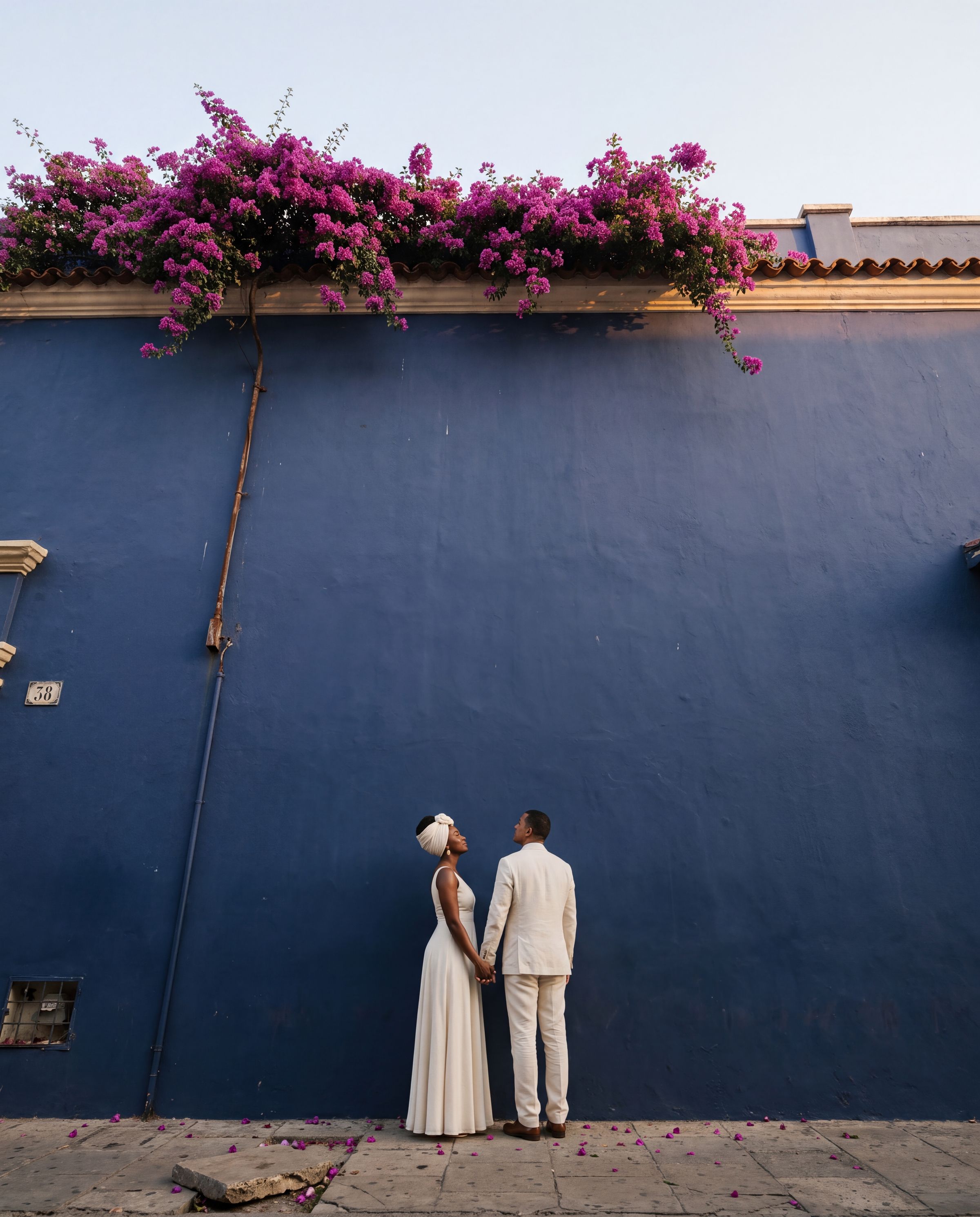
Cartagena's old town is five hundred years of ochre and oxblood plaster, bougainvillea over balconies, and cloistered convents turned into hotels. It is also, from about nine in the morning, extremely full of people.
So the circuit starts at five forty. That is not me being dramatic about golden hour. At five forty the streets are genuinely empty, the stone is still cool, and the light comes in low along the walls at an angle you cannot get at any other time of day. By eight the same street has three hundred people in it.
Every couple who has let me set that alarm has told me afterwards it was the best hour of the trip. Every couple who negotiated me up to seven got a worse gallery, and I said so at the time.
Getsemaní, which is the better half
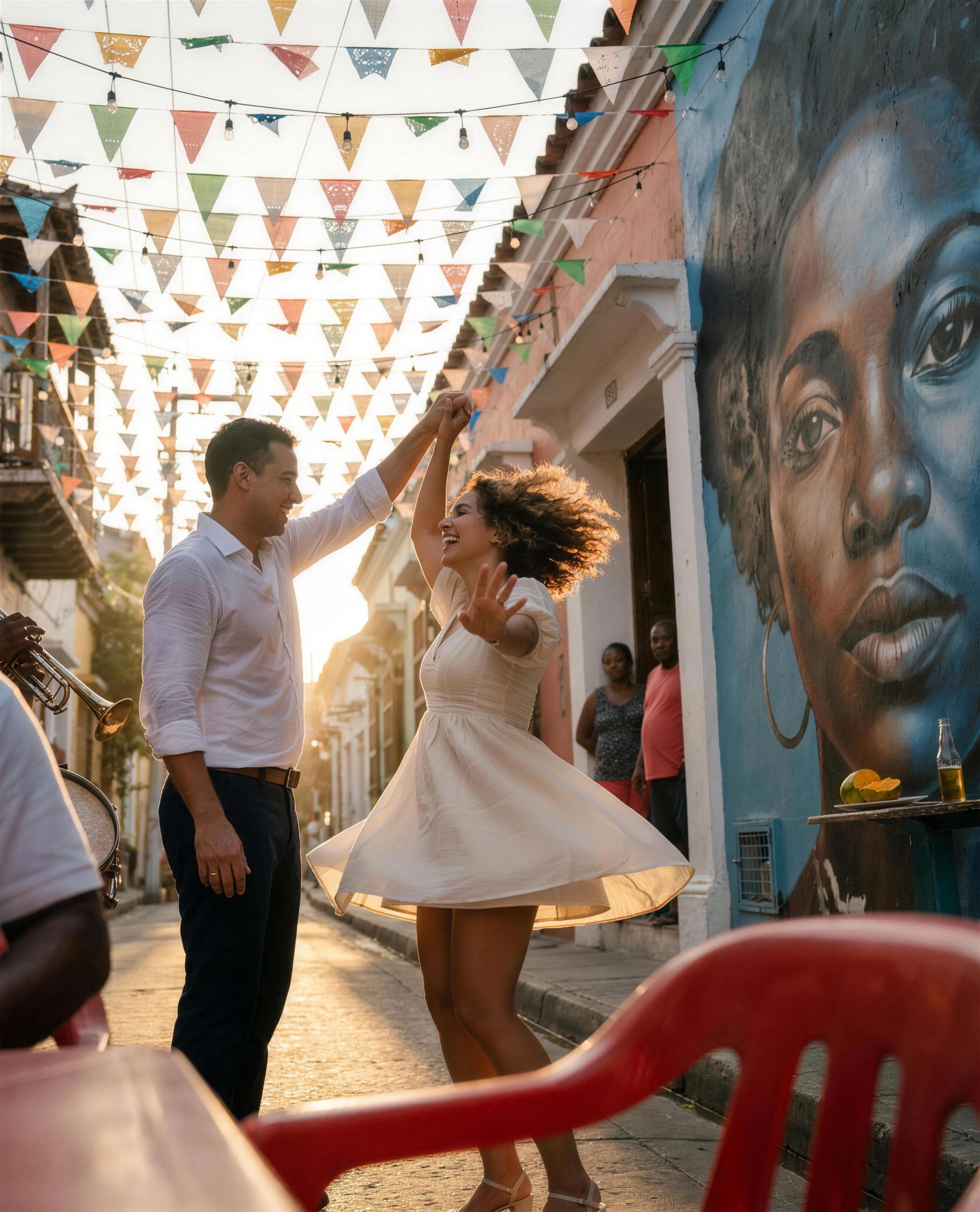
Just outside the walls, Getsemaní is the neighbourhood that used to be where nobody went and is now where everybody with taste goes. Painted houses, bunting strung across whole streets, murals that change every few months, and a plaza where the whole barrio sits out at night.
It photographs harder and looser than the old town. If the walled city is the postcard, this is the place that looks like a life, and a good day uses both.
The boat, which is the transfer and the venue
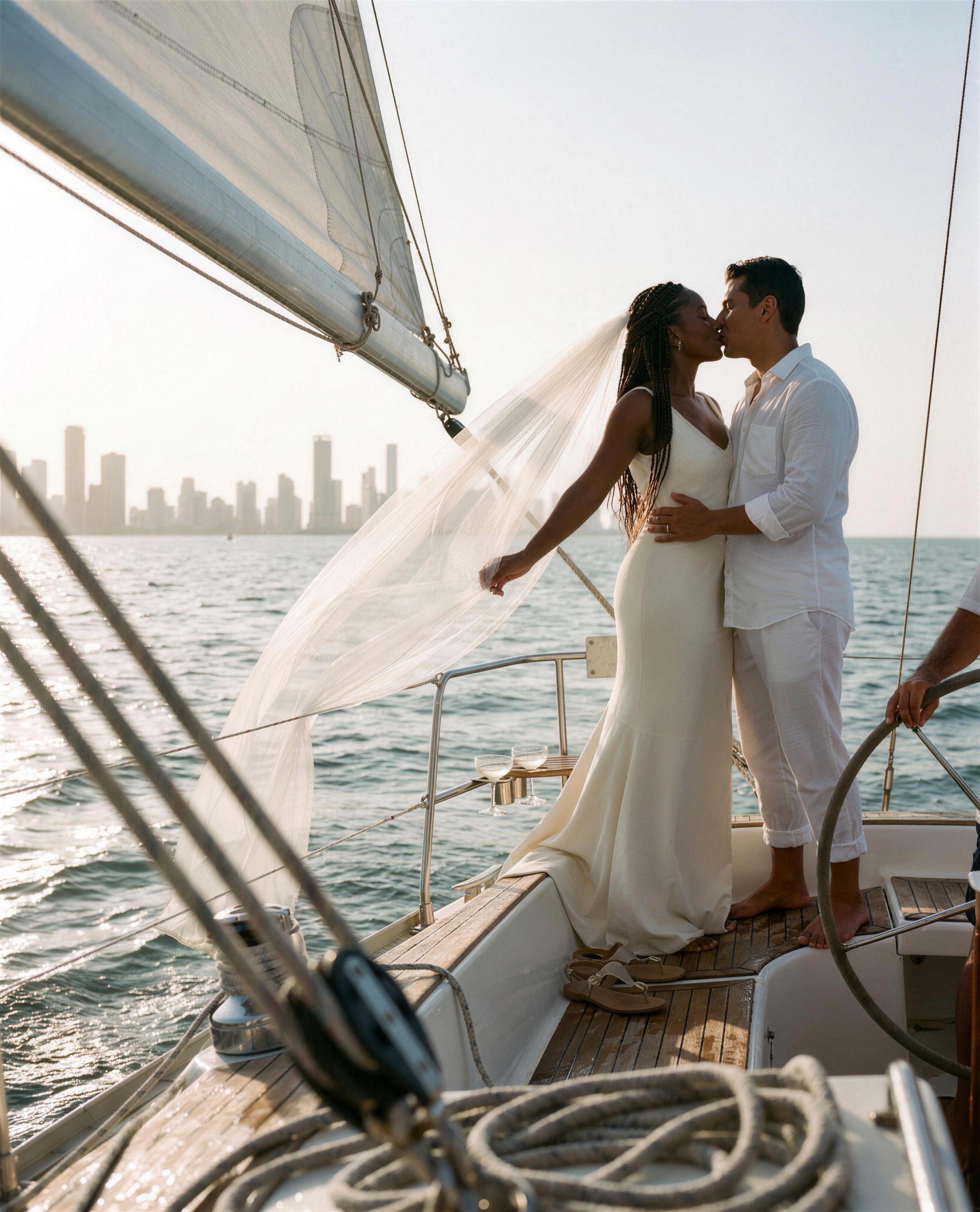
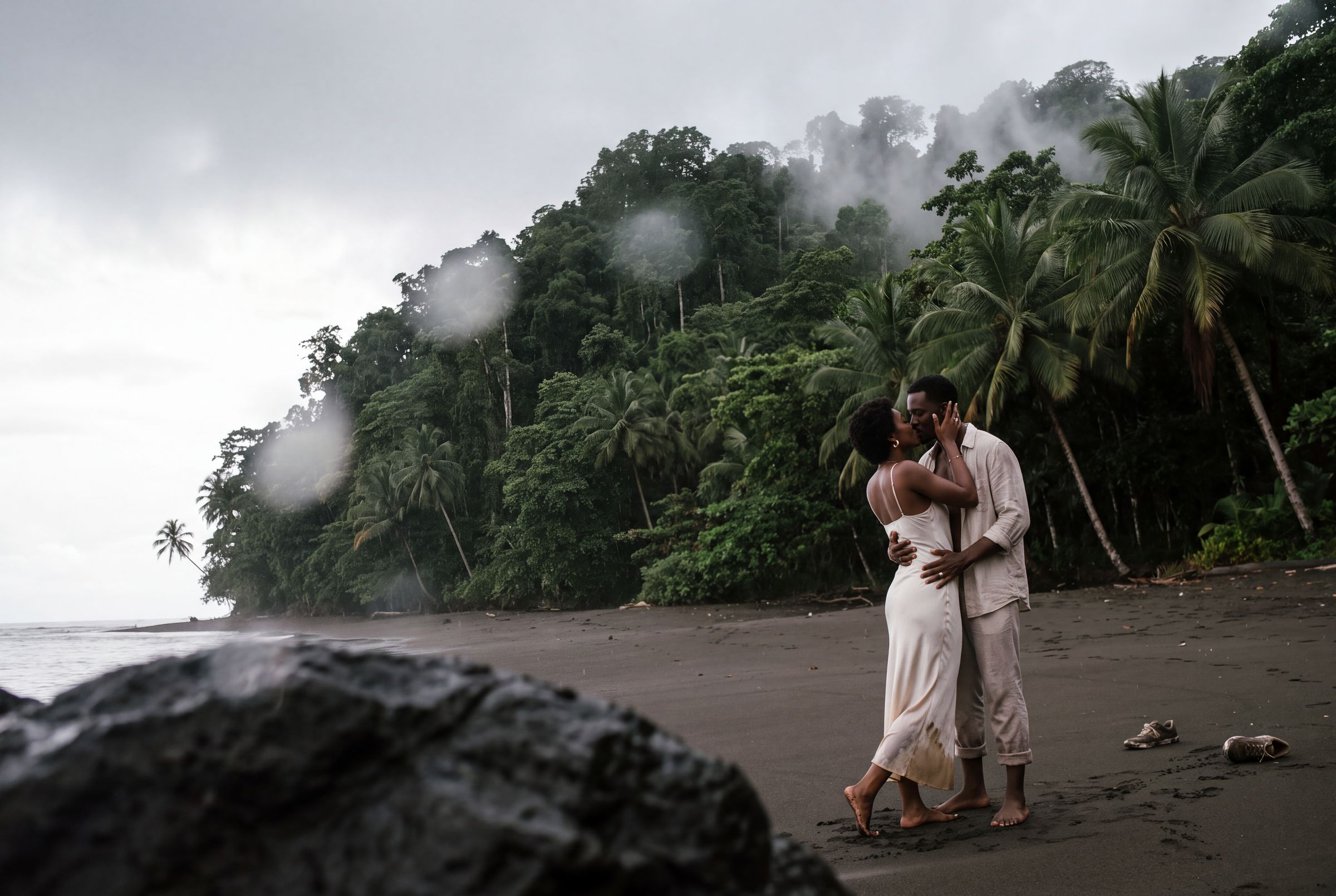
Forty five minutes off the coast are Rosario and Barú: coral islands, white sand, water the colour people do not believe until they see it, and small hotels of six to ten rooms that can be taken over entirely for two people and a handful of guests.
The boat is the thing that makes this circuit a circuit. You leave a colonial city by water and arrive somewhere with no roads. The crossing is not a transfer between two halves of the day, it is the middle of the day, and I photograph it as such.
Sea state decides everything here. December to April the water is calm and the crossing is nothing. Outside that it can be genuinely rough, and a rough crossing in a dress is not a photograph anybody enjoys.
Why this circuit costs more, exactly
The Essential is US$8,200 here against US$7,800 on the Mountains, and the Signature is US$14,500 against US$13,500. That gap is not my margin. It goes to three things.
Cartagena receives cruise ships. Vendor rates, restaurants and hotel nights inside the walls are priced for a market that arrives by the thousand and leaves the same evening. A florist inside the walls costs what a florist inside the walls costs.
The circuit runs on boats. The islands are the point, and getting you to them privately costs what private boats cost. That is a real line item and it is not optional on this route.
Island stays are a captive market. A hotel with ten rooms and no road prices like a hotel with ten rooms and no road.
You are not buying a better day than the Mountains circuit. You are buying a different one, in a more expensive place. If the budget is the binding constraint, take the Mountains and do not feel you have compromised.
The three tiers
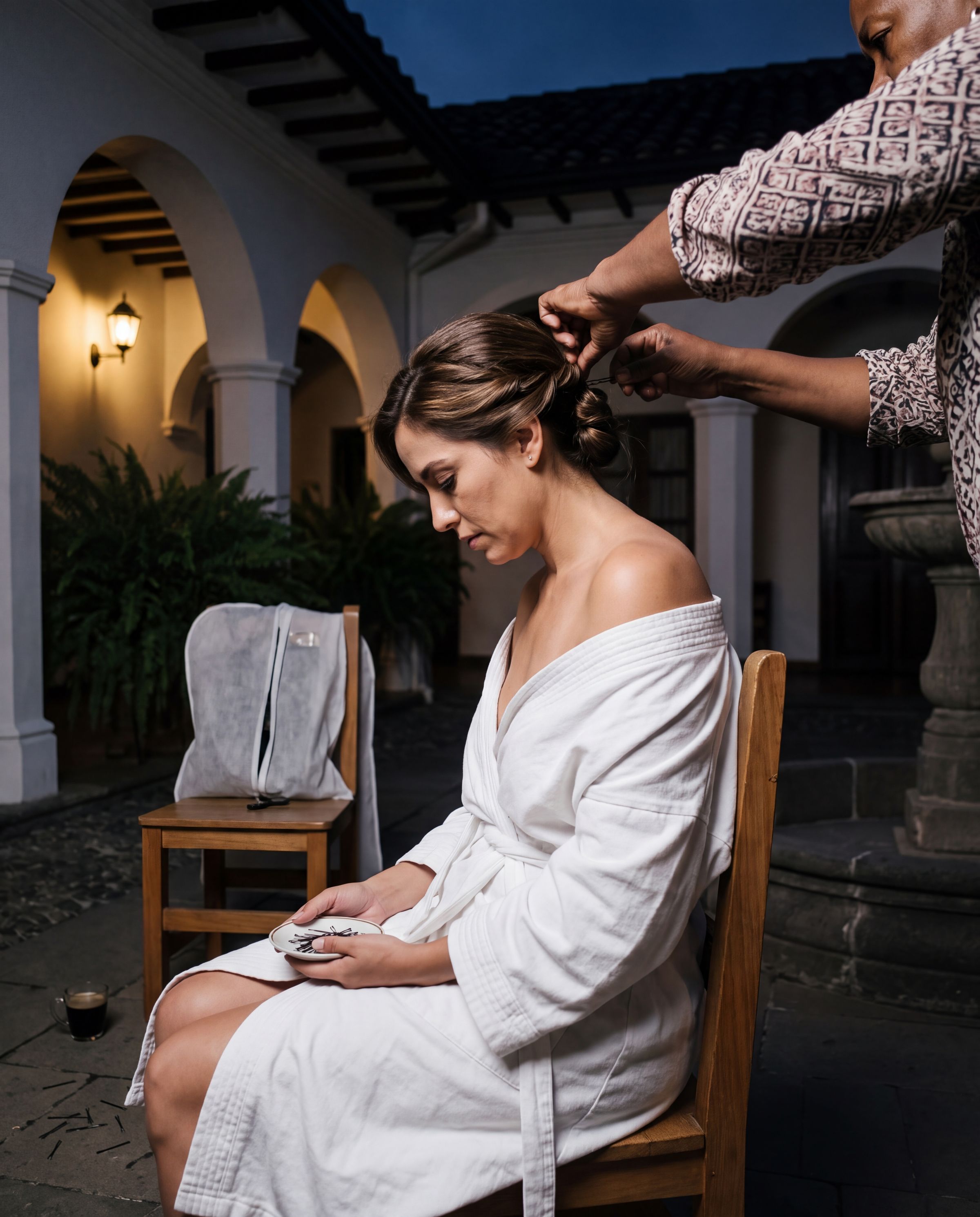
The Essential, from US$8,200. One elopement day. Designed, booked and run end to end: officiant, the legal route, florals, hair and makeup, private transport, a signature experience, dinner, photography and video throughout, an edited gallery and a fast sneak peek.
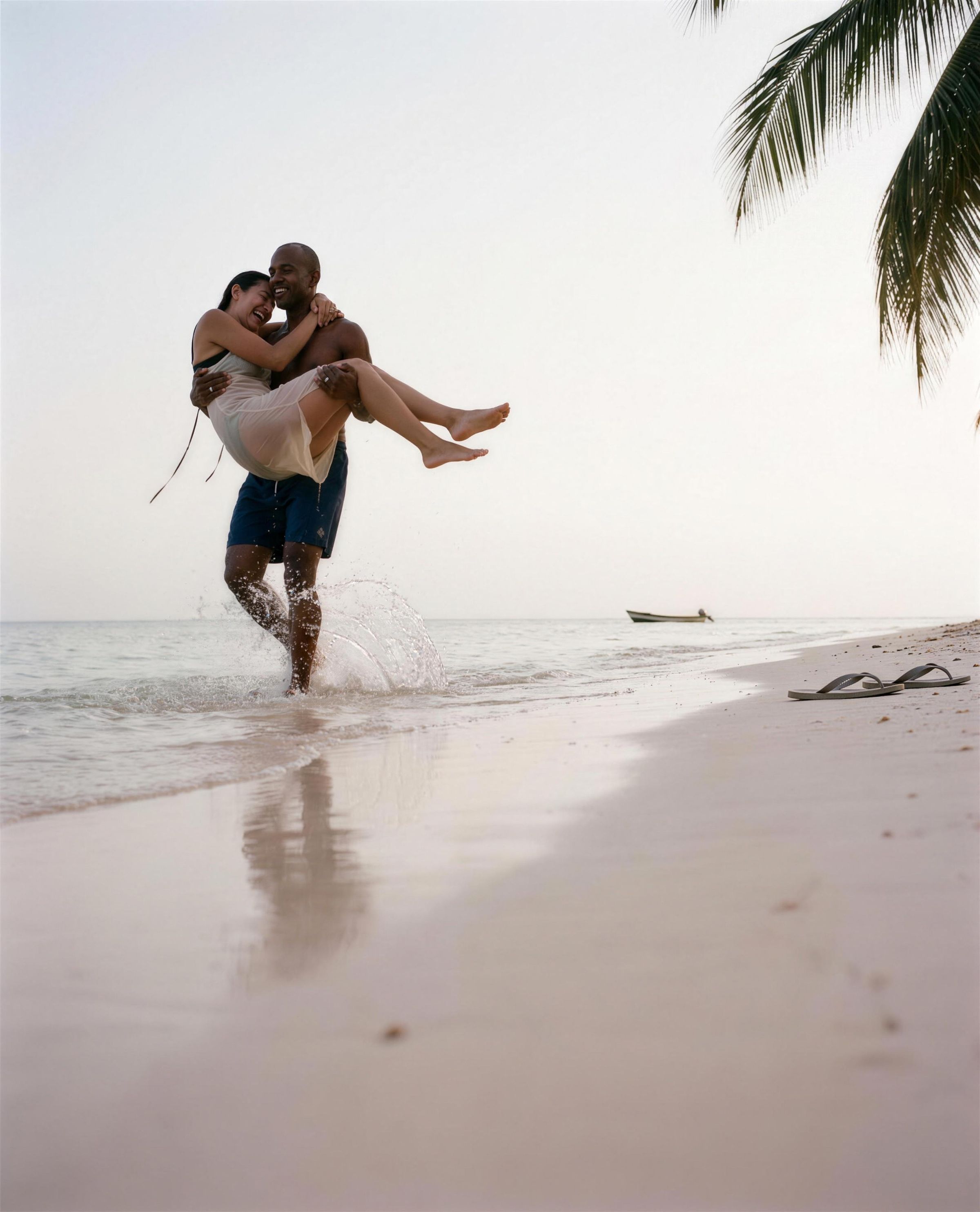
The Curated Signature, from US$14,500. Two elopement days, which on this circuit means the walled city on one and the islands on the other. All in country transport, boats, richer styling, the Studio Editorial, a cinematic film, around 350 images and the Signature album.
The Curated Adventuremoon, from US$19,000. Four days across more than one circuit, the internal flight sitting on a buffer day and never before a ceremony.
Marry in the old city one day and be on your own island the next. That is the shape this route wants, and one day is not really enough for it.
What a two day version actually looks like
Day one is stone. Awake at five, in the walled city by five forty while the streets belong to nobody. Ceremony somewhere inside the walls or in a convent courtyard. Getsemaní in the late afternoon when the bunting starts throwing shadows and the plaza fills up. Dinner at a table that will keep you until midnight.
Day two is water. Out of the harbour mid morning, forty five minutes across, and the rest of the day on an island with no road. Swim, eat, sleep, and be photographed almost incidentally, which is when the frames get good.
The couples who do this in one day always tell me afterwards they wish they had taken the second. You can technically fit the walled city and the islands into a single elopement day. What you cannot fit is any of the slowness that makes either of them worth going to.
The legal part
A legally binding civil marriage in Colombia means a notaría, apostilled and translated documents, and weeks of lead time. Doable, and I have arranged it.
Most couples file at home and treat the day here as the real one. It removes the paperwork from the middle of your planning and it does not make the ceremony less true. Say early if the legal ceremony has to happen in Colombia, because it changes the timeline rather than the price.
On the islands there is an additional wrinkle worth knowing: some of Rosario sits inside a national natural park, and a ceremony there is an access arrangement rather than an assumption. I sort that out before we commit to a spot.
The heat, which decides the schedule
Cartagena is hot in a way that is worth planning around rather than enduring. Thirty degrees with high humidity, most of the year, and the old town's stone holds it.
That is the real reason the day starts at five forty and then stops. Between about eleven and four there is no photograph worth having and no comfort in trying, so the middle of a Caribbean circuit day is lunch, a room with a fan, and a genuine rest. Couples arrive expecting to be embarrassed about that and leave describing it as the best decision of the trip.
Linen for both of you. A wool suit here is a mistake you make once. Hair that is planned for humidity rather than fought against, because it will not hold otherwise. And water, constantly, more than you think.
When to come
December through April is the season, without much argument. Dry, breezy, and the sea is calm enough that the crossing is a pleasure rather than an event.
May, and September through November are the wetter months. Cartagena rain tends to arrive hard and leave fast, so it is workable, but the sea gets less reliable and that is the part that actually affects the day.
July and August are hot and humid in a way that is worth being honest about. Wool suits are a mistake. Linen, and a plan that keeps the middle of the day indoors.
The price does not move across the year, but availability does: December and January book out furthest ahead.
What is not included
Your flights and your accommodation. Cartagena is under three hours direct from Miami. I will tell you the arrival day and the exact place to stay, inside the walls or out, and you book it yourselves. Booking travel on your behalf needs an agency licence I do not hold.
Additional guests beyond what the tier covers, and meals outside the planned dining. My own travel is inside every number.
Which circuit is yours
Take the Caribbean if you want heat, colour, colonial stone and open water, and you are comfortable paying a few hundred more per tier for a city that has been discovered.
Take the Mountains if you want green, cool evenings and the best value in the country. Take the Andes and the páramo if you want somewhere genuinely strange.
And if you can, take two. Mountains and Caribbean inside one trip is the thing Colombia does that nowhere else on my list can, and it is the reason the Adventuremoon exists.
The full ladder for every circuit is here. The circuits are laid out properly in the Colombia guide. Or tell me which one you keep coming back to and I will tell you honestly whether it is the right one for the two of you.
Enquiries to the publisher, armanarai.com.