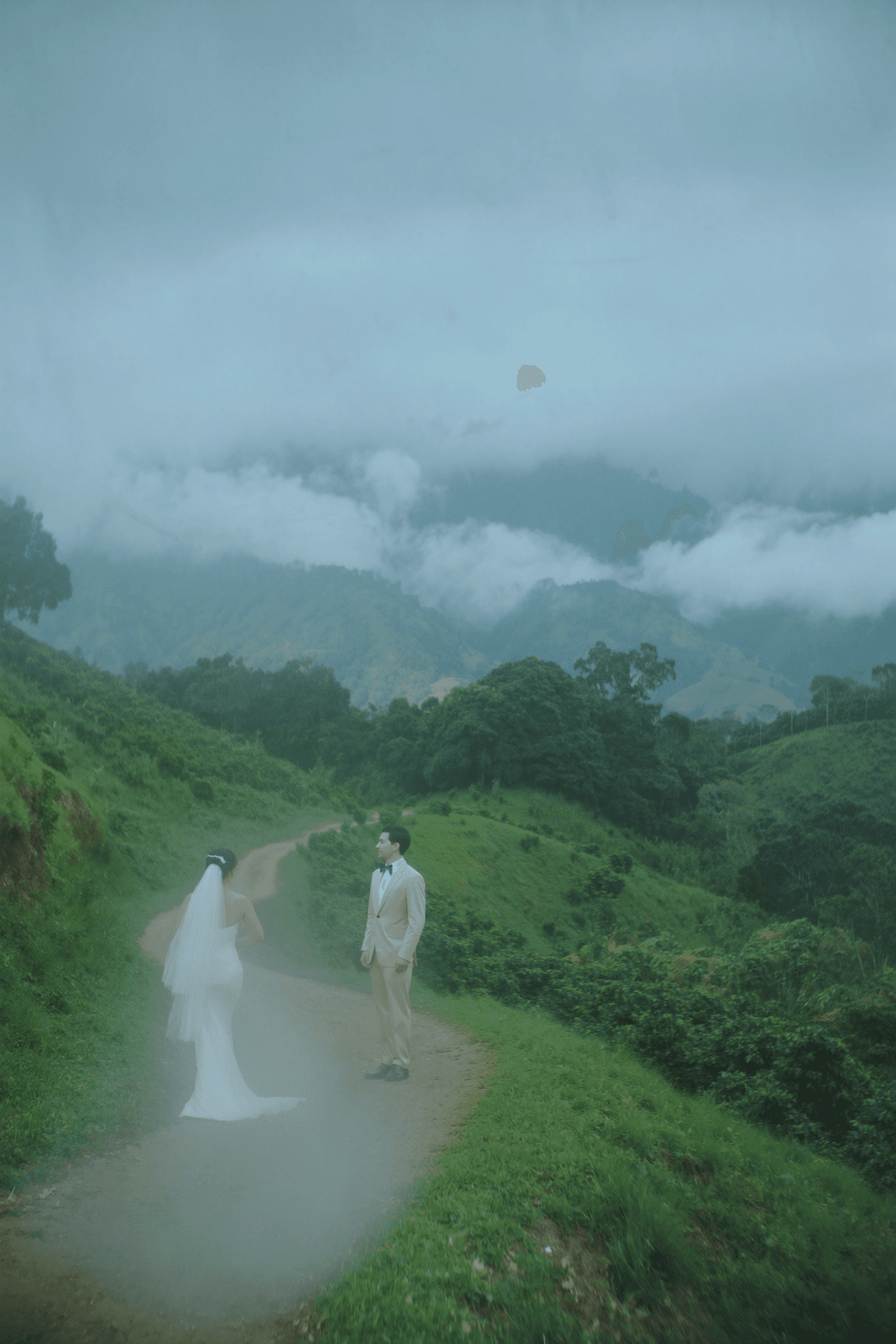
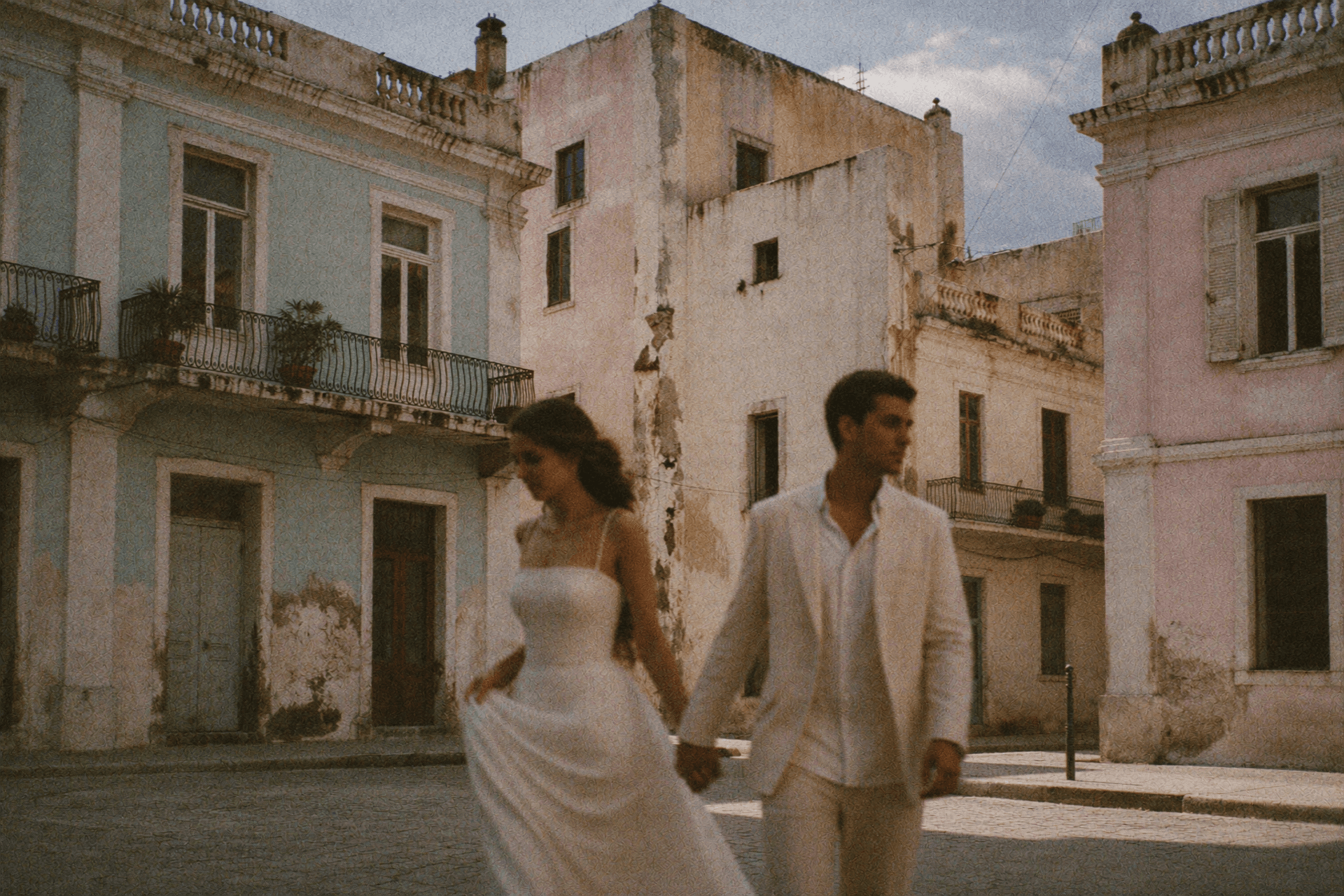
Wedding photographers do not typically share this list publicly, because it involves being direct about things that most clients do without any awareness that they are problematic. The items on this list are not criticisms. They are patterns that consistently make a photographer’s job harder and produce a worse gallery than the couple would otherwise receive. Understanding them in advance is useful for everyone.
Being Late
The single most destructive thing a couple can do to their wedding photography is start the morning late and not acknowledge that the delay will have consequences. The timeline for a wedding day is a chain: the getting-ready sequence connects to the ceremony start, which connects to the portrait window, which connects to the reception. When one link is late, every subsequent link compresses. The family formal sequence that was allocated forty minutes becomes twenty. The golden hour portrait session that was supposed to start at 6pm starts at 7pm when the light is gone. The photographer adapts. The photographs from that adaptation are not as strong as the photographs that the original timeline would have produced.
The specific version of this that is most damaging: the couple who knows they are running thirty minutes late and does not tell the photographer until the photographer is already at the venue waiting. A thirty-minute heads-up allows the photographer to restructure the plan. No heads-up means the photographer is standing at the location with a plan that no longer fits the timeline, discovering the problem at the moment when there is least time to solve it.

The Guest With the Camera
The relative or friend who has a good camera and stands in the aisle during the ceremony is one of the most discussed frustrations in the wedding photography industry. The problem is not that they have a camera. The problem is that they stand in the positions where the professional photographer needs to be, and when they raise their camera at the critical moment, they either appear in the professional’s frame or block the professional’s line of sight to the couple. The professional cannot move to a better position because the guest is already there. The professional cannot ask the guest to move mid-ceremony without creating a disruption.
The solution is a conversation before the ceremony. Ask the specific person to stay in their seat during the ceremony and explain that the professional will share all the photographs with you to pass along. This is not an insult to the guest’s photography skill. It is a logistical request that directly determines the quality of the ceremony coverage. Most guests comply without complaint when asked directly in advance. None of them would have known there was a problem if not asked, because they are trying to be helpful rather than trying to cause difficulty.

Directing Poses Mid-Session
The couple who hired a photographer for their documentary, natural style and then spends the portrait session directing poses is, unintentionally, hiring two different photographers on the same day. The photographer you hired for natural work will produce natural work if given space to see the moment. The photographer who is receiving pose instructions is being converted into a different type of photographer for the duration of those instructions, and the results will not match the portfolio that led to the booking.
This is not about the couple being wrong to want specific photographs. It is about the mismatch between what the request produces and what the expectation is. If you want specific posed portraits, discuss this with the photographer before the day and build time for it explicitly in the timeline. Within that time, the photographer can move between documentary observation and directed posing. What does not work is interrupting the documentary session to direct a pose and then expecting the rest of the session to immediately return to the natural quality that the interruption broke.

The Other Things on the List
In no particular order, the patterns that appear most often and that the couple almost never knows they are doing: skipping meals because they are nervous or because the schedule is tight, which leads to low energy that shows in photographs from the afternoon onward (the photographer also skips their meal when the couple does, because there is no break in the timeline for either of them). Sending inspiration images from photographers whose style is completely different from the one you hired, which creates the expectation of a result that your photographer’s approach cannot produce. Changing key elements of the plan (venue, timing, the presence of specific people) without notifying the photographer in advance. Asking for changes to the editing after delivery that are stylistically inconsistent with the portfolio that led to the booking. And, probably the most common of all: asking for “just a few more” photographs at the end of a twelve-hour day, as if the last six photographs in the evening are the ones the session was building toward.
None of these things come from bad intentions. They come from not knowing the specific logistical and creative implications of each decision. A photographer who explains these things clearly before the wedding reduces the likelihood that any of them will occur. This list is that explanation.
There is one more category that belongs here, which is the couple who is genuinely anxious about the photography and communicates that anxiety by adding more to the brief rather than less. The 50-item shot list, the Pinterest board with 200 inspirational photographs, the weekly email with new ideas in the three months before the wedding: all of these are anxiety responses to the fear that something will be missed or that the photographer will not understand what is wanted. The more effective response to that fear is a single direct conversation, ideally a call rather than an email thread, where you say directly: here is what I am most worried about not having, and here is what I most want the gallery to feel like. A photographer who hears this clearly can respond to it. A photographer who receives 50 email attachments and a shared Pinterest board has more information than they can use and less clarity about what actually matters.

Destination Wedding Photographer
Vancouver · Medellín · Worldwide