Curation Beyond Borders
Your location is
not the backdrop.
It is the story.
The difference
What makes a destination elopement extraordinary
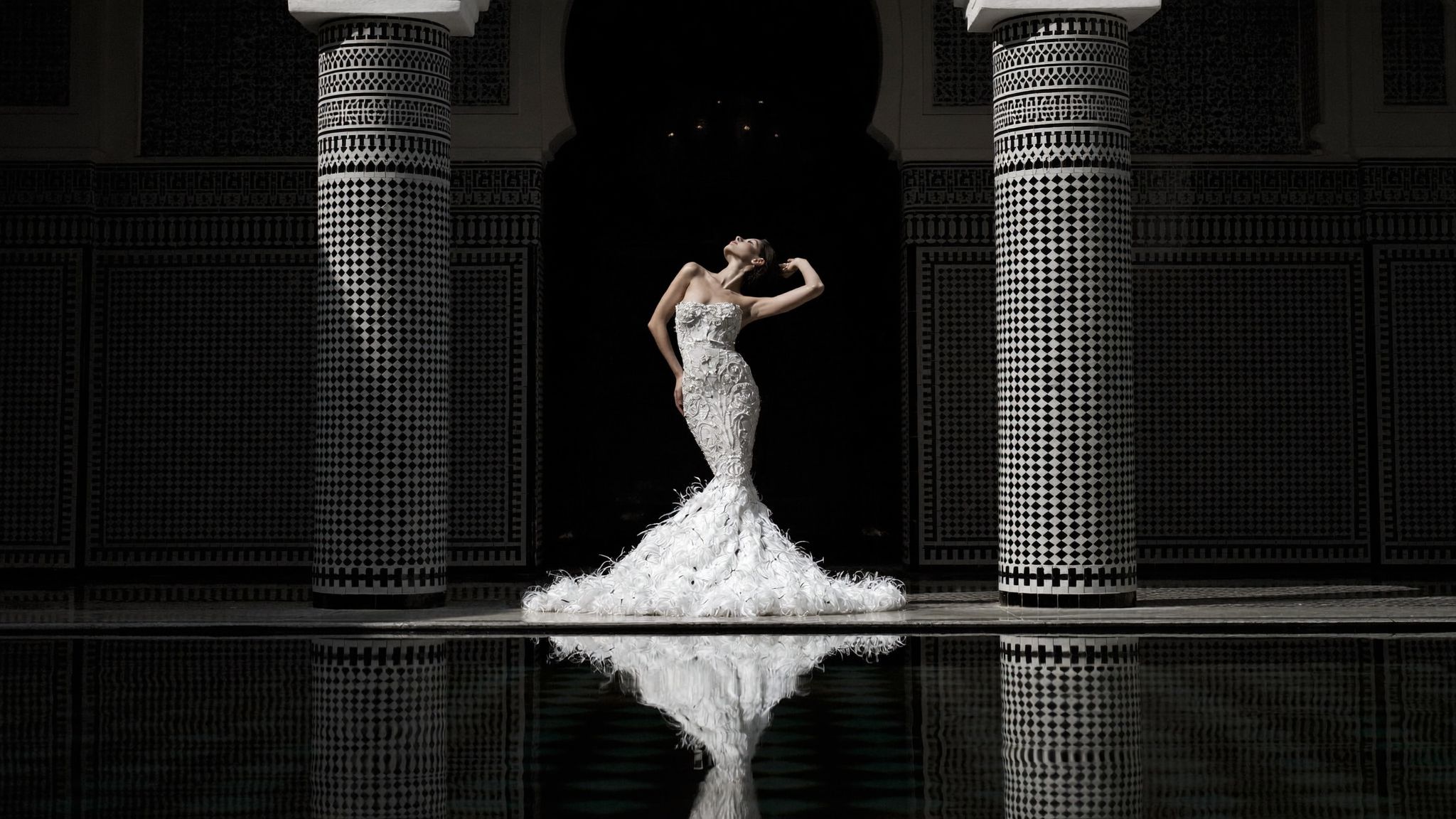
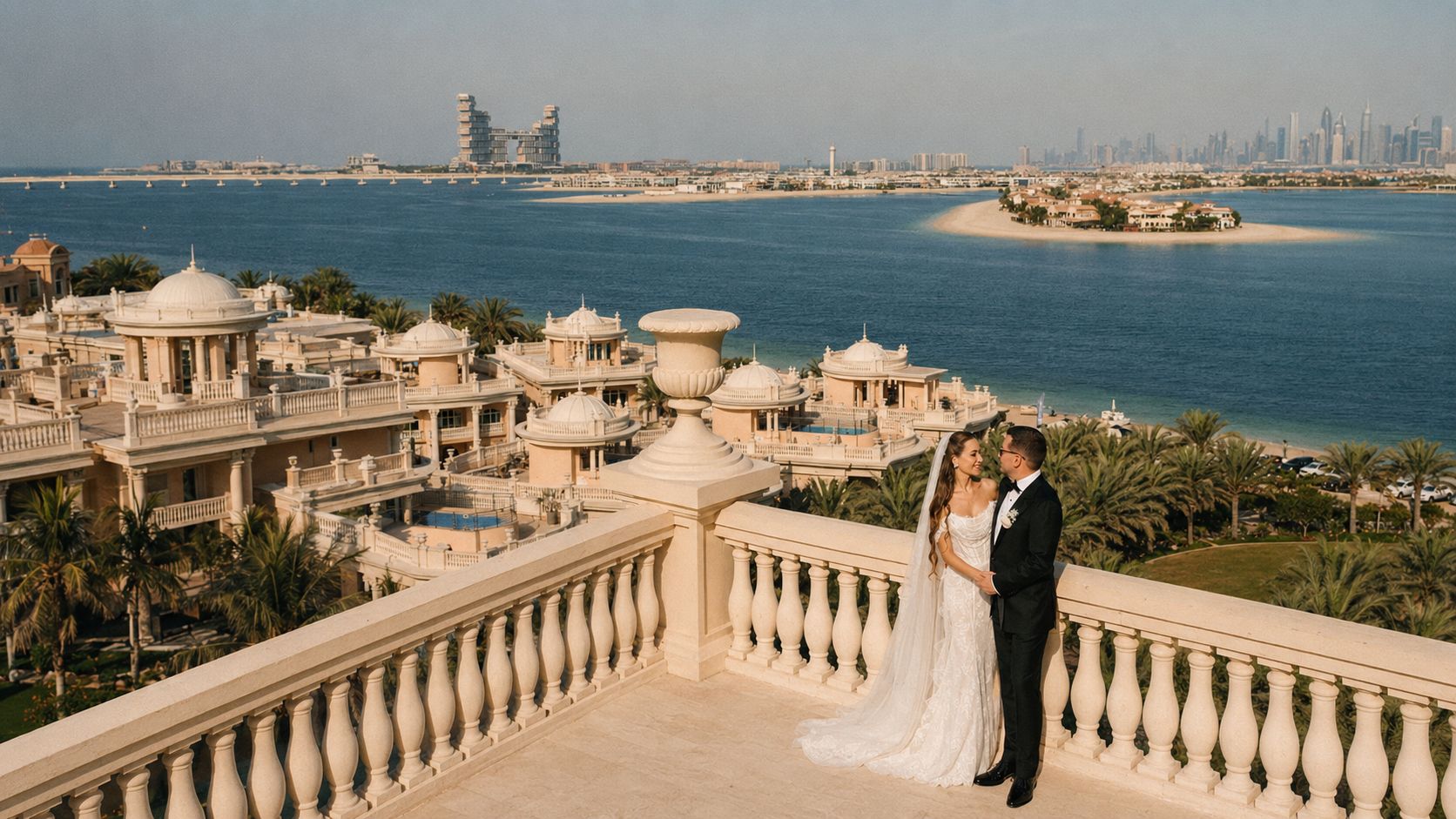
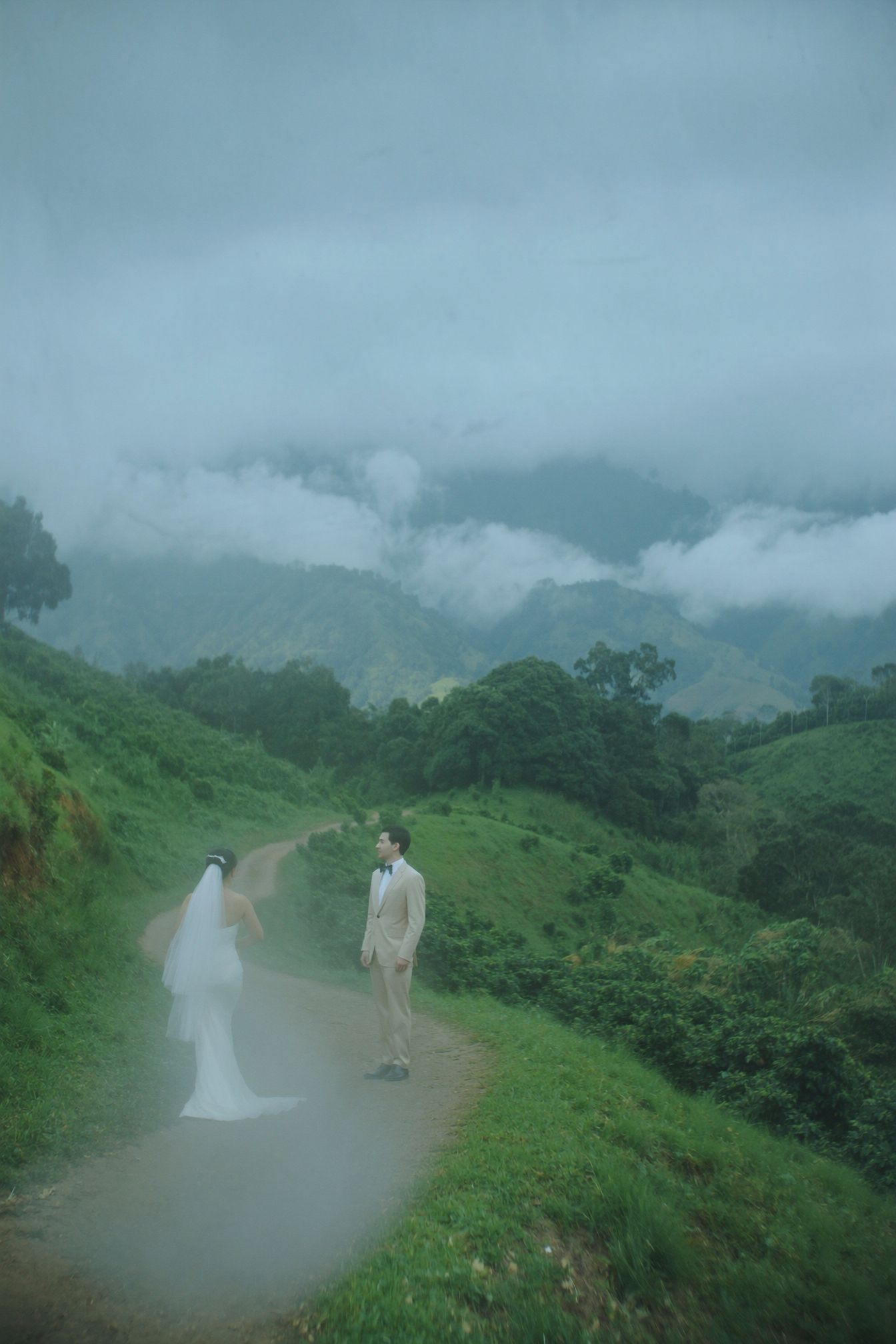
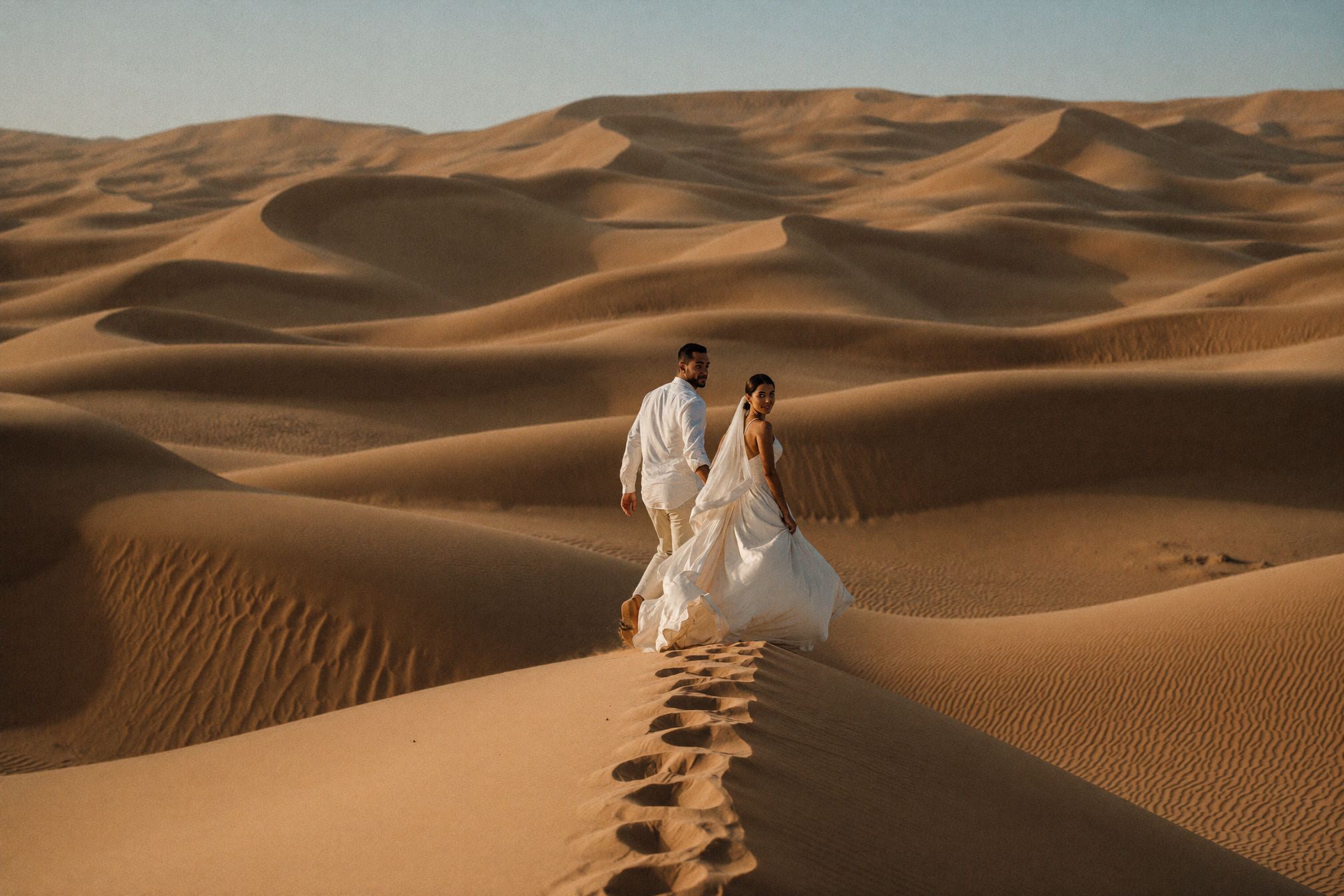
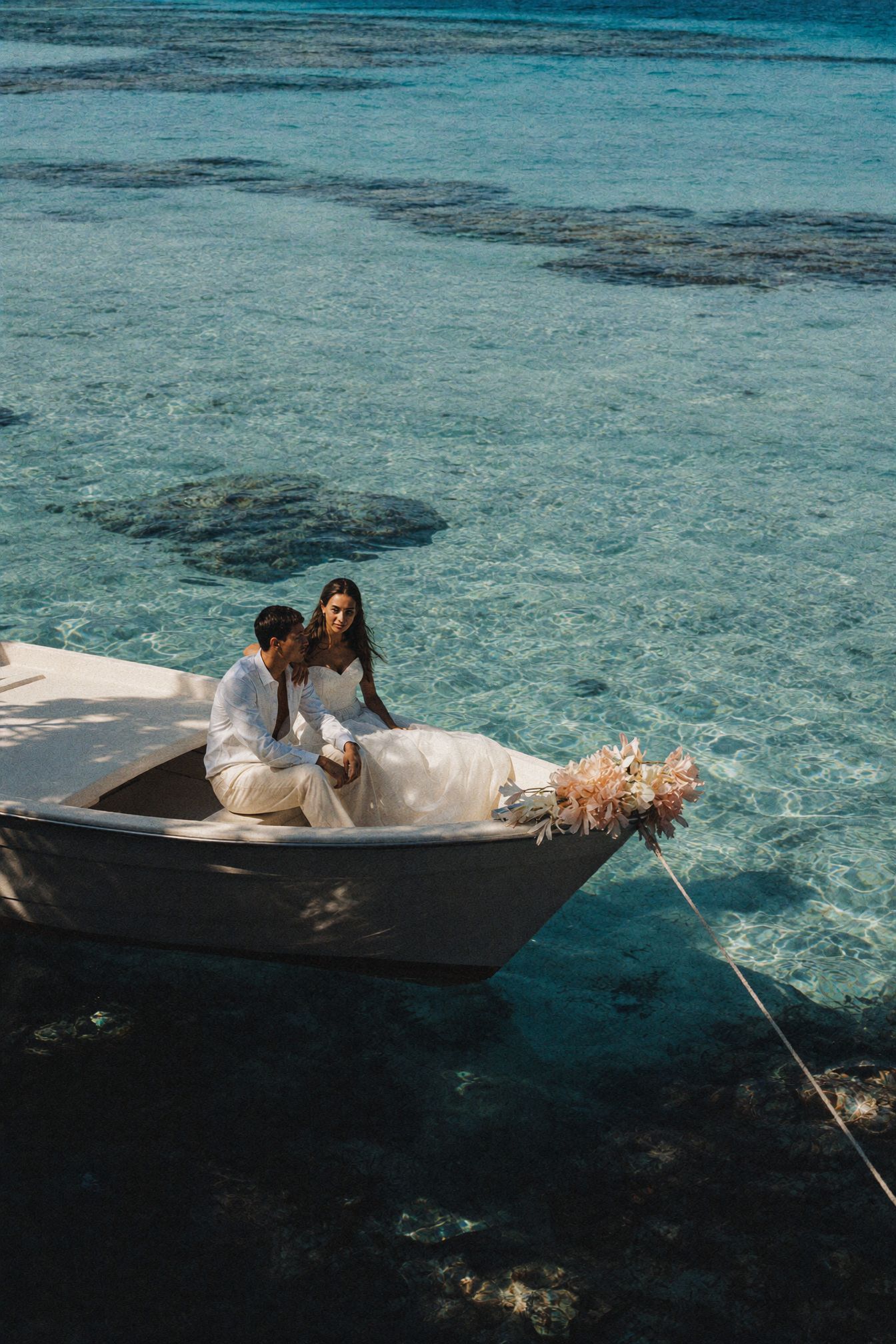
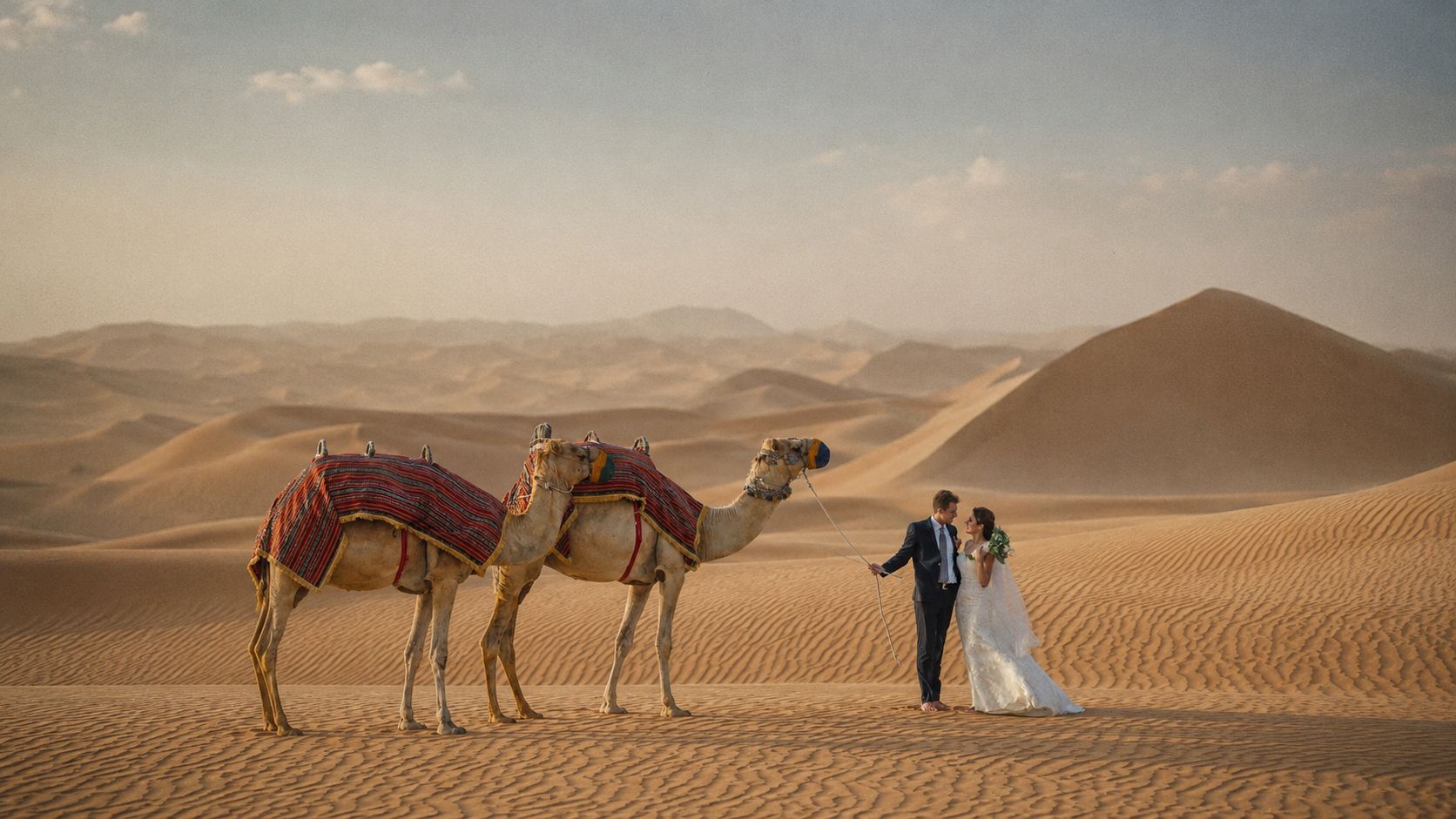
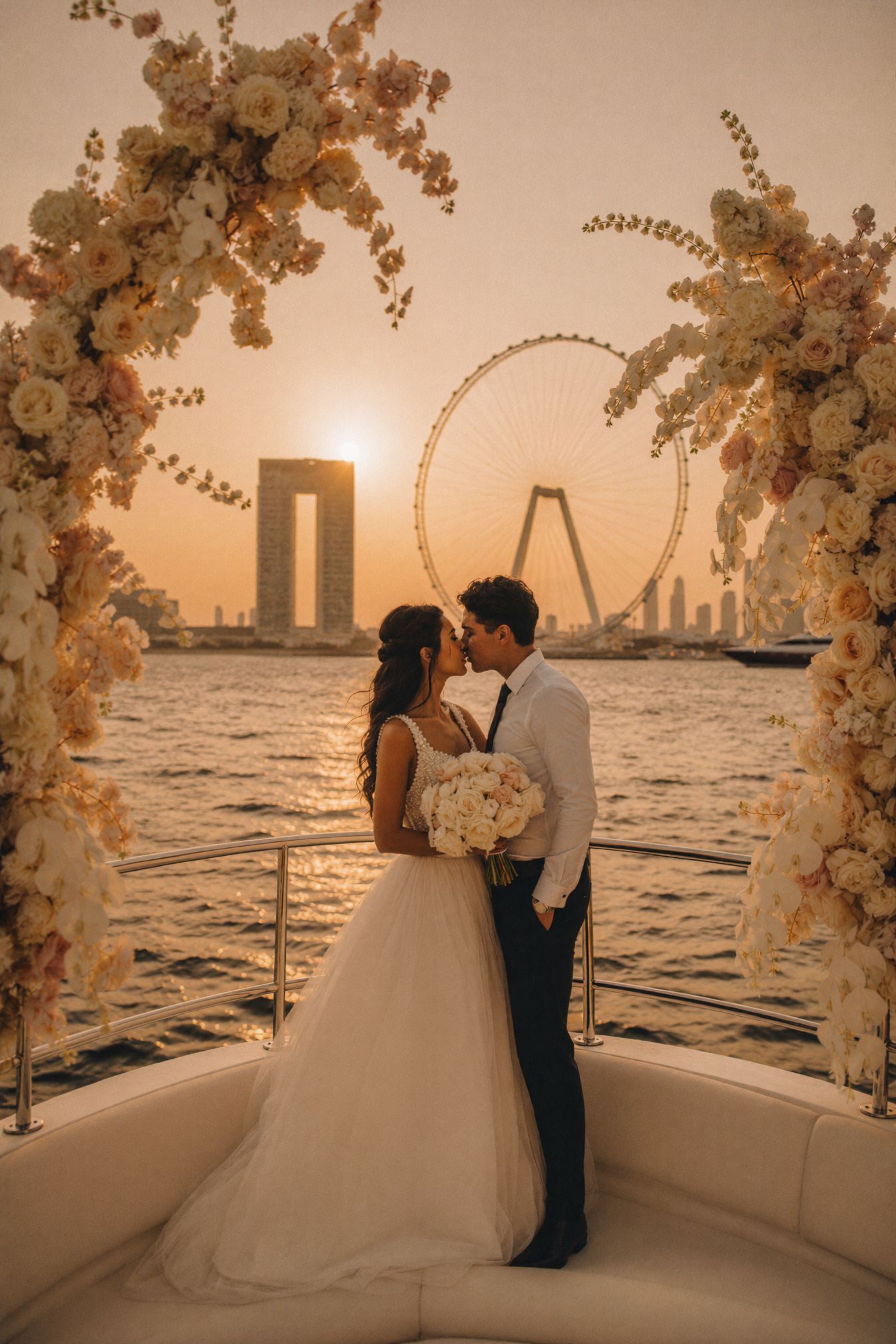
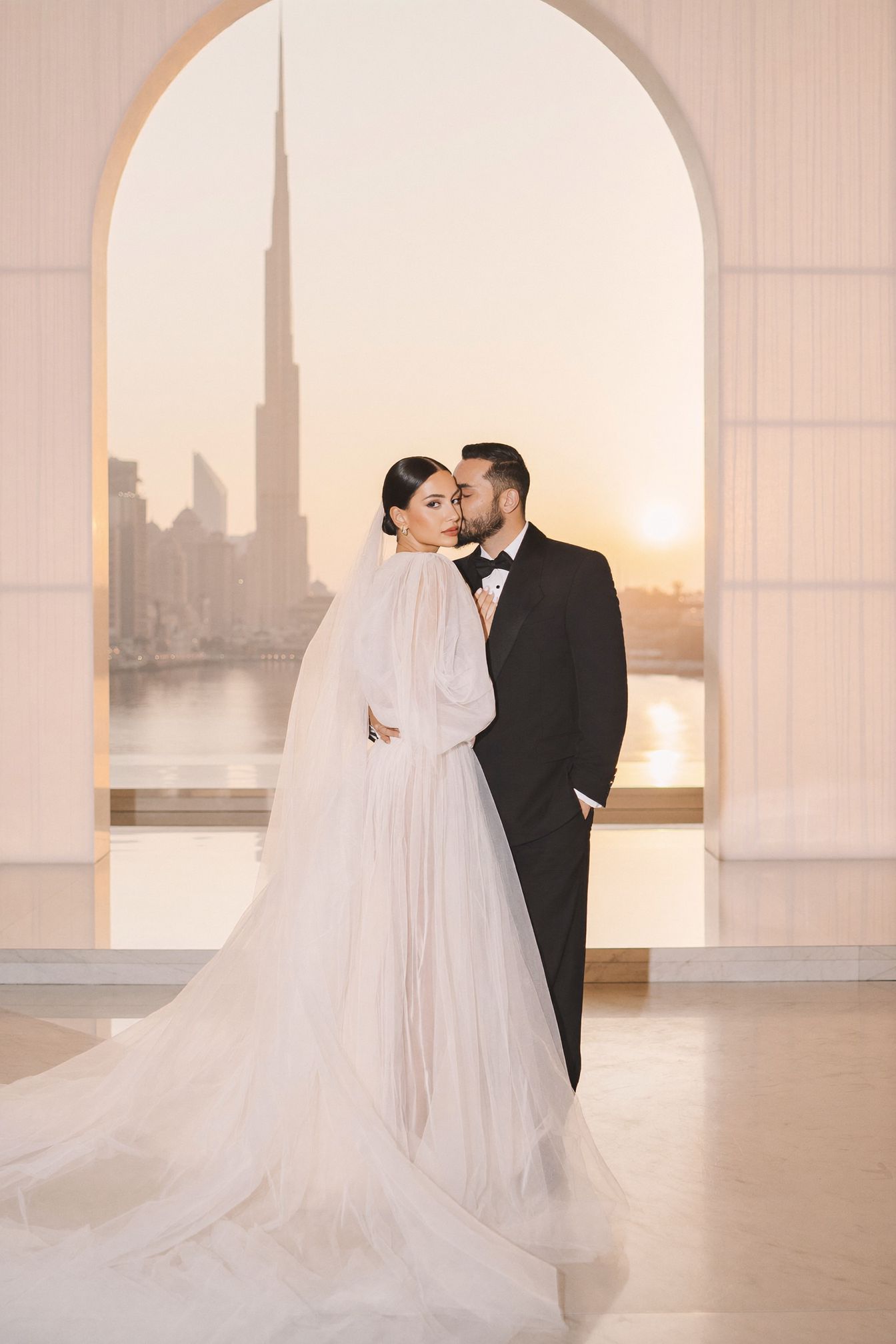
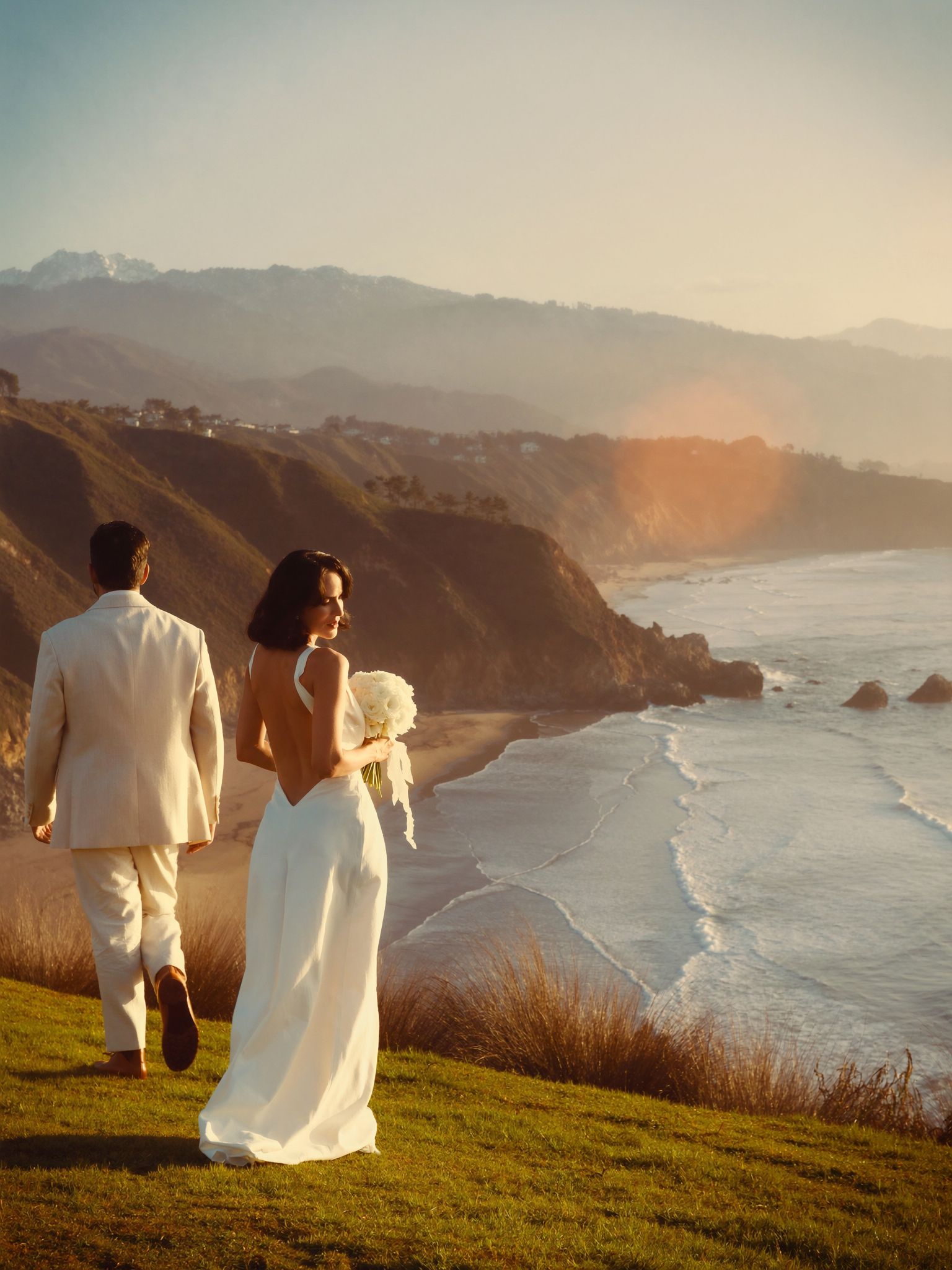
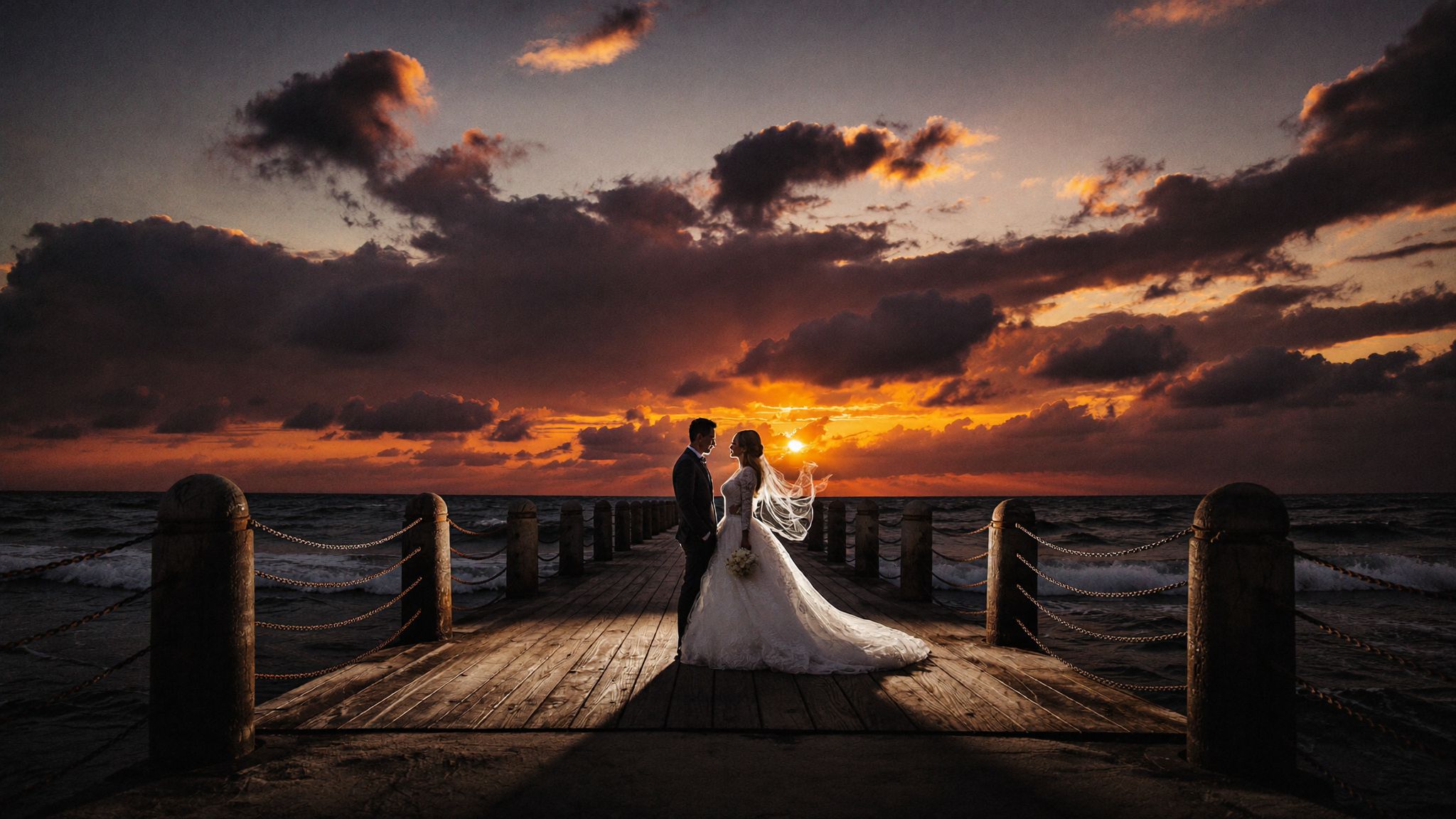
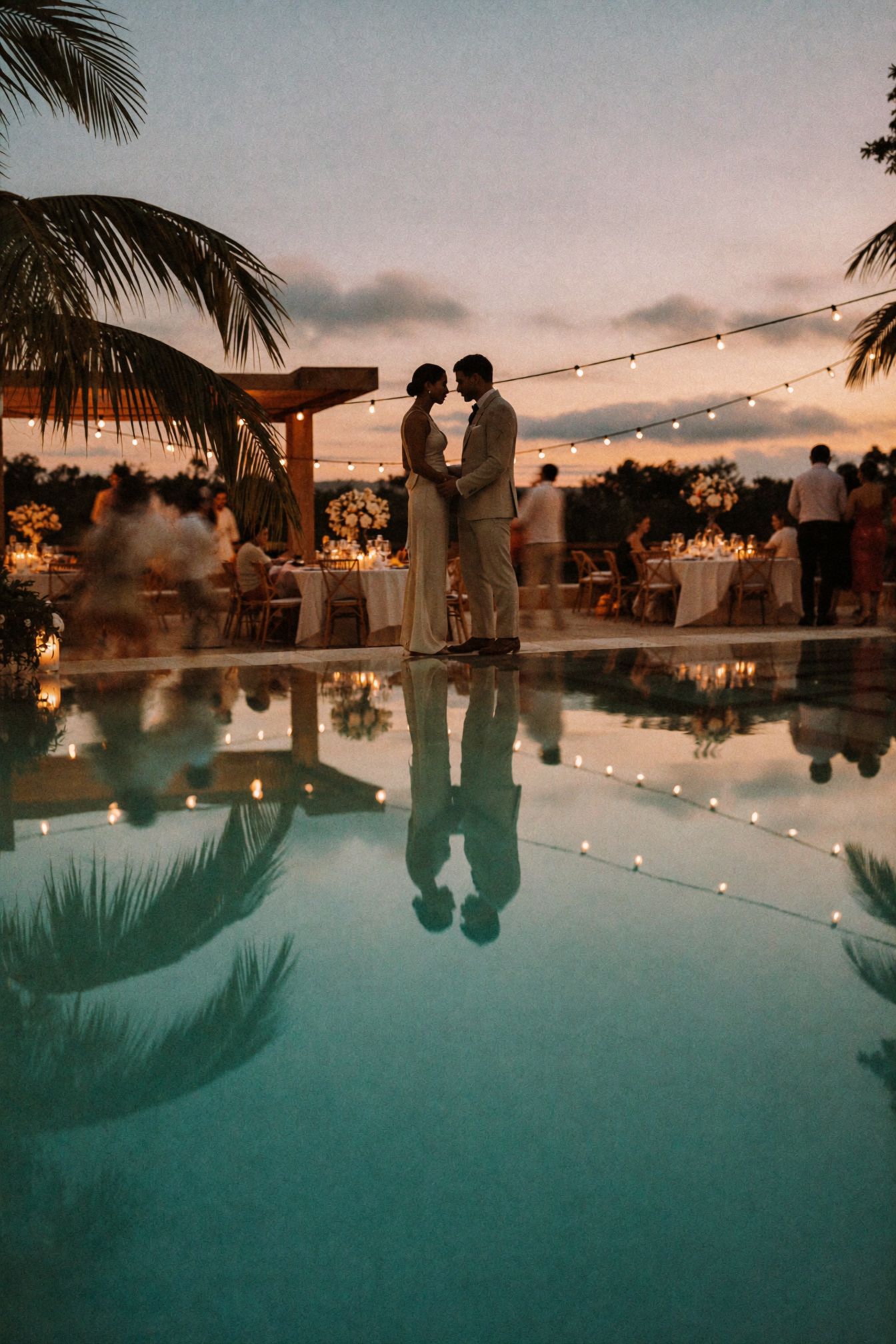
A destination elopement is a ceremony shaped by the place it happens in: the particular warmth of that latitude, the texture of stone that has stood for centuries, the colour of light at 6pm in a city you love but do not live in.
When you choose to marry somewhere that matters, you are saying something about who you are. You are choosing meaning over convenience, beauty over familiarity, and experience over tradition. That choice deserves someone who treats your location with the same intention you did when you chose it, and who carries the whole day rather than just the camera.
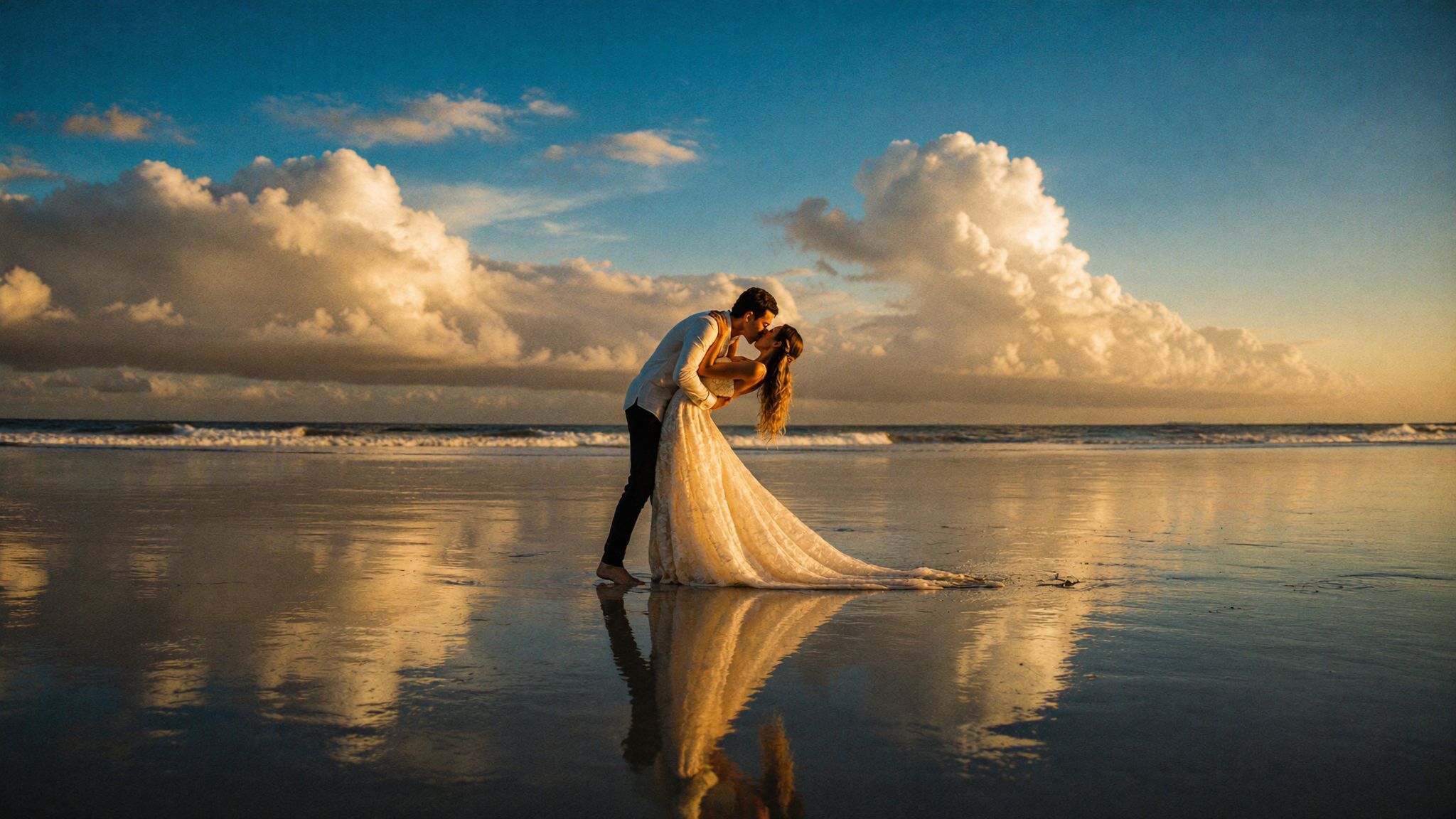
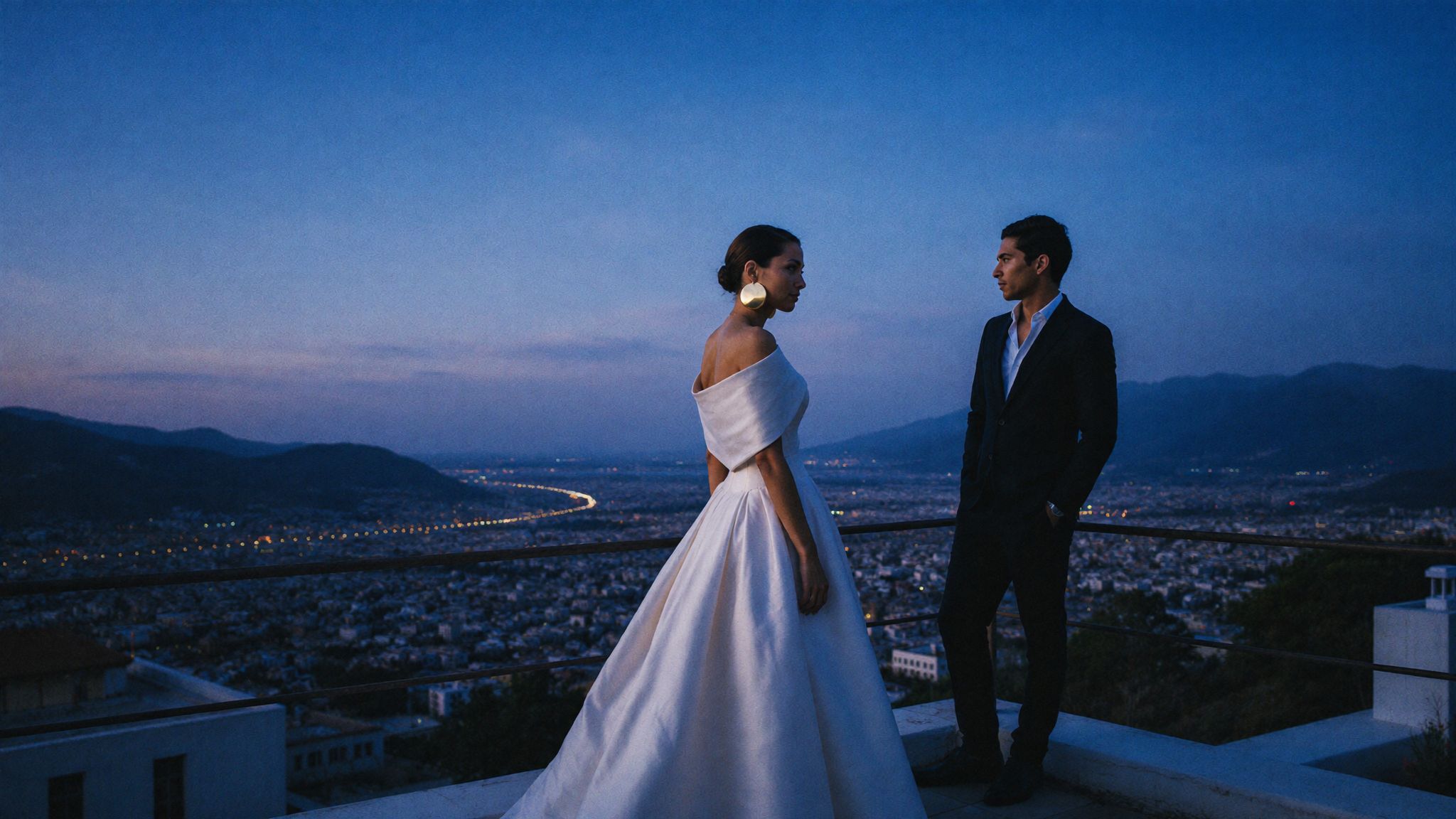
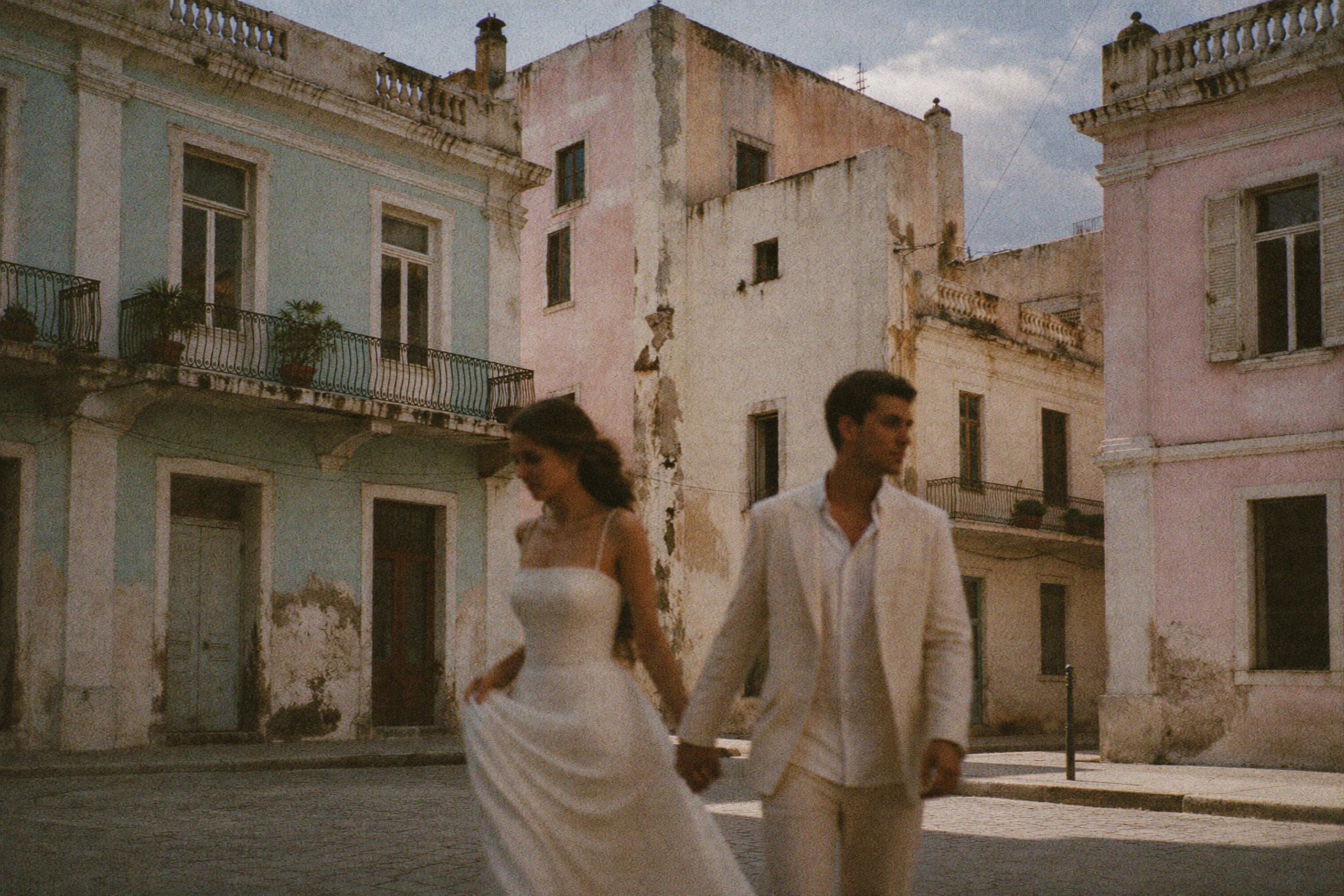
I arrive early. I scout on foot. I find the hallway that turns golden at late afternoon, the courtyard no one else is using, the rooftop where the city spreads out behind you like a painting. I book every vendor, file every permit, and build a light and movement plan for your day before your day begins, then photograph and film all of it myself.
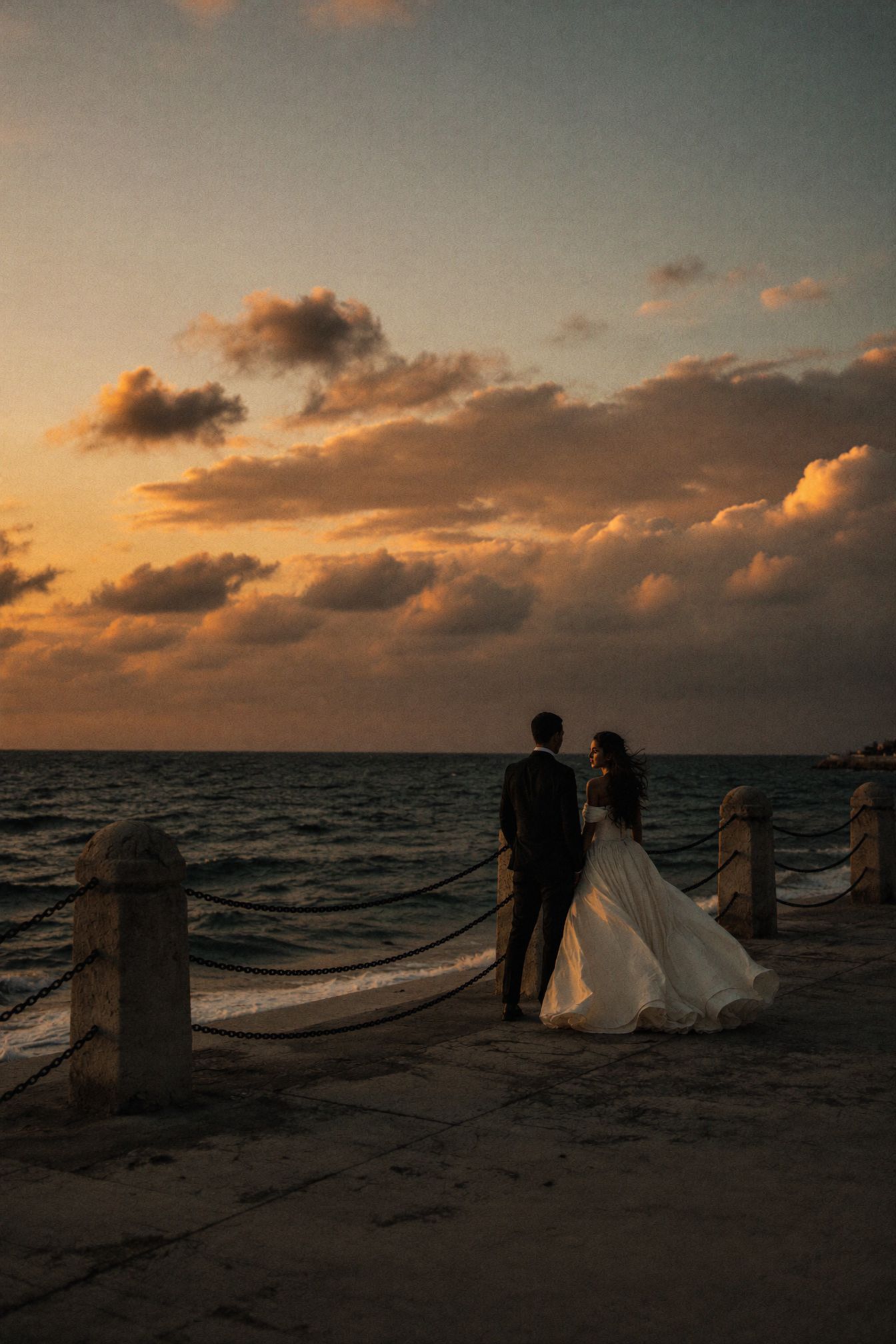
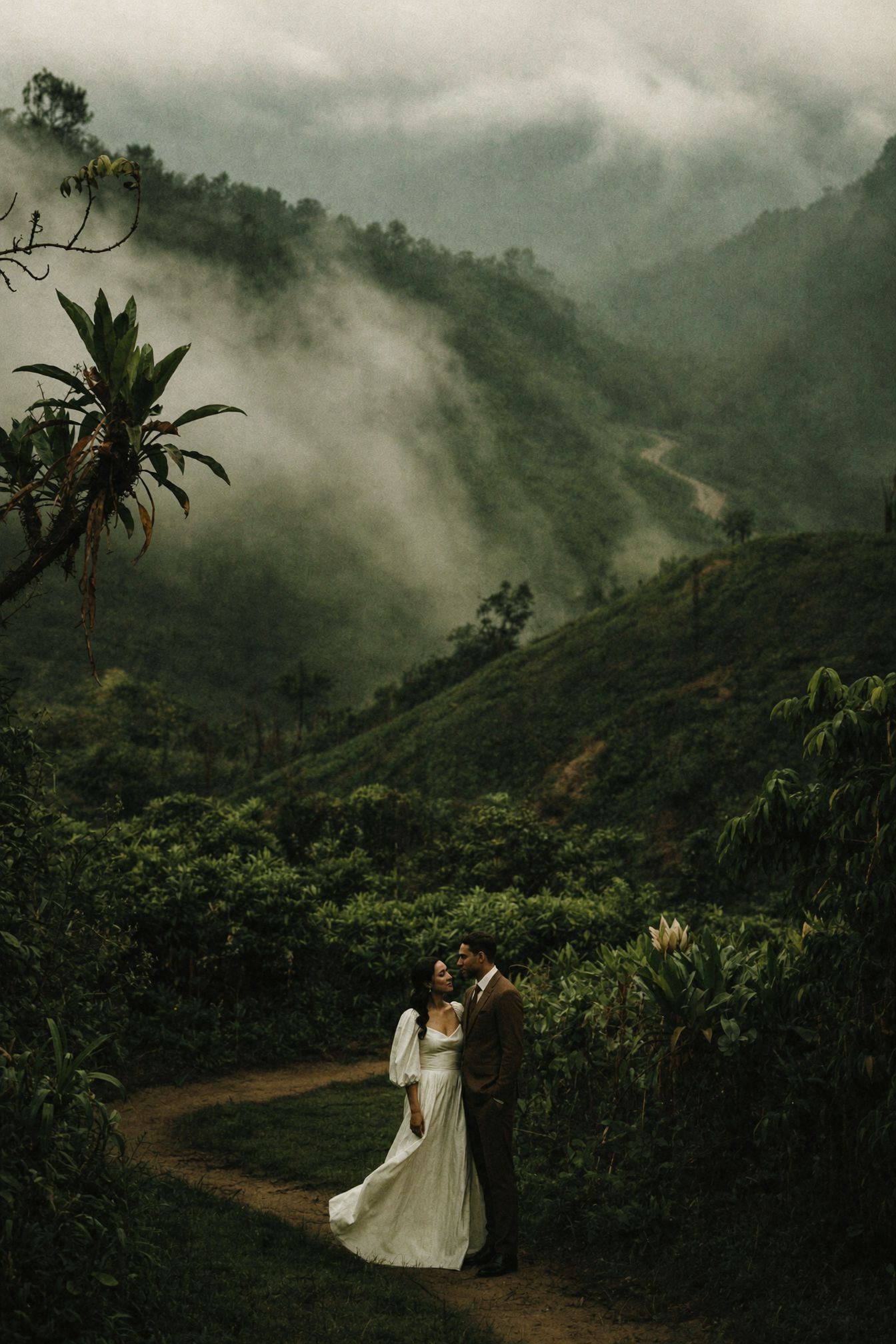
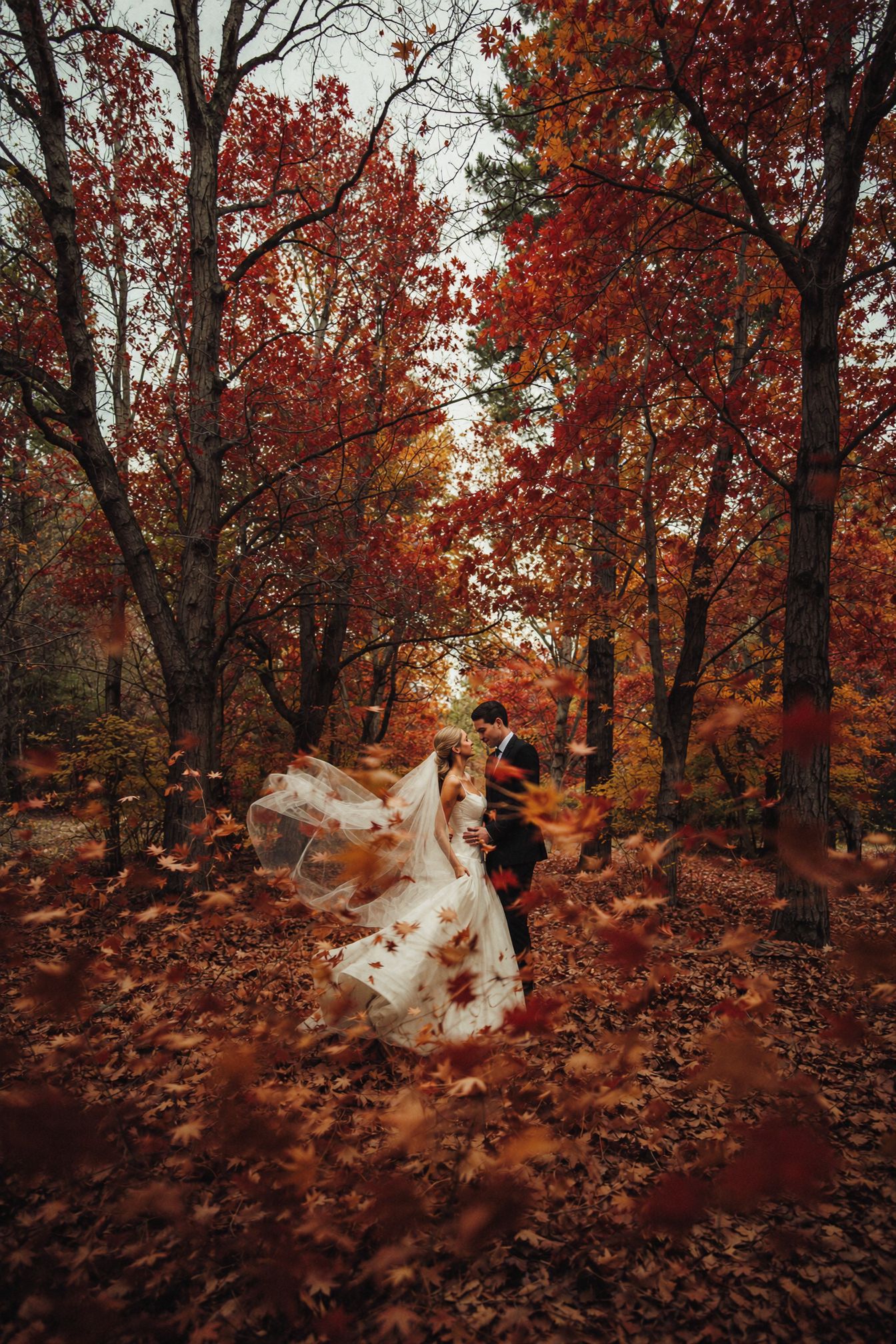
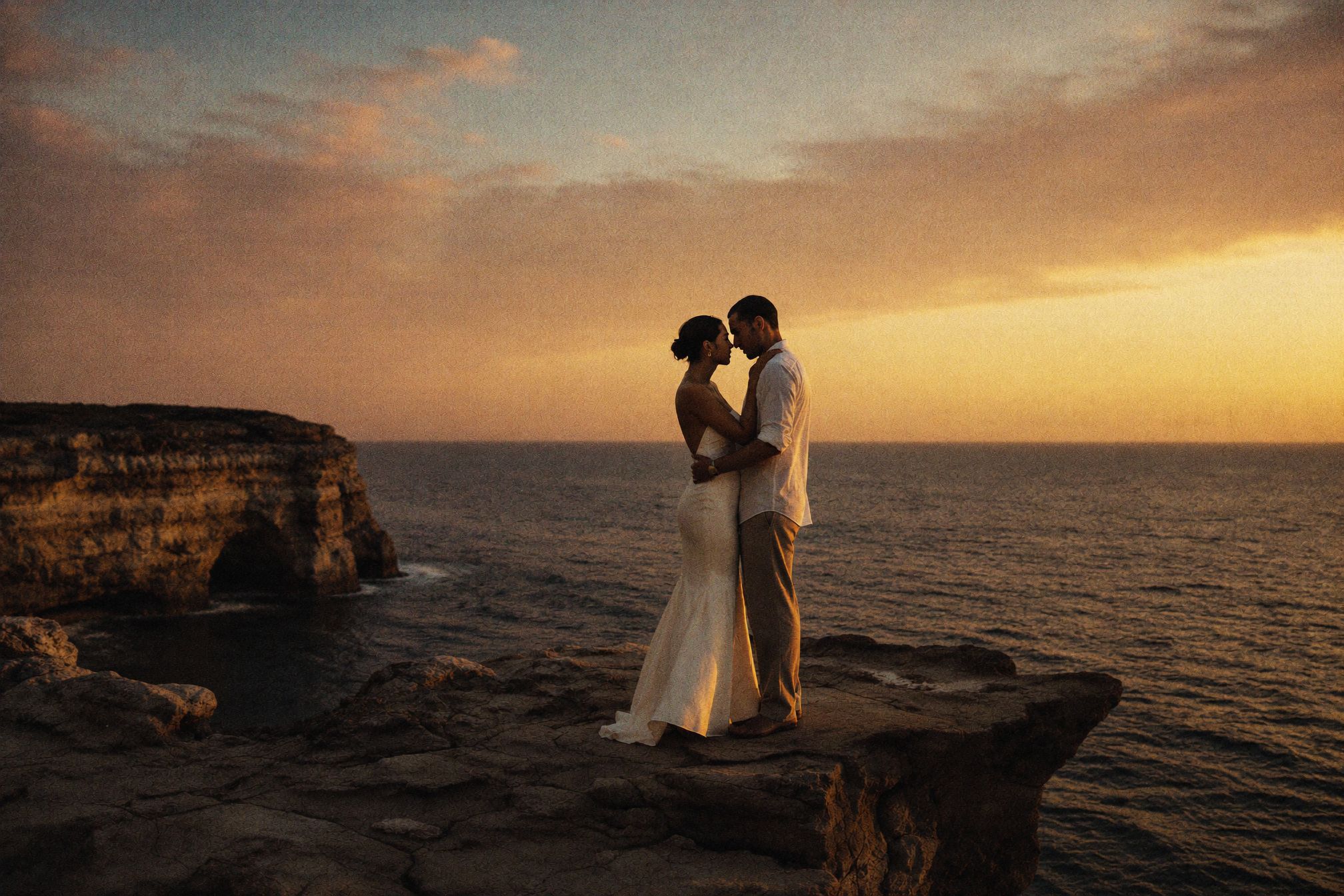
Where I go
Home is wherever you are
Common questions
Everything you want to know
What makes a destination elopement different from one at home?
Everything. The light is unfamiliar, the architecture carries centuries, the landscape looks like nothing in your daily life. A destination elopement is a ceremony shaped by the place it happens in: the smell of the air, the colour of the stone, the particular gold of the light at that latitude. I treat the location as a character rather than a backdrop, and I design the day around what that place actually does at each hour.
What does an elopement curator do that a photographer does not?
One person carries the whole day. I design it, book every vendor, and file every permit, then photograph and film all of it myself. There is no planner to brief, no videographer to coordinate, and nothing handed off halfway. Photography and videography are included in every tier, never sold separately, so the person who chose the light is the person standing in it with you.
Do you travel internationally?
Always. I am based between Medellín and Vancouver, and I curate elopements across Colombia, Patagonia, Mexico, Costa Rica and Canada. Travel is built into every destination proposal and quoted around the specific logistics of your day.
How far in advance should we book?
Six to twelve months for most destinations, and longer for the seasonal ones. Patagonia runs in concentrated windows between November and March, so those dates are genuinely limited. Permits are the other clock: national-park ceremonies in Canada process in weeks, not days, and I file them for you.
Will you scout the location before the day?
Yes. For complex or multi-day elopements a dedicated site visit is part of the process, and for everything else I arrive at least a full day early, scout on foot, and build a light and movement plan before your day starts. That plan is also what makes a weather backup real rather than theoretical.
Do you shoot film as well as digital?
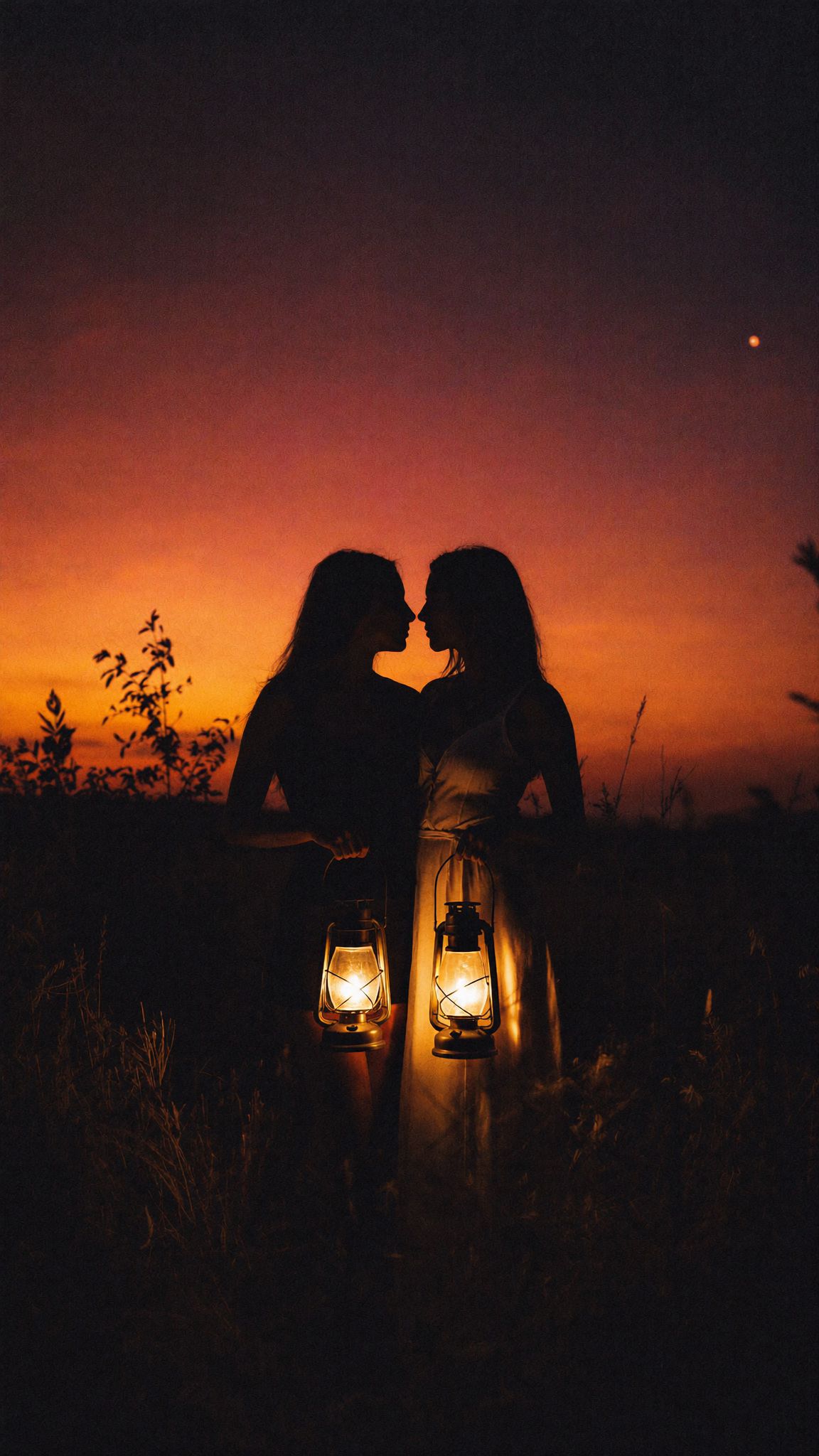
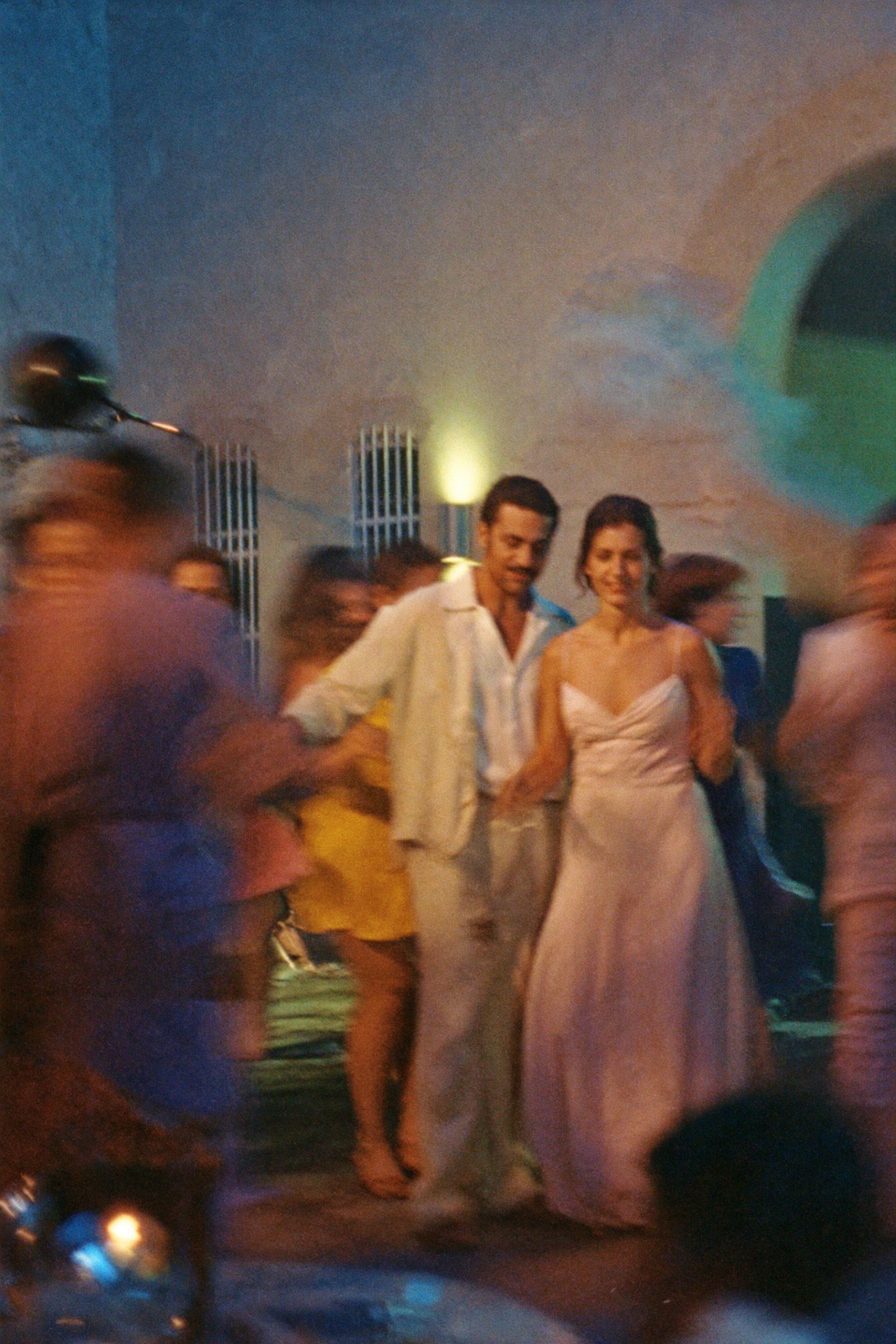
Yes. I work with 35mm and medium format film alongside digital. Film adds something irreplaceable: a grain, a softness, a quality of light that sits closer to memory than to documentation. It is available on any destination commission.
What is your editing style?
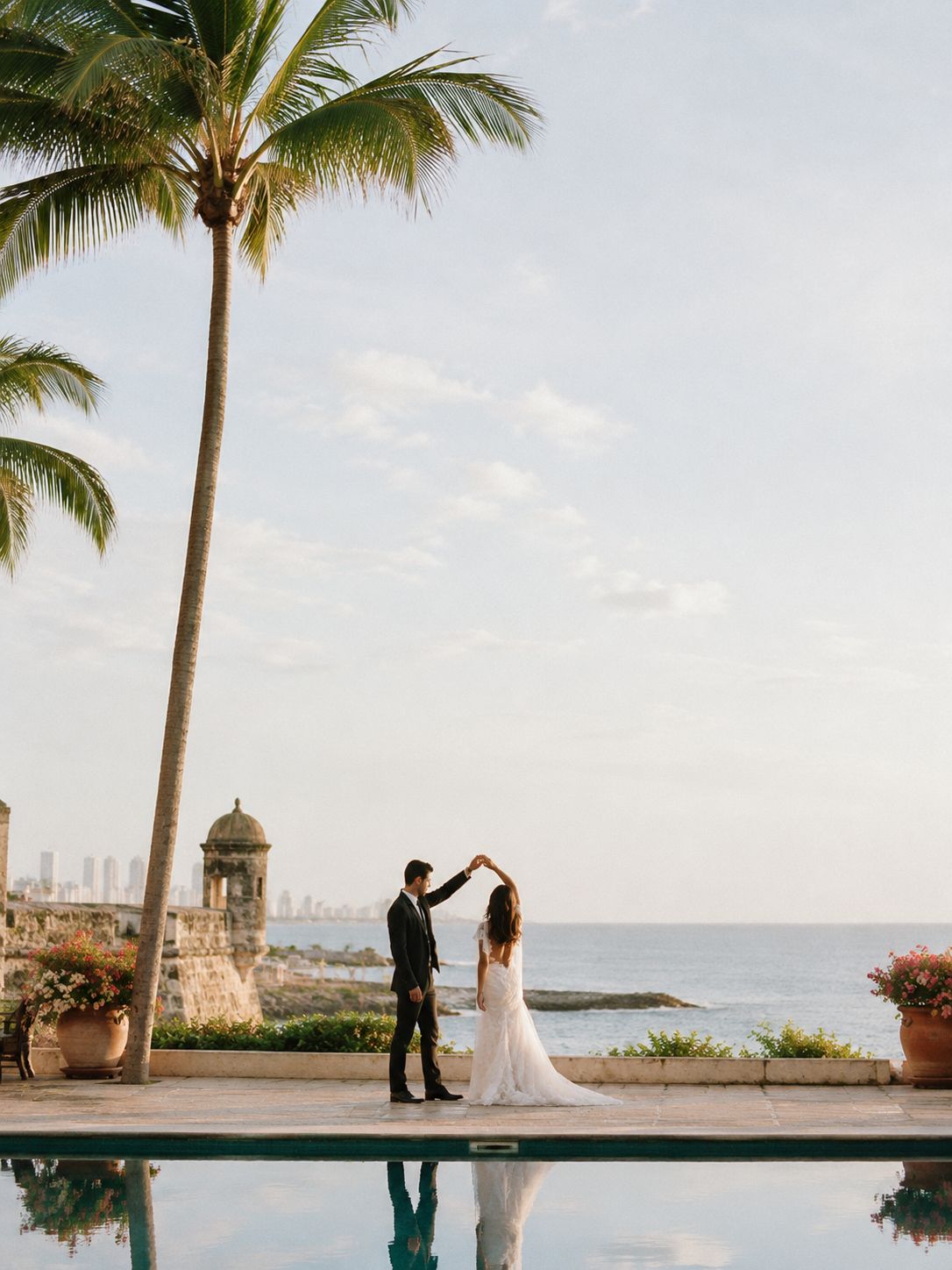
Cinematic and location-aware. I grade to the actual light of the place: the warmth of a Cartagena afternoon, the blue-hour cool of a Rockies winter, the particular green of Colombian jungle light. No generic preset ever touches a gallery.
How does pricing work for a destination elopement?
Three tiers, quoted by destination. The Essential starts at $7,800 USD, the Curated Signature at $13,500, and the Curated Adventuremoon, which weaves the elopement and the honeymoon into one journey, at $19,000. Every tier includes the planning, the vendor booking, the permits, and both photography and videography. The number is written down before anything is booked.
Begin here