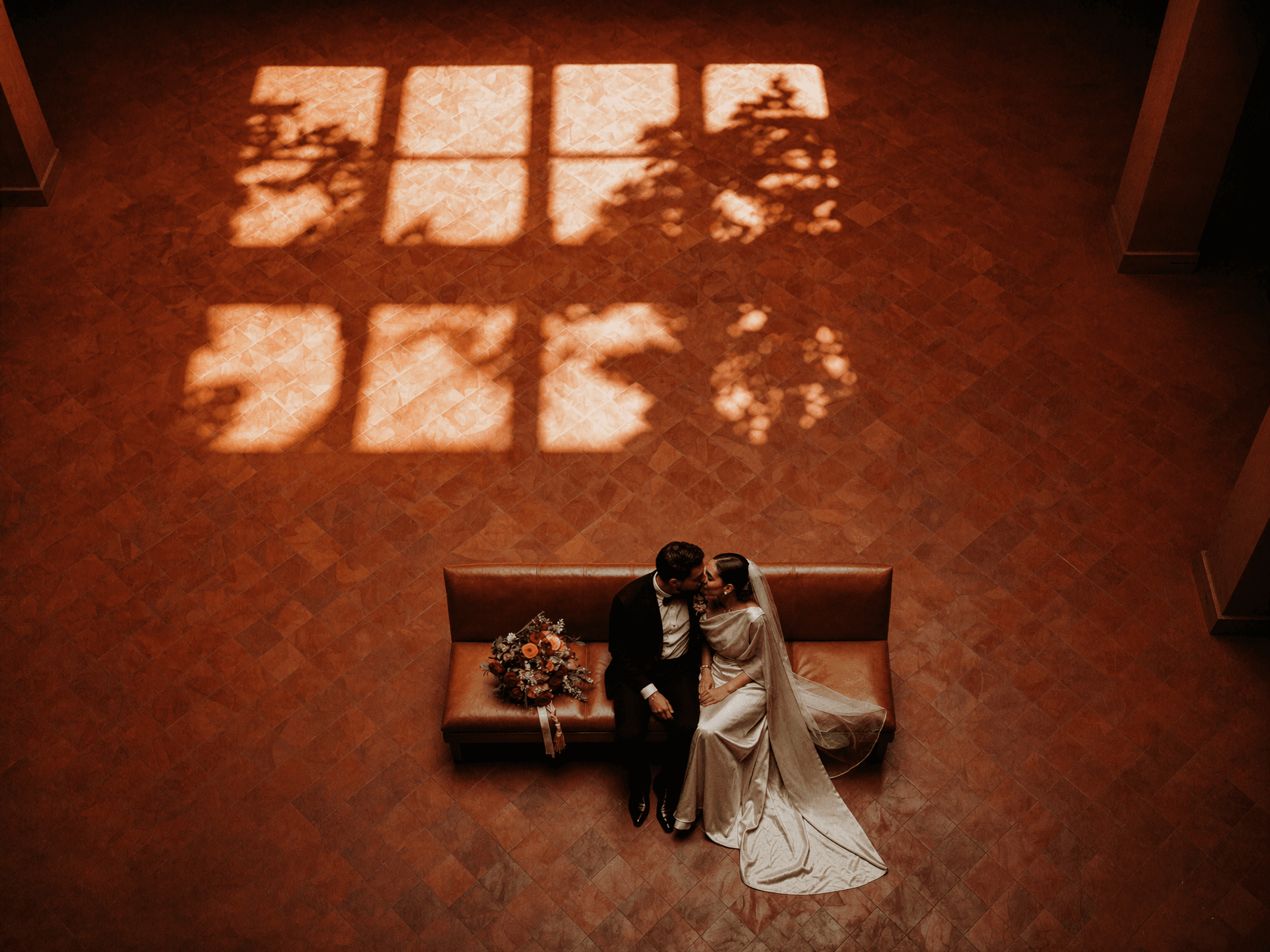
Before addressing the photography logistics specific to Banff National Park, I want to be direct about the most important restriction: drones are prohibited in all Canadian national parks under federal law. This prohibition is not ambiguous, not seasonally variable, and not subject to individual permit exceptions for wedding or commercial photography. There are no drone permits available for Parks Canada land. If a photographer tells you they can legally fly a drone at Lake Louise or Moraine Lake for your wedding session, they cannot. Understanding the actual regulatory framework before you book saves you from promises that cannot be kept.

The Drone Prohibition: Federal Law, Not Park Policy
The prohibition on operating unmanned aerial vehicles in Canadian national parks is established under the Aeronautics Act and Parks Canada’s management policies. It applies to recreational and commercial drone operations without exception. The penalty for flying a drone in a national park is a fine of up to $25,000 under the Aeronautics Act plus potential charges under the Canada National Parks Act. There are no commercial photography exemptions, no Parks Canada-issued authorizations, and no permit processes that allow drone operation within national park boundaries for any purpose.
I have seen drone footage presented as being from Banff wedding and elopement sessions. This footage was captured illegally. The photographer and, potentially, the couple who hired them were exposed to significant legal risk. This is worth knowing before you review any photographer’s portfolio that includes drone footage described as being from Banff, Lake Louise, Jasper, or any other national park location in Canada.

What the Parks Canada Commercial Photography Permit Covers
Parks Canada requires a Location Agreement (commercial photography permit) for any photography conducted in national parks for commercial purposes, meaning the photographer is being paid for the work. The permit application is submitted through the Parks Canada permit system for the specific park. For Banff, this is through the Banff Field Unit offices. The current fee schedule: $25.35 CAD per day for still photography, $50.71 CAD per day for video (fees subject to annual adjustment). The permit specifies the permitted locations within the park and the dates of use. I hold a valid Banff Location Agreement for every paid session I conduct in the park.
The permit covers photography on public parkland. It does not cover photography on the grounds of the Fairmont Banff Springs hotel or the Fairmont Château Lake Louise, which are privately operated properties on Parks Canada land with their own photography permission requirements. These property-specific permissions are separate agreements, required in addition to the Parks Canada Location Agreement, and I coordinate them in advance for any session that includes those specific properties.

Specific High-Traffic Locations and Crowd Management
Johnston Canyon, Lake Louise, and Moraine Lake all have peak-season management measures that affect photography scheduling. Johnston Canyon in summer has a boardwalk trail that operates at high pedestrian density on weekends; I schedule any Johnston Canyon session for weekday mornings before 9am or after 5pm. Lake Louise in summer has vehicle reservation requirements from Parks Canada for the Moraine Lake road starting in May; I coordinate transportation for Moraine Lake sessions through the Parks Canada-approved shuttle system rather than private vehicles during the reservation period. Planning these logistics correctly is the practical difference between a clean gallery and one full of other visitors in every frame.

What I Use Instead of Drones
The landscape of Banff does not require aerial perspective to photograph at full scale. The elevated hiking positions on Sulphur Mountain, Tunnel Mountain, and the Banff Gondola summit (which has its own gondola photography permission requirement) give altitude that ground-level photography on the valley floor cannot match. I use my knowledge of these elevated positions and the geometry of the Bow Valley to create images with the spatial depth and scale that couples associate with aerial photography, from the ground. Every image in my Banff portfolio was made with a commercial permit in place, on the ground, without drone equipment. The restriction exists for legitimate ecological reasons and I work within it without compromise.
Destination Wedding Photographer
Vancouver · Medellín · Worldwide