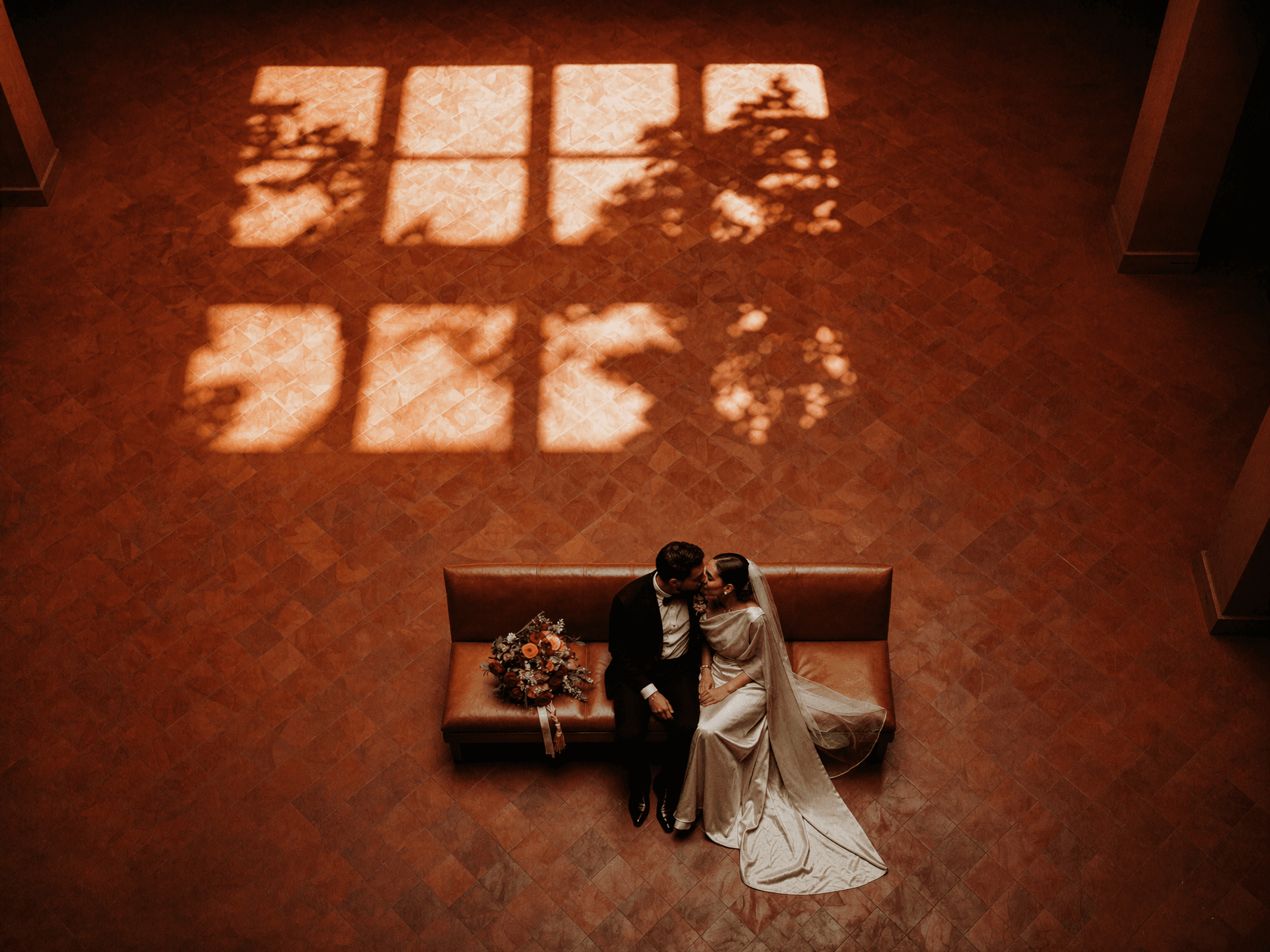
I photograph in Banff across every month of the year. The question couples ask most often is whether winter or summer produces better elopement photographs. My honest answer is that they are not comparable seasons and the word "better" does not apply. They produce completely different images from the same locations, they serve different couples with different visual preferences, and the practical differences between them matter more than most couples initially expect. Here is the comparison without the promotional language.

What Winter Gives the Photographer
Winter in Banff gives three things that summer cannot: snow, cold light, and quiet. The snow transforms every location. The Bow Valley in January looks nothing like the Bow Valley in July: the spruce forest carries heavy snow loads that make each tree three-dimensional in a way the summer green forest is not, the mountain peaks carry fresh powder that reflects light differently from bare rock, and the foreground of any composition has texture and colour that no other season provides. The cold produces a crystalline air clarity that summer haze removes; on cold clear days the mountain peaks are visible in sharper detail than any summer photograph I have made from the same positions.
Winter is also quieter. The peak season visitor volume of July and August is gone. Many of the trails and viewpoints I use for summer sessions are inaccessible in winter due to snow closure, which concentrates visitors at the accessible locations. But within those accessible locations, the visitor density is substantially lower than summer. The Vermilion Lakes in January at 8am have, in my experience, zero other people. The same location at 8am in August has kayakers, cyclists, and photographers lined up at the viewpoint.

What Summer Gives the Photographer
Summer in Banff gives green, wildflowers, full trail access, and 15 hours of usable light. The Valley of the Ten Peaks from Moraine Lake in August, the wildflower meadows of Sunshine Village in July, the larch forests turning gold in September: these are visual experiences with no winter equivalent. The Moraine Lake road opens in late May and closes in late October; that window is the only access to what I consider the most visually extraordinary lake basin in Canada for elopement photography. In summer I have full access to every location I want to use. In winter some of my favourite summer locations are under metres of snow and inaccessible.
Summer also gives physical comfort that winter cannot. Couples can wear their intended wedding attire outdoors for hours rather than minutes between warming breaks. Trail hike access to elevated viewpoints is possible in dress shoes or sandals. The ceremony can happen at a high-alpine meadow location accessible only by hiking trail. The logistics are simpler because cold weather is not a factor in every decision.

The Shoulder Seasons: May and October
October is the month I recommend most often to couples with scheduling flexibility. The larch forests in the Larch Valley above Moraine Lake, and in the Paradise Valley and Consolation Lakes areas, turn gold in the second and third weeks of October. The combination of golden larches, fresh snow on the peaks, and the low-angle afternoon light of late October in the mountains is the most reliably beautiful period I photograph in the Canadian Rockies across a full year of work. The road to Moraine Lake is still open. The crowds are below summer levels. The light is extraordinary. October is the answer when I am asked for my personal recommendation without qualification.
May offers the opposite transition: winter retreating from the valleys while the peaks still carry heavy snow, the first green of spring on the lower slopes, and the specific quality of late-spring light in the mountains that has a clarity and angle the summer cannot replicate. May is variable weather with high potential: some of the most dramatic mountain conditions I have photographed came in late May when clearing storm systems produced post-rain rainbow light over the Bow Valley.
How I Advise Couples on Timing
I ask two questions. Do you want snow in the photographs? And what is your cold tolerance? Couples who want snow, who are genuinely comfortable in -15 Celsius conditions, and who understand what preparing for a winter mountain shoot requires: winter is the right call and the images will look like nothing from any other season. Couples who want green, wildflowers, and easy access to the full location palette: summer or, if they can manage September booking, the early fall transition. Couples who have no strong preference and complete date flexibility: I tell them to target the third week of October for larch season and book around that. The images from larch season are the ones that appear in my portfolio more than any other period.

Destination Wedding Photographer
Vancouver · Medellín · Worldwide