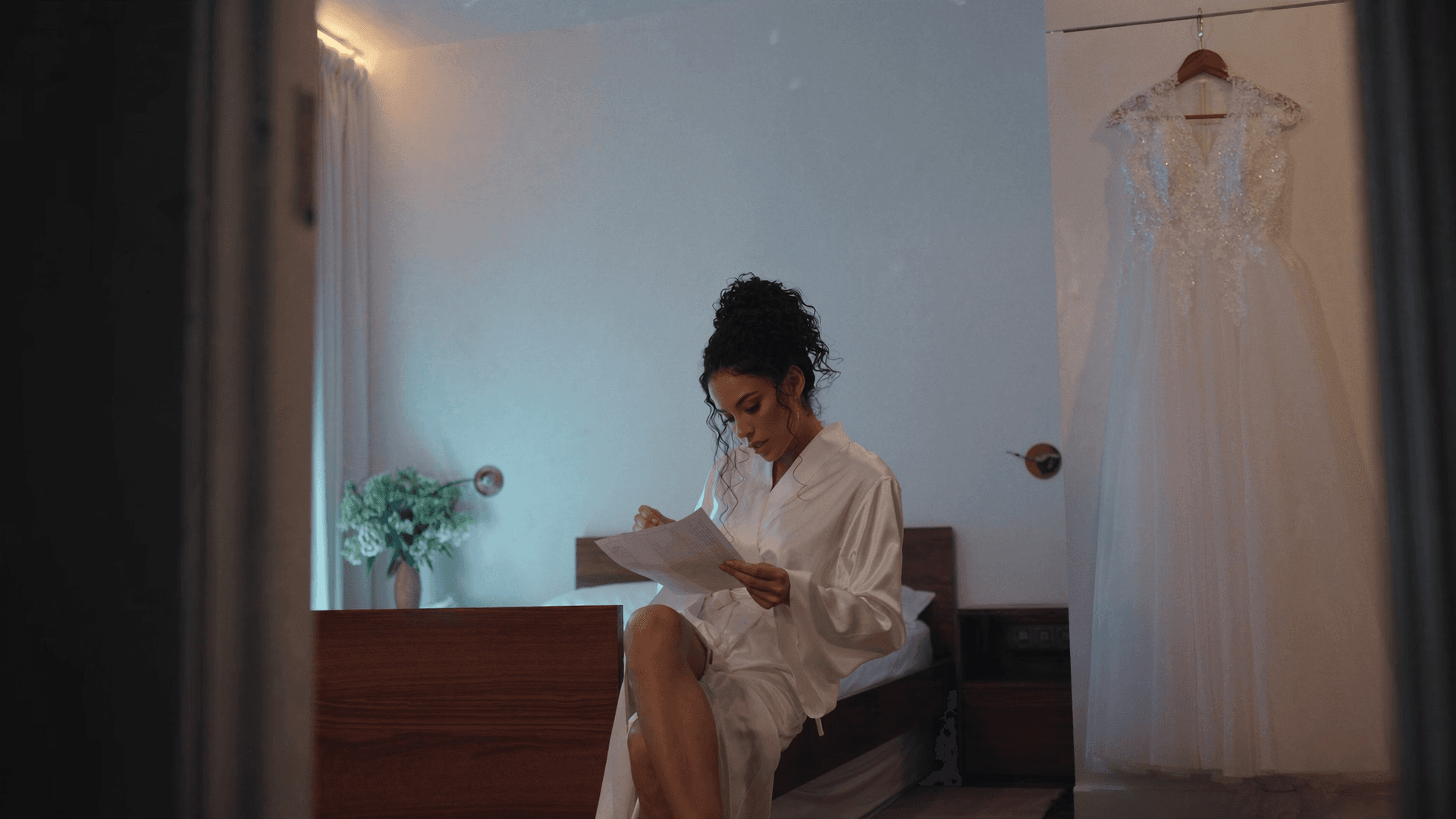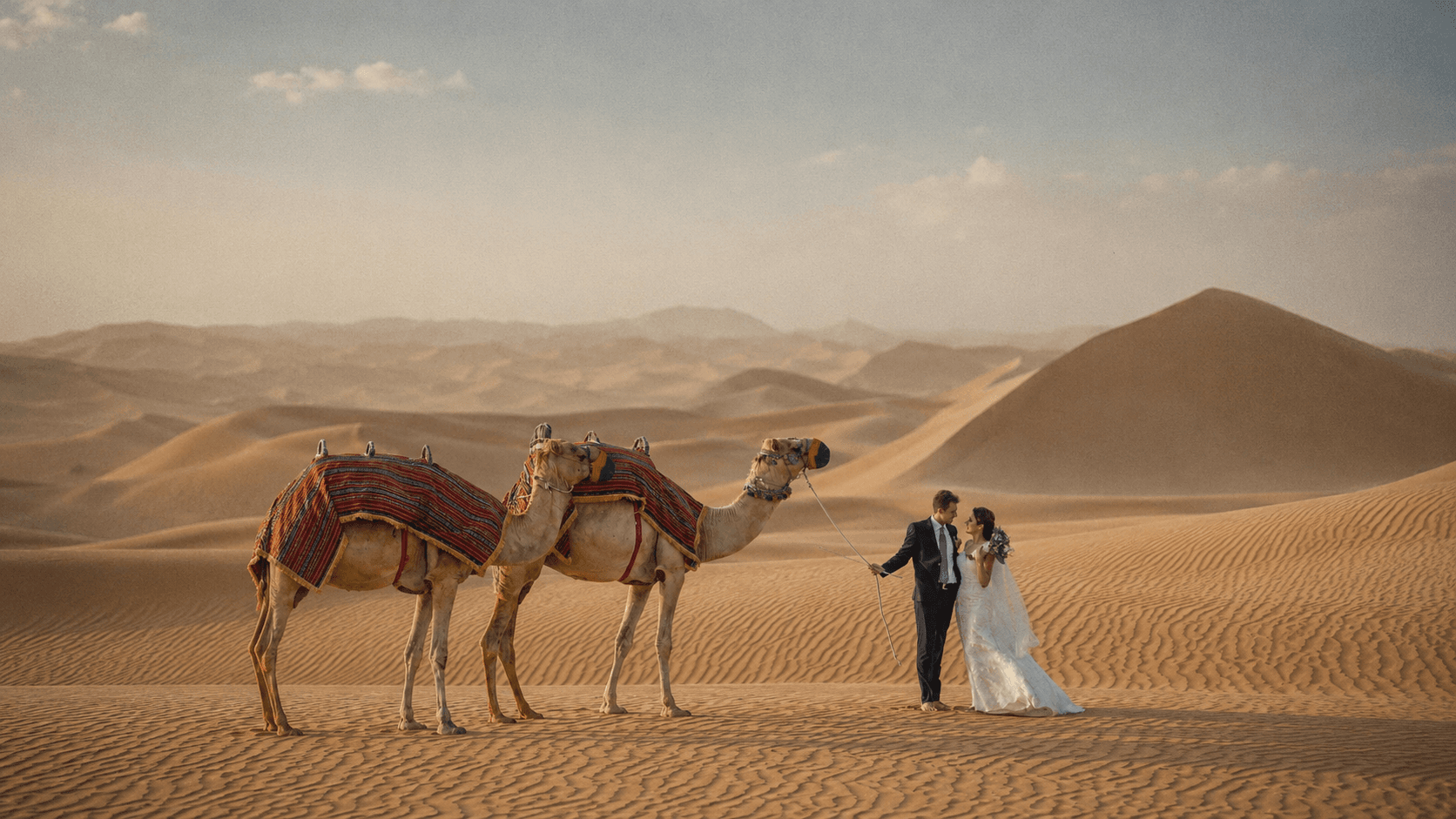
There is a quality of image that is only possible when the people in it feel genuinely unobserved. When an elopement is at a resort with 400 other guests checking in and out around the event, the couple's guests are slightly performing, aware of the broader public context even while trying to be present in the private one. The images reflect this. There is a guardedness, subtle but persistent, that shows in candid coverage.
Put the same group of people in an exclusive-use property, a private villa, a hacienda buyout, a boutique hotel rented in its entirety, and something changes. The environment is protected. The community is sealed. People relax in ways they cannot when strangers are watching.
What Classic Vacations Is Observing
The 2026 destination elopement trend toward exclusive-use properties is not just a preference for privacy as comfort; it is a preference for privacy as atmosphere. When the location belongs entirely to the elopement party for the full weekend, the event takes on a different character. The property becomes the setting of a story rather than a venue rented by the hour. Guests inhabit it, explore it, claim their corners of it over the course of the days. The documentary photographs of people in that space, at breakfast, by the pool, in the garden, on the terrace after midnight, are possible only because the space is fully theirs.
The Multi-Day Storytelling Dimension
A single-day elopement at an exclusive-use property is a better version of a conventional event. A multi-day elopement weekend at an exclusive-use property is something qualitatively different: a story with chapters. The arrival day, when people find each other and the property and settle into the rhythm of the weekend. The elopement day itself, elevated by everything that preceded it. The morning after, when the event has passed into memory and everyone is still inside its warmth.
The photography of this arc looks completely different from coverage of a single event. There is a narrative structure to the gallery, a rise and a resolution, that single-day coverage cannot replicate. The images of day one, when people arrive loose and excited and slightly uncertain, are the images that make day three's intimacy make sense.
The Practical Destination Elopement Formula
Intimate guest list. Exclusive-use property. Three to four days. A photographer who arrives early, stays through the last morning, and is genuinely present for the whole arc. This is the destination elopement formula that produces the galleries I am most proud of, not because the locations are extraordinary (though they often are) but because the structure gives every layer of the story room to develop fully.
Build the weekend correctly, and the photographs will take care of themselves.
Why This Matters More Than Most Couples Realise
The question of the formula for a meaningful destination elopement sits at an intersection that the elopement industry does not always make visible: the gap between what an elopement or elopement is supposed to look like and what it actually feels like to the people in it. The photographs produced in that gap, between the performed version and the genuine version of the same day, are consistently the ones couples return to most often in the years after the event. The images that show what was actually true about the morning rather than what was staged for the camera are the ones that hold meaning over time, because they contain real information about who the couple was on that specific day rather than a record of how well they executed a visual template.
The specific relevance of the formula for a meaningful destination elopement to elopement and elopement photography is that it forces a choice between two approaches that cannot be fully reconciled: the approach that optimises for how things look in the moment and the approach that optimises for what the photographs will mean over time. These approaches are not always in conflict, but when they are, the couples who have thought about the difference in advance make better decisions than the couples who discover the conflict on the day. Thinking about the formula for a meaningful destination elopement before you plan your session is not overthinking. It is the kind of preparation that allows the session itself to be genuinely spontaneous rather than spontaneous-looking.

How I Apply This in the Sessions I Photograph
The practical implications of the formula for a meaningful destination elopement for how I work are specific: I spend less time directing couples into positions and more time watching what happens when they are not being directed. I build the session structure around the moments that occur naturally at each location, the walk between ceremony and portrait location, the quiet before the ceremony begins, the unrehearsed interaction between the couple during the fifteen minutes after the ceremony ends, rather than filling every moment with scripted activity. The most consistent predictor of a strong elopement gallery is not the quality of the locations or the light, though both matter. It is the degree to which the couple is genuinely present rather than performing presence.
The sessions that produce the work I am most proud of are the ones where the couple has thought about why they are there, what the ceremony means to them specifically, and what they want the photographs to show about who they were on that day. These are the sessions where I am not the most important person in the room. The couple is the most important person in the room, and my job is to be invisible enough that what they are doing is fully visible. the formula for a meaningful destination elopement understood in advance is what creates the conditions for that kind of photography rather than making it a matter of luck when it occasionally happens.
Making the Most of the your destination Context
Every destination has a specific context that is worth using deliberately rather than treating as background. At your destination, that context is the combination of light quality, natural or architectural setting, and the particular atmosphere of the place at different times of day. The sessions that use this context most effectively are the ones where the couple has spent time at your destination before the ceremony day: walking the neighbourhood, sitting at a viewpoint, becoming familiar with the place at different hours so that on the ceremony morning it is somewhere they know rather than somewhere they are experiencing for the first time under the pressure of the session schedule.
I recommend arriving at your destination at least one full day before the ceremony date for this reason. The first day is for orientation: finding the route to the ceremony site, having a meal at a restaurant they want to return to that evening, walking through the area without a camera or a schedule. The second day is the ceremony day, and the familiarity accumulated on the first day shows in how the couple moves through the space and how present they are during the session rather than navigating it as strangers. The photographs from a couple who knows the place, even slightly, are different from the photographs of a couple experiencing it for the first time.
Making the Most of the your destination Context
Every destination has a specific context that is worth using deliberately rather than treating as background. At your destination, that context is the combination of light quality, natural or architectural setting, and the particular atmosphere of the place at different times of day. The sessions that use this context most effectively are the ones where the couple has spent time at your destination before the ceremony day: walking the neighbourhood, sitting at a viewpoint, becoming familiar with the place at different hours so that on the ceremony morning it is somewhere they know rather than somewhere they are experiencing for the first time under the pressure of the session schedule.
I recommend arriving at your destination at least one full day before the ceremony date for this reason. The first day is for orientation: finding the route to the ceremony site, having a meal at a restaurant they want to return to that evening, walking through the area without a camera or a schedule. The second day is the ceremony day, and the familiarity accumulated on the first day shows in how the couple moves through the space and how present they are during the session rather than navigating it as strangers. The photographs from a couple who knows the place, even slightly, are different from the photographs of a couple experiencing it for the first time.
Destination Wedding Photographer
Vancouver · Medellín · Worldwide