El Chaltén or El Calafate: Which Patagonia Is Yours
Three hours apart on the same road, and they sell opposite days. One is granite and walking. The other is ice and boats.
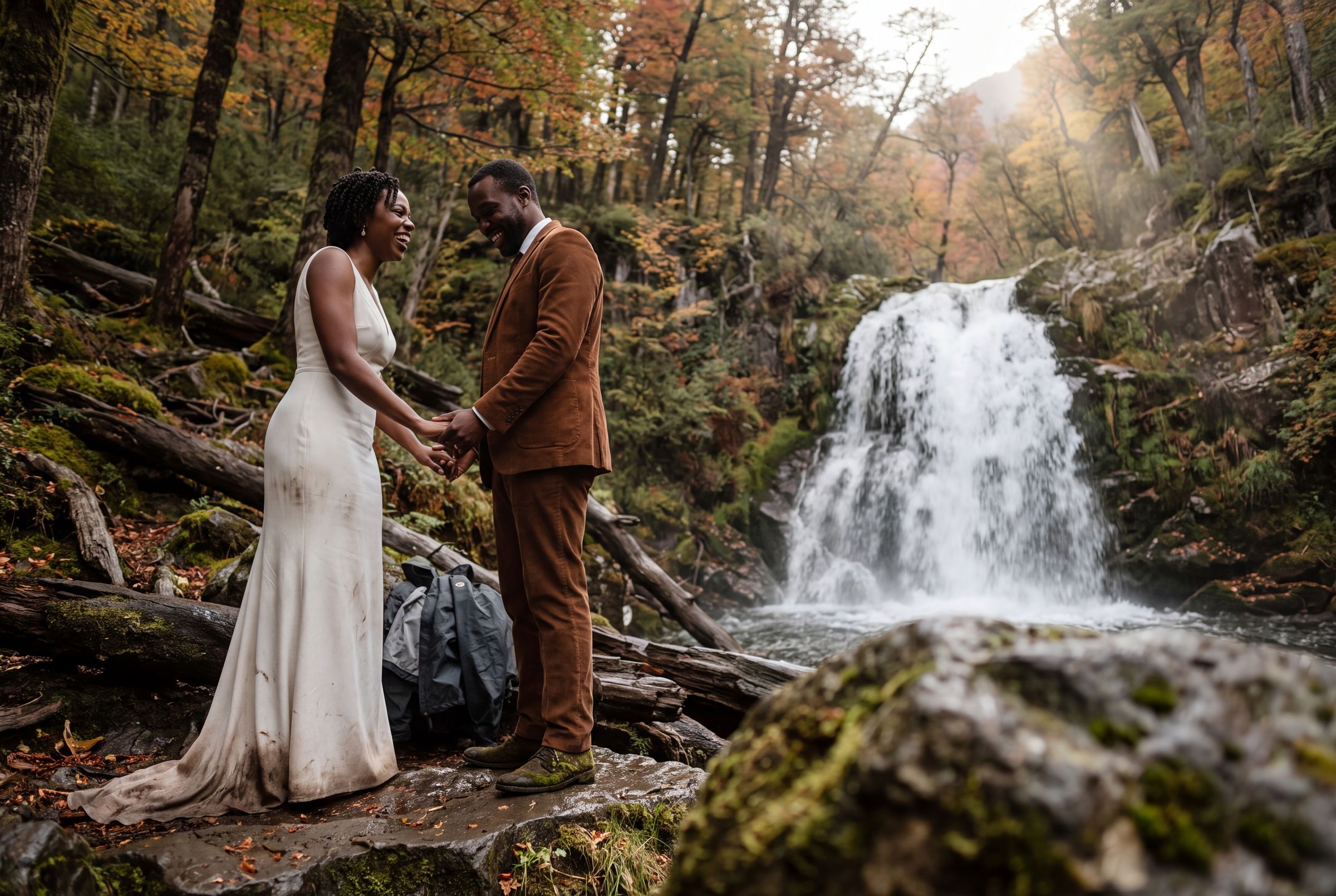
These two towns are three hours apart on the same road and they are not variations of each other. El Chaltén is granite, wind and walking. El Calafate is ice, water and vehicles.
Almost every couple who writes to me about Patagonia has seen photographs from both and assumed they are one destination. They are not, and choosing wrongly is the difference between a day that fits you and a day you endure politely.
Here is the honest comparison, from someone who works both.
(Continued on Page 2, Col. 1)
What each town actually is
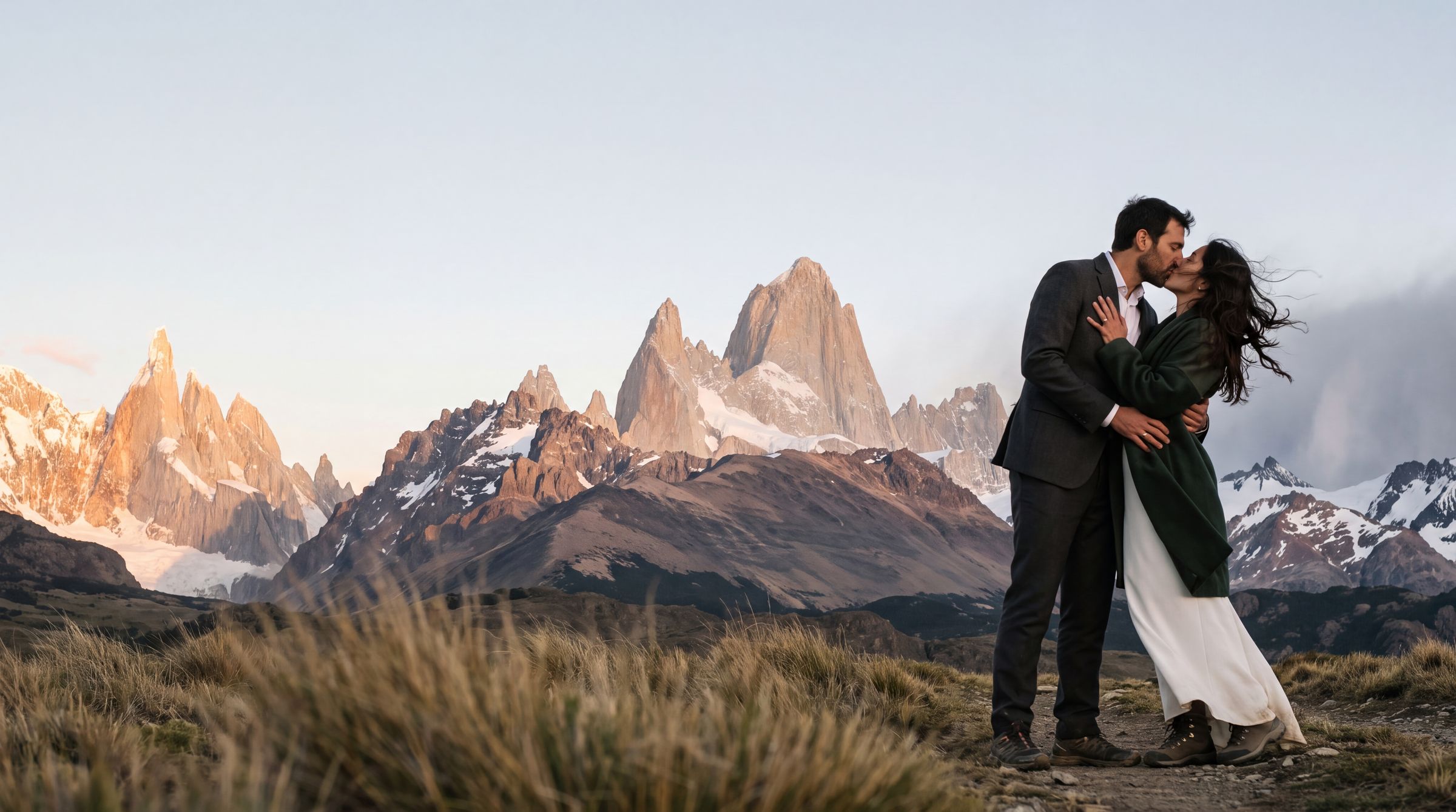
El Chaltén is a village of roughly two thousand people at the end of a gravel road, built in 1985 and existing almost entirely because of the mountains above it. The trailheads start at the edge of the houses. It is Argentina's trekking capital and it behaves like one.
El Calafate is a proper town on the shore of Lago Argentino, with the regional airport, hotels at every level, restaurants, and the infrastructure that comes with being the gateway to the most visited glacier in South America. You do not walk to anything from El Calafate. You drive or you take a boat.
That single difference cascades through everything else.
The mountain versus the ice
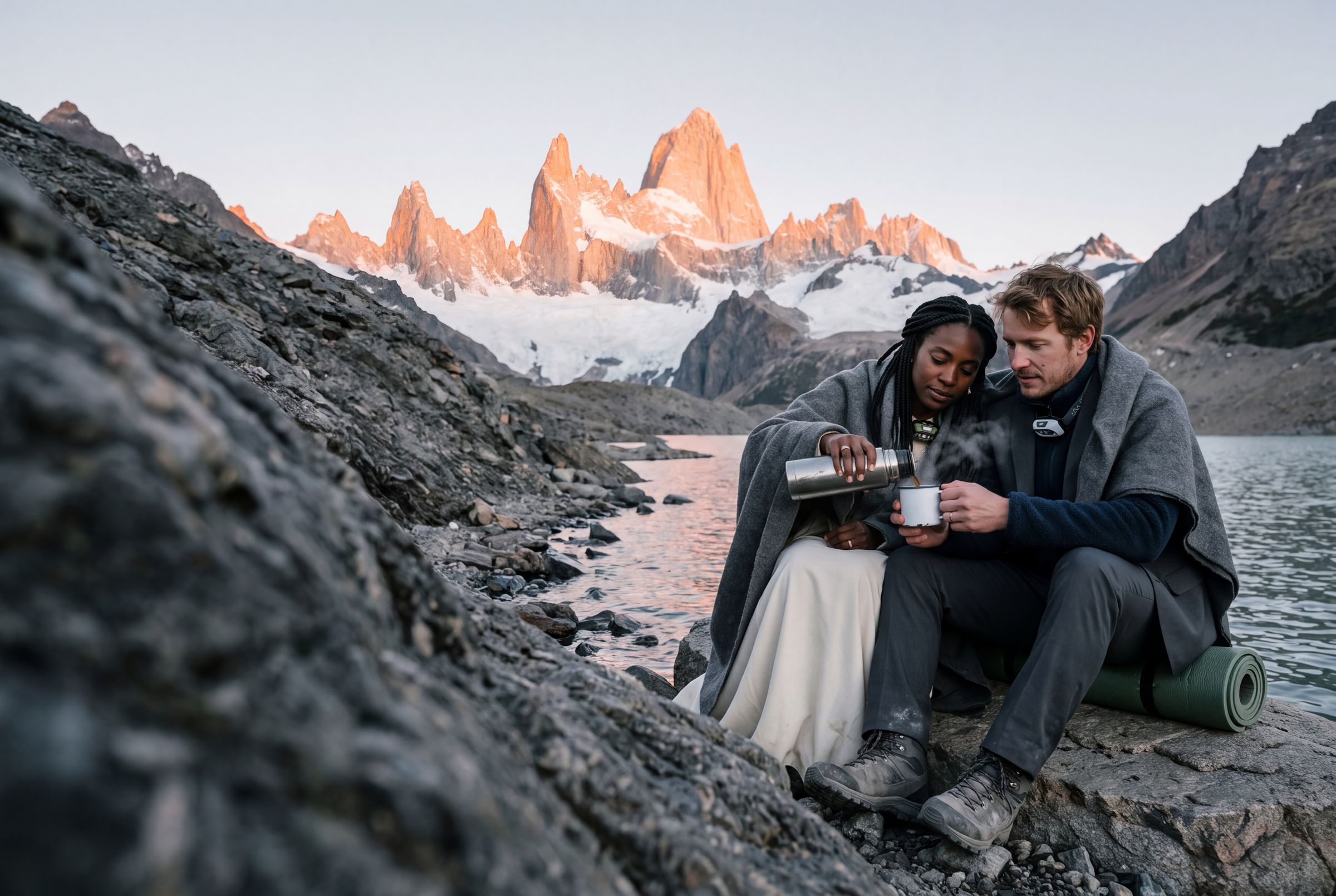
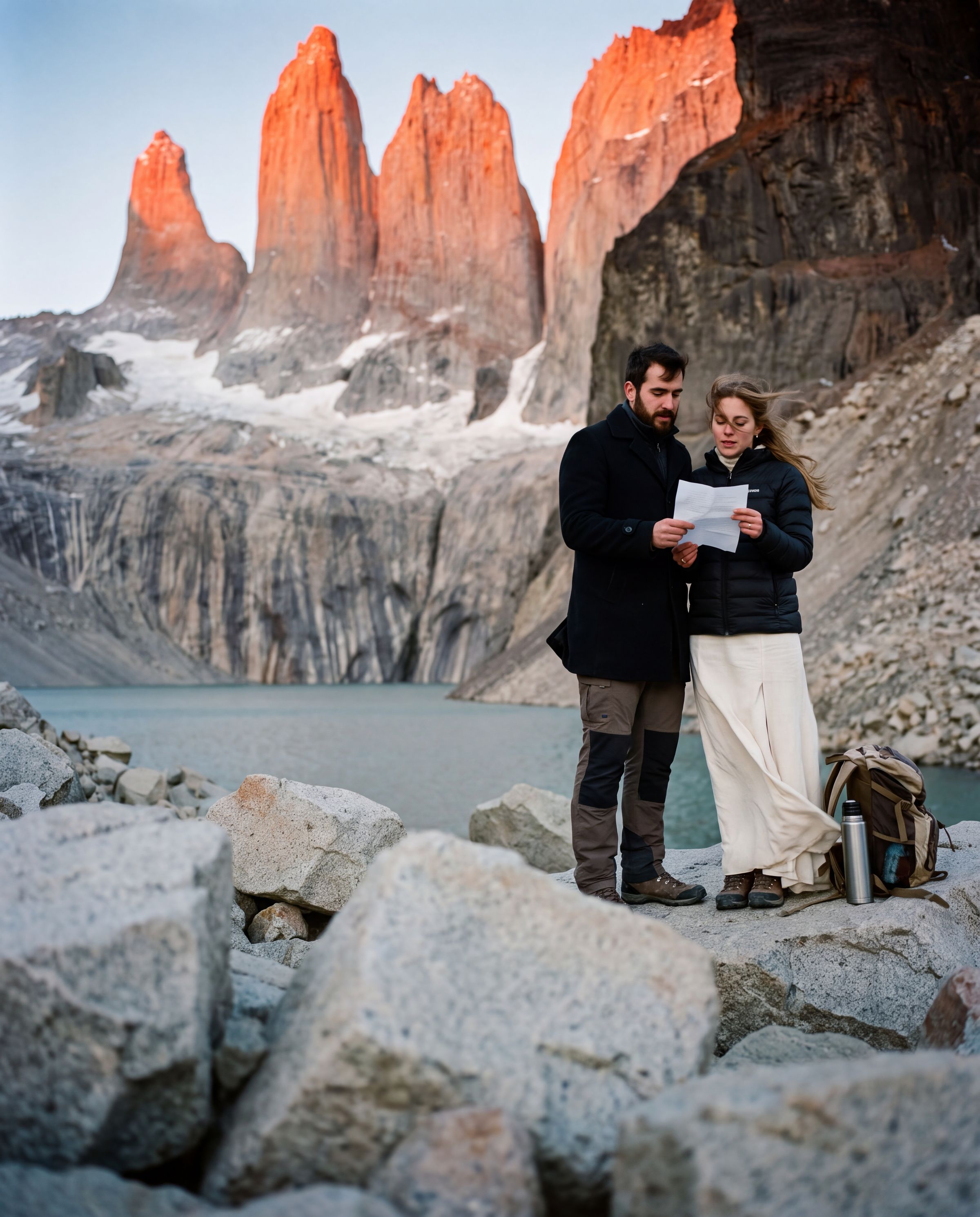
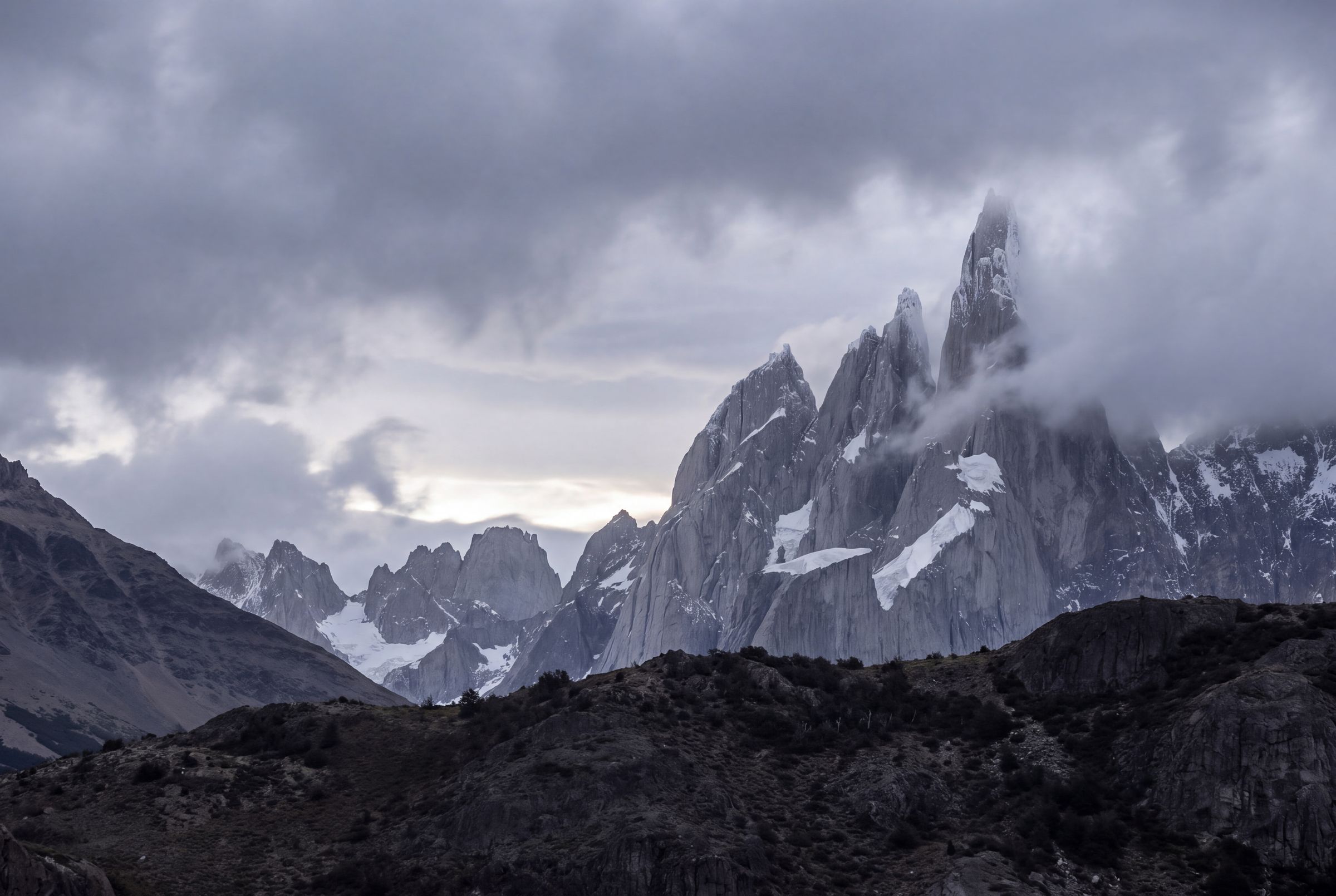
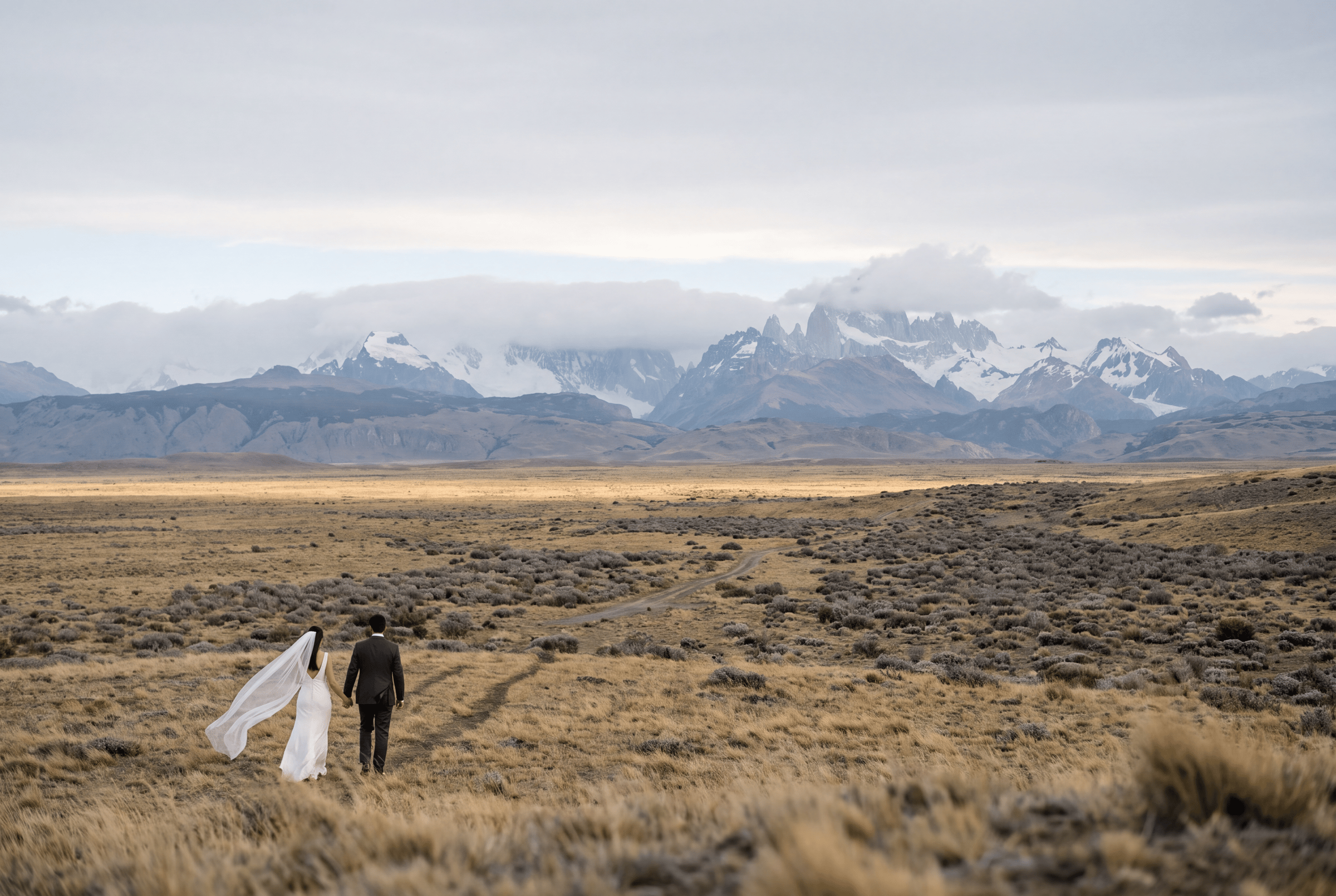
El Chaltén sells you Fitz Roy and Cerro Torre, two of the most recognisable granite spires on Earth, on the days they consent to be seen. The reward is enormous and the odds are genuinely uncertain.
El Calafate sells you Perito Moreno, a glacier front several kilometres wide and tall enough that calving ice sounds like artillery. And the crucial difference: the ice is there every day. Cloud changes how it looks. It does not hide it.
If certainty matters to you more than drama, that sentence is the whole article.
How much you will walk
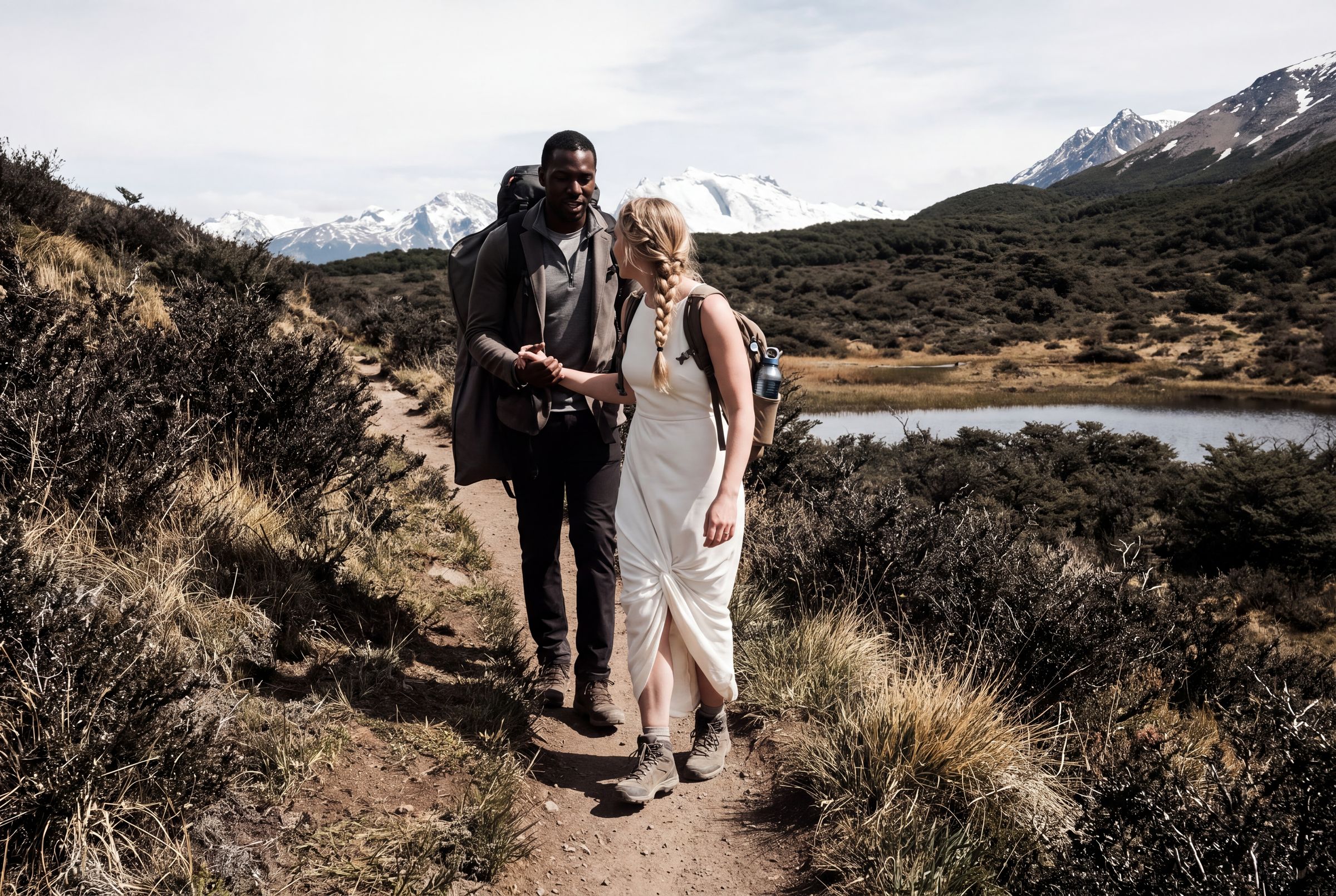
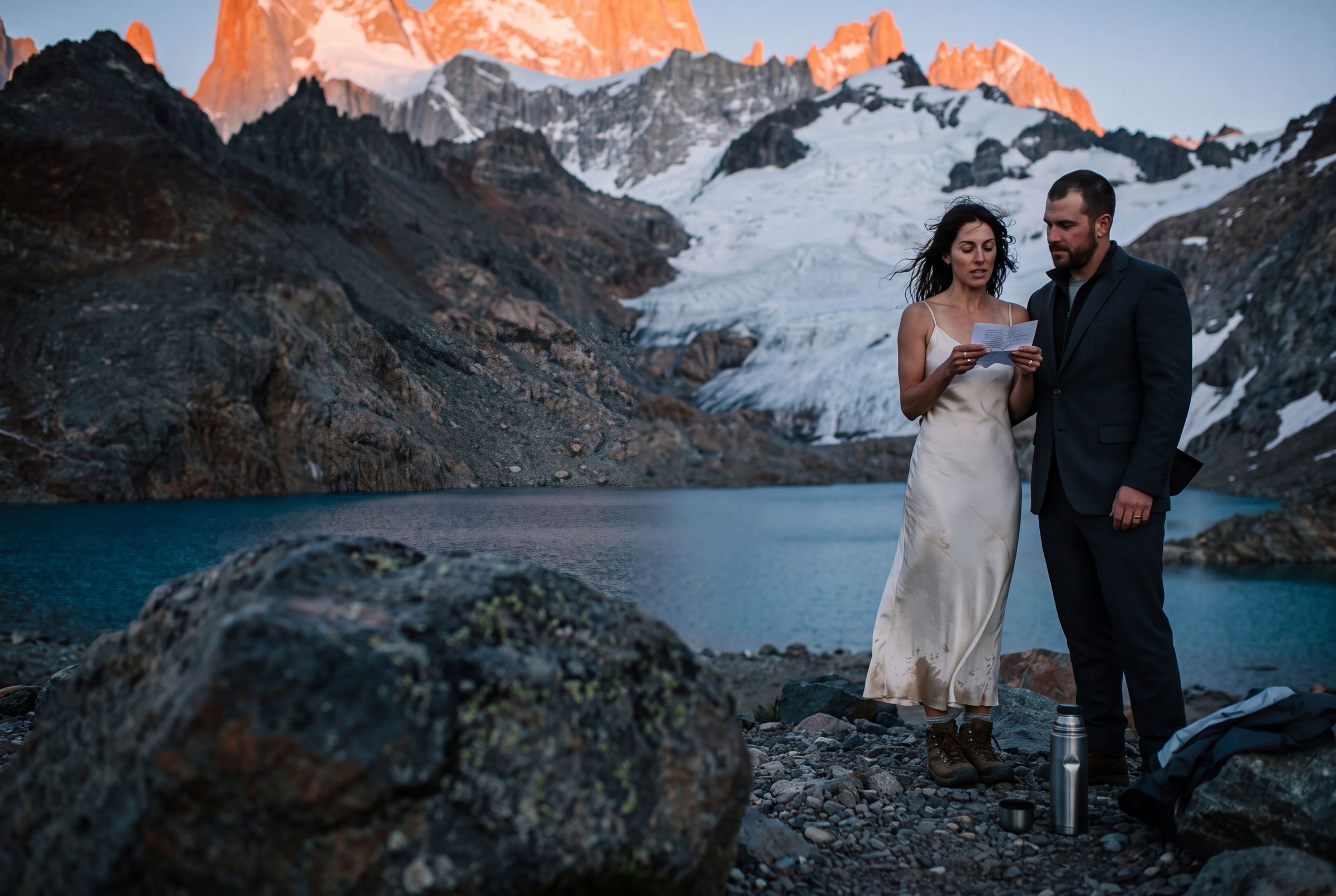
In El Chaltén the day is a walk, and how good a day it is scales with how far you are willing to go. The best viewpoints are earned on foot, some of them across several hours and a steep last stretch on loose ground.
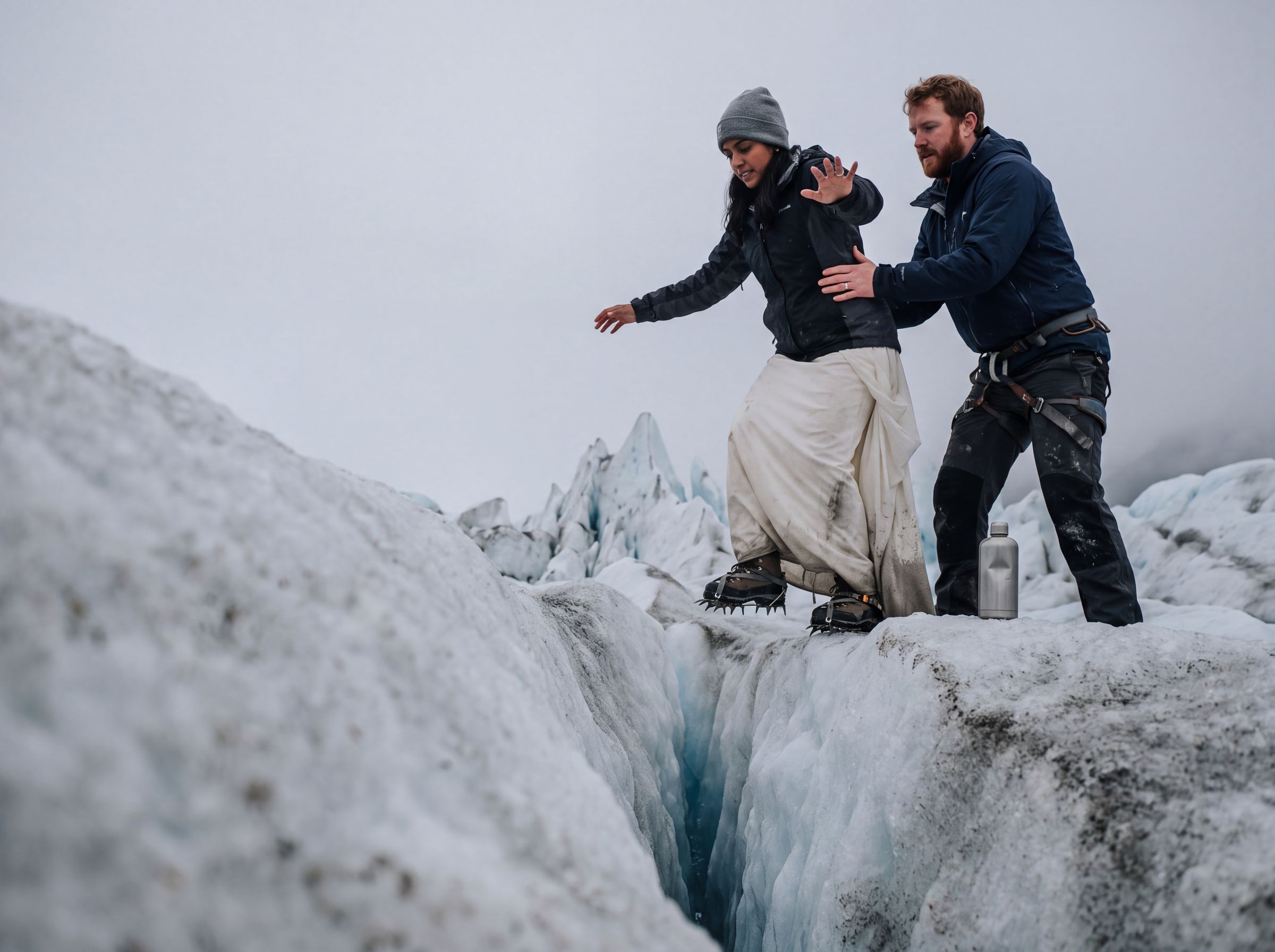
In El Calafate the day is a series of arrivals. You reach the glacier by road, view it from a system of boardwalks, and get closer by boat. There is ice trekking with crampons for couples who want effort, but the point is that effort is optional rather than structural.
This is the question I ask first, and I want the honest answer. A couple who does not want to walk will have a better wedding in Calafate than a spectacular one in Chaltén.
The weather odds are not the same
El Chaltén requires several ceremony windows across several days, because the massif is behind cloud on the majority of them. I build that flexibility in and it is a real part of what you are paying for.
El Calafate is far more predictable, sitting out on the steppe away from the icefield's cloud factory. It still has Patagonian weather and wind, but a cloudy day at the glacier is a moody glacier, not an absent one.
For a couple with a fixed short trip and no room to move a date, that difference should probably decide it.
What a day at the glacier actually involves
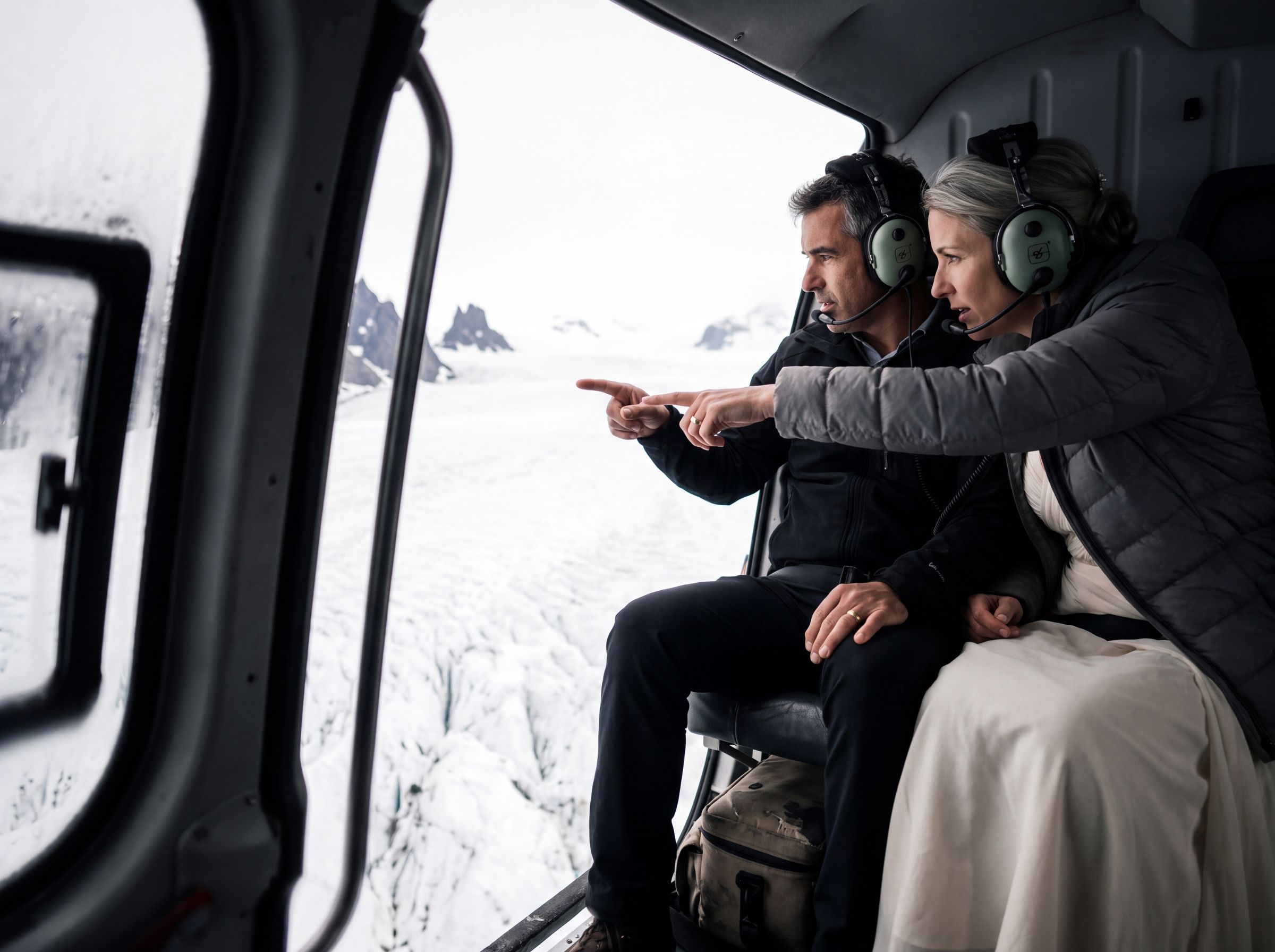
Perito Moreno is approached on a system of steel boardwalks that step down the hillside opposite the ice front, so the whole thing is available to anyone who can manage stairs, at any hour of the day. That is the baseline, and for many couples it is enough.
Above the baseline there are two upgrades worth knowing about. A boat takes you along the face, which changes your sense of the scale completely, because the ice stops being scenery and becomes a wall in front of the bow. And ice trekking puts crampons on your feet and walks you out onto the glacier itself, which is the closest thing Calafate has to the effort of Chaltén, except it is optional and it is guided.
The calving is the part nobody prepares you for. Blocks the size of buildings break off the front with a sound like artillery, and it happens on no schedule at all. You wait, and you are rewarded or you are not, which is the one way in which the two towns are alike.
The early start, and who it is really for
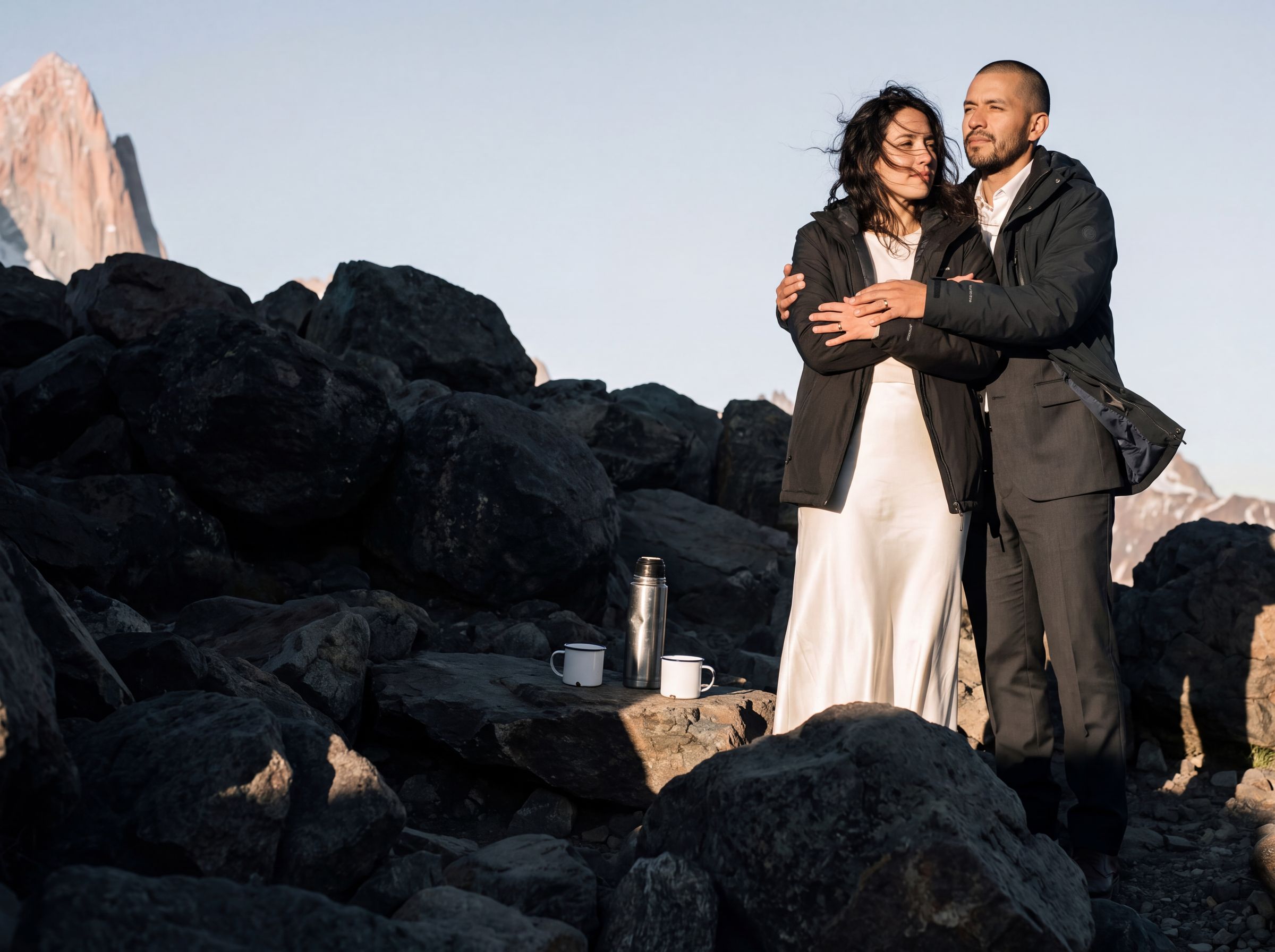
An El Chaltén ceremony at its best means leaving in the dark. The alpenglow lasts a few minutes, the walk in takes longer than you think, and the reward is a few frames nobody else has. I have watched couples find that the best hour of their lives and I have watched couples endure it.
El Calafate never asks that of you. The glacier is there at eleven in the morning and it is there at six in the evening, and the light on the ice at either end of the day is genuinely beautiful without requiring a headlamp.
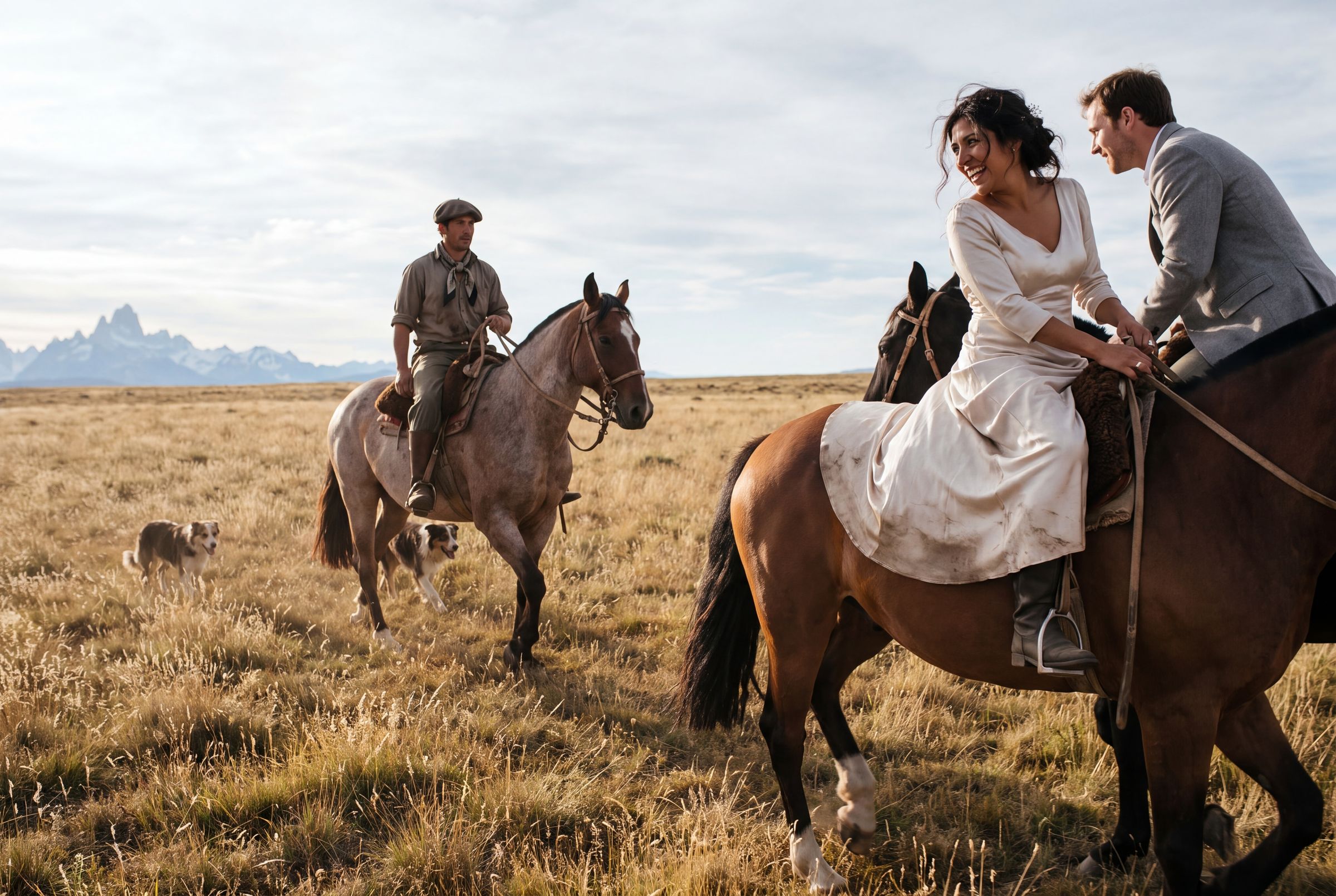
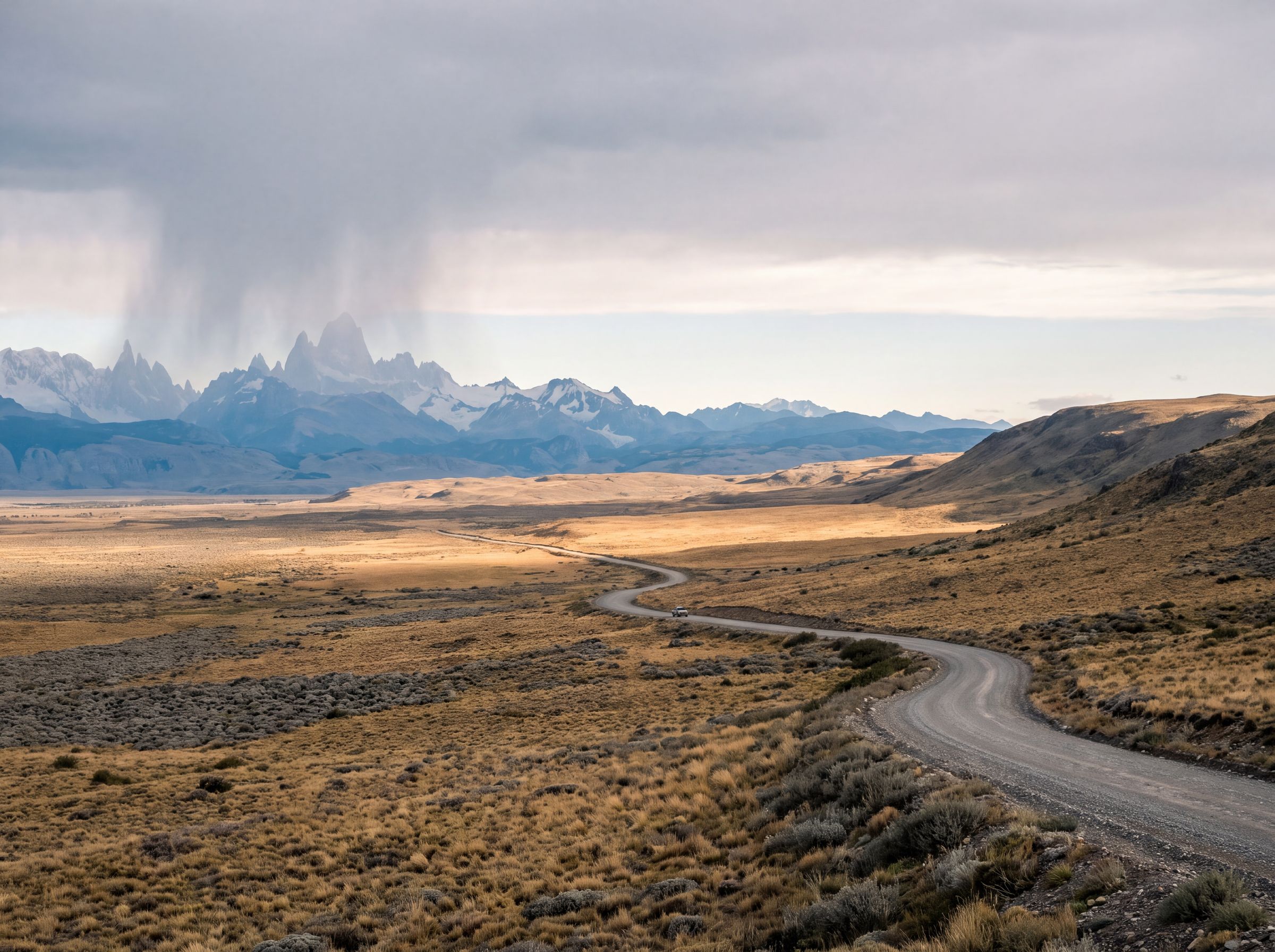
The steppe between the two towns deserves a mention here too, because most couples treat it as a transfer and it is better than that. Three hours of open grassland, guanacos, wind and estancia country, with the range appearing and disappearing on the right. I build it as a chapter of the trip rather than a gap between two of them, which usually means a stop, sometimes horses, and never simply a van with the curtains shut.
Where you sleep, and what that is like
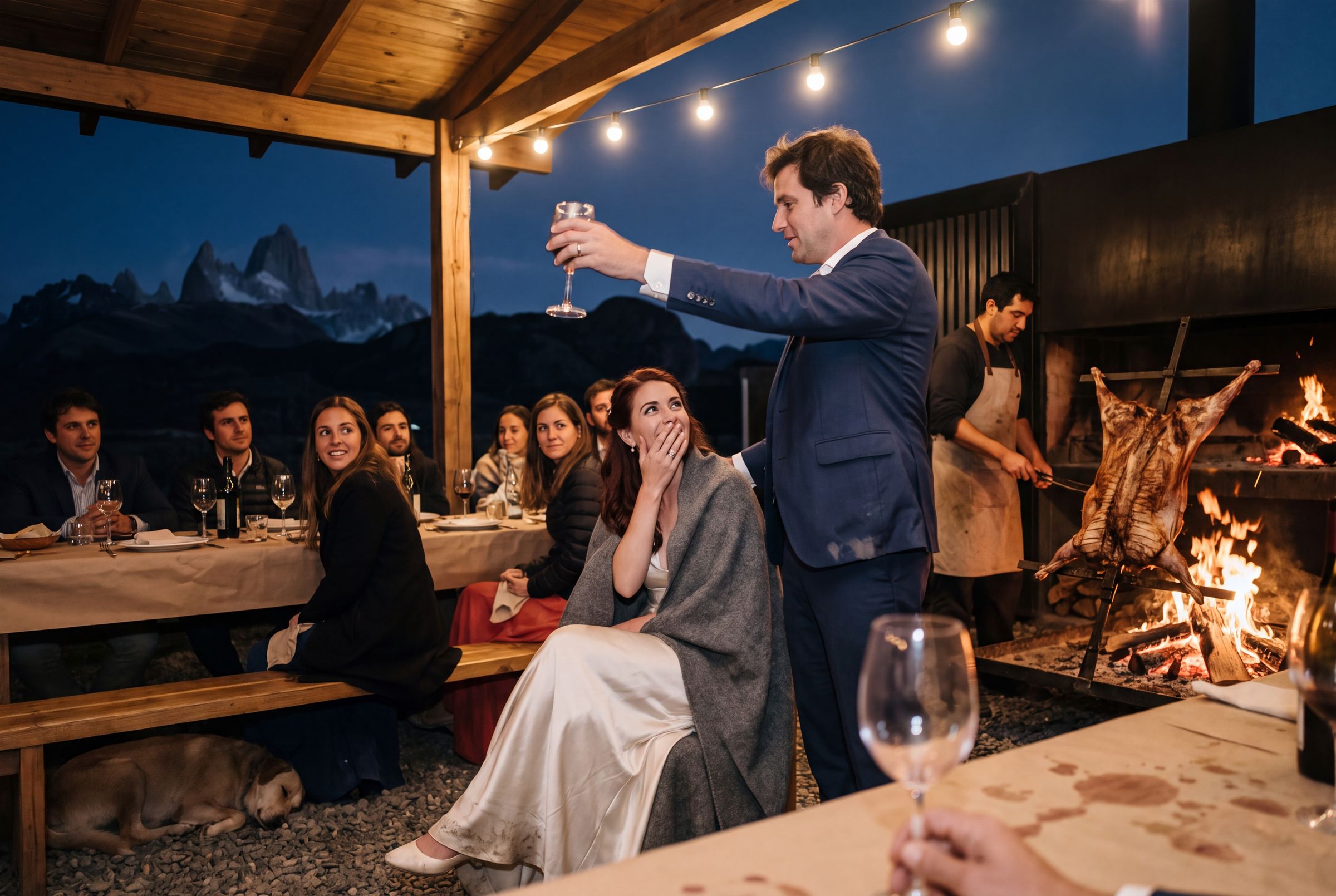
El Calafate has real hotel choice, including places at the top of the range, and it has restaurants that are open when you want them. It is comfortable in a way Chaltén simply is not equipped to be.
El Chaltén has a handful of good small places and they sell out. In the peak weeks, rooms in Chaltén are the binding constraint on the whole trip, well before my dates are.
In either town, I name the exact hotel and the arrival day and you book it directly. I do not book travel or rooms on anyone's behalf, because that requires an agency licence I do not hold.
Doing both, which is what I usually build
You fly into El Calafate anyway to reach El Chaltén, so the two are already on the same itinerary whether you planned it or not. The four day Curated Adventuremoon at $28,500 exists largely because of this: it weaves both towns into one journey rather than making you choose.
The shape that works best: the ice first, the granite second. Calafate is the easier arrival after two flights, the glacier day is low effort and high reward while you are still tired, and it leaves Chaltén and its weather windows for the back half of the trip when you have acclimatised and have days in hand.
The drive between them is three hours of open steppe on Ruta 40, and I treat it as a chapter rather than a transfer.
What each costs
El Chaltén runs $10,200 for Essential, $21,500 for Curated Signature and $28,500 for Curated Adventuremoon, in USD, with photography and film in every tier and an album with each.
El Calafate is not a separate line on the ladder. It is built into the El Chaltén itineraries and into the Adventuremoon, because in practice nobody flies to one without passing through the other. If you want a Calafate day only, tell me and I will price it against what the day actually contains rather than pointing you at a number that was designed for something else.
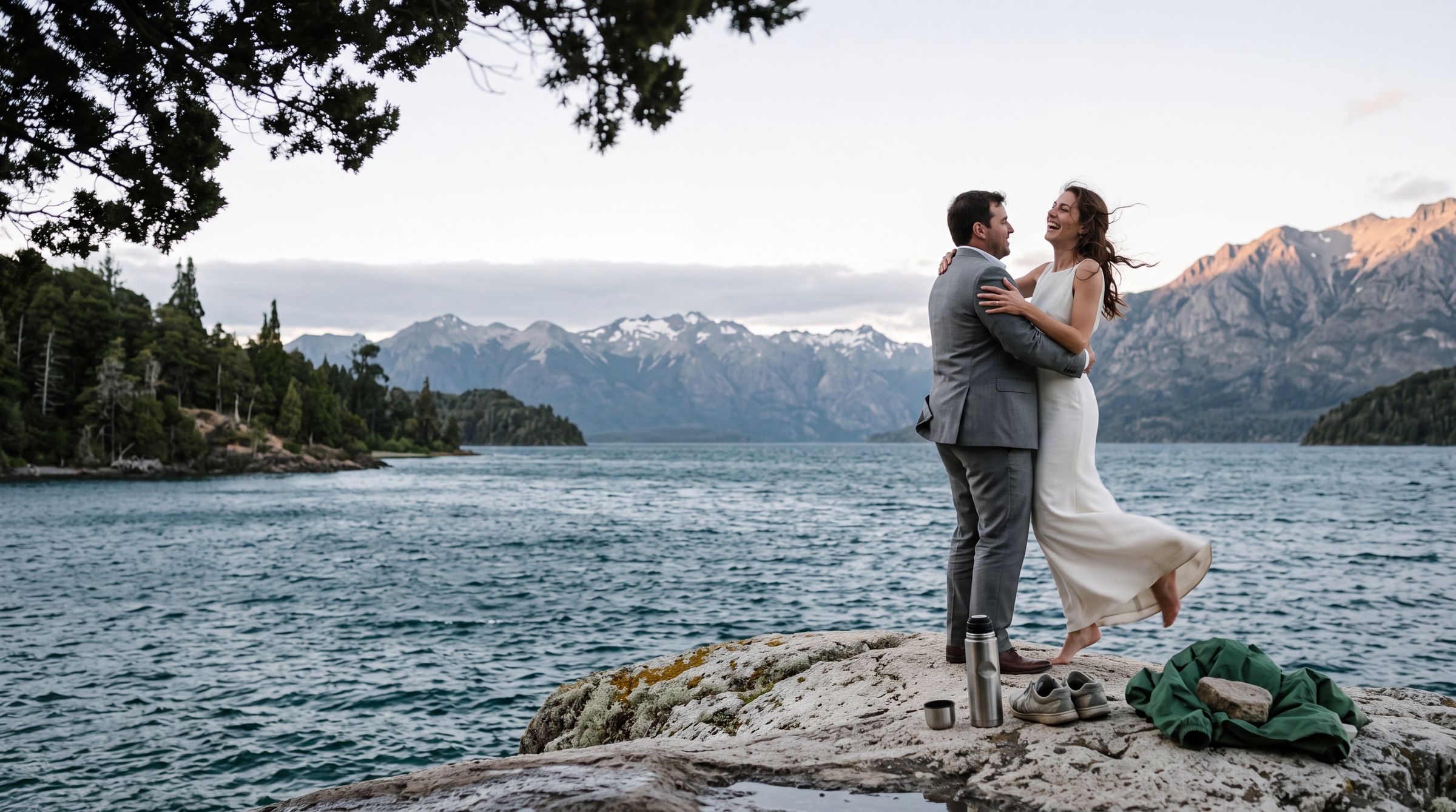
For the neighbouring option in the Argentine Lake District, Bariloche runs from $9,900, and the whole ladder is on the pricing page.
The legal position is identical in both
Neither town will give a visiting foreign couple a legally binding marriage, so this cannot be a tiebreaker. Argentina requires residency documentation and a civil registry appointment that is effectively closed to visitors, and Santa Cruz province is stricter than most.
Both towns get the same answer from me: a symbolic ceremony with a bilingual officiant who gives it real weight, and the legal filing done at home. If a binding ceremony on the day is non negotiable for you, Patagonia is the wrong continent and I will say so early.
Who should choose which
Choose El Chaltén if you want to walk, you can give the trip five days or more, and you would rather have an uncertain shot at something extraordinary than a certain shot at something merely very good.
Choose El Calafate if your trip is short, if anyone in your party has limited mobility, if certainty matters more than drama, or if the idea of leaving a warm room at four in the morning to stand in the cold is not appealing to you and never will be.
Choose both if you have the days, which most couples who come this far do. It is the itinerary I recommend most often and the one couples thank me for afterwards.
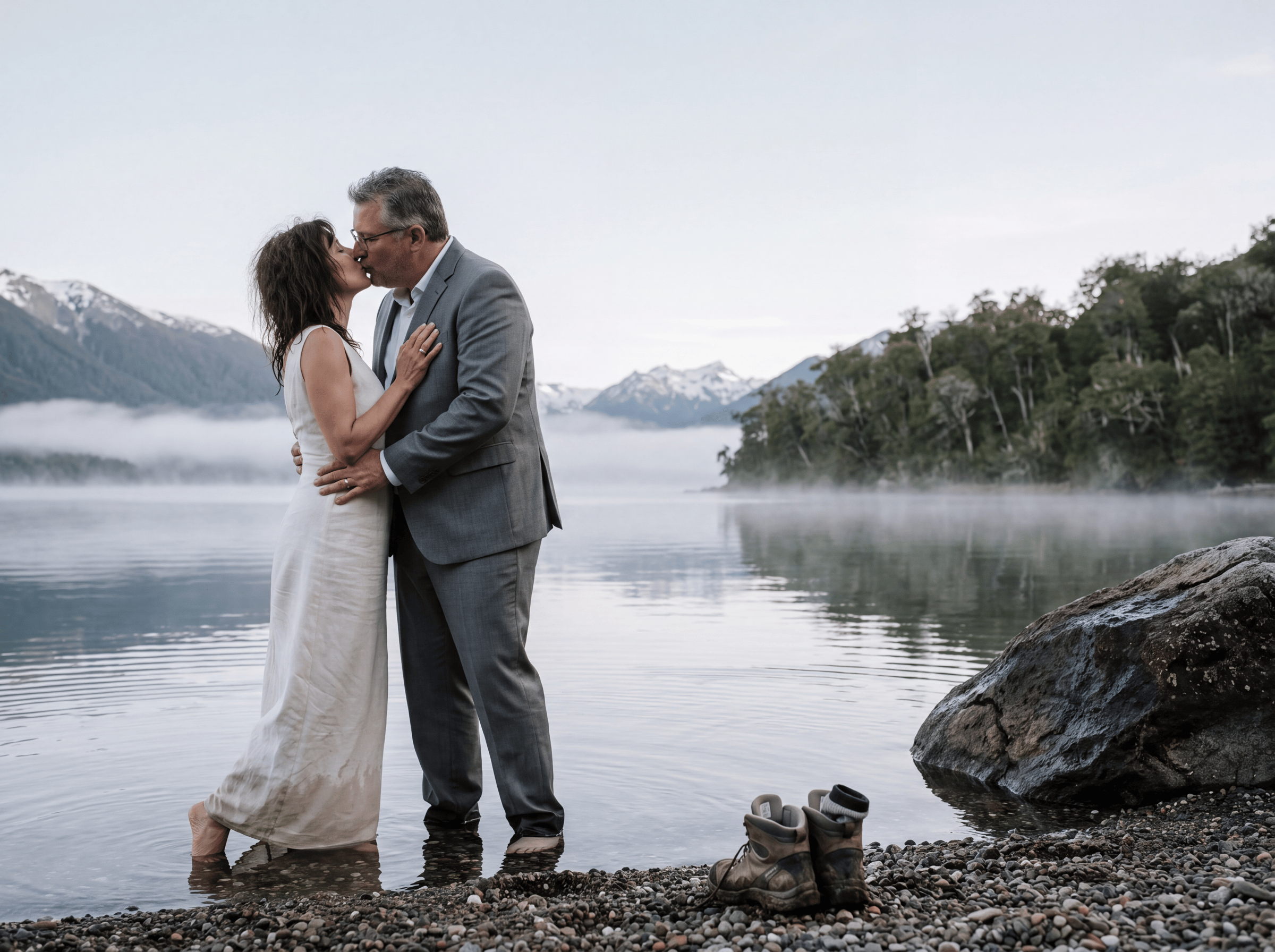
And if neither reads like you, the Lake District further north is greener, gentler and easier to reach. That comparison is written out here.
How to decide in one question
Ask yourselves whether you want the day to be an achievement or an encounter. El Chaltén is an achievement: you go up, you work for it, and the mountain either appears or it does not. El Calafate is an encounter: you arrive, and something enormous and ancient is simply there in front of you.
Both are real weddings. Neither is the compromise version of the other. Tell me which sentence you recognised yourselves in and I will build that day, right down to which hour you are standing where.
The El Chaltén page lays out the routes and the experiences in full. When you are ready, start the conversation.