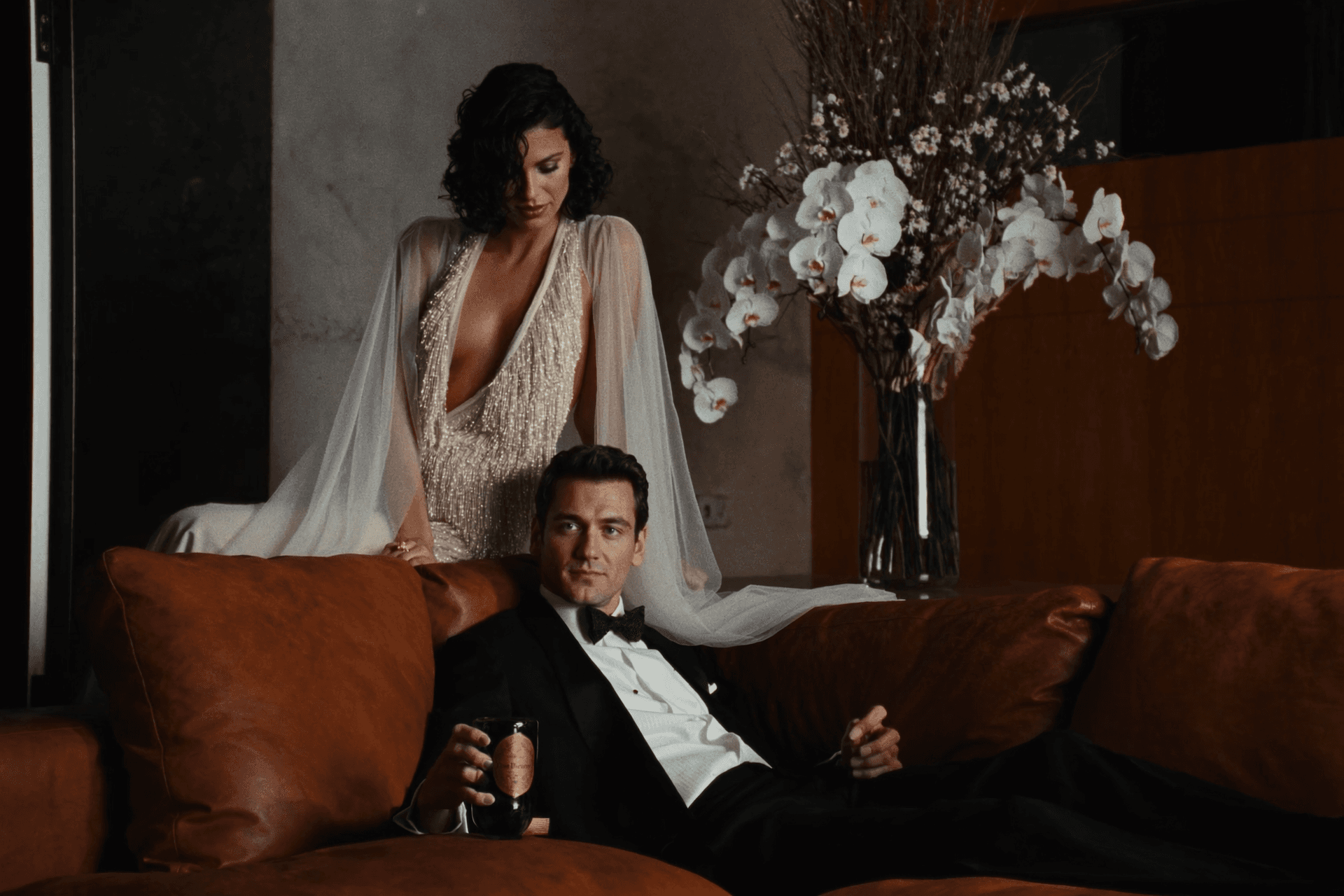
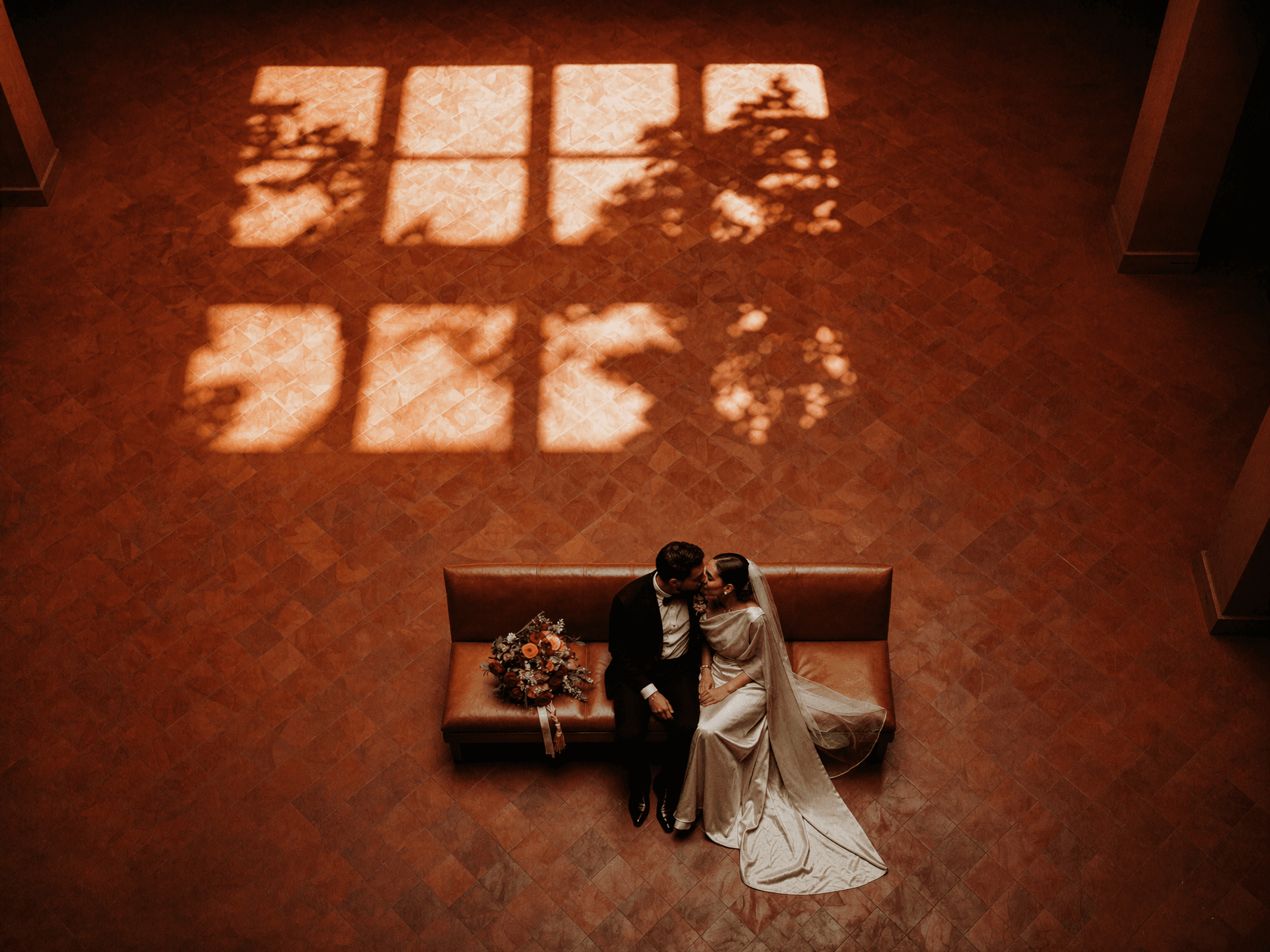
The full wedding is not going away in 2027. I want to be clear about this before anything else, because the growth of elopements and micro-weddings generates a narrative that the traditional ceremony is dying. It is not. What is changing is the format of the full wedding, the proportion of the budget allocated to different vendors, and the expectations couples bring to what a hundred-guest celebration should actually feel like. These changes are significant and they will be visible in 2027 in a way they have not been in previous years.
The Full Wedding Is Not Going Away
The $100 billion wedding industry reported by The Knot’s 2026 study is not an industry in decline. Weddings remain a milestone that the majority of couples who get married want to mark with a celebration. What has shifted is not the impulse to celebrate but the format the celebration takes. The full wedding in 2027 is not the full wedding of 2018. It is smaller in guest count, longer in duration, more experientially focused, and differently distributed in its budget allocation. But it is still a full wedding, with a guest list that includes family and friends who travel to be present, and a reception that extends beyond the ceremony itself.
The structural reason the full wedding persists is the social function it serves that neither elopements nor micro-weddings can replace entirely. For many couples, the guest list includes extended family whose presence at the marriage is important to the couple and to those family members in equal measure. Grandparents, parents, siblings from multiple family structures, childhood friends who live in different cities: these relationships create a social obligation that the couple weighs against the appeal of a smaller, more controlled celebration. When those relationships win the weighing, the full wedding is the format. And they win that weighing for a large percentage of couples in 2027.
The couples choosing full weddings in 2027 are making that choice with more deliberateness than previous generations did. They are not defaulting into a full wedding because it is what you do. They are choosing it because they want the specific experience of gathering the people they love in one place and celebrating together. This deliberateness changes what they expect from the celebration and from the vendors they hire. A full wedding couple in 2027 is not trying to approximate a picture they saw on Pinterest. They are trying to design an experience that reflects who they actually are, with a guest list they have thought carefully about, in a place that makes sense for them.

The Guest Count Has Settled at a New Number
Pre-COVID, the average North American wedding had between 130 and 175 guests. Post-COVID, that number dropped and has not returned to its pre-pandemic level. By 2026, the average full wedding is closer to 90 to 120 guests, and the trajectory into 2027 suggests further modest compression rather than rebound. This is not primarily a budget-driven change. It is a preference-driven change that reflects something couples learned during COVID: a smaller guest list produces a better experience for everyone present.
The guest list compression in full weddings has specific implications for how the day is structured. With 90 to 110 guests rather than 150, the formal cocktail hour can actually function as a social event rather than a cattle-call transition between ceremony and reception. The reception dinner can seat everyone at one long table or a small number of tables rather than spreading across a ballroom. The first dance is witnessed by everyone rather than a subset of people who happened to be near the dance floor. The toasts are heard rather than talked over. Scale reduction improves the quality of every moment in a full wedding, and the couples choosing 2027 full weddings understand this.
The implication for photographers is significant. At 100 guests rather than 175, I am covering a denser, more photographically manageable event. The family formal sequence is shorter. The reception is smaller and the light is easier to work in. The documentary coverage of guest reactions is more complete because I can see more of the room from any position. Full wedding photography in 2027 is a technically better exercise than it was in 2018, in part because the events themselves are better designed.

The Single Day Is Giving Way to Multi-Day Events
One of the clearest trends in the full wedding market heading into 2027 is the shift from a single-day celebration to a multi-day event structure. This mirrors the destination wedding format but is happening at local and regional levels as well. Couples are increasingly structuring their wedding around a Friday welcome dinner, a Saturday ceremony and reception, and a Sunday brunch that completes the celebration across three days rather than compressing everything into a single afternoon and evening.
The multi-day structure changes the social function of the wedding in ways that the single-day format cannot achieve. Guests who have travelled from other cities or countries arrive on Friday and have a genuine social event to attend rather than checking into a hotel and finding their own dinner. The welcome dinner is informal and allows people who do not know each other to be introduced before the ceremony the next day. By the time Saturday arrives, the guest community has already formed, and the ceremony and reception feel like a culmination rather than a beginning. Sunday brunch is the denouement: a relaxed, unpressured morning where the couple sees their guests in small groups rather than in the chaotic social context of a reception.
From a photography perspective, the multi-day wedding gives me what single-day events cannot: time. The Friday dinner is a documentary opportunity without ceremony pressure. Sunday brunch is a portrait opportunity without the schedule constraints of the wedding day. The gallery from a multi-day event covers a narrative arc that single-day coverage cannot. For couples who prioritise photography as a primary artefact of the celebration, the multi-day structure is significantly more photogenic than the compressed single day.
The destination wedding has been operating on this multi-day model for years, and it is now migrating into domestic full weddings. Couples holding weddings in Ontario wine country in Prince Edward County, in the Okanagan Valley around Kelowna, in the mountains around Banff and Canmore, or in Quebec City increasingly structure the event across three days rather than one. By 2027, the multi-day domestic wedding will be the norm for couples who are spending at or above the median wedding budget, not an exception reserved for large destination events.

Experience Replaces Production
The 2027 full wedding is spending its budget differently from the 2018 full wedding. Centrally: less on production, more on experience. Production means the things that look impressive in a venue: elaborate centrepieces, photobooth setups, monogrammed napkins, ice sculptures, extensive lighting rigs. Experience means the things that guests feel and remember: the food quality, the wine selection, the music that makes people dance without thinking about it, and the photographer who documents the moments that happen when nobody is performing.
This shift reflects a generational change in values and a specific learning from COVID. Couples who attended weddings during the early 2020s, when many celebrations were stripped of production elements due to restrictions, found that the reductions did not diminish the meaning of the celebration. What they remembered was being with the people they loved, the food they ate, the conversations they had. What they did not miss was the ice luge. The lesson has propagated through planning culture at a speed that is visible in the vendor market: florists and decorators report tighter budgets while caterers and photographers report increased demand and higher fees.
The experience focus also drives venue selection in 2027. Couples are choosing venues that are intrinsically beautiful rather than venues that require transformation to be photographable. A barn that has been a wedding venue for twenty years accumulates a visual fatigue that a stone winery, a heritage hotel, or a coastal property does not have in the same way. The venues gaining ground in 2027 are the ones that are already distinctive and do not require the couple to spend money making them look like something they are not.

What Couples Want From Their Photographer in 2027
The shift in full wedding aesthetics toward authenticity and documentary coverage over posed formal photography is not new in 2027, but it is more fully realised. Couples increasingly brief photographers with language around “not wanting to look like a wedding,” around “real moments,” around wanting photographs that show what the day actually felt like rather than what it was supposed to look like. This is a legitimate brief that requires a specific approach to execute well.
What it means in practice: less time spent on posed formal portraits, more time spent in documentary coverage of the ceremony and reception. The formal portrait session after the ceremony is not disappearing, but it is being compressed. Couples who would have spent ninety minutes in posed portraits in 2018 are allocating forty-five minutes in 2027, using the time saved to return to their guests sooner. The portraits that do happen are editorial and movement-based rather than static. The golden hour portrait, rather than a formal session, is the primary portrait moment.
The second shift in what couples want from photography in 2027 is a preference for a smaller gallery over a larger one. The problem-with-over-delivering conversation has reached mainstream couple culture. Couples in 2027 increasingly ask for curated galleries of 400 to 600 images rather than raw deliveries of 1,200 or more. They want the photographer to have made editorial decisions on their behalf, to have identified the 500 images that tell the story completely rather than delivering everything and leaving the curation to the couple. This is a change that benefits photographers who approach their work with editorial rigour and creates difficulty for photographers who compete on volume.

The Cities and Venues That Win in 2027
Across the markets I work in, certain venues and cities are positioned to gain disproportionate share of the full wedding market in 2027, and others are at a plateau or in slow decline. The common thread among the winners is distinctiveness: locations that offer something specific and unreplicable rather than a generic event space.
In Ontario, Prince Edward County continues to grow as a destination for full weddings with its combination of wine country, heritage properties, and rural Ontario character. The wineries and farms operating as wedding venues there have developed a specific identity that differentiates them from the generic ballroom market in Toronto. Muskoka cottage country retains its hold on the lakefront wedding market with its long history and distinctive property types. Niagara-on-the-Lake is steady, serving the wine-and-proximity-to-Toronto couple reliably.
In western Canada, the competition for the full wedding market is intense. Banff and Canmore dominate the mountain wedding category and will continue to in 2027, with demand exceeding venue supply and couples booking two to three years in advance. Kelowna in the Okanagan Valley is growing as an alternative for couples who want wine country without the mountain permit complexity. Tofino on Vancouver Island has developed a full wedding market alongside its elopement market, with a small number of venues offering a coastal Pacific character unavailable anywhere else in Canada.
In Quebec, the wedding market is centred on Montreal for urban couples and Quebec City for couples who want Old World European character within Canada. The Quebec City market is particularly interesting because it offers something that no other Canadian city can: UNESCO heritage streets, castle architecture, and a seasonal variation (winter blue hour, summer warmth, fall foliage) that creates genuinely different aesthetics by season. Montreal offers a European urban character in a North American context that is unique in the continent.
For couples choosing Colombian or Mexican destinations for full weddings, the landscape is more specific. Cartagena works at the boutique level: a villa in the walled city or a property in Getsemani, with a hundred guests who have flown in from across North America. The logistics are real but the result is a full wedding that no Canadian or American city can produce. Tulum for full weddings is best at mid-scale: the cenote and jungle venues accommodate 80 to 150 guests with an aesthetic that is specific to the Yucatán and has not yet been fully replicated elsewhere.
The Elopement-Adjacent Full Wedding
One of the more interesting format experiments in the 2027 full wedding market is what I am calling the elopement-adjacent full wedding: a ceremony with 100 or more guests that has been designed to feel intimate. The couple arrives at the ceremony site before the guests, takes fifteen minutes in private with the photographer, and treats the ceremony as a genuine moment rather than a performance. The cocktail hour is structured as a garden party rather than a staged transition. The reception is at tables of eight rather than tables of twelve, arranged for conversation rather than spectacle. The first dance is in the middle of the room rather than on a dedicated dance floor with a spotlight. Nothing about the format is elopement-scale. But everything about the intention is.
This design approach is gaining traction among couples who want the guest community of a full wedding but reject the theatrical conventions that full weddings have accumulated over decades. They are essentially applying elopement values, presence, authenticity, minimised performance, to a full guest list. The result is a full wedding that photographs like a documentary rather than like a production. The candid photographs of guests who are genuinely present, of a couple who are not performing happiness for an audience, of a reception that feels like a dinner party rather than an event: these are the photographs that circulate and influence future couples toward the same format.
As a photographer, the elopement-adjacent full wedding is my favourite kind of full wedding to document. The couple has already rejected the conventions that make ceremony photography predictable. They are open to me moving freely through the space, working without a formal shot list, following the emotional logic of the day rather than a schedule. The photographs that come from these events are the strongest full-wedding work in my portfolio, and the couples who plan them are the couples whose photographs most often show up in the planning research of future clients.

Destination Wedding Photographer
Vancouver · Medellín · Worldwide