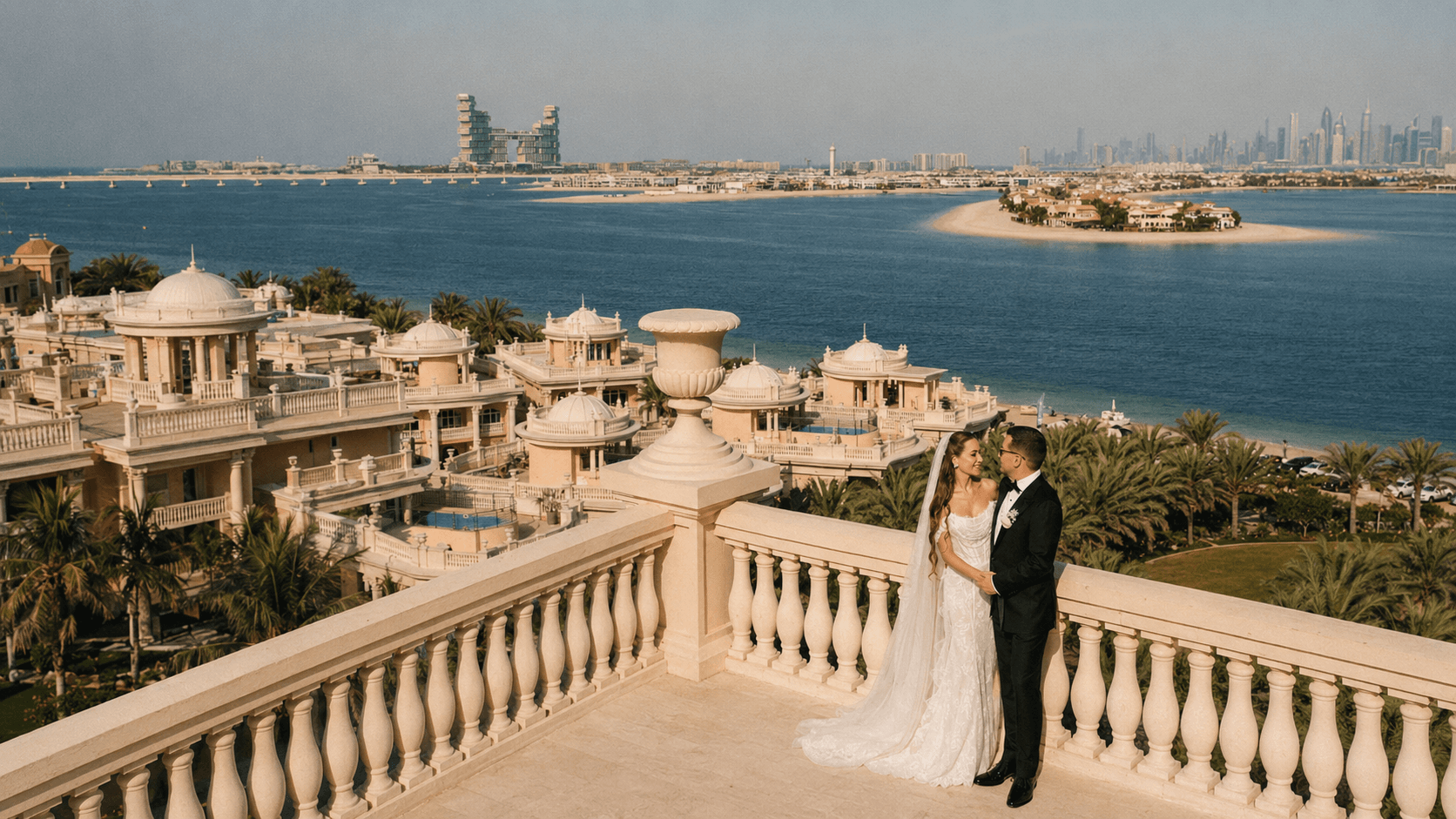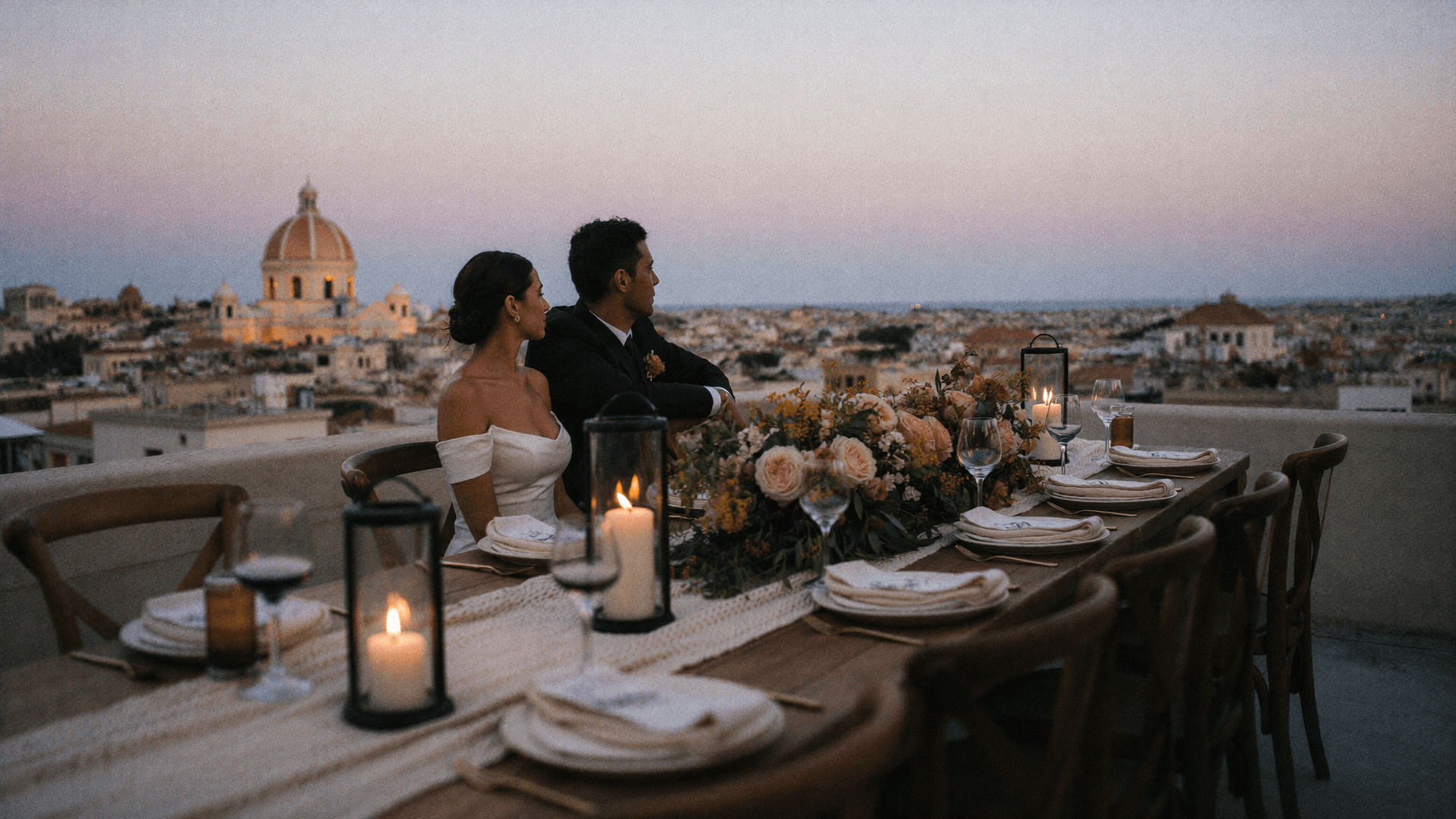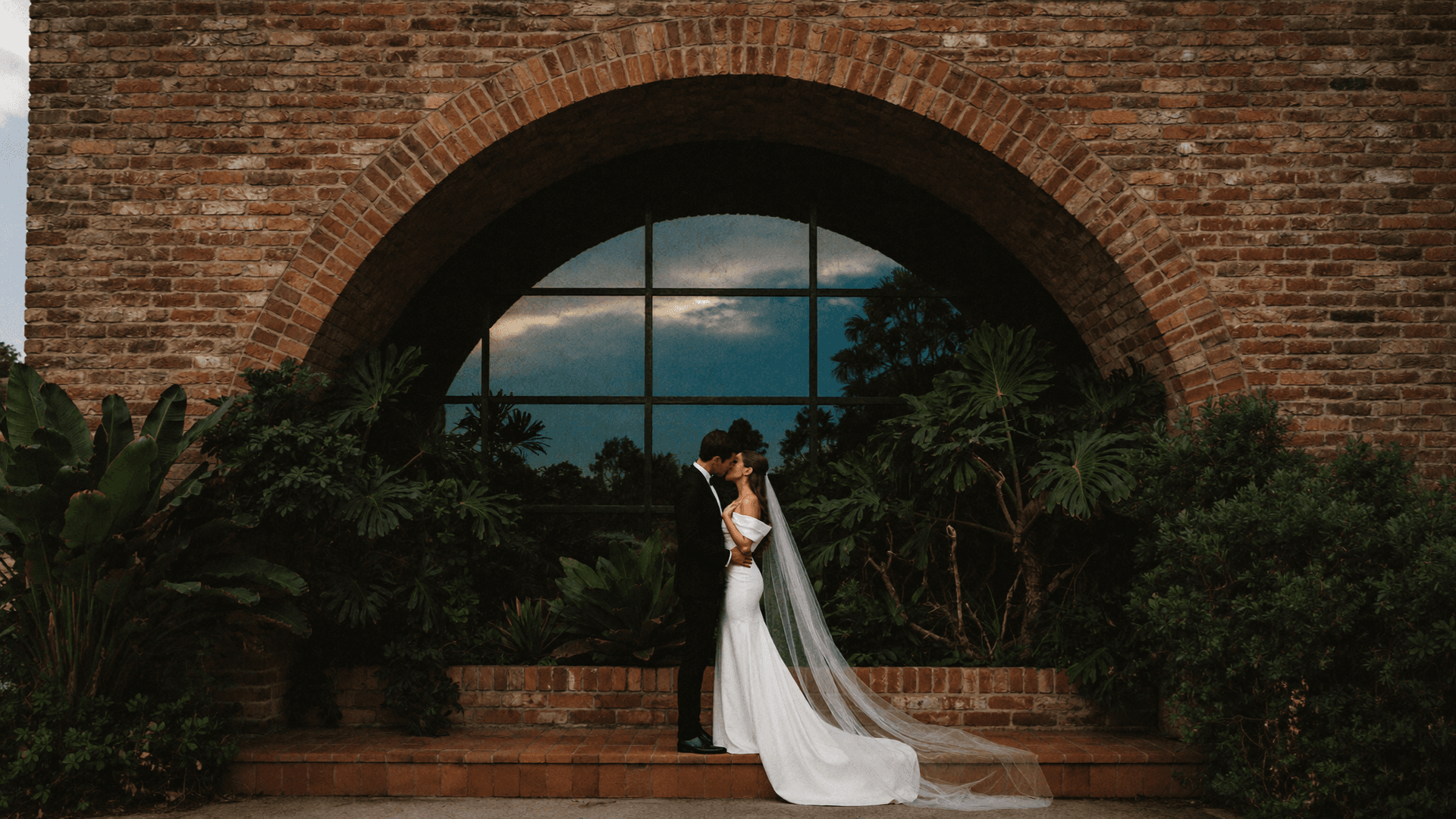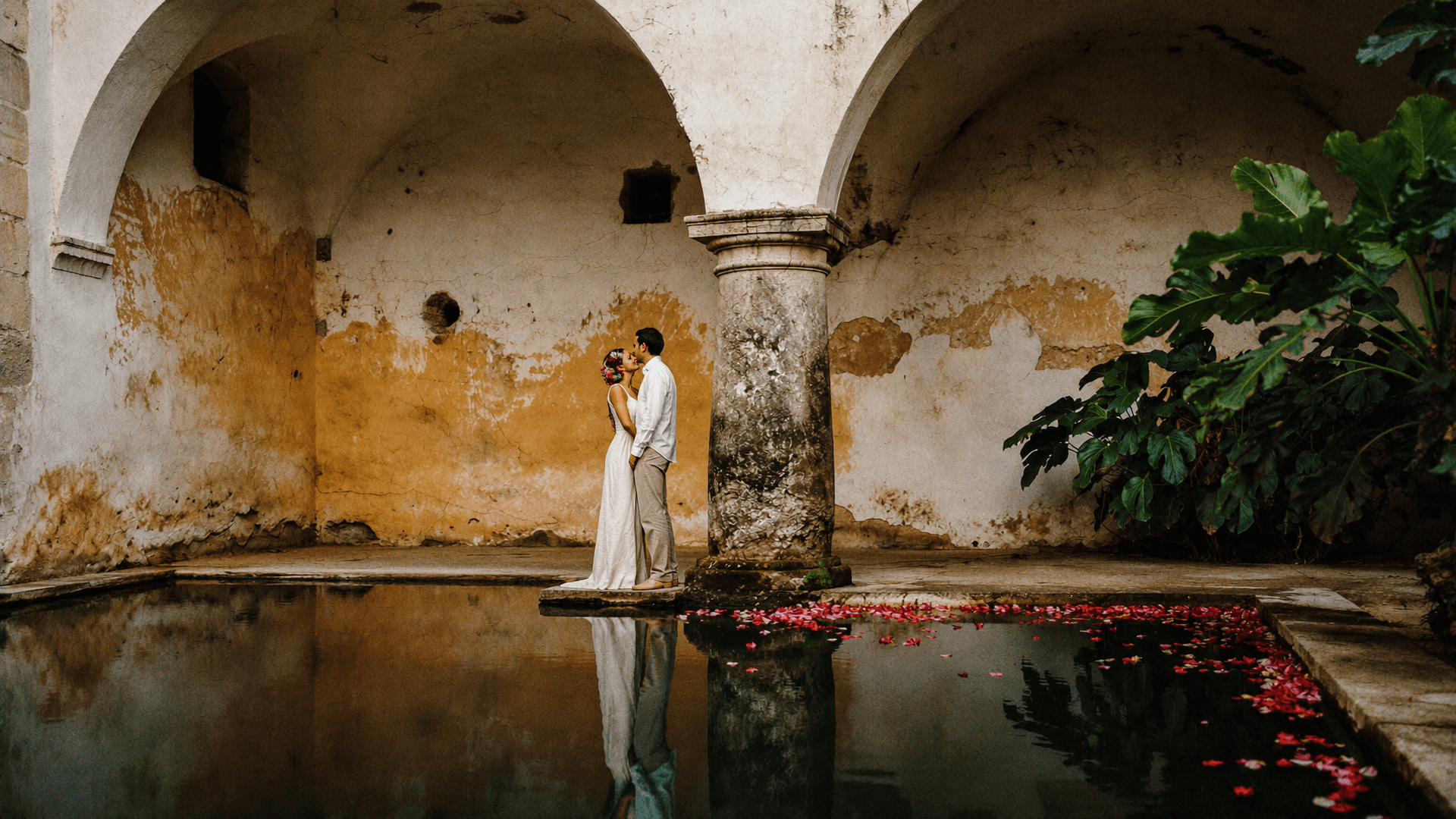
I have shot extensively across South America and I am based in MedellÃn by choice. So when couples ask me to compare the cities, I speak from direct experience rather than mood board research. Here is what each city actually gives you.

Cartagena: Old-World Color and Caribbean Light
Cartagena's Walled City is visually dense in a way that no other city in the Americas replicates. Every turn reveals a new composition: a bougainvillea-draped balcony, a courtyard with an ancient ceiba tree, a colonial mansion converted to a boutique hotel with deep-colored tile floors and interior gardens. The Caribbean light here is warm, lateral, and consistent at golden hour in a way that makes portraits almost effortless. The visual character is unmistakably Cartagena, you cannot make these images anywhere else, which is exactly what makes it valuable as a destination.

MedellÃn: Mountain Light and Intimate Haciendas
I chose MedellÃn because of the light. The Valle de Aburrá sits at 1,500 meters between Andean ridges, and the quality of the late-afternoon illumination in this bowl is unlike anything I have found in comparable destinations. The surrounding haciendas, working estates with colonial architecture, coffee fields, flower farms, and mountain backdrop, offer a scale and visual richness that destination elopement venues in other countries charge three times as much to provide. MedellÃn is where I make the images I am proudest of.
Buenos Aires: European Architecture, Latin Soul
Buenos Aires photographs like a parallel version of Paris: the same Haussmannian scale, the same Belle Époque ornament, the same boulevard proportions, but with Latin energy in the streets, extraordinary food culture, and a nightlife atmosphere that gives reception images a specific vitality. Palermo's tree-lined streets in autumn (March through May), Recoleta's mausoleum district, San Telmo's cobblestone intimacy, each neighbourhood is a distinct visual vocabulary within the same city.

Rio de Janeiro: Geography as Drama
Rio's landscapes are so dramatically positioned that even mediocre photography looks extraordinary against them. Sugarloaf and the city from above. The Christ figure at dawn before the crowds. The coastline from Santa Teresa. The bay at blue hour. Rio requires more logistical planning than other South American cities, and experienced local guidance, but the photographic rewards are commensurate with the investment.

Mendoza: Wine Country and the Andes
Mendoza's appeal is the combination of wine estate culture and Andean scale. The views of the Andes from the vineyard terraces are the kind of backdrop that makes couples understand immediately why they chose this place. Long-table harvest dinners under vine rows. Golden afternoon light across the estate. The Andes at dusk. Mendoza photographs with a warmth and luxury that rivals the best European wine country destinations, at significantly more accessible prices.

The Common Thread
All five cities offer what the best destination elopement locations provide: a visual environment so specific to place that the images could not have been made anywhere else. That specificity is the most valuable quality a destination elopement photograph can have. And South America has it in abundance.
What I Tell Every Couple Before a your destination Elopement
Every your destination elopement I photograph begins with a conversation that covers more than logistics. The logistical questions, timing, location, permit, vendor coordination, have answers that can be researched and confirmed in advance. The questions that require a conversation are the ones about what the couple actually wants from the day: whether the ceremony should be formal or informal, whether they want photographs that look specifically like your destination or photographs that could have been made anywhere beautiful, how they feel about direction during portrait sessions versus documentary coverage, and how much time they want to give the photographer versus how much they want to spend simply being in the place together.
The answers to these questions change what I plan for, how I shoot, and what the final gallery looks like. A couple who wants the photography to be invisible and the day to feel like a private ceremony that happened to be documented will have a different experience, and a different gallery, than a couple who wants to allocate time to specific portrait setups at each key location. Both are valid approaches. The planning conversation is what makes it possible to deliver the right one rather than the default one. I ask these questions early in the planning process specifically because the answers shape decisions that are easier to make before the date is confirmed than on the morning itself.

The One Thing That Makes the Most Difference
Of all the planning decisions that affect the quality of a your destination elopement gallery, the one that matters most is the time of the ceremony relative to the light. This is not a complicated calculation. At your destination, the best light for photography exists in a window of approximately two hours after sunrise and two hours before sunset. The ceremony and the main portrait session that follows should happen within or adjacent to one of those windows. Everything else, the specific location choice within your destination, the clothing, the number of guests, the ceremony format, has a smaller effect on the photographs than whether the couple is in good light or in the flat midday light that most of the day at any destination produces.
The couples who prioritise the early morning start or the golden hour end-of-day session consistently produce stronger galleries than the couples who choose their timing based on when it is most convenient or when the ceremony venue has availability. Convenience and photographic quality frequently conflict, and at your destination specifically, the difference between a 7am ceremony in the golden light and an 11am ceremony in the harsh midday sun is visible in every photograph the day produces. The planning decision that I advocate for most consistently, at your destination and at every other destination I photograph, is the decision to build the session around the light rather than around everything else.

Making the Most of the your destination Context
Every destination has a specific context that is worth using deliberately rather than treating as background. At your destination, that context is the combination of light quality, natural or architectural setting, and the particular atmosphere of the place at different times of day. The sessions that use this context most effectively are the ones where the couple has spent time at your destination before the ceremony day: walking the neighbourhood, sitting at a viewpoint, becoming familiar with the place at different hours so that on the ceremony morning it is somewhere they know rather than somewhere they are experiencing for the first time under the pressure of the session schedule.
I recommend arriving at your destination at least one full day before the ceremony date for this reason. The first day is for orientation: finding the route to the ceremony site, having a meal at a restaurant they want to return to that evening, walking through the area without a camera or a schedule. The second day is the ceremony day, and the familiarity accumulated on the first day shows in how the couple moves through the space and how present they are during the session rather than navigating it as strangers. The photographs from a couple who knows the place, even slightly, are different from the photographs of a couple experiencing it for the first time.
Making the Most of the your destination Context
Every destination has a specific context that is worth using deliberately rather than treating as background. At your destination, that context is the combination of light quality, natural or architectural setting, and the particular atmosphere of the place at different times of day. The sessions that use this context most effectively are the ones where the couple has spent time at your destination before the ceremony day: walking the neighbourhood, sitting at a viewpoint, becoming familiar with the place at different hours so that on the ceremony morning it is somewhere they know rather than somewhere they are experiencing for the first time under the pressure of the session schedule.
I recommend arriving at your destination at least one full day before the ceremony date for this reason. The first day is for orientation: finding the route to the ceremony site, having a meal at a restaurant they want to return to that evening, walking through the area without a camera or a schedule. The second day is the ceremony day, and the familiarity accumulated on the first day shows in how the couple moves through the space and how present they are during the session rather than navigating it as strangers. The photographs from a couple who knows the place, even slightly, are different from the photographs of a couple experiencing it for the first time.
Destination Wedding Photographer
Vancouver · Medellín · Worldwide