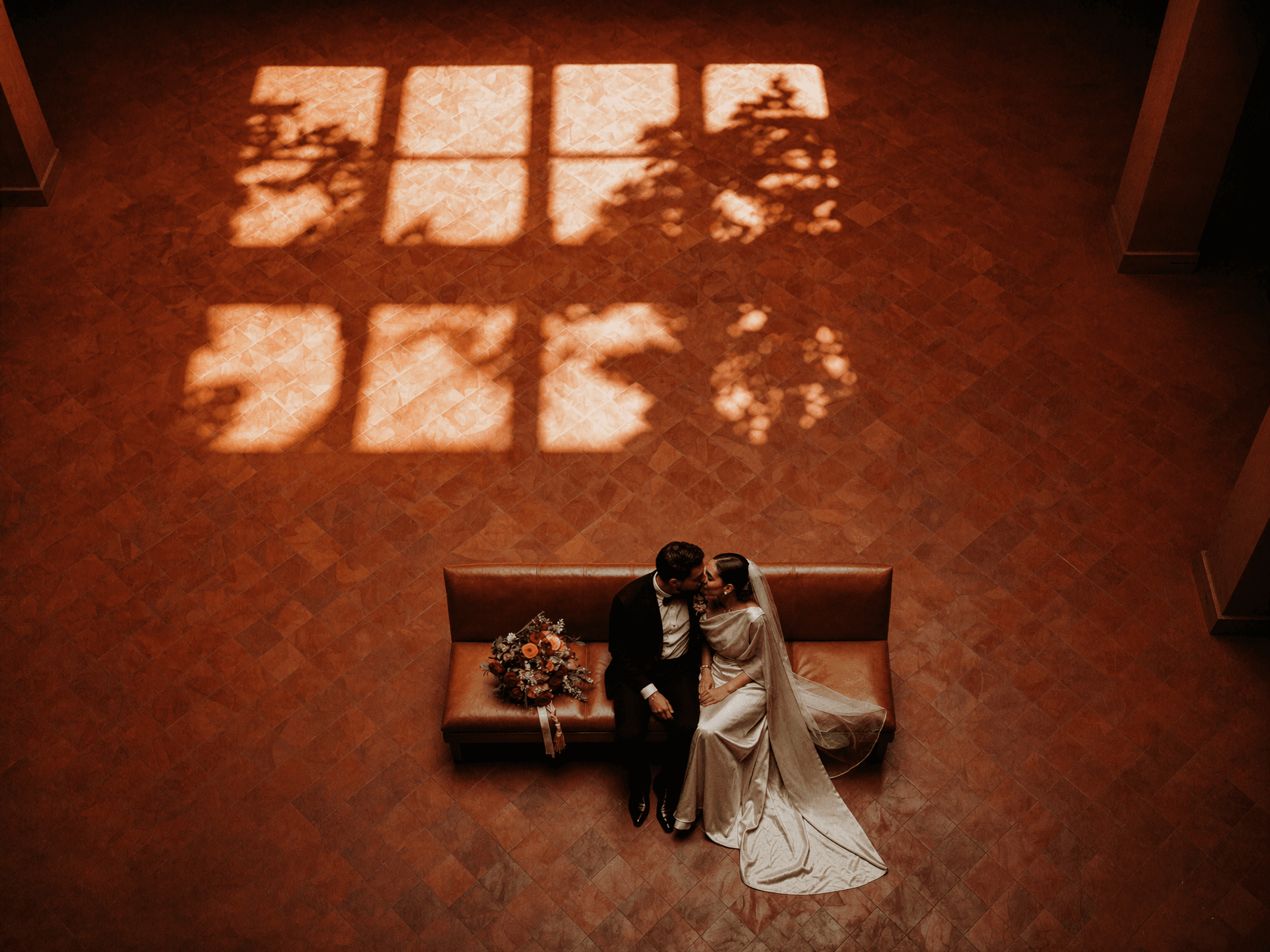
The sunrise schedule in Banff varies by season but the principle does not: being in position before the sun crests the mountain peaks is the only way to get the specific quality of light that makes the Canadian Rockies photographically extraordinary. In midsummer that means arriving at locations like the Vermilion Lakes or the Bow River corridor by 5am. In winter the sun rises later but the cold and the snow transform the low-angle light into something else entirely. I have photographed Banff sunrises across every month of the year. The couples I pull out of bed at 4:45am have, without exception, told me afterward that it was the best decision of the trip.

What Sunrise in Banff Actually Looks Like
The specific quality of Banff sunrise is a function of mountain geometry. The peaks to the east of the Bow Valley block direct sunlight until the sun physically clears them, which happens 45 to 90 minutes after the astronomical sunrise depending on the season and the specific peaks in the way. The light that arrives when the sun clears the ridge is direct, warm, and low-angle: it hits the far peaks from one side, casts long shadows across the valley floor, and catches moisture in the mountain air in a way that produces a haze-warmth quality specific to mountain mornings. This is not the gradual flat brightening of a plains sunrise. It is specific, compressed, and cinematic, and it closes within 40 minutes of opening.
The blue hour before the sun crests the peaks is photographically valuable in its own right. The deep blue-violet sky against the silhouetted mountain ridgeline, the reflections in the still lakes before the wind picks up, and the quiet of the valley before any other visitors arrive give compositions that are not available at any other time of day. I photograph the blue hour for its own sake, not as a waiting period before the real light arrives.

The Locations That Work Best at Sunrise
The Vermilion Lakes are three connected marshes on the Bow River floodplain west of Banff townsite. The view from the first lake looking east toward Mount Rundle is the reflection shot that appears in more Banff photography than any other single composition. The practical advantage: 10 minutes from the Banff townsite by car, accessible year-round, no permit required for the public viewing area. In summer the reflection of Mount Rundle in still morning water is the frame. In winter the frozen lake gives a different foreground: the ice surface with frost patterns, the snow-covered reeds at the lake edge, the same mountains above.
For couples who want elevation rather than a valley lake reflection, the lower switchbacks of the Banff Gondola road give a position above the townsite looking west into the mountains. This requires the gondola to not be running, which is true before 8am, and a short hike to the position. The resulting images have the townsite visible far below, the Bow Valley extending behind the couple, and the sunrise light hitting from the opposite direction: the peaks to the west glow as the sun rises from the east behind us. I use this position for sessions where the couple wants the Banff townsite visible in the frame.

What Happens in the Two Hours Before Sun
I ask couples to be ready and in the car by 4:45am. We drive to the location before dawn and set up in the blue hour. By the time the sun crests the peaks, the couple has already been outside for 45 minutes and is comfortable in the environment, with the cold if it is winter, with the location, and with each other in front of the camera. The energy at the moment of sunrise is natural rather than performed. The couple is not self-conscious because they have been out long enough that self-consciousness has passed. The photographs taken in that state look different from photographs taken in the first ten minutes of a session.

The Early Start and What It Actually Costs
The main cost of a 5am start is sleep. I prepare couples for this practically: have breakfast food ready the night before, lay out attire and warm layers the evening before, confirm transportation the night before. The other cost is cold: Banff at 5am in July is 5 to 8 degrees Celsius. In October it is often below zero. I carry hand warmers and the couples who come properly prepared have universally said the experience was worth every cold degree and every skipped hour of sleep. Not as a polite thing to say: as a genuine statement about what it means to be in a mountain valley in that light before anyone else arrives.
Destination Wedding Photographer
Vancouver · Medellín · Worldwide