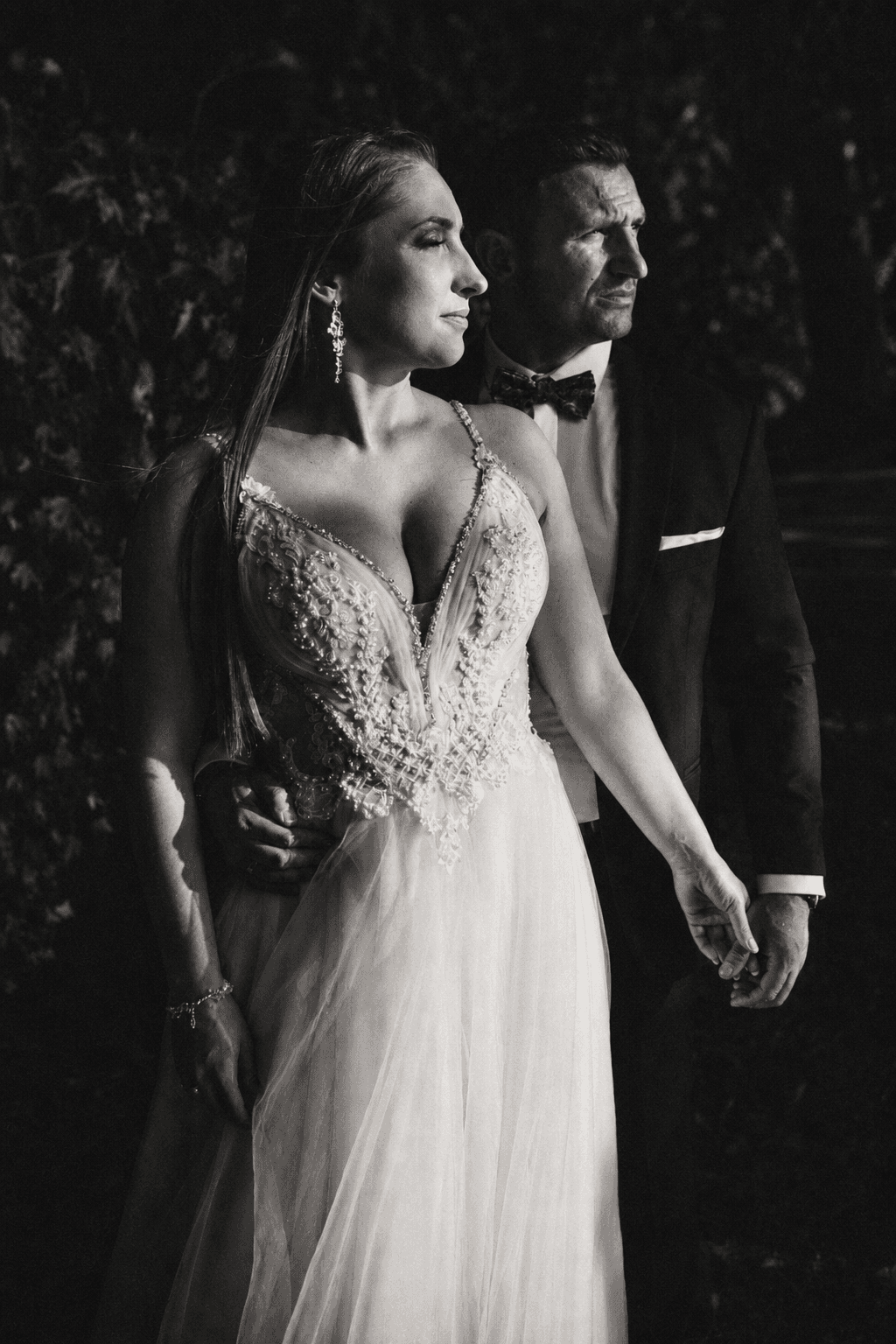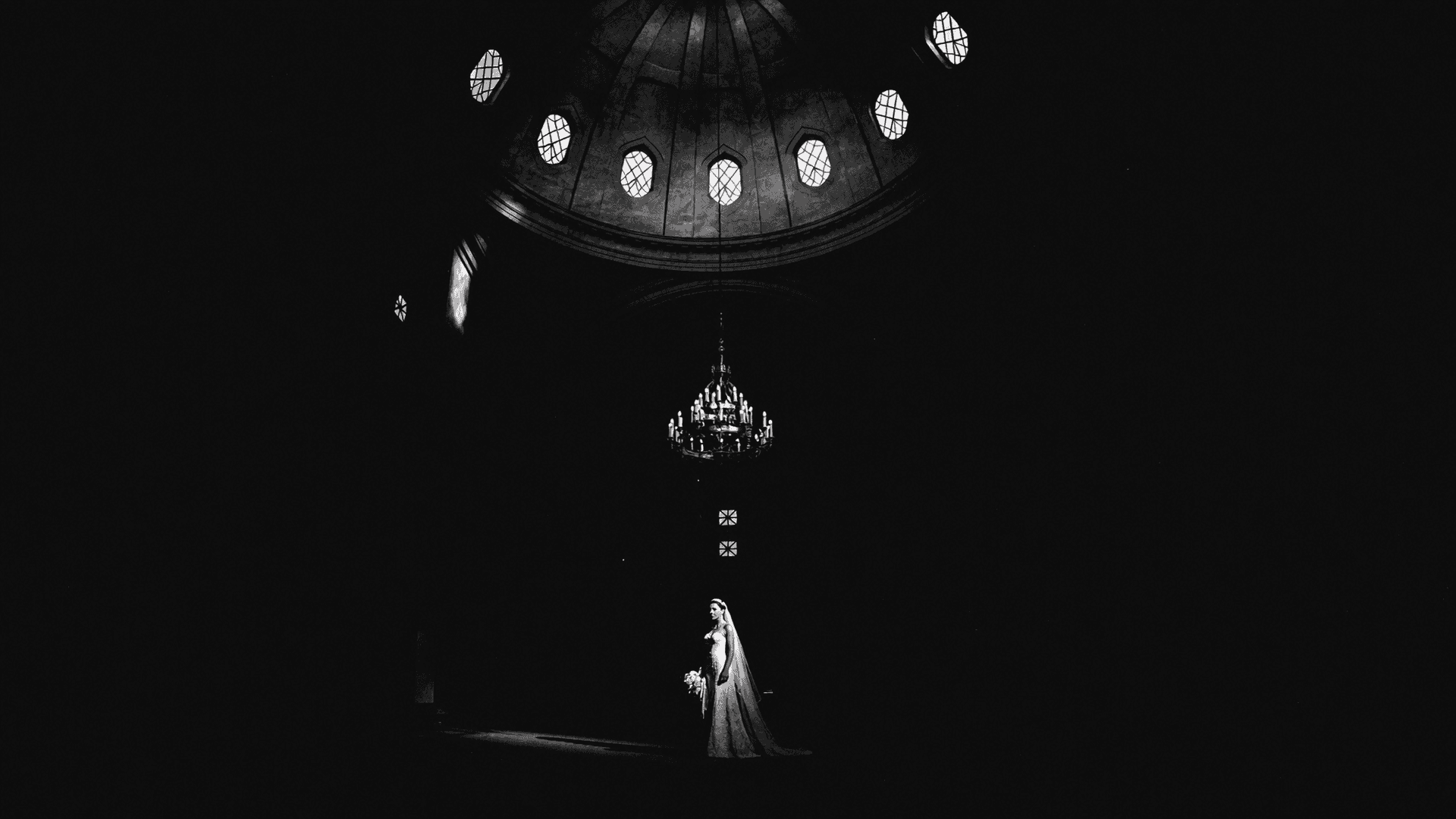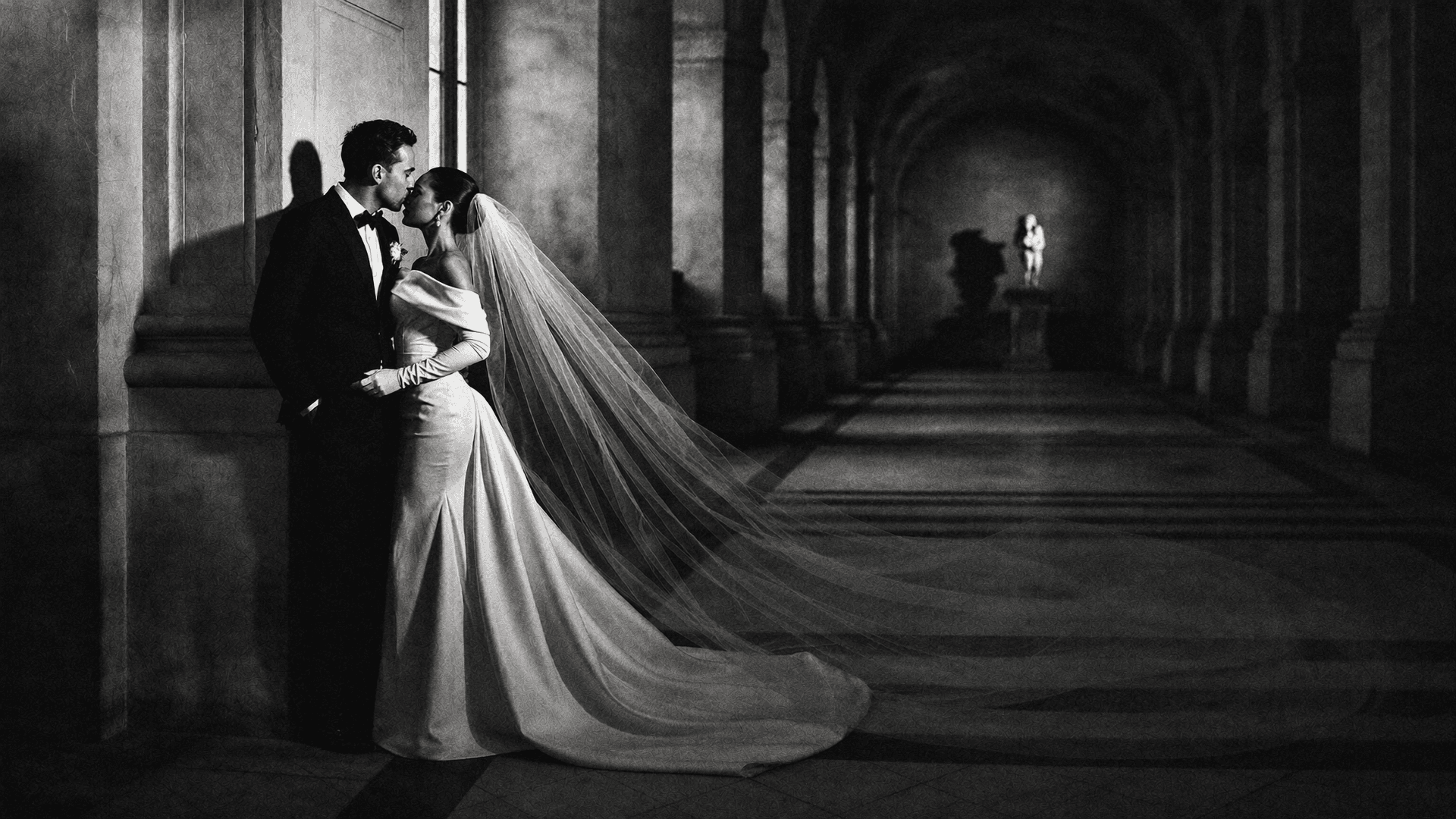
Documentary elopement photography, also called photojournalistic or candid elopement photography, means covering your day the way a skilled journalist would cover a story: by being present, being patient, and letting the moments happen rather than manufacturing them. In 2026, it is the most-requested style in elopement photography inquiries worldwide, and it has been trending that direction for several years.
But "documentary" is also one of the most overused words in photographer bios. Every photographer says they shoot "a mix of candid and posed." What that actually means in practice varies enormously. Here is how to read it correctly.
What Documentary Coverage Actually Looks Like
A true documentary approach means the photographer spends the majority of the day observing, not directing. They position themselves to anticipate moments, move quietly through the space, and make photographs of things that are genuinely happening rather than things they have arranged. The result is a gallery that reads like a film: sequential, emotional, and full of details and faces your posed photos would never capture.
The images that make people cry when they look at their galleries ten years later are almost always documentary images. Not the portraits. Not the tableaux. The photo of your grandmother watching you walk down the aisle. Your best friend's face during the speech. The moment before the first kiss when everything is still suspended.
Why It Feels More Timeless
Posing styles date. Preset looks date. The particular way photographers were directing couples in 2019 is already visible as "a 2019 elopement." Genuine documentary images, by contrast, are anchored to the people and the emotion rather than to a visual trend. They age the way great journalism ages: because they are records of something that actually happened, not constructions of something that looked good at the time.
How to Know If Your Photographer Actually Does It
Ask to see a full gallery from an elopement with similar conditions to yours. Look at how much of the gallery is unposed. Look at the coverage of the ceremony, are people's faces visible? Are there images of guests during emotional moments? Look at the getting-ready coverage, is it staged product photography of details, or actual moments of people interacting?
The ratio of observational to directed images in a full gallery will tell you everything about how a photographer actually works, more honestly than any artist statement will.
It Works Best With Some Editorial Structure
The best photographers in 2026 are not purists. They offer documentary coverage as the primary mode and layer in intentional portraiture, a deliberate portrait session, usually at golden hour, where the images are built rather than found. That combination gives you the emotional coverage you will return to for decades and the polished portraits you will frame.
Documentary elopement photography is not a lesser version of the posed approach. It is the harder version, it requires anticipation, patience, and a photographer who is genuinely present rather than managing a shot list. When it works, nothing else compares.
Why This Matters More Than Most Couples Realise
The question of what documentary elopement photography actually means sits at an intersection that the elopement industry does not always make visible: the gap between what an elopement or elopement is supposed to look like and what it actually feels like to the people in it. The photographs produced in that gap, between the performed version and the genuine version of the same day, are consistently the ones couples return to most often in the years after the event. The images that show what was actually true about the morning rather than what was staged for the camera are the ones that hold meaning over time, because they contain real information about who the couple was on that specific day rather than a record of how well they executed a visual template.
The specific relevance of what documentary elopement photography actually means to elopement and elopement photography is that it forces a choice between two approaches that cannot be fully reconciled: the approach that optimises for how things look in the moment and the approach that optimises for what the photographs will mean over time. These approaches are not always in conflict, but when they are, the couples who have thought about the difference in advance make better decisions than the couples who discover the conflict on the day. Thinking about what documentary elopement photography actually means before you plan your session is not overthinking. It is the kind of preparation that allows the session itself to be genuinely spontaneous rather than spontaneous-looking.

How I Apply This in the Sessions I Photograph
The practical implications of what documentary elopement photography actually means for how I work are specific: I spend less time directing couples into positions and more time watching what happens when they are not being directed. I build the session structure around the moments that occur naturally at each location, the walk between ceremony and portrait location, the quiet before the ceremony begins, the unrehearsed interaction between the couple during the fifteen minutes after the ceremony ends, rather than filling every moment with scripted activity. The most consistent predictor of a strong elopement gallery is not the quality of the locations or the light, though both matter. It is the degree to which the couple is genuinely present rather than performing presence.
The sessions that produce the work I am most proud of are the ones where the couple has thought about why they are there, what the ceremony means to them specifically, and what they want the photographs to show about who they were on that day. These are the sessions where I am not the most important person in the room. The couple is the most important person in the room, and my job is to be invisible enough that what they are doing is fully visible. what documentary elopement photography actually means understood in advance is what creates the conditions for that kind of photography rather than making it a matter of luck when it occasionally happens.
Making the Most of the your destination Context
Every destination has a specific context that is worth using deliberately rather than treating as background. At your destination, that context is the combination of light quality, natural or architectural setting, and the particular atmosphere of the place at different times of day. The sessions that use this context most effectively are the ones where the couple has spent time at your destination before the ceremony day: walking the neighbourhood, sitting at a viewpoint, becoming familiar with the place at different hours so that on the ceremony morning it is somewhere they know rather than somewhere they are experiencing for the first time under the pressure of the session schedule.
I recommend arriving at your destination at least one full day before the ceremony date for this reason. The first day is for orientation: finding the route to the ceremony site, having a meal at a restaurant they want to return to that evening, walking through the area without a camera or a schedule. The second day is the ceremony day, and the familiarity accumulated on the first day shows in how the couple moves through the space and how present they are during the session rather than navigating it as strangers. The photographs from a couple who knows the place, even slightly, are different from the photographs of a couple experiencing it for the first time.
Making the Most of the your destination Context
Every destination has a specific context that is worth using deliberately rather than treating as background. At your destination, that context is the combination of light quality, natural or architectural setting, and the particular atmosphere of the place at different times of day. The sessions that use this context most effectively are the ones where the couple has spent time at your destination before the ceremony day: walking the neighbourhood, sitting at a viewpoint, becoming familiar with the place at different hours so that on the ceremony morning it is somewhere they know rather than somewhere they are experiencing for the first time under the pressure of the session schedule.
I recommend arriving at your destination at least one full day before the ceremony date for this reason. The first day is for orientation: finding the route to the ceremony site, having a meal at a restaurant they want to return to that evening, walking through the area without a camera or a schedule. The second day is the ceremony day, and the familiarity accumulated on the first day shows in how the couple moves through the space and how present they are during the session rather than navigating it as strangers. The photographs from a couple who knows the place, even slightly, are different from the photographs of a couple experiencing it for the first time.
Destination Wedding Photographer
Vancouver · Medellín · Worldwide