If you have spent time researching elopement photographers in 2026, you have seen both words used constantly: editorial and documentary. They appear in bio after bio, often in the same sentence. But they describe fundamentally different ways of working, and choosing a photographer without understanding the difference means you may end up with a gallery that does not match what you imagined.
What Editorial Elopement Photography Actually Means
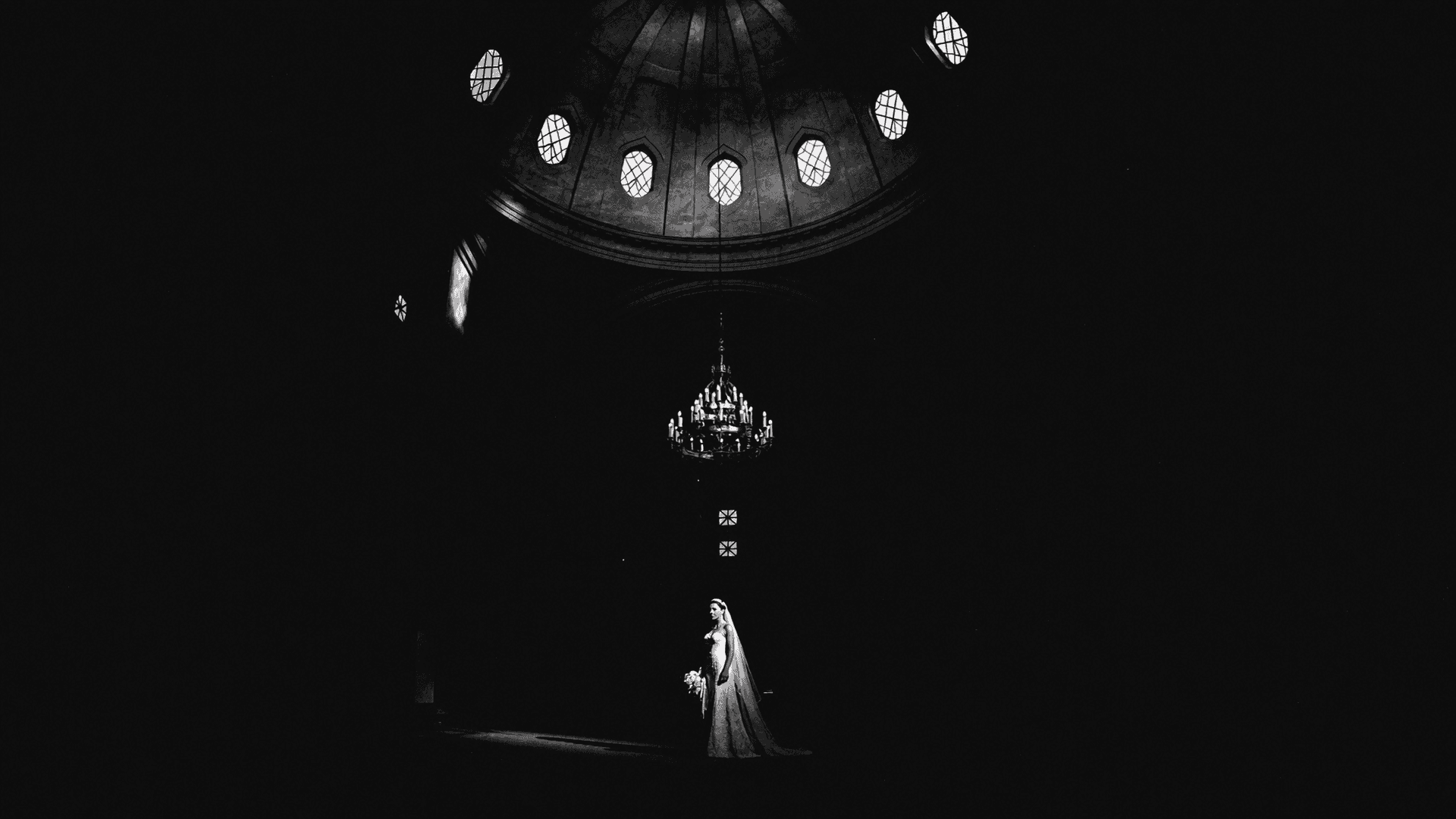
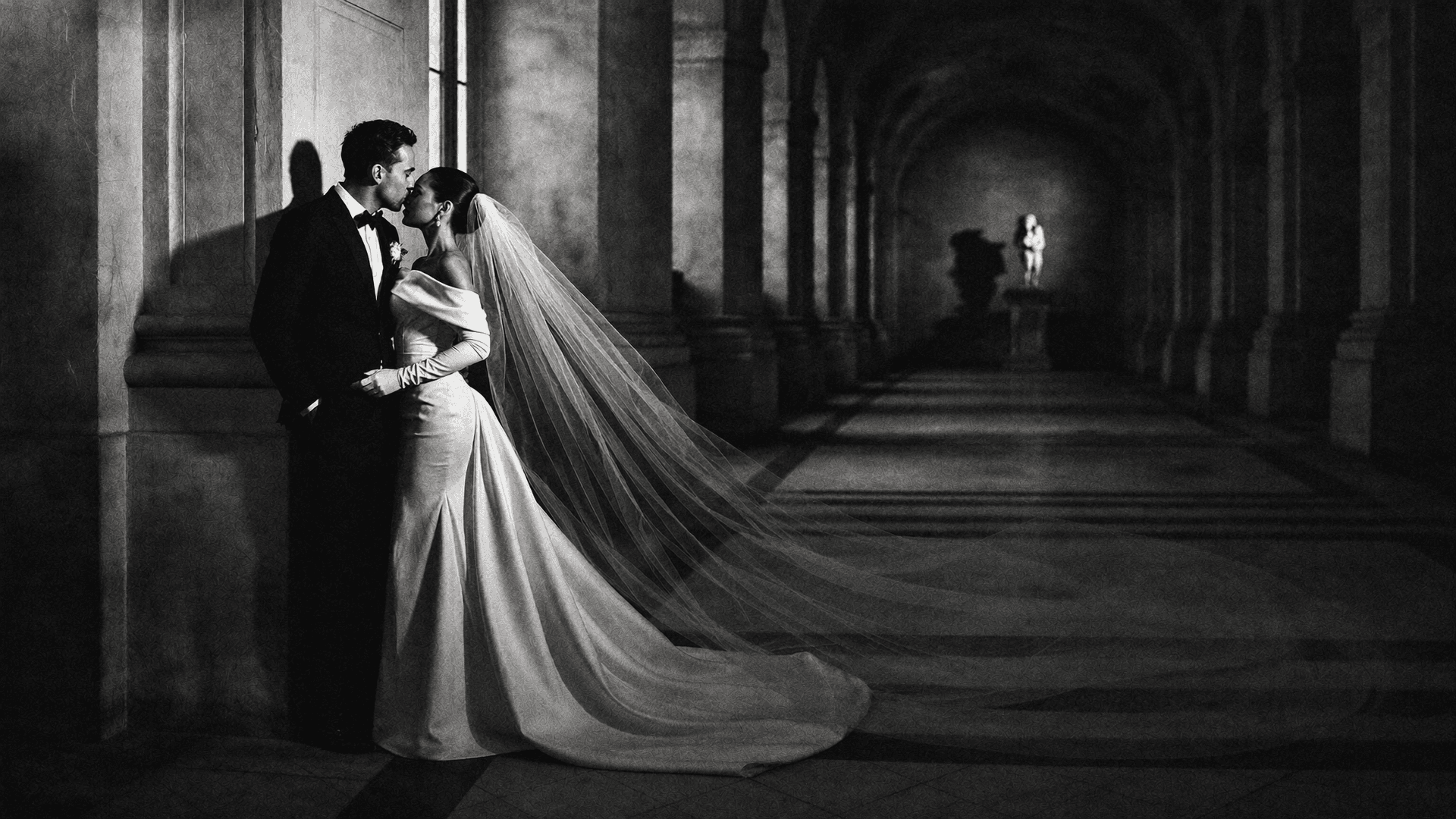
Editorial photography is built. The photographer has a vision for the image before it is taken, a composition, a use of light, a relationship between the subject and the environment, and they direct you into it. The term comes from fashion and magazine photography: Vogue-style, graphic, intentional. The results are striking, polished, and genuinely beautiful. They look designed.
An editorial portrait session typically means the photographer is working with you for 30 to 60 minutes in a chosen environment, directing your movement and position, finding the architectural lines and light that serve the image they are building. The images are strong, distinctive, and show well. They are also, by definition, constructed rather than captured.
What Documentary Elopement Photography Actually Means
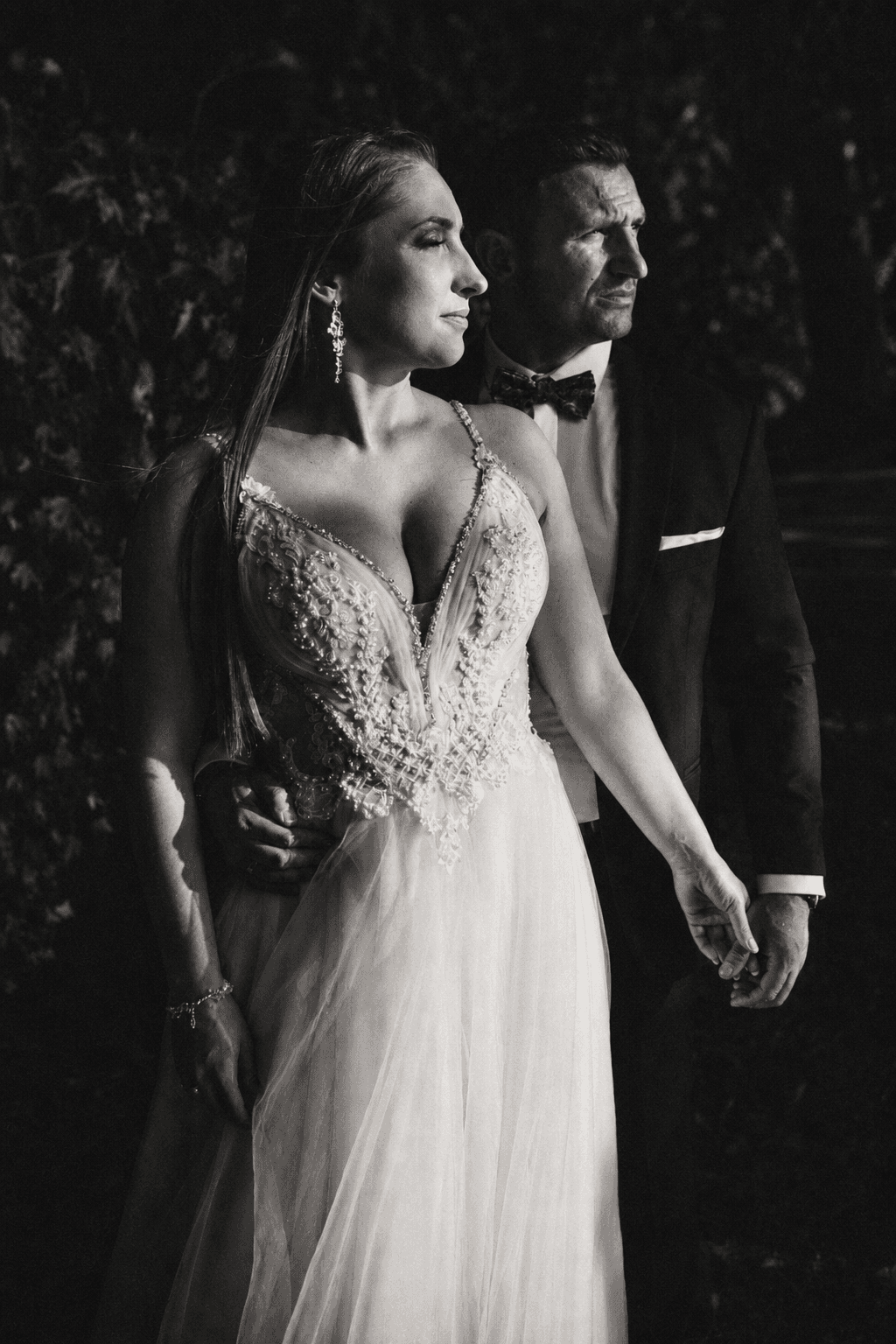
Documentary coverage is found, not built. The photographer is an observer, anticipating, positioning, waiting. They are not directing your expression or arranging your bodies; they are watching the room for the moment when something genuine happens and being in the right place to record it. The images feel immediate and emotionally specific in a way that directed images usually do not.
A skilled documentary photographer is invisible. Your guests do not feel them. The moments they capture would have happened whether or not the camera was there, which is exactly the point. The record is of something that was actually occurring, not of something that was staged for the lens.
The Key Differences, Side by Side
Control: Editorial = the photographer directs. Documentary = the photographer observes.
Outcome: Editorial = striking, magazine-quality portraits. Documentary = emotionally true, irreplaceable candid moments.
What it requires from you: Editorial = willingness to be directed and some comfort in front of the camera. Documentary = nothing, just being present in your own day.
What it cannot do: Editorial cannot capture genuine surprise, grief, laughter, or any unrepeatable moment. Documentary cannot produce a polished, composed portrait without some direction.
The Truth: Most Couples Want Both
The photographers doing the most compelling work in 2026 are doing both, in sequence. Documentary coverage runs throughout the day, ceremony, getting ready, reception, all of it observed rather than staged. Then there is a dedicated portrait session, usually at golden hour, that is explicitly editorial: time to build something deliberately with the light and the architecture.
The result is a gallery with two registers. The documentary images are where the feeling lives, the images people cry over at the ten-year anniversary. The editorial portraits are the ones framed on the wall. Both are necessary. Neither alone is sufficient.
Which Fits Your Elopement?
If your elopement is intimate, emotionally charged, and happening in a space with genuine character, a family home, a small chapel, a restaurant full of people who love each other, documentary coverage will serve you extraordinarily well. The moments will be there. The photographer just needs the skill to find them.
If your elopement is at a visually spectacular venue and you want to use that environment seriously in your portraits, if you want images that look like they could run in a magazine, editorial portraiture is essential and worth protecting time for in your schedule.
Most honestly: tell your photographer what you want the gallery to feel like in ten years. That answer will guide everything else.
What You Are Actually Deciding Between
The comparison between your destination and your destination as elopement destinations is a comparison between two different versions of what a ceremony can feel like, and the photographs that each version produces. Both locations have genuine merit. The question is which version of the experience is the one that matches what you actually want, not which location is objectively better. your destination gives you one specific combination of setting, atmosphere, access, and visual character. your destination gives you a different combination. Understanding what is specific to each, rather than which one scores higher on a general quality scale, is the information that makes the decision meaningful rather than arbitrary.
The practical factors that tend to be genuinely different between your destination and your destination: access logistics, permit requirements, the type of accommodation available, the proximity to vendors who know the location well, and the travel time from major departure cities. The photographic factors that tend to be different: the quality and direction of the light at the ceremony site, the background that the location provides, the degree of privacy available during peak season, and the visual vocabulary already established by prior photography from each place. Both the practical and the photographic factors are worth researching specifically for each location rather than assuming that the one that appears more in popular travel media is the more useful choice for an elopement.

Who Each Location Is Best Suited For
The couples who choose your destination and are most satisfied with the decision tend to share certain priorities: a specific aesthetic that your destination delivers and your destination does not, a willingness to manage the logistics that your destination’s access requires, and a relationship to the place that makes its particular character meaningful rather than interchangeable. The couples who choose your destination and are most satisfied tend to prioritise the different version of each of these things: a different aesthetic, a different logistics tolerance, and a different relationship to what makes the place significant. Neither is a better decision in the abstract. Both are the right decision for the specific couple who makes it.
The couples who are most likely to feel uncertain about the choice after the fact are the ones who chose based on external pressure, recommendations from people who do not know their specific priorities, or the assumption that the more photographed location is automatically the better choice for their ceremony. The strongest elopement photographs at any destination come from couples who are genuinely present in the space and connected to why they chose it. That presence shows in the photographs regardless of which location was chosen, and its absence shows just as clearly. The location decision that produces the best photographs is the one made with full information about what each place actually is and a clear sense of which one is right for the specific couple.
Making the Most of the your destination Context
Every destination has a specific context that is worth using deliberately rather than treating as background. At your destination, that context is the combination of light quality, natural or architectural setting, and the particular atmosphere of the place at different times of day. The sessions that use this context most effectively are the ones where the couple has spent time at your destination before the ceremony day: walking the neighbourhood, sitting at a viewpoint, becoming familiar with the place at different hours so that on the ceremony morning it is somewhere they know rather than somewhere they are experiencing for the first time under the pressure of the session schedule.
I recommend arriving at your destination at least one full day before the ceremony date for this reason. The first day is for orientation: finding the route to the ceremony site, having a meal at a restaurant they want to return to that evening, walking through the area without a camera or a schedule. The second day is the ceremony day, and the familiarity accumulated on the first day shows in how the couple moves through the space and how present they are during the session rather than navigating it as strangers. The photographs from a couple who knows the place, even slightly, are different from the photographs of a couple experiencing it for the first time.
Making the Most of the your destination Context
Every destination has a specific context that is worth using deliberately rather than treating as background. At your destination, that context is the combination of light quality, natural or architectural setting, and the particular atmosphere of the place at different times of day. The sessions that use this context most effectively are the ones where the couple has spent time at your destination before the ceremony day: walking the neighbourhood, sitting at a viewpoint, becoming familiar with the place at different hours so that on the ceremony morning it is somewhere they know rather than somewhere they are experiencing for the first time under the pressure of the session schedule.
I recommend arriving at your destination at least one full day before the ceremony date for this reason. The first day is for orientation: finding the route to the ceremony site, having a meal at a restaurant they want to return to that evening, walking through the area without a camera or a schedule. The second day is the ceremony day, and the familiarity accumulated on the first day shows in how the couple moves through the space and how present they are during the session rather than navigating it as strangers. The photographs from a couple who knows the place, even slightly, are different from the photographs of a couple experiencing it for the first time.
Destination Wedding Photographer
Vancouver · Medellín · Worldwide